

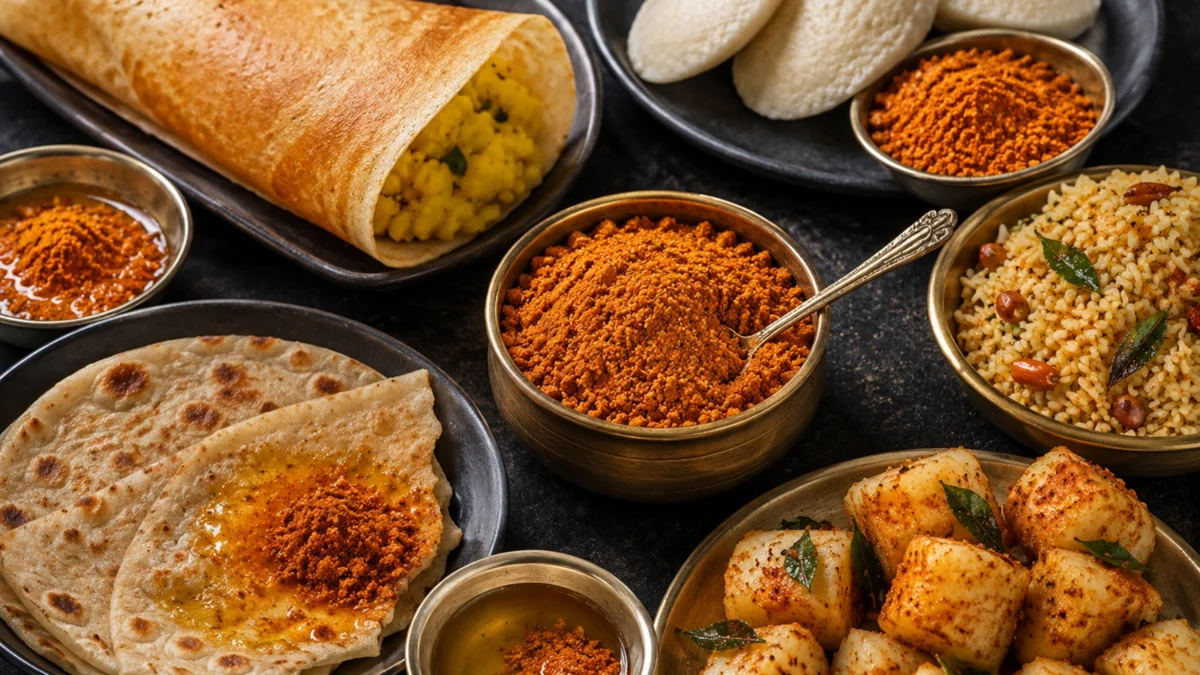
NEW DELHI — In the vast and intricate tapestry of Indian gastronomy, few condiments command as much reverence and ubiquity as the humble yet explosive Milagai Podi. Known colloquially across the globe as "Gunpowder," this dry spice blend is far more than a mere accompaniment; it is a culinary cornerstone of South Indian households, a testament to the region’s mastery of spice, and a versatile pantry staple that has successfully transitioned from traditional stone grinders to the menus of Michelin-starred restaurants.
While its name suggests a volatile heat, the true essence of Gunpowder lies in its sophisticated balance of texture, umami, and nutty undertones. As the culinary world increasingly looks toward regional Indian heritage for inspiration, the story of Gunpowder offers a window into the science of spice roasting and the enduring legacy of South Indian flavor profiles.
The Anatomy of an Icon: Defining Gunpowder Masala
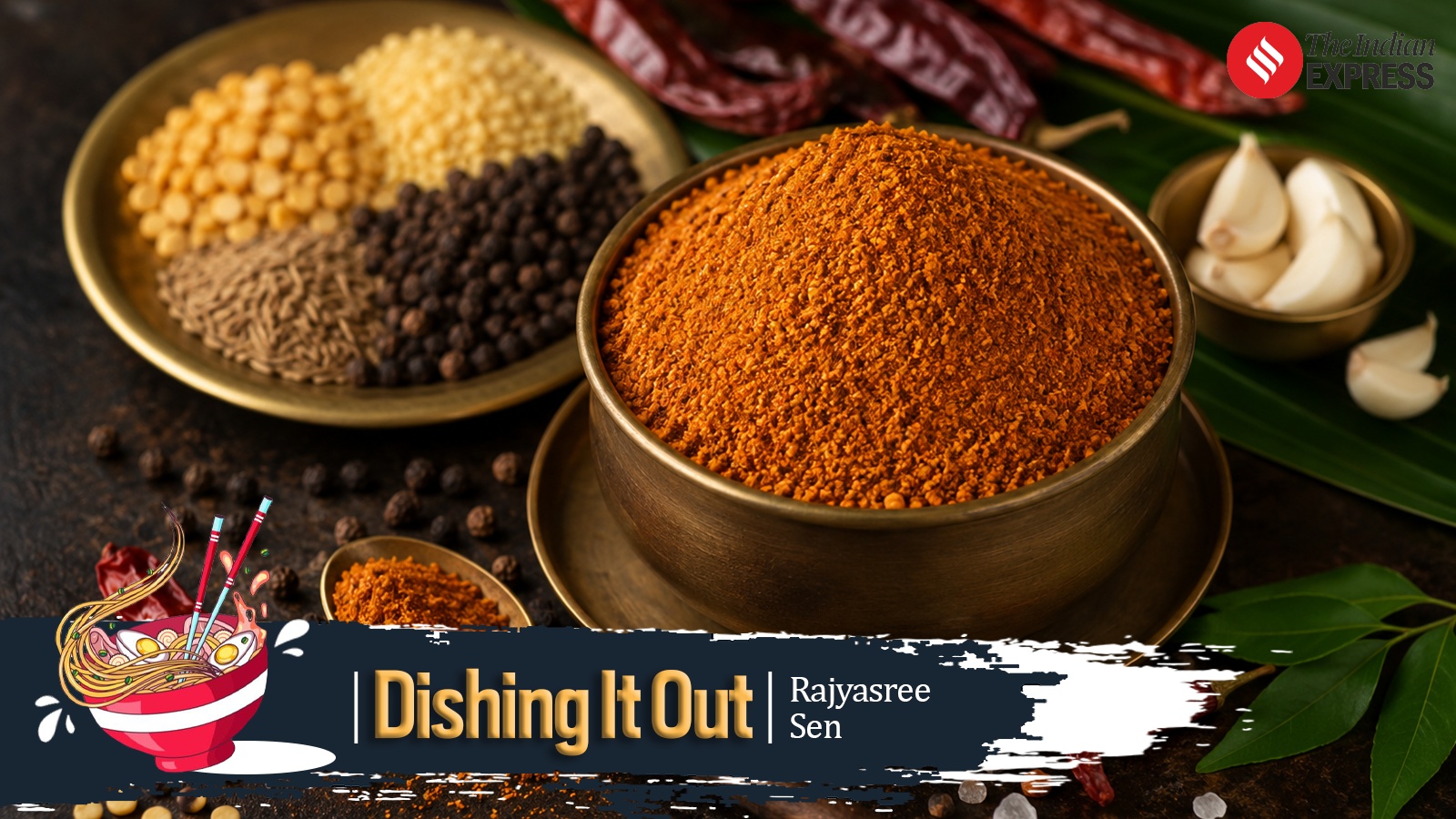
At its core, Gunpowder is a "dry chutney" or podi (powder). Unlike fresh chutneys that require immediate consumption due to their moisture content, Gunpowder is designed for longevity. The basic preparation involves the meticulous toasting of various lentils, dried red chilies, and aromatic seeds, which are then ground into a coarse, sandy texture.
The ingredient list for a classic Veppampoo Paruppu Podi (neem flower and lentil powder) or a standard Milagai Podi reads like a botanical inventory of the Deccan plateau:
- Lentils: Black lentils (Urad Dal) and split chickpeas (Chana Dal) provide the structural base and a rich, nutty flavor.
- Heat: Dried red chilies, ranging from the fiery Guntur variety to the vibrant, shriveled Byadgi chili, dictate the color and Scoville profile.
- Aromatics: Cumin seeds, coriander seeds, and fresh curry leaves are toasted until their essential oils are released.
- The Umami Factor: Asafoetida (Hing) and salt act as flavor enhancers, while tamarind or dried neem flowers add layers of sourness or therapeutic bitterness.
- Texture: Sesame seeds and sometimes dried coconut add a distinct oiliness and "crunch" that defines the mouthfeel.
Chronology and Evolution: From the Ammikal to the Global Stage
The history of Gunpowder is inextricably linked to the agrarian traditions of Tamil Nadu, Andhra Pradesh, and Karnataka. Historically, the preparation of podi was a labor-intensive ritual.
The Era of the Ammikal
Before the advent of electric grinders, spices were processed on an ammikal—a flat, heavy stone slab used with a cylindrical rolling stone. This method was not merely about reduction; the cold-pressing action of the stone crushed the spices without generating the heat typical of high-speed blades. This preserved the volatile oils of the lentils and chilies, resulting in a more fragrant and nuanced powder with a characteristically "grainy" texture that modern machinery often fails to replicate.
The Traveler’s Companion
In the mid-20th century, as the South Indian diaspora began to move across the country and overseas for work, Gunpowder gained a new identity as the "Traveler’s Friend." Because it is dry and roasted, it has a shelf life of several months. For students, soldiers, and professionals leaving home, a jar of homemade podi served as a visceral connection to their roots—a quick meal could be conjured simply by mixing the powder with hot rice and a spoonful of ghee.
The Modern Renaissance
Today, Gunpowder has moved beyond the domestic sphere. In luxury hotels and "New Indian" bistros in London, New York, and Singapore, "Gunpowder Potatoes" or "Podi-crusted Scallops" have become gourmet fixtures. The "cocktail idli"—miniature steamed rice cakes tossed in a generous coating of Gunpowder and clarified butter—is now a standard appetizer in high-end Indian catering, proving that this rustic blend has universal appeal.
Regional Geography: A Map of Heat and Grain
While "Gunpowder" is often used as a catch-all term, the recipe varies significantly as one moves across the four major South Indian states.
1. Tamil Nadu: The Classic Milagai Podi
The Tamil version is often the most balanced. It focuses heavily on the ratio of Urad Dal to Chana Dal, ensuring a deep, toasted aroma. It is the quintessential companion to Idli and Dosa, often served with a "well" of gingelly (sesame) oil in the center.
2. Andhra Pradesh and Telangana: The Fire of the Guntur
Andhra Karam Podi is legendary for its heat. Utilizing the region’s famous Guntur chilies, this version is often a vibrant, deep crimson. It frequently incorporates garlic and a higher proportion of cumin, making it a pungent, high-impact condiment usually eaten with hot rice and ghee (Neyyi).
3. Karnataka: The Nutty Complexity
In Karnataka, the Chutney Pudi often takes a turn toward the slightly sweet and complex. The addition of jaggery (unrefined cane sugar) and sometimes peanuts or dry coconut (khobra) creates a profile that is simultaneously spicy, sweet, and fatty. The Puliyogare powder, used to make tamarind rice, is a cousin to Gunpowder, incorporating fenugreek and turmeric for a medicinal yet delicious edge.
4. Kerala: The Coastal Influence
In Kerala, while podi is less central than in Tamil Nadu, variations often include a heavy hand of black pepper and curry leaves, reflecting the spice coast’s indigenous produce.
Supporting Data: The Science of the "Sizzle"
Culinary experts and food scientists note that the "magic" of Gunpowder is unlocked through a specific chemical interaction with fats. The capsaicin in red chilies and the aromatic compounds in cumin and hing are fat-soluble.
When Gunpowder is mixed with hot ghee or sesame oil, several things happen:
- Extraction: The fat acts as a solvent, extracting the flavors from the dry particles and distributing them evenly across the palate.
- Texture Softening: The toasted lentils, which can be quite hard, soften slightly in the oil, creating a "paste" that adheres perfectly to the porous surface of an idli or the crisp exterior of a dosa.
- The Maillard Reaction: Since the lentils and spices are pre-roasted, the flavor profile is dominated by the Maillard reaction—the same chemical process that gives toasted bread or roasted coffee its depth.
Implications: More Than Just a Condiment
The rise of Gunpowder in the global culinary consciousness has several broader implications for Indian food culture.
Preservation of Heritage
As urban lifestyles become more frantic, the art of making podi at home is a way for younger generations to reclaim their heritage. Culinary workshops focusing on traditional spice blends are seeing a surge in popularity, emphasizing the "slow food" philosophy of roasting each ingredient separately to its specific smoke point.
Nutritional Value
From a nutritional standpoint, Gunpowder is a powerhouse. It is essentially a protein supplement in powder form. The high concentration of lentils provides plant-based protein and fiber, while spices like asafoetida and cumin aid in digestion (carminative properties). For vegetarians, it adds a significant "umami" punch that is often missing in plant-based diets.
The "Waste Not" Movement
The upcoming trends in Indian cooking—as noted by culinary historians—focus on "waste-not" cooking. Gunpowder fits this ethos perfectly. Many traditional podis utilize ingredients that might otherwise be discarded, such as the skins of ridge gourd or the stems of certain greens, drying and grinding them into flavorful powders.
Expert Recommendations: How to Use Gunpowder
For those new to the ingredient, culinary experts suggest starting simply. While the traditional pairing is with fermented rice batters (Idli/Dosa), Gunpowder’s versatility is its greatest strength:
- The Rice Blend: Mix a tablespoon of Gunpowder with steaming hot jasmine or basmati rice. Add a teaspoon of A2 Gir cow ghee. This is considered the "soul food" of South India.
- The Modern Rub: Use it as a dry rub for roasted cauliflower, potatoes, or even grilled chicken. The lentils create a crust that mimics breadcrumbs but with significantly more flavor.
- The Dip: Mix it into Greek yogurt or labneh for a spicy, smoky dip that pairs excellently with crudités or sourdough bread.
Conclusion
Gunpowder Masala is a masterpiece of functional culinary design. It is a product of necessity—built to last, easy to transport, and nutritionally dense—that has evolved into a symbol of gastronomic sophistication. Whether it is the gritty, fiery version from an Andhra roadside eatery or the refined, aromatic blend from a Tamil household, Gunpowder remains the "explosive" heart of South Indian cuisine.
As we look toward a future where global food trends value authenticity and shelf-stable natural ingredients, the humble Milagai Podi stands ready to conquer new territories, one spoonful of ghee at a time.
Next week, our culinary exploration continues as we delve into India’s "waste-not, want-not" movement, exploring how vegetable peels, seeds, and stalks are being transformed into gourmet delicacies in kitchens across the subcontinent.
