

The arrival of the monsoon brings a much-needed respite from the sweltering summer heat, but for the modern household, it also introduces a complex set of logistical challenges. While the convenience of bulk grocery shopping is undeniable in an era of busy schedules, the rainy season demands a fundamental shift in consumer behavior. The combination of high humidity and fluctuating temperatures creates a breeding ground for pathogens and accelerates the spoilage of household staples.
According to leading nutritionists, the secret to maintaining health during the rainy season lies not in deprivation, but in strategic procurement. Anju Sood, a prominent nutritionist at 10on10 Foods, emphasizes that the goal is to balance nutritional intake with rigorous food safety standards. By understanding which foods thrive in storage and which succumb to the elements, consumers can significantly reduce food waste and the risk of foodborne illnesses.
The Science of Monsoon Spoilage: Why Food Fails in the Rain
Before diving into the grocery list, it is essential to understand the environmental factors at play. During the monsoon, the relative humidity often exceeds 80%, creating a "tropical greenhouse" effect within kitchens and pantries.
Moisture is the primary catalyst for microbial growth. Bacteria and fungi (molds) require water to thrive. When dry goods like flour or spices absorb moisture from the air—a process known as being hygroscopic—they become viable environments for mold spores. Furthermore, the "warm-damp" cycle of the monsoon accelerates the oxidation of fats in nuts and seeds, leading to rancidity.
For fresh produce, the risks are even higher. The increased moisture on the surface of leafy greens and fruits allows for the rapid proliferation of water-borne pathogens, including E. coli and Salmonella. Consequently, the "buy in bulk" strategy that works in the dry winter months can lead to significant economic loss and health risks during the rains.
The Resilient Pantry: 5 Foods to Stock Up On
Despite the risks, certain food groups are well-suited for the monsoon, provided they are stored with precision. These staples provide the necessary immunity-boosting nutrients required to ward off seasonal infections.
1. Freshly Milled Atta (Whole Wheat Flour)
Freshly milled flour is a powerhouse of complex carbohydrates and dietary fiber. During the monsoon, when digestive systems can become sluggish, the fiber in whole wheat helps maintain regularity.
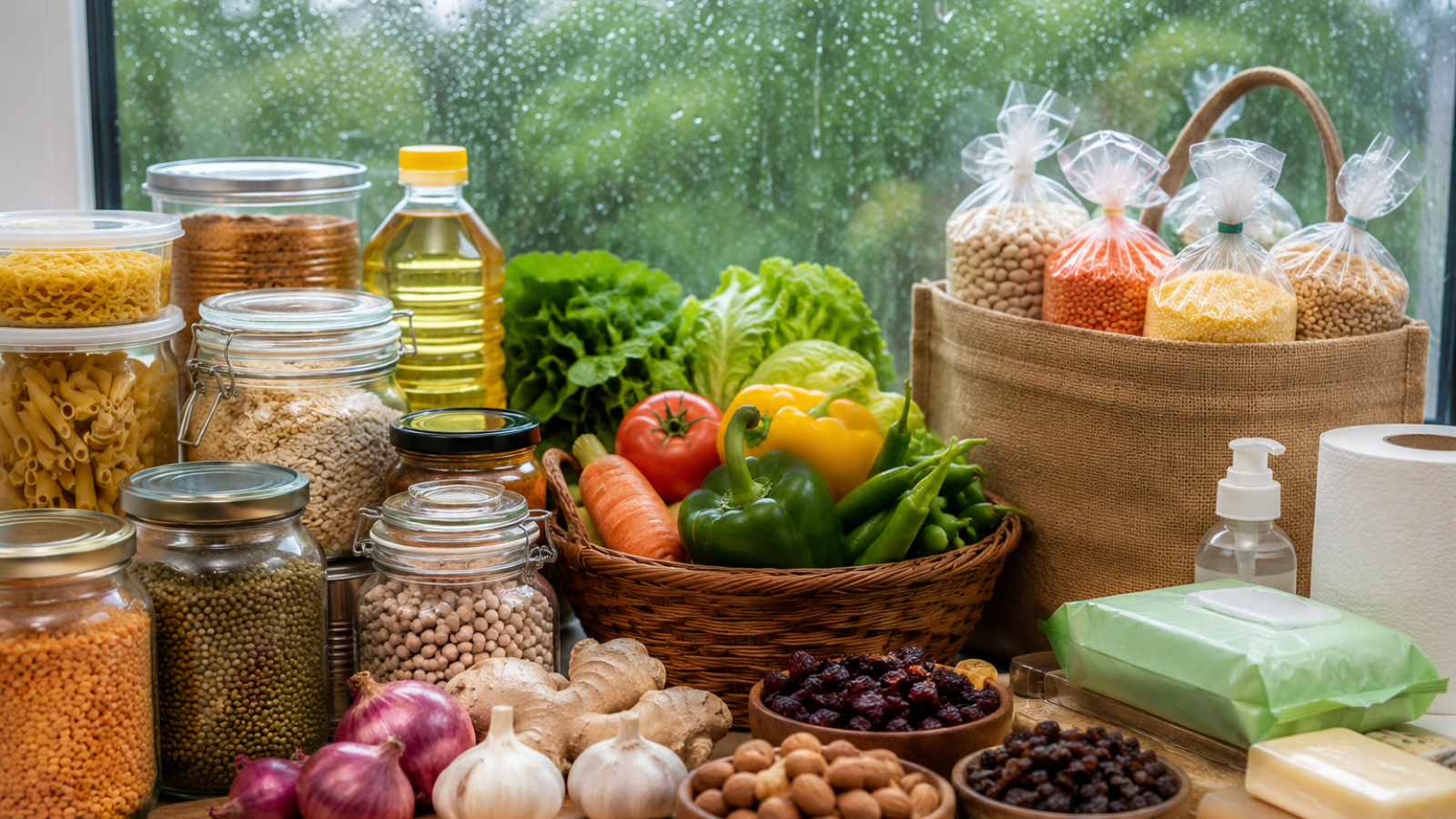
Expert Recommendation: Anju Sood advises purchasing freshly milled flour in smaller, manageable quantities rather than massive sacks. "The key is to prevent moisture absorption," Sood explains. "Store it in airtight containers in a cool, dry place." Utilizing steel or high-grade plastic bins with airtight seals is critical to preventing the flour from clumping or developing a musty odor.
2. Lentils and Pulses (The Protein Anchor)
Lentils such as Moong dal, Masoor dal, and Chana are indispensable during the rainy season. They are easier to digest than heavy meats and provide the plant-based protein necessary for tissue repair and immune function.
Storage Hack: Humidity often invites pantry pests like weevils. To counter this, Sood recommends a traditional yet effective method: "Store lentils in airtight glass or steel containers and add a few dried neem leaves or bay leaves. These act as natural repellents without affecting the flavor of the pulses."
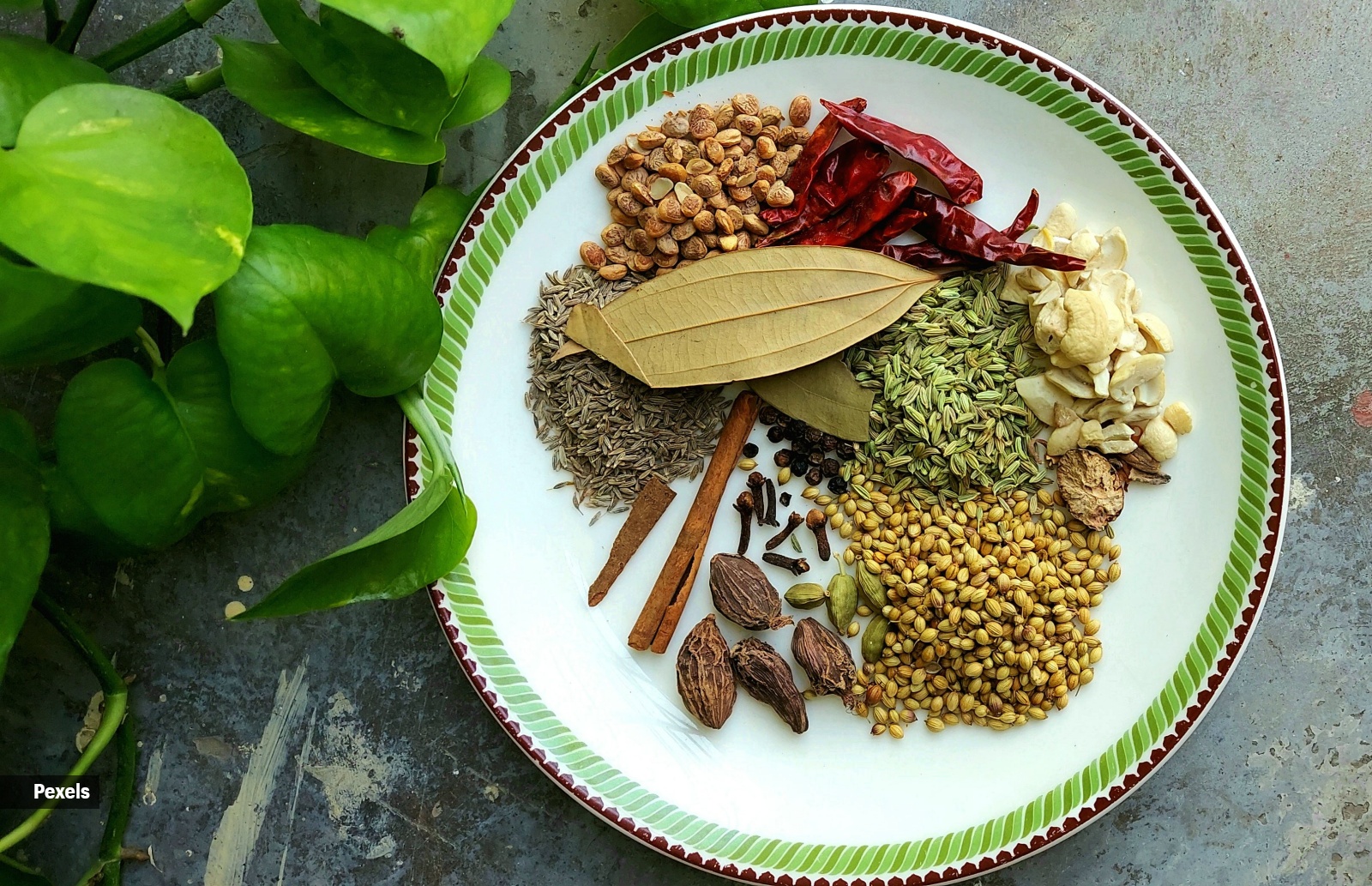
3. Whole Spices (Nature’s Antimicrobials)
The monsoon is the season of the "healing kitchen." Spices like turmeric, black pepper, ginger, and ajwain (carom seeds) contain bioactive compounds with potent anti-inflammatory and antimicrobial properties.
Preserving Potency: To ensure these spices retain their essential oils and medicinal value, they must be kept away from the steam generated by cooking. Storing them in a dedicated spice box (masala dani) is fine for daily use, but the bulk stock should remain in vacuum-sealed jars in a dark cupboard.
4. Nuts and Seeds
Almonds, walnuts, flaxseeds, and pumpkin seeds are rich in Omega-3 fatty acids and zinc, both of which are vital for skin health and immune resilience. However, their high oil content makes them vulnerable to the humidity.
The Cold Chain: If purchasing nuts in larger quantities, the refrigerator is your best friend. Storing nuts in the fridge or freezer prevents the oils from turning rancid, ensuring they remain crunchy and nutritious throughout the season.
5. Fermented Foods
A healthy gut is the first line of defense against monsoon maladies. Fresh curd (yogurt) and homemade buttermilk are rich in probiotics that support the gut microbiome.
Safety First: While fermented foods are beneficial, they are also highly temperature-sensitive. Sood stresses the importance of consuming them while fresh and ensuring they are refrigerated immediately after preparation to prevent over-acidification or contamination by wild yeast.
The High-Risk List: 5 Foods to Buy with Caution
To minimize the risk of gastroenteritis and other water-borne diseases, certain items should be removed from the "bulk buy" list and treated as "buy-as-needed" fresh produce.
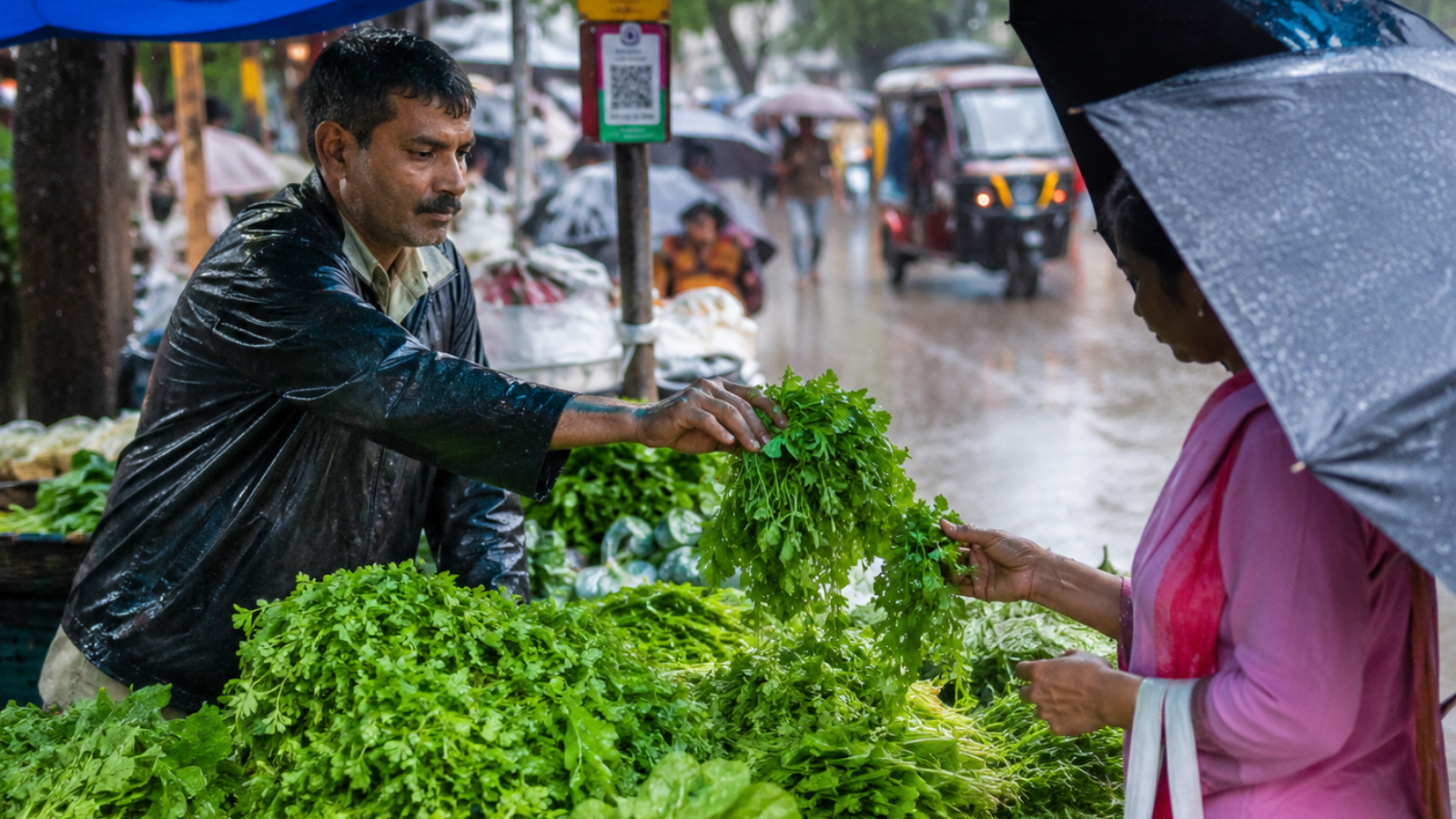
1. Leafy Greens (The "Dirt Magnets")
Vegetables like spinach, kale, and cabbage are notorious for harboring mud, grit, and microscopic larvae during the monsoon. The excessive moisture causes them to wilt and rot within 24 to 48 hours.
Best Practice: "Purchase only what you can consume within a day or two," says Sood. She also recommends a multi-stage washing process—soaking the greens in salted water or a vinegar solution—to ensure all pathogens are neutralized before cooking.
2. Bread and Bakery Products
The porous nature of bread makes it an ideal substrate for Rhizopus stolonifer (black bread mold). In high humidity, mold can become visible on a loaf of bread in as little as 36 hours.
Buying Strategy: Opt for the smallest available packs. If you find yourself with leftover bread, store it in the refrigerator rather than on the counter. Always inspect the surface for any discoloration before consumption.
3. Fish and Seafood
The monsoon coincides with the breeding season for many marine species. This not only has ecological implications but also affects the quality of the catch. Rough seas often lead to delays in the supply chain, meaning the "fresh" fish at the market may have spent longer in transit than usual.
Safety Protocol: Buy only from trusted vendors who maintain a strict cold chain. Avoid stocking up on frozen seafood if your area is prone to monsoon power outages, as repeated thawing and refreezing can lead to dangerous bacterial growth.
4. Milk and Dairy
Milk is a highly perishable commodity that sours rapidly when the ambient temperature and humidity fluctuate. During the monsoon, the risk of cross-contamination during the milking or packaging process also increases.
Procurement Tip: Switch to smaller pouches or tetra-packs that can be consumed in a single sitting. Ensure that milk is boiled immediately upon arrival and stored in the coldest part of the refrigerator.
5. Pre-cut Salads and Fruits
Convenience can be costly during the rains. Pre-cut fruits and packaged salads have a high surface-area-to-volume ratio, which significantly increases the risk of microbial contamination.
The Rule of Thumb: Always buy whole fruits and vegetables. The skin of a fruit acts as a natural protective barrier. By peeling and cutting produce at home, you ensure that the tools and water used are clean, drastically reducing the risk of infection.
Official Guidelines and Expert Perspectives
Health organizations and food safety authorities frequently issue advisories during the monsoon. The consensus among experts like Anju Sood is that "monsoon nutrition" is as much about hygiene as it is about calories.
The Food Safety and Standards Authority of India (FSSAI) often highlights the importance of the "Clean, Separate, Cook, and Chill" philosophy. During the monsoon, "Separate" becomes particularly important—keeping raw meats away from fresh produce in the fridge to prevent drip-contamination.
Sood concludes that the psychological aspect of shopping must change. "We are conditioned to stock up to avoid the rain, but in doing so, we often compromise the quality of what we put into our bodies. Buying fresh is the most effective way to stay healthy."
Implications for Public Health and Household Economy
The implications of improper food management during the monsoon are two-fold: health-related and economic.
On the health front, the monsoon typically sees a spike in cases of Typhoid, Cholera, and Hepatitis A—all of which are transmitted through contaminated food and water. By following a strict "buy small, buy fresh" policy for high-risk foods, households can create a safety buffer against these debilitating illnesses.
Economically, the "binning" of spoiled groceries represents a significant loss of household income. In a climate where food inflation is a constant concern, strategic shopping is a form of financial prudence. Transitioning to airtight glass storage and utilizing the refrigerator for items like nuts and flours can extend the shelf life of groceries by weeks, ensuring that every rupee spent on nutrition is fully realized.
In summary, the monsoon requires a "tactical pantry." By stocking up on resilient, dry staples and maintaining a "just-in-time" supply chain for fresh perishables, you can enjoy the rains without the shadow of foodborne illness or unnecessary waste.
DISCLAIMER: This article is based on information from the public domain and/or the experts we spoke to. Always consult your health practitioner before starting any routine or making significant changes to your diet.
