

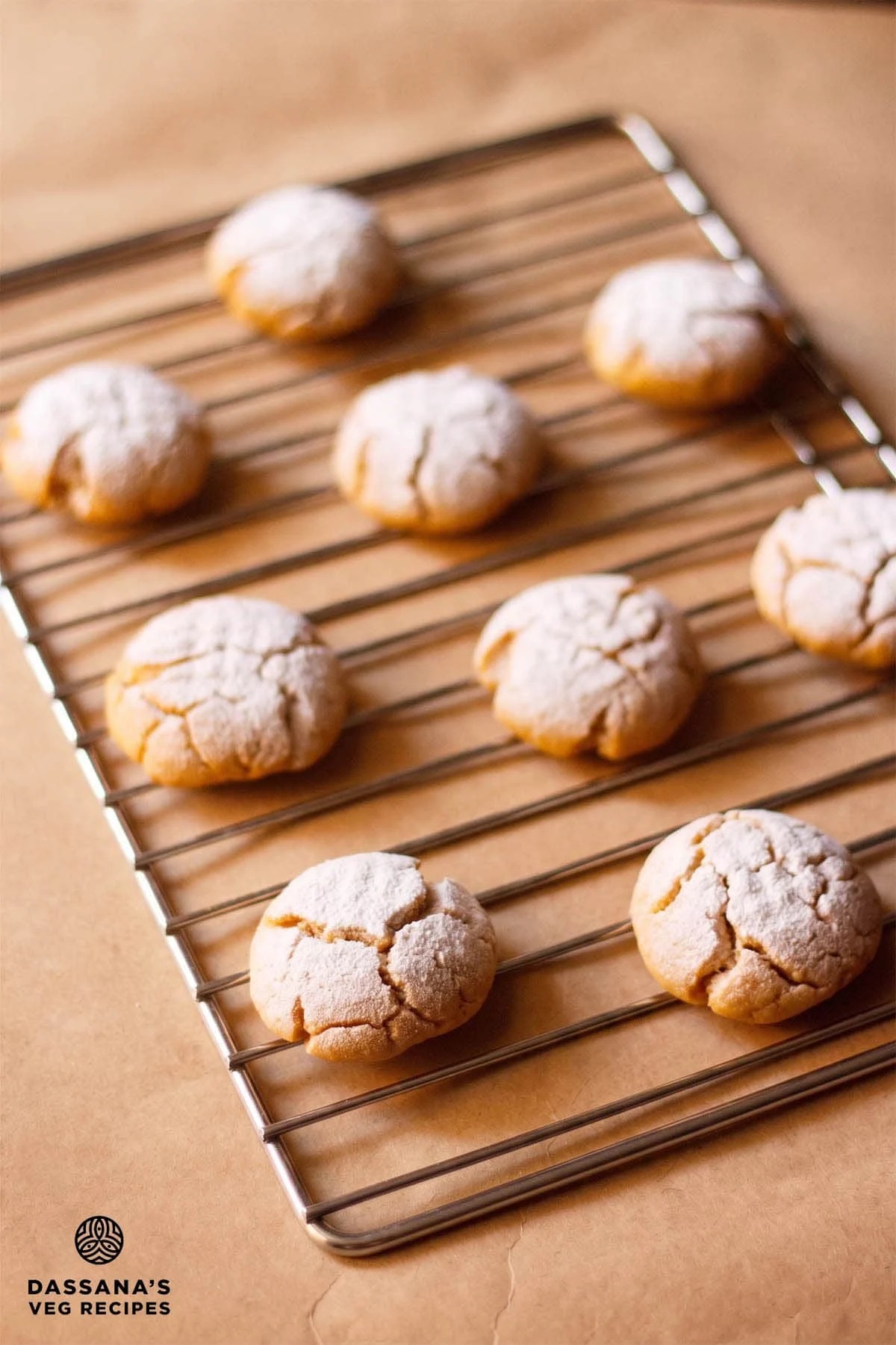
In the evolving landscape of contemporary confectionery, a significant shift has been observed toward snacks that harmonize health-consciousness with indulgent flavors. Leading this trend is the "Orange Cookie"—a soft, citrus-infused biscuit that challenges the traditional reliance on refined flours and animal fats. Developed as an eggless, vegan alternative to standard bakery fare, these cookies represent a fusion of traditional Indian ingredients, such as gram flour (besan), and modern dietary preferences.
Main Facts: Redefining the Tea-Time Staple
The Orange Cookie, frequently referred to as an "orange biscuit" in the Indian culinary context, is a departure from the overly processed, high-sugar snacks found on commercial shelves. At its core, the recipe is a study in texture and aromatic depth, utilizing fresh fruit extracts rather than synthetic flavorings.
Key Characteristics:
- Composition: The dough is anchored by a blend of whole wheat flour and gram flour (besan), providing a denser, more nutritious base than all-purpose flour.
- Dietary Profile: The recipe is strictly vegan and eggless. It replaces butter with sunflower oil, which results in a lighter crumb and a higher degree of moisture retention.
- Flavor Profile: The primary notes are derived from fresh orange juice and zest, providing a natural acidity that balances the sweetness of the sugar.
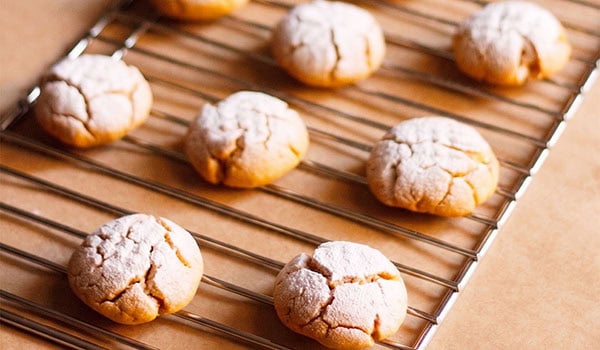
- Textural Integrity: Unlike the "snap" of a traditional British biscuit or the chewiness of an American chocolate chip cookie, these orange cookies are characterized by a soft, almost cake-like interior with a crinkled, slightly crisp exterior.
Chronology: The Lifecycle of a Citrus Cookie
The creation of the perfect orange biscuit is a chronological process that requires precision in both preparation and execution. From the initial selection of the fruit to the final dusting of sugar, each stage is vital to the cookie’s structural and flavor profile.
Phase I: Extraction and Essence (The Preparation)
The process begins not with the flour, but with the fruit. To achieve a "pleasant citrus flavor without being overly sweet," the baker must first prepare the orange.
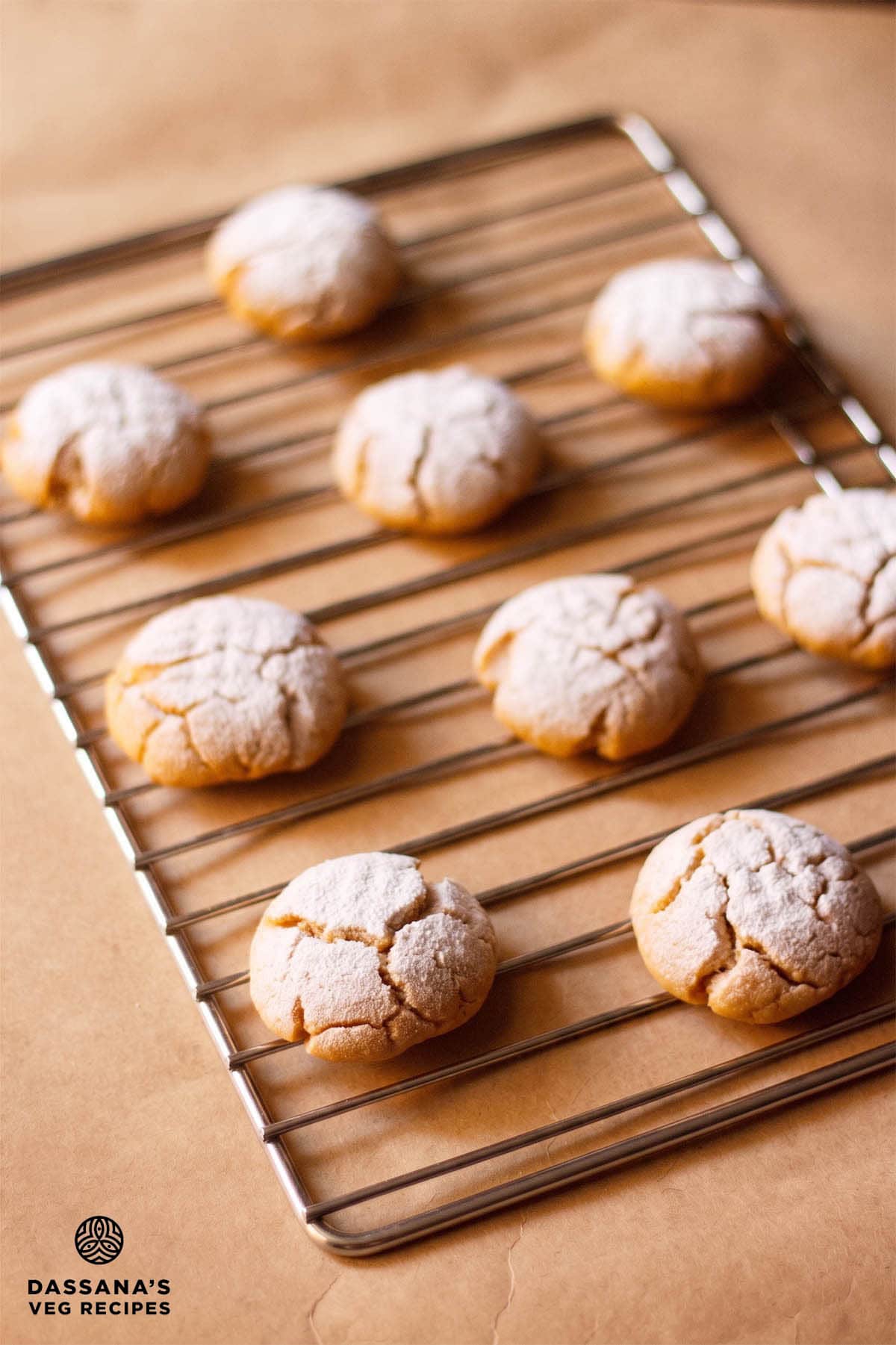
- Zesting: Approximately one teaspoon of zest is required. This must be harvested carefully using a fine grater, ensuring only the orange-colored epicarp is taken. The white pith (mesocarp) must be avoided, as its inclusion introduces an unwanted bitterness that can overwhelm the delicate oils of the zest.
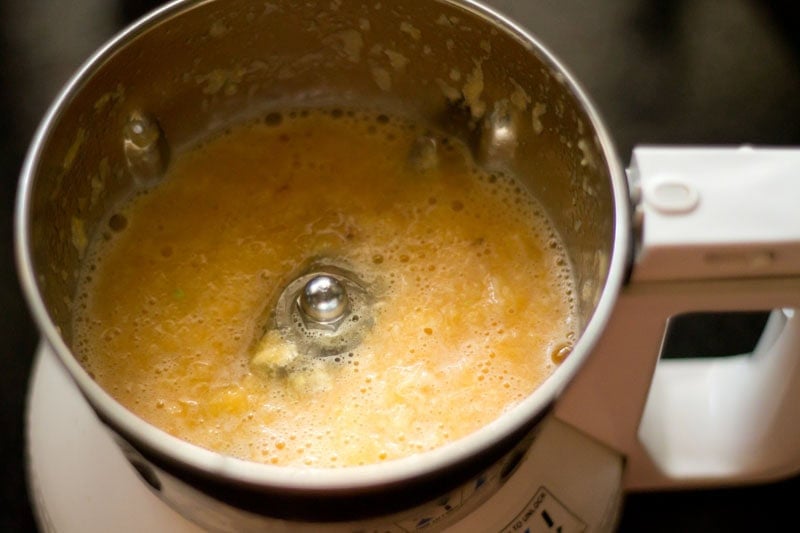
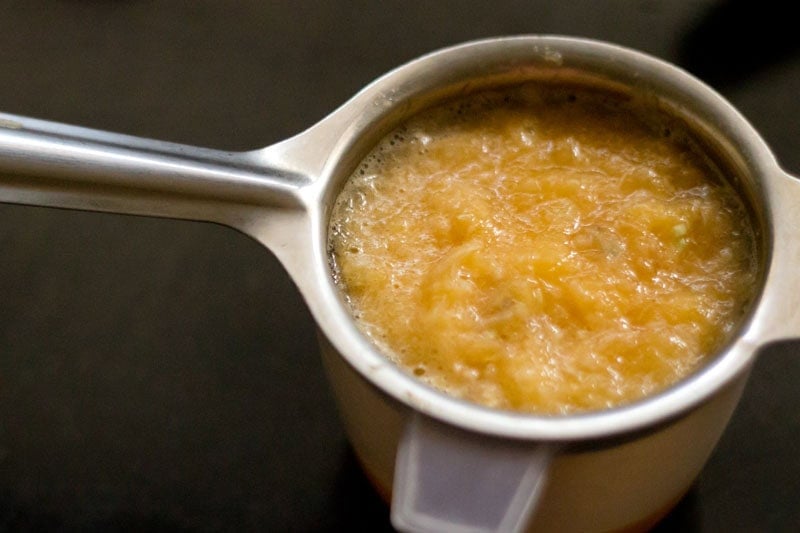
- Juicing: One medium orange is peeled, de-seeded, and blended. The resulting pulp is strained through a fine sieve to produce one-third of a cup of fresh juice. This fresh juice acts as both a flavoring agent and a hydrating liquid for the dough.
Phase II: Emulsification and Integration (The Dough)
Unlike many cookie recipes that require "creaming" butter and sugar, this vegan variant relies on a liquid-state emulsification.
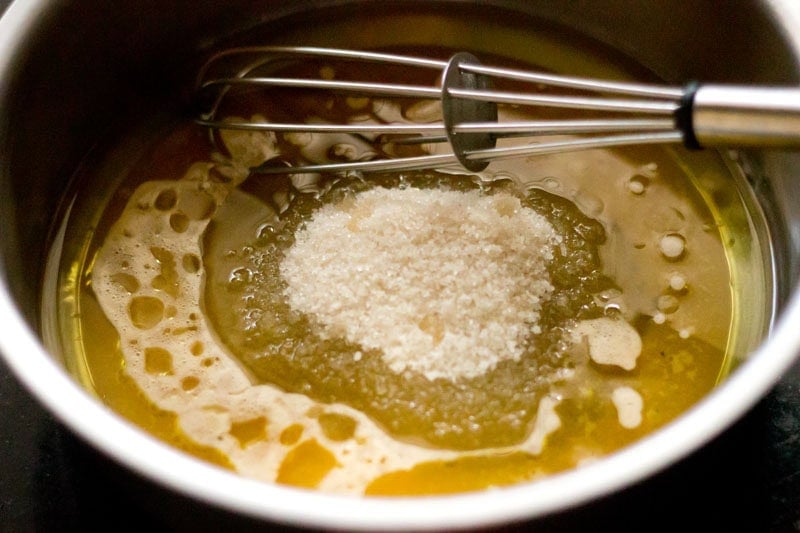
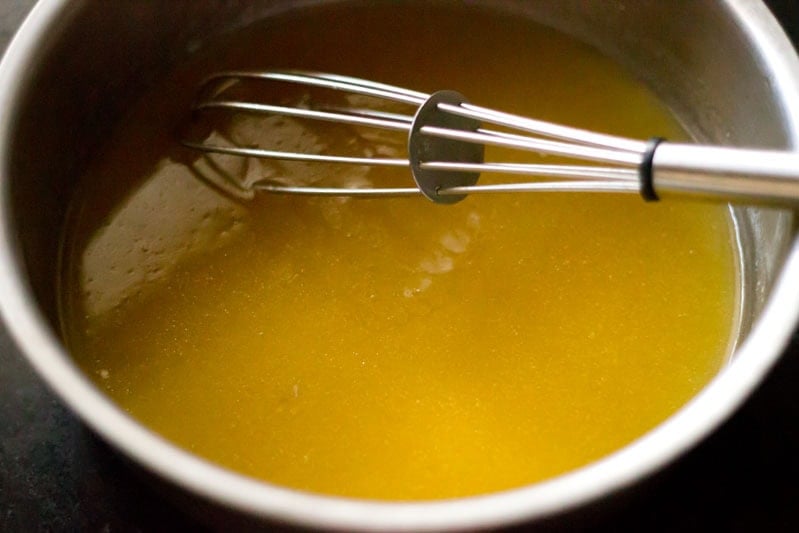
- Wet Mixture: The fresh juice is whisked with half a cup of sugar and half a cup of sunflower oil. This step is critical; the whisking must continue until the sugar is fully dissolved, creating a uniform, golden liquid.
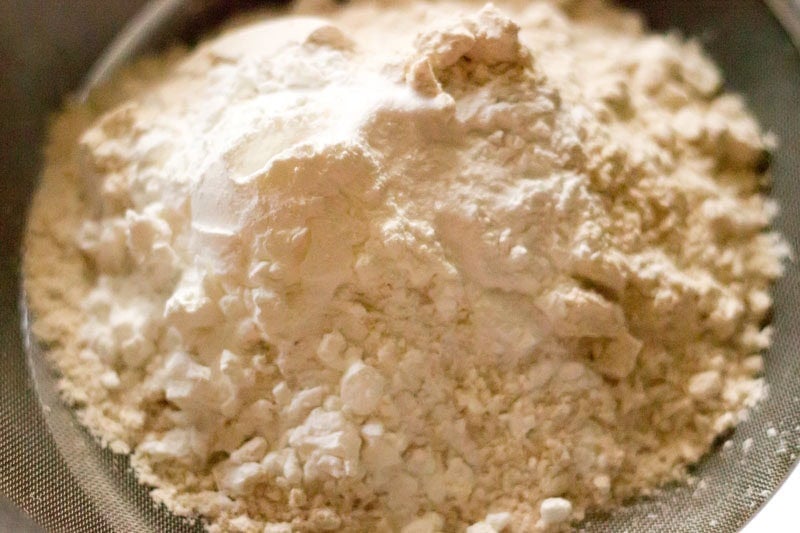
- Dry Integration: The dry ingredients—whole wheat flour, baking powder, and a pinch of salt—are sifted directly into the wet base. Sifting is essential here to prevent clumping, especially when dealing with the heavier proteins of whole wheat.
- The Secret Ingredient: Gram flour (besan) is added last. This provides a subtle nuttiness and contributes to the golden hue of the final product.
- Formation: The dough is brought together gently. Professional bakers emphasize that the dough should not be kneaded; over-working the dough would develop the gluten in the wheat, leading to a tough, bread-like texture rather than a soft cookie.
Phase III: Thermal Transformation (The Baking)
The baking process is where the "crinkle" aesthetic is formed.
- Preheating: The oven is brought to a steady 200 degrees Celsius (392 degrees Fahrenheit).
- Portioning: The dough is divided into 12 to 14 portions, rolled into balls, and slightly flattened.
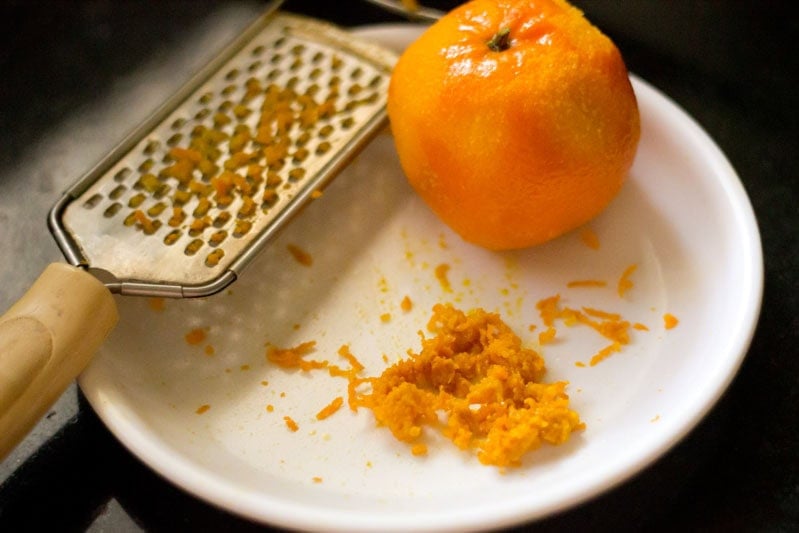
- The Bake: Over a period of 20 to 25 minutes, the cookies undergo the Maillard reaction. The tops naturally crack as the internal moisture expands against the setting exterior, creating the characteristic crinkled appearance.
- Cooling: Post-oven, the cookies must be moved to a wire rack. This allows air to circulate around the entire biscuit, preventing the bottom from becoming soggy due to residual steam.
Supporting Data: A Nutritional and Technical Analysis
To understand the appeal of the orange cookie, one must look at the data behind the recipe. According to nutritional breakdowns provided by culinary experts like Dassana (Veg Recipes of India), a single orange cookie provides a complex array of macronutrients and vitamins.
Nutritional Breakdown (Per Serving):
- Calories: 177 kcal
- Carbohydrates: 22g (with 2g of Fiber and 9g of Sugar)
- Fats: 9g (predominantly Monounsaturated Fat at 7g)
- Protein: 3g
- Micronutrients: The cookies are surprisingly rich in Vitamin C (5mg), Folate (29µg), and Potassium (125mg), largely due to the use of fresh juice and whole grains.
Technical Advantages of Ingredients:
- Sunflower Oil vs. Butter: Sunflower oil has a higher smoke point and remains liquid at room temperature, which contributes to the "moist texture" mentioned in the source material. It also makes the recipe accessible to those with dairy allergies or vegan lifestyles.
- Gram Flour (Besan): This ingredient is a staple in Indian kitchens. From a technical standpoint, it acts as a binder and adds a density that compensates for the lack of eggs.
Official Responses: Expert Tips for Culinary Success
In the realm of home baking, "official responses" come in the form of expert troubleshooting and refined tips from seasoned recipe developers. These insights ensure that the baker can adapt the recipe to varying environments.
On Ingredient Substitutions:
While the recipe is designed as a vegan staple, experts note that melted butter can be substituted for sunflower oil for those desiring a "richer flavor and a slightly different texture." However, this would negate the vegan status of the biscuit. Furthermore, while fresh oranges are preferred for their aromatic oils, packaged orange juice can be used in a pinch, provided the baker adjusts for the potential increase in added sugars found in commercial juices.
On Oven Calibration:
A recurring professional tip is the necessity of monitoring the final minutes of baking. Oven temperatures can vary significantly between brands and ages. In convection ovens, for instance, it is recommended to lower the temperature to 180 degrees Celsius (356 degrees Fahrenheit) to prevent the exterior from browning before the interior is fully set.
On Environmental Factors:
The storage of these cookies is highly dependent on climate. In standard conditions, they maintain their integrity for 2 to 3 days in an airtight container. However, in humid regions (common in many parts of India), the cookies may absorb atmospheric moisture and lose their texture. In such cases, refrigeration is the "official" recommendation to maintain freshness.
Implications: The Future of the Healthy Snack Movement
The popularity of the orange cookie carries broader implications for the food industry and domestic baking habits.
1. The De-stigmatization of Whole Wheat
For decades, whole wheat was viewed as a "difficult" flour for baking, often resulting in heavy, unappealing products. The success of this orange cookie recipe demonstrates that when paired with the right fats (oil) and leavening agents, whole wheat can produce a refined, soft-textured biscuit that rivals those made with white flour (maida).
2. The Rise of "Functional" Flavors
The use of orange zest and juice represents a move toward functional ingredients—flavors that provide both taste and nutritional benefits (such as Vitamin C and antioxidants). This reflects a consumer desire for "clean label" treats where every ingredient serves a purpose.
3. Cultural Synthesis
The orange biscuit is a prime example of cultural synthesis. It takes the European concept of a citrus cookie and adapts it to the Indian palate by using gram flour and designing it to be "eggless"—a requirement for a vast segment of the Indian population due to religious and dietary traditions.
4. Accessibility in Baking
Perhaps the most significant implication is the democratization of baking. By requiring "no special equipment" and using "simple ingredients that are easily available," this recipe lowers the barrier to entry for amateur bakers. It encourages a shift away from factory-produced snacks toward homemade, artisanal alternatives that offer transparency in ingredients.
In conclusion, the Orange Cookie is more than just a tea-time snack. It is a calculated culinary construction that balances the chemistry of vegan baking with the vibrant, sensory appeal of fresh citrus. As the demand for healthy, plant-based, and easy-to-make snacks continues to grow, the orange biscuit stands as a blueprint for the future of the home-baked cookie.
