


In the relentless pursuit of fitness goals – whether it’s sculpting lean muscle, shedding stubborn pounds, or elevating athletic prowess – individuals are often bombarded with a deluge of advice. Protein powders, creatine, and pre-workout supplements are ubiquitous in gyms and online forums, promising transformative results. But how much of this widely disseminated information holds scientific water? To cut through the noise and address the prevailing misconceptions, we consulted with Vishnu Menon, a respected figure in health and fitness marketing and the founder of Iron Asylum, alongside medical experts. Their insights shed light on the science behind common sports nutrition myths, offering a clearer path to informed decision-making.
DISCLAIMER: This article is based on information from the public domain and expert interviews. It is crucial to consult with a qualified health practitioner before initiating any new dietary or supplement regimen.
The Foundation of Fitness: Why Supplements Can’t Replace a Healthy Diet
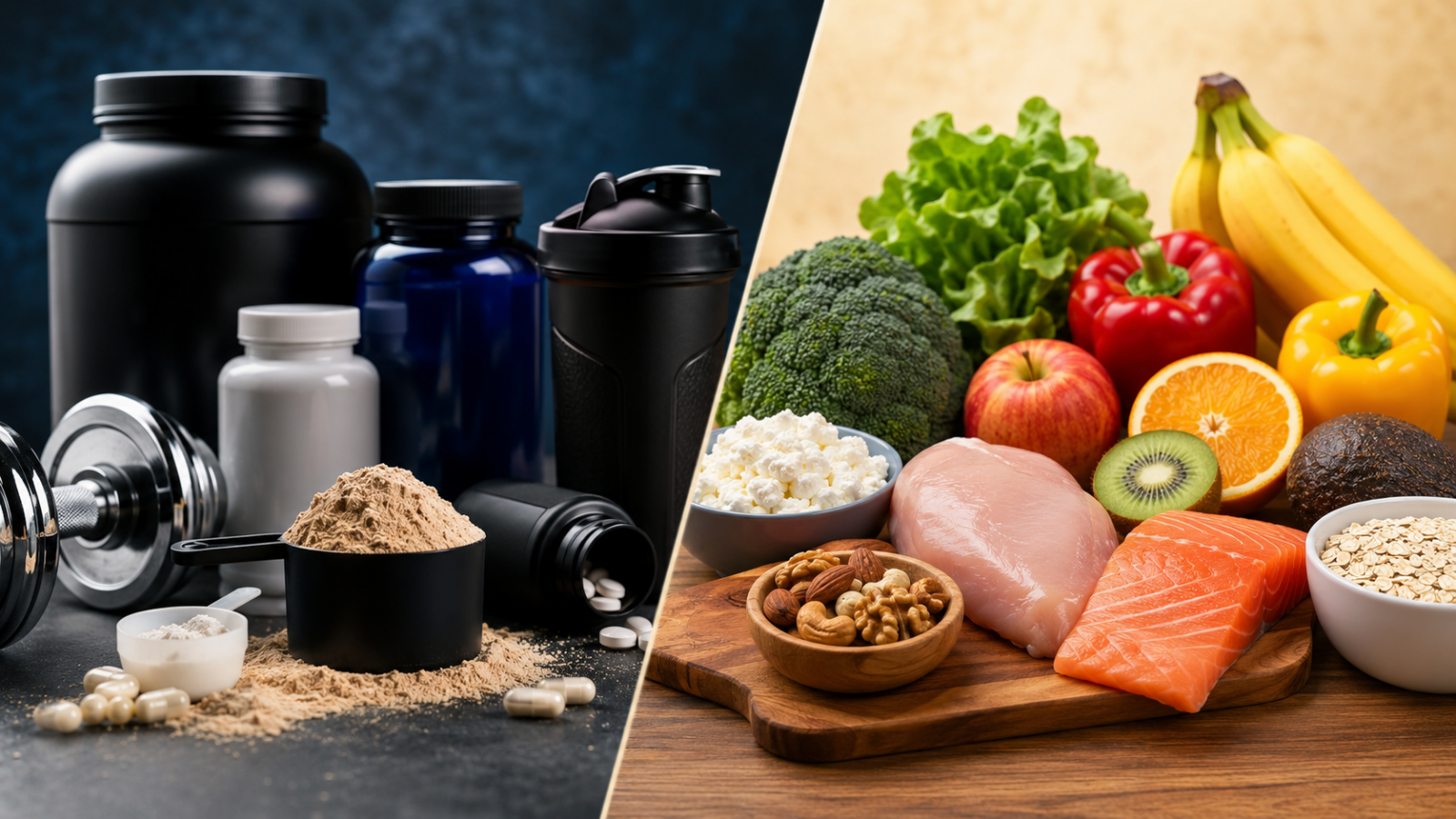
One of the most pervasive myths in sports nutrition is the notion that supplements can serve as a substitute for a well-rounded diet. According to Vishnu Menon, this misunderstanding fundamentally misinterprets the purpose of these products. "Supplements are designed to do precisely what their name suggests – supplement a healthy diet, not replace it," Menon emphasizes.
He elaborates that neither protein powders, pre-workout formulas, nor multivitamins can compensate for the detrimental effects of poor nutrition, insufficient sleep, or an inconsistent workout routine. Instead, their intended role is to "help fill nutritional gaps and support specific fitness goals." This means that if your daily intake of essential nutrients is lacking, or if your sleep patterns are erratic, a supplement, however potent, will struggle to bridge the deficit effectively.
Medical literature unequivocally supports this perspective. Scientific research consistently demonstrates that supplements yield their optimal benefits when integrated into a lifestyle characterized by a balanced diet, regular physical activity, adequate sleep, and proper hydration. They are best viewed as valuable supporting tools, enhancing the efficacy of healthy habits, rather than as standalone solutions or shortcuts to well-being. The body’s fundamental requirement for nutrients derived from whole foods remains paramount.
The Protein Paradox: More Isn’t Always More Muscle
Another widely held belief is that consuming excessive amounts of protein directly translates to disproportionately larger muscle gains. While protein is undeniably a cornerstone of muscle repair and growth, the reality is more nuanced. "One definitely requires protein so that muscles could recover and rebuild themselves after the workout session, but the intake of lots of it does not necessarily mean the massive gains," Menon clarifies.
He explains that the human body possesses a finite capacity for protein absorption and utilization for muscle synthesis. Consuming beyond this physiological limit does not amplify muscle-building processes; rather, the excess protein is likely to be metabolized for energy or stored as fat. Therefore, meeting one’s daily protein requirement is significantly more impactful than simply ingesting as much as possible.
Vandana Rajput, a Consultant in Dietetics at Kailash Hospital & Neuro Institute, corroborates this view. "Protein plays a vital role in muscle repair, recovery, and athletic performance, but more is not always better," she states. Rajput further elaborates that individual protein needs are not static; they are dynamic and vary based on a multitude of factors, including age, body weight, activity level, and specific training objectives. A strategic and consistent intake of protein spread throughout the day, tailored to these individual requirements, is far more beneficial than sporadic, excessive consumption. This approach ensures a steady supply of amino acids, the building blocks of muscle tissue, available when the body needs them most.
Creatine’s Clean Bill of Health: Dispelling Kidney Concerns
The notion that creatine is detrimental to kidney health is a long-standing myth that has persisted in fitness circles. Menon dismisses this as "possibly the oldest sports nutrition myth of all," citing decades of robust scientific research. "Decades of scientific research have shown that creatine is possibly the safest and most studied sports supplements for healthy individuals," he asserts.
According to Menon, when consumed within recommended dosages, creatine has not been scientifically linked to kidney damage in healthy individuals. In fact, research suggests it may offer benefits such as enhanced strength, power output, and improved recovery times.
Dr. Aseem Thamba, a Consultant Nephrologist and Kidney Transplant Physician at Zen Multi-speciality Hospital, Chembur, confirms the accuracy of this statement for healthy individuals. "This statement is accurate for healthy individuals," he states. However, Dr. Thamba adds a crucial caveat: "people with existing kidney disease or reduced kidney function should always consult their doctor before taking creatine or any other supplement." This underscores the importance of personalized medical advice, especially for individuals with pre-existing health conditions. The scientific consensus is that for the general population without kidney issues, creatine is a safe and effective supplement when used appropriately.
Beyond the Jitters: Understanding Pre-Workout Supplements
A common oversimplification of pre-workout supplements is the belief that they are merely a cocktail of caffeine. While caffeine is a frequently included ingredient for its stimulant properties, a well-formulated pre-workout often contains a synergistic blend of other compounds designed to enhance various aspects of exercise performance.

Menon explains that a sophisticated pre-workout formula may incorporate ingredients such as citrulline, beta-alanine, electrolytes, tyrosine, and taurine. These components are strategically included to support endurance, promote hydration, improve blood flow, sharpen focus, and contribute to overall workout efficacy. A high-quality pre-workout, he notes, should elevate training quality without inducing excessive jitters or a subsequent energy crash.
However, it’s important to recognize that supplements are not the sole avenue for pre-workout nutritional support. Rajput highlights the significance of a well-timed pre-workout meal or snack that provides sustained energy without an over-reliance on stimulants. She suggests a variety of nutrient-dense options, including:
- Fruit with a handful of nuts: Offering a combination of natural sugars for quick energy and healthy fats for sustained release.
- Fruit smoothies with mixed seeds: A blend of vitamins, minerals, and antioxidants.
- A banana with peanut butter: Providing carbohydrates for energy and protein/fats for satiety.
- Greek yogurt with fruit: A good source of protein and easily digestible carbohydrates.
- Oats with milk: A complex carbohydrate source that releases energy gradually.
- Whole-grain toast with nut butter: Similar to the banana option, offering sustained energy and protein.
- A yogurt-and-fruit smoothie: Combining the benefits of yogurt and fruit for a balanced energy source.
"These foods provide a balanced combination of carbohydrates and protein to support energy levels, endurance, and post-workout recovery," Rajput concludes. This emphasizes that mindful food choices can be just as effective, if not more so, than relying solely on manufactured supplements.
The "Natural" Fallacy: Safety is Not Guaranteed
The marketing of "natural" products often imbues them with an inherent sense of safety and wholesomeness. However, Menon cautions that this perception is not always accurate. "The word ‘natural’ often creates the impression that a product is automatically safe, but Menon says that isn’t always true," he states.
The safety and efficacy of any ingredient, whether derived from nature or a laboratory, are contingent upon several factors: the ingredient itself, the quantity consumed, the method of use, and the supporting scientific evidence. Simply being "natural" does not confer an automatic guarantee of safety. Menon advises consumers to prioritize transparency from brands regarding their ingredients and testing protocols over unsubstantiated marketing claims.
Rajput echoes this sentiment, emphasizing that "the term ‘natural’ should not be considered a guarantee of safety or effectiveness." While many natural foods and ingredients are undoubtedly beneficial, some natural supplements may not be suitable for everyone, and their quality and composition can vary significantly. Choosing products from reputable manufacturers and consulting a qualified healthcare professional before incorporating any supplement into one’s routine, particularly for individuals with underlying medical conditions or those taking regular medications, remains paramount. The complexity of biological interactions means that even naturally occurring substances can have potent effects.

The Spectrum of Quality: Not All Supplements Are Created Equal
A visual inspection of supplements on the shelf can be deceiving, as two products that appear nearly identical may possess vastly different qualities. Menon highlights that factors such as the quality of ingredients, the precise dosage, the sourcing of raw materials, and the rigor of product testing can vary immensely between brands. Consumers are urged to look beyond attractive packaging and delve into the ingredient labels to make informed choices.
Nutritionists concur, stressing that a superior supplement is characterized by evidence-based ingredients administered in appropriate amounts. Rather than being swayed by packaging or advertising, consumers should prioritize scientific validity, quality assurance, and their own specific physiological needs. The manufacturing processes, purification methods, and bioavailability of ingredients can significantly influence a supplement’s effectiveness and safety profile. Therefore, diligent research and an understanding of what constitutes a reputable product are essential.
Conclusion: Informed Choices for Sustainable Fitness
As both Vishnu Menon and the consulted medical experts consistently reiterate, supplements are not miraculous solutions or shortcuts to achieving fitness goals. They function most effectively when integrated into a holistic approach that includes a balanced diet, a structured training regimen, adequate rest, and unwavering consistency. Making informed, science-backed decisions, rather than succumbing to the allure of social media myths and unsubstantiated claims, is the most prudent strategy for supporting long-term health and optimizing performance.
The landscape of sports nutrition is constantly evolving, and with it, the proliferation of information. By prioritizing critical thinking, consulting credible sources, and seeking professional guidance, individuals can navigate this complex terrain with confidence, ensuring that their pursuit of fitness is both effective and safe.
DISCLAIMER: This article is based on information from the public domain and expert interviews. It is crucial to consult with a qualified health practitioner before initiating any new dietary or supplement regimen.
