

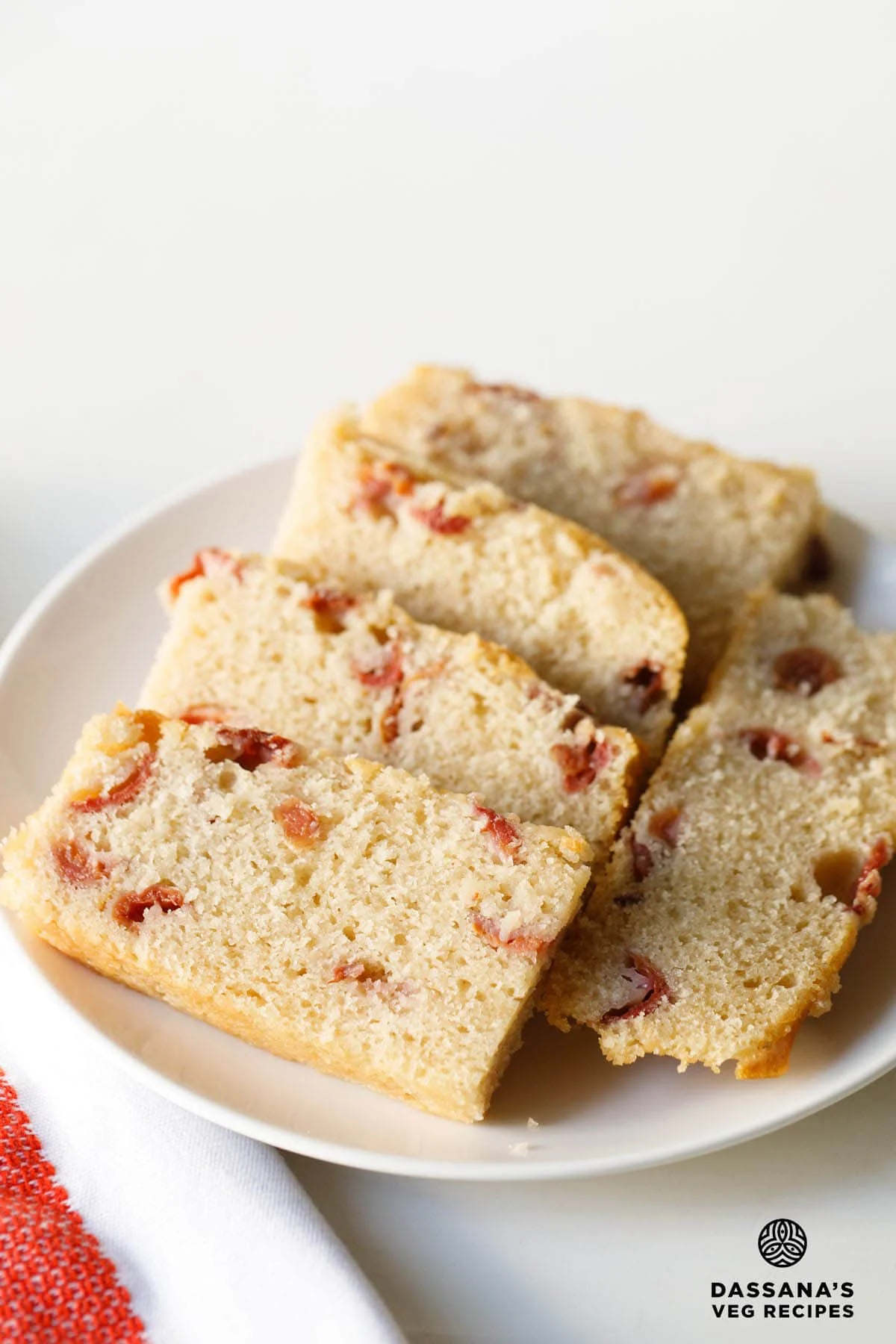
MUMBAI – In the evolving landscape of contemporary gastronomy, the intersection of seasonal produce and dietary inclusivity has birthed a new era of home baking. At the forefront of this movement is a sophisticated yet accessible staple: the Fresh Cherry Cake. Far from the dense, overly sweetened fruitcakes of the past, the modern cherry cake—specifically the egg-free variant—represents a delicate balance of chemistry, agriculture, and culinary tradition.

As cherry season reaches its zenith, bakers are turning away from preserved and canned alternatives, opting instead for the vibrant, tart, and structurally complex profile of fresh drupes. This report explores the rise of the fresh cherry cake, the meticulous methodology required to achieve a professional-grade crumb without eggs, and the broader implications of this trend on the global "tea-time" culture.

Main Facts: The Anatomy of a Seasonal Masterpiece
The Fresh Cherry Cake is characterized by its soft, moist texture and its reliance on the natural moisture and acidity of fresh fruit. Unlike traditional recipes that utilize eggs as a primary binding and leavening agent, the modern egg-free version employs a sophisticated interplay of dairy (or plant-based) milk, acid (vinegar or lemon juice), and oil.

Key Characteristics of the Contemporary Recipe:
- Ingredient Integrity: The recipe prioritizes fresh cherries—whether local Indian varieties or imported sweet cherries—over maraschino or glacé alternatives.
- Structural Innovation: The use of cornstarch (cornflour) in conjunction with all-purpose flour (maida) is a strategic choice to lower the protein content, resulting in a more tender, "melt-in-the-mouth" crumb.
- Moisture Management: By utilizing oil instead of butter, the cake maintains a superior moisture profile that remains stable even when refrigerated, a common challenge for butter-based sponges.
- The "Anti-Sink" Protocol: A critical technical step involves coating the fruit in flour before incorporation, a method designed to counteract the density of the fruit relative to the batter.
Chronology: The Lifecycle of a Bake
The creation of a Fresh Cherry Cake is a time-sensitive process that requires precision from the moment the fruit is harvested to the final cooling phase on a wire rack.

Phase I: Fruit Preparation and Pitting (0–20 Minutes)
The process begins with 200 grams of fresh cherries. The chronology of preparation is vital: cherries must be rinsed, dried, and pitted immediately before the batter is mixed to prevent excessive juice leakage. In the absence of specialized equipment, experts recommend the "avocado-style" method—slicing around the seed and twisting—to maintain the structural integrity of the cherry halves.

Phase II: The Chemical Activation (20–30 Minutes)
While the oven preheats to a precise 180°C (356°F), the "buttermilk" mixture is prepared. This involves combining ¾ cup of milk with 1 tablespoon of apple cider vinegar or lemon juice. A mandatory 10-minute rest period allows the acid to denature the milk proteins, creating a curdled texture that will later react with the baking powder to provide the necessary lift in the absence of eggs.

Phase III: The Integration (30–45 Minutes)
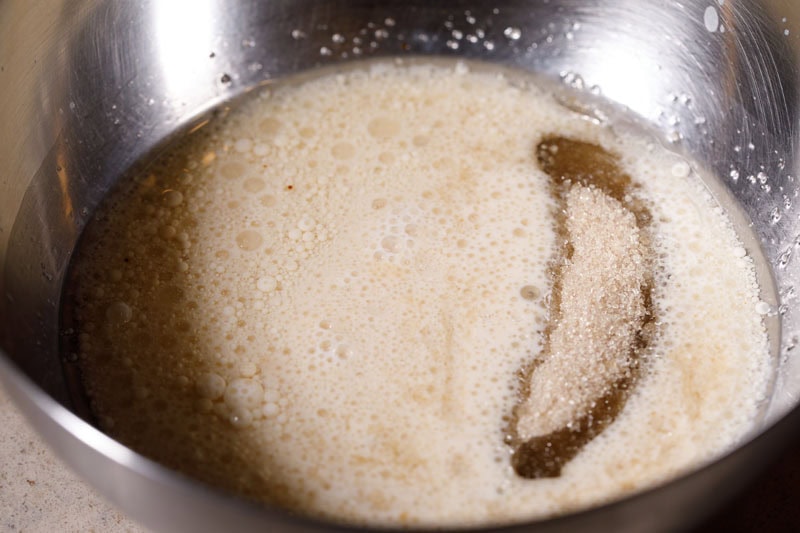
Dry ingredients—flour, cornstarch, salt, and baking powder—are sifted multiple times to ensure aeration. The wet emulsion is then created by whisking oil, sugar, and vanilla into the buttermilk. The integration of dry and wet components must be handled with "minimalist" whisking to avoid gluten over-development, which would result in a tough, bread-like texture.

Phase IV: Thermal Transformation (45–100 Minutes)
The batter is transferred to a 7-inch pan—chosen for height—and topped with a final layer of cherries for aesthetic appeal. The cake undergoes a 50-to-55-minute baking cycle. This is the most critical stage, where the cherries release their sugars, caramelizing slightly while the batter sets around them.

Supporting Data: The Science of the Crumb
To understand the success of this specific cherry cake formulation, one must look at the nutritional and chemical data provided by culinary experts.

Nutritional Breakdown (Per Serving):
- Calories: 262 kcal
- Carbohydrates: 44g (primarily from complex starches and fruit sugars)
- Fat: 8g (with a focus on monounsaturated fats from the oil base)
- Micronutrients: The inclusion of fresh cherries provides a boost in Vitamin A (53 IU), Vitamin C (2mg), and essential minerals like Potassium (173mg) and Magnesium (11mg).
The Physics of the Pan:
Data suggests that pan size significantly alters the final product’s "crumb-to-fruit" ratio. A 7-inch round pan provides the optimal vertical lift for a tea cake, whereas an 8-inch pan increases the surface area, leading to a flatter profile and a faster evaporation of moisture, which can risk dryness if the baking time is not adjusted.

The Role of Cornstarch:
In eggless baking, the protein structure is often fragile. By replacing a portion of the flour with cornstarch, the baker effectively "dilutes" the gluten. This results in a cake that is soft enough to be served as a dessert but sturdy enough to be sliced cleanly for tea service.

Expert Perspectives and "Best Practices"
Dassana, a renowned authority on vegetarian and eggless baking, emphasizes that the "secret" to a successful cherry cake lies not in the complexity of the ingredients, but in the nuances of the technique.
On Sugar Regulation: "The sweetness must be a sliding scale," experts suggest. If the seasonal cherries are exceptionally sweet (such as Bing or Rainier varieties), the added sugar should be reduced to 125 grams to allow the natural acidity of the fruit to shine. Conversely, more tart local varieties require the full 150-gram measure.

On the "Flour-Coating" Fallacy: Some novice bakers skip the step of dusting fruit in flour. Experts warn that this is a structural error. Fresh cherries are heavy; without the friction provided by a light flour coating, gravity will pull the fruit to the bottom of the pan, creating a soggy base and an uneven sponge.

The Post-Bake "Gloss" Hack: A professional tip for enhancing the visual appeal of the cake involves a simple sugar syrup. Brushing the warm cake with a 1:1 ratio of sugar and water softens any visible flour residue on the surface cherries and provides a patisserie-style sheen.

Implications: The Future of the "Tea-Time" Tradition
The rise of the Fresh Cherry Cake is indicative of three major shifts in the culinary world:

1. The Normalization of Egg-Free Gastronomy
Once relegated to niche dietary requirements, egg-free baking is now a mainstream preference. The success of this cherry cake proves that eggs are not a prerequisite for high-quality pastry. This has massive implications for the hospitality industry, particularly in regions like India and parts of Europe where vegetarianism and egg-free diets are culturally or ethically significant.

2. The "Fresh is Best" Movement
There is a growing consumer backlash against the "artificiality" of traditional fruitcakes that use preserved cherries. The move toward fresh, seasonal fruit reflects a broader desire for "clean label" ingredients and a deeper connection to the agricultural calendar. This shift encourages local farming and reduces the carbon footprint associated with processed fruit products.

3. The Evolution of the Social Ritual
The "Tea Cake" is undergoing a rebranding. No longer just a dry accompaniment to a beverage, cakes like the Fresh Cherry Cake are bridging the gap between casual snacks and formal desserts. When paired with vanilla ice cream or lightly whipped cream, the cherry cake elevates the humble afternoon tea into a sophisticated gastronomic event.

4. Storage and Longevity in Tropical Climates
The choice of oil over butter has practical implications for storage. In warmer climates, butter-based cakes can become hard when refrigerated. The oil-based cherry cake remains soft at lower temperatures, making it a more viable option for modern households that rely on refrigeration for food safety.

Conclusion
The Fresh Cherry Cake is more than a seasonal recipe; it is a testament to the sophistication of modern home baking. By combining the rustic charm of fresh fruit with the precise chemistry of eggless leavening, it offers a blueprint for the future of inclusive, sustainable, and delicious pastry. As the cherry season continues, this humble cake remains a poignant reminder that the best flavors are often those that are simplest, freshest, and most thoughtfully prepared.

Recipe Summary for the Home Baker:
- Oven: 180°C / 356°F
- Time: 50–55 Minutes
- Key Tip: Don’t overmix the batter; let the "buttermilk" do the heavy lifting.
- Serving: Best enjoyed at room temperature with a cup of ginger tea or a scoop of artisanal vanilla bean ice cream.
