

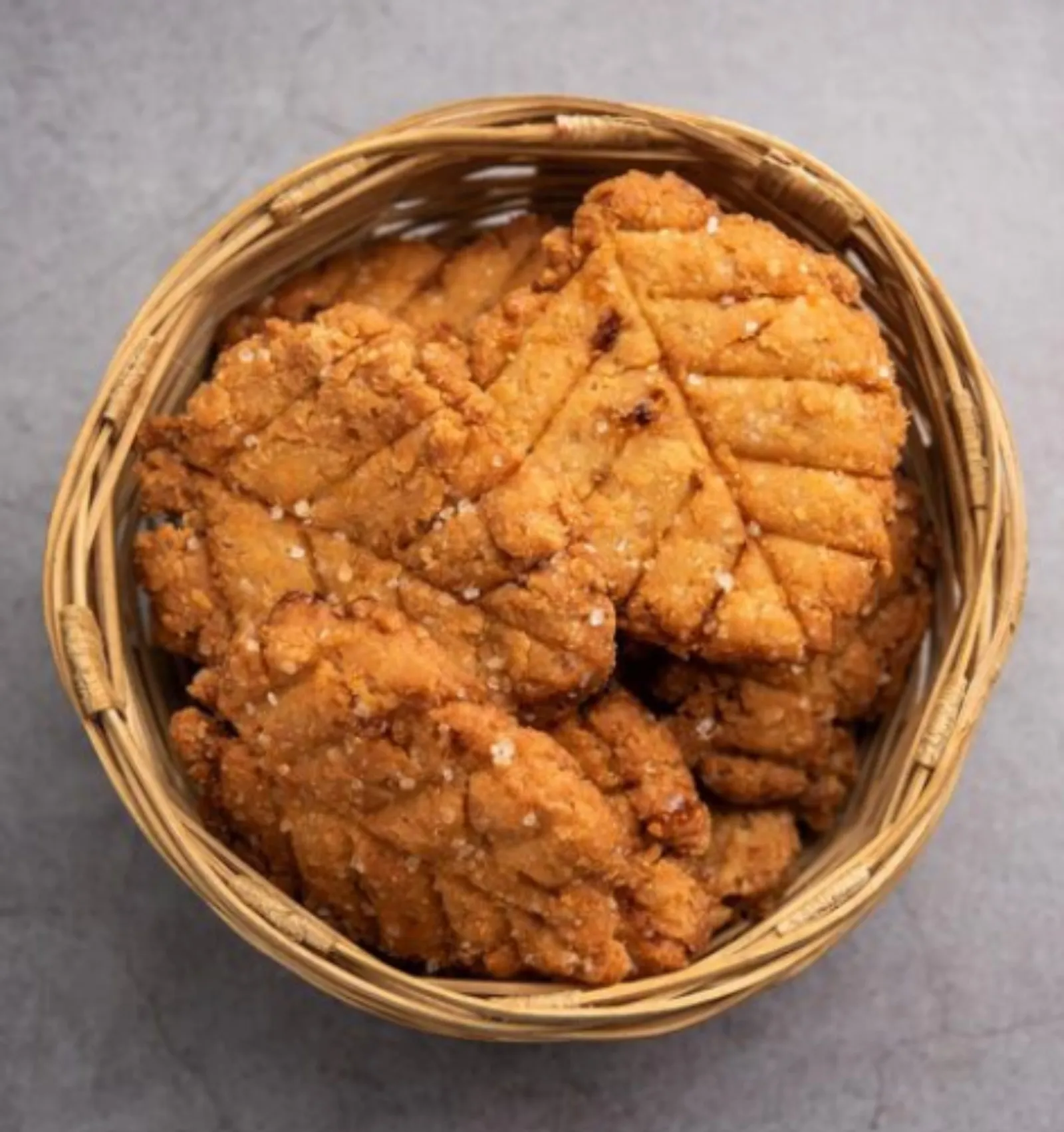
New Delhi / Bratislava – In the sophisticated world of international relations, where communiqués are often drafted in sterile rooms and alliances are forged through complex treaties, a rustic, deep-fried biscuit from the heart of rural India has emerged as an unlikely ambassador of goodwill. Richard Raši, the Chairman of the Slovak National Council, recently ignited social media interest by sharing a personal video of himself tasting thekua, a traditional sweet from the Indian state of Bihar.
The sweet was presented to him by Indian Prime Minister Narendra Modi during his high-profile visit to Slovakia earlier this year. This exchange, while seemingly simple, underscores a growing trend in global politics: "Gastrodiplomacy." By using the universal language of food, India is not only promoting its diverse regional cultures but also finding common ground with European nations through shared culinary sensibilities.
Main Facts: A Sweet Exchange of Heritage
The viral moment began when Richard Raši took to X (formerly Twitter) to post a video reflecting on his meeting with Prime Minister Modi. In the video, Raši is seen sampling the thekua, a hard, golden-brown snack made primarily of whole wheat flour, jaggery (unrefined cane sugar), and ghee (clarified butter).
Raši described the gesture as "one of the thoughtful, personal touches of diplomacy," noting a surprising culinary parallel. He remarked that the thekua felt "somewhat similar to the traditional Slovak cookies that their mothers and grandmothers used to make." This observation highlighted a cross-cultural resonance, suggesting that despite the thousands of miles separating the Ganges plains from the Carpathian Mountains, the comfort of home-baked, wheat-based treats remains a universal human experience.
In a reciprocal gesture of cultural pride, Raši presented PM Modi with traditional Slovak spa wafers, known locally as kúpeľné oblátky. These wafers, a staple of Slovak spa towns, were specially inscribed in Hindi, further cementing the personal nature of the diplomatic exchange.
Chronology of the Interaction
The journey of the thekua from a traditional Bihari kitchen to the halls of power in Bratislava followed a strategic diplomatic timeline:
- The State Visit (Early 2026): Prime Minister Narendra Modi conducted an official visit to Slovakia to discuss trade, defense, and energy cooperation. As part of his "gift diplomacy," which often features products with Geographical Indication (GI) tags or deep regional roots, he carried batches of thekua.
- The Presentation: During a bilateral meeting with Richard Raši, the PM handed over the sweet, explaining its significance to the Chhath Puja festival and its reputation as a "traveler’s snack" due to its durability.
- The Slovak Response: Raši, touched by the personal nature of the gift, curated a return gift of Slovak spa wafers, ensuring they were personalized with Hindi script to honor the Prime Minister’s native language.
- The Digital Ripple (July 14–16, 2026): Raši shared his tasting experience online. Within 48 hours, the post garnered thousands of impressions, with Indian citizens praising the recognition of Bihari culture and Slovaks expressing curiosity about the Indian "cookie."
Supporting Data: The Science and Tradition of Thekua
To the uninitiated, thekua might appear to be a simple biscuit. However, its composition is a masterclass in traditional food preservation and nutrition.
The Cultural Anchor: Chhath Puja
Thekua is the primary Prasad (offering) for Chhath Puja, an ancient Vedic festival dedicated to the Sun God (Surya) and the Mother Goddess (Chhathi Maiya). The festival, celebrated with immense fervor in Bihar, Jharkhand, and parts of Uttar Pradesh, involves rigorous fasting and rituals performed at riverbanks. The sweet is considered "pure" because it traditionally avoids refined flour (maida) and processed sugar, opting instead for whole grains and jaggery.
Nutritional Profile
According to Dt. Amreen Sheikh, Chief Dietician at KIMS Hospitals, Thane, the thekua holds a unique position in the hierarchy of festive sweets. Unlike many Indian desserts that are soaked in heavy sugar syrups (like gulab jamun or rasgulla), thekua is a dry, nutrient-dense snack.
"The use of whole wheat contributes dietary fiber, which is essential for digestive health," Sheikh explains. "Furthermore, when prepared with jaggery rather than white sugar, it provides trace amounts of iron and essential minerals like magnesium and potassium."
While Sheikh notes that it is still a high-energy food due to the ghee and should be consumed in moderation, she classifies it as a "healthier alternative" to modern processed snacks. The inclusion of fennel seeds (saunf) and cardamom not only adds flavor but also aids in digestion, a thoughtful addition to a calorie-rich treat.
The Mystery of the Shelf Life
One of the most remarkable aspects of thekua is its ability to remain fresh for three to four weeks without any chemical preservatives or refrigeration. This makes it an ideal diplomatic gift for international travel.
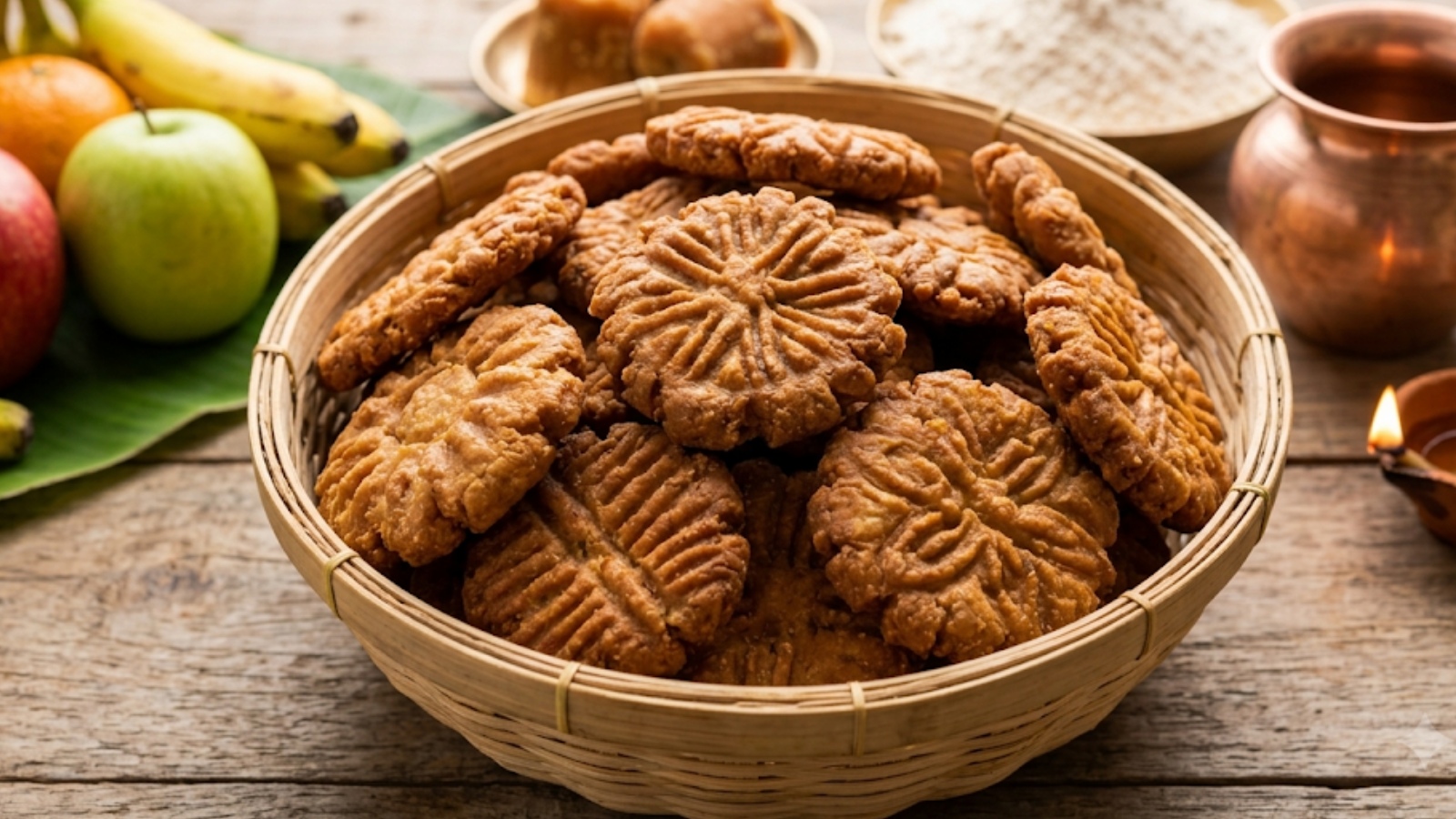
The secret lies in "Water Activity" ($a_w$). Dt. Sheikh explains: "Thekua stays fresh because it contains very little moisture. The dough is stiff, and the deep-frying process removes almost all residual water. Without water, bacteria, yeast, and mold cannot find a hospitable environment to grow."
Additionally, the ghee used in the dough acts as a natural barrier against oxidation, while the high concentration of sugar/jaggery binds the remaining moisture, making it unavailable for microbial spoilage. This "rustic engineering" allows the sweet to survive long journeys—from the villages of Bihar to the dining tables of Europe—without losing its crunch or flavor.
Official Responses: Strengthening Ties Through Taste
The Slovak leadership has viewed this exchange as more than just a polite interaction. Richard Raši’s office emphasized that such moments "create a friendlier atmosphere and often make formal discussions easier."
From the Indian side, the Ministry of External Affairs (MEA) has increasingly utilized regional delicacies to project India’s "Soft Power." By moving away from generic national symbols and focusing on specific regional identities—like Bihar’s thekua, Himachal’s chamba rumal, or Gujarat’s khadi—the government is showcasing the "Unity in Diversity" that defines the Indian state.
Diplomatic observers note that Raši’s comparison of thekua to Slovak grandmother’s cookies is a significant win for gastrodiplomacy. It moves the conversation from "foreign and exotic" to "familiar and relatable," breaking down psychological barriers between the two cultures.
Implications: The Future of Cultural Diplomacy
The "Thekua Diplomacy" incident carries several long-term implications for Indo-European relations and the global perception of Indian regional cultures.
1. Globalizing Regional Identities
For decades, Indian culture abroad was often synonymous with Punjabi cuisine or South Indian staples. The rise of thekua on the international stage signals a shift. It brings the specific heritage of Bihar—a state often overlooked in global cultural narratives—into the spotlight. This could lead to increased interest in the region’s tourism, particularly the Buddhist circuit and the Chhath festival.
2. The Rise of "Healthy" Traditionalism
As the global North becomes increasingly health-conscious, the "clean label" nature of thekua (minimal ingredients, no preservatives, whole grains) positions it well for the international market. There is a burgeoning opportunity for Indian MSMEs (Micro, Small, and Medium Enterprises) to export traditional snacks as "ancient grain cookies" to health-conscious consumers in the West.
3. Enhancing Bilateral "Soft Power"
The exchange between Raši and Modi serves as a template for future engagements. By presenting Slovak spa wafers inscribed in Hindi, Raši demonstrated a high level of cultural intelligence. This mutual respect for language and tradition builds a foundation of trust that can translate into smoother negotiations in harder sectors like trade tariffs or migration pacts.
4. Modernizing the Tradition
As suggested by nutritionists, the thekua is also evolving. While the version gifted to Raši was the traditional deep-fried variety, there is growing interest in baked or air-fried versions. Dt. Amreen Sheikh suggests that "incorporating seeds like flax or sesame can further enhance the nutrient profile," suggesting a path where traditional snacks can be adapted to modern dietary requirements without losing their soul.
Conclusion
The story of a Slovak leader enjoying a Bihari sweet is a testament to the enduring power of cultural exchange. In an era of digital disconnect and geopolitical tension, the thekua serves as a reminder that the simplest gestures—a shared snack, a nod to a grandmother’s recipe, a handwritten note in a foreign tongue—can be the most effective tools in a diplomat’s arsenal.
As Richard Raši concluded in his post, "Diplomacy is also about the small gestures that bring people closer." Whether it is a Slovak wafer or a Bihari thekua, the message is clear: the way to a nation’s heart may very well be through its palate.
