

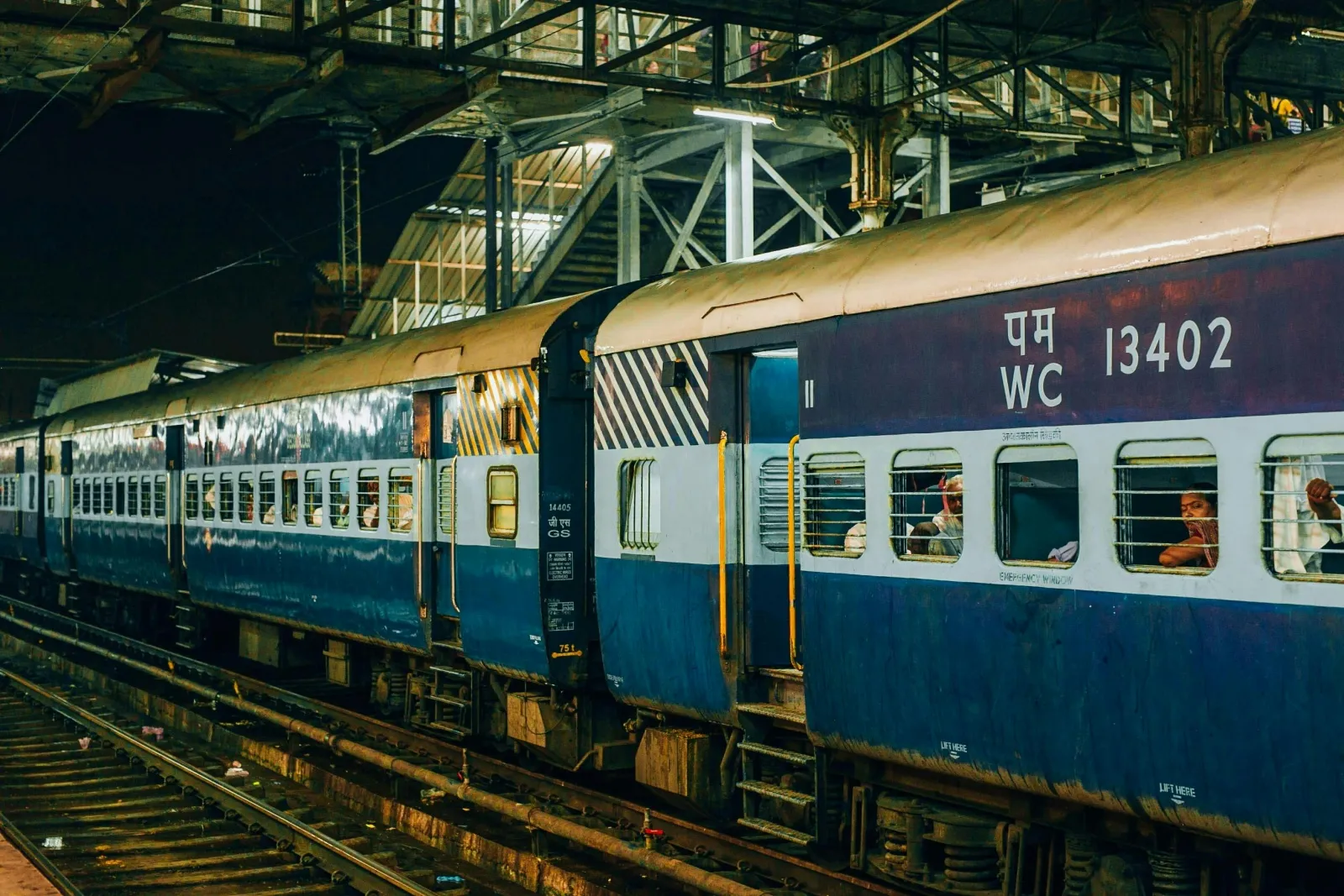
In the tapestry of Indian culture, few experiences are as evocative as a long-distance train journey. The rhythmic clatter of wheels against tracks, the shifting landscapes outside the window, and the communal atmosphere of shared berths create memories that last a lifetime. However, for the millions of Indians living with diabetes, these journeys present a significant challenge. The unpredictability of railway schedules, the limited availability of healthy food options at stations, and the sedentary nature of travel can turn a pleasant trip into a metabolic crisis.
As India continues to grapple with its status as the "diabetes capital of the world," with over 101 million people living with the condition according to the Indian Council of Medical Research (ICMR), the need for specialized travel advice has never been more critical. This report examines the nutritional strategies recommended by experts to maintain glycemic control while on the move, focusing on the insights provided by Senior Clinical Nutritionist Aditi Prasad Apte from Aster RV Hospital, Bengaluru.
Main Facts: The Intersection of Travel and Glycemic Control
The primary challenge for a diabetic passenger is the disruption of routine. Diabetes management relies heavily on the "triad of control": medication, diet, and physical activity. On a train, all three are compromised.
The Nutritional Challenge
Train food in India, whether provided by on-board catering or platform vendors, is traditionally high in refined carbohydrates, saturated fats, and sodium. Common staples such as biryani, vada pav, and white-bread sandwiches possess a high Glycemic Index (GI), leading to rapid spikes in blood glucose. Furthermore, the lack of fiber in these meals means that sugar is absorbed into the bloodstream almost instantly, leaving the passenger with a "sugar crash" shortly after.
The Expert’s Perspective
Aditi Prasad Apte emphasizes that the key to a successful journey lies in preparation. "Carrying your own snacks prevents long gaps between meals, which can cause drops or later spikes in sugar levels," she notes. The strategy focuses on Low-GI foods—those that are digested and absorbed slowly, causing a slower and lower rise in blood sugar levels.
Chronology: The Lifecycle of a Long-Distance Journey
To understand the metabolic impact of travel, one must look at the timeline of a typical 24-to-48-hour rail journey.
Phase 1: Departure and the "Home-Cooked" Trap
The journey often begins with a meal packed from home. While aloo parathas or pulao are comforting, they are often heavy in starches. If a passenger consumes these right at the start of a sedentary 12-hour stretch, blood sugar levels begin the journey at an elevated state.
Phase 2: The Mid-Journey Hunger Pangs
As the hours pass, the lack of activity combined with the boredom of travel often leads to "psychological hunger." This is when passengers are most vulnerable to the calls of "Chai-Garam" and "Samosa" from corridor vendors. This phase is critical; it is where the most significant glucose fluctuations occur due to the consumption of sugary tea and deep-fried snacks.
Phase 3: The Late-Night Arrival or Delay
Train delays are a common feature of long-distance travel. For a diabetic on a strict medication or insulin schedule, a three-hour delay in dinner can lead to hypoglycemia (low blood sugar), a dangerous condition that can cause dizziness, confusion, and fainting. Having a pre-planned snack becomes a medical necessity rather than a culinary preference during this phase.
Supporting Data: The Science of Travel-Friendly Superfoods
Nutritionists recommend four primary categories of food that are not only diabetic-friendly but also shelf-stable and easy to carry.
1. Unsweetened Nuts (Almonds and Walnuts)
Nuts are a powerhouse of nutrition for the traveler. They are rich in monounsaturated fats (MUFAs) and protein.
- The Data: Research indicates that almonds can improve insulin sensitivity in people with prediabetes. Their high fiber content provides a sense of satiety (fullness), which prevents the urge to snack on unhealthy station food.
- Portability: They do not require refrigeration and occupy minimal space in carry-on luggage.
2. Roasted Chana (Bengal Gram) and Peanuts
Legumes are a staple of the Indian diet, but their roasted form is particularly beneficial for travelers.
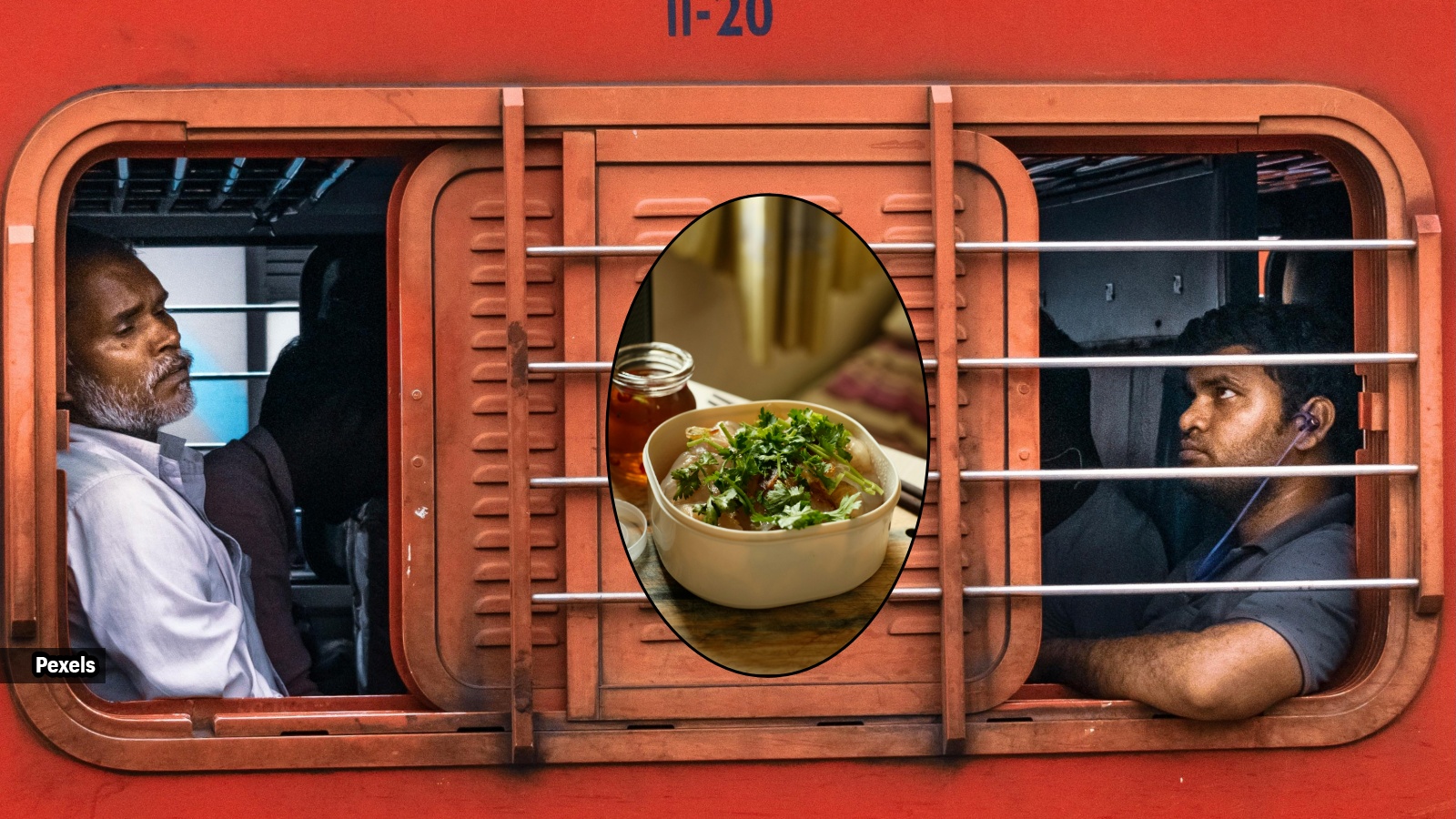
- The Data: Roasted chana has an exceptionally low Glycemic Index (around 28-30). It is high in protein and complex carbohydrates.
- The Benefit: Unlike crackers or chips, chana requires significant chewing, which sends signals to the brain that the body is being fed, helping to regulate appetite over long periods.
3. Whole-Grain Crackers and Multigrain Khakra
Khakra, a traditional thin cracker from Gujarat, has emerged as a favorite among health-conscious travelers.
- The Data: When made with whole grains like nachni (ragi), bajra, or jowar, these snacks provide sustained energy.
- The Benefit: They offer the "crunch" factor that many travelers crave without the refined flour (maida) found in commercial biscuits.
4. Low-Sugar, High-Fiber Fruits
While all fruits contain natural sugars, their impact on blood glucose varies based on fiber content.
- Recommended: Apples, pears, and oranges. These fruits have tough skins or fibrous membranes that slow down the digestion of fructose.
- To Avoid: Overripe bananas, mangoes, and grapes, which have a much higher glycemic load and can cause immediate spikes.
Official Responses and Expert Recommendations
Senior Clinical Nutritionist Aditi Prasad Apte provides a roadmap for "Smart Eating" that goes beyond just the ingredients. Her recommendations form a protocol for diabetic safety on the rails.
The Hydration Mandate
"Sip water through the day to prevent dehydration, which can elevate blood sugar," Apte advises. Dehydration causes the blood to become more concentrated, effectively increasing the glucose concentration. She warns against the "liquid sugar" trap—juices, soft drinks, and even the ubiquitous sweetened railway tea. Instead, she suggests carrying sugar-free ORS or lemon water (without sugar) to maintain electrolyte balance.
The "Off-Limits" List
The nutritionist is categorical about what should be avoided. The list includes:
- Deep-Fried Goods: Pakoras, samosas, and cutlets. These are often fried in re-heated vegetable oils, which contain trans fats that exacerbate inflammation.
- Refined Carbs: White bread sandwiches and biryanis made with polished rice.
- Packaged Namkeens: These are high in sodium, which can lead to water retention and increased blood pressure, a common co-morbidity with diabetes.
Medical Preparedness
Apte stresses that food is only half the battle. Every diabetic traveler should carry a "Safety Kit" consisting of:
- A functional glucometer with extra strips.
- All prescribed medications and insulin (kept in a cool bag if necessary).
- A "fast-acting" sugar source (like glucose tablets or a small piece of candy) strictly for emergencies involving hypoglycemia.
Implications: The Future of Health and Travel
The challenges faced by diabetic passengers highlight a broader systemic issue in the Indian transport sector. As the nation’s health profile shifts toward chronic lifestyle diseases, the infrastructure must follow suit.
The Role of the IRCTC
There is a growing demand for the Indian Railway Catering and Tourism Corporation (IRCTC) to integrate "Diabetic Friendly" meal options into their standard menus. While some premium trains like the Rajdhani and Shatabdi have begun offering healthier alternatives, the vast majority of the mail and express network remains a nutritional desert for those with dietary restrictions.
Economic and Health Impacts
Poor management of diabetes during travel doesn’t just affect the individual; it has broader implications. Medical emergencies on trains cause unscheduled stops and delays, impacting thousands of passengers. Long-term, the complications arising from frequent glucose fluctuations—such as cardiovascular issues or kidney stress—add to the national healthcare burden.
Conclusion: Empowerment Through Preparation
For the diabetic traveler, the message from experts like Aditi Prasad Apte is one of empowerment. Diabetes should not be a barrier to experiencing the joys of the Indian Railways. By shifting the focus from "convenience food" to "functional food," and by maintaining a rigorous schedule of hydration and monitoring, passengers can ensure that their journey is defined by the sights they see, rather than the spikes in their blood sugar.
As the proverb goes, "Forewarned is forearmed." In the context of the Indian Railways, being "fore-packed" with roasted chana and walnuts may be the most important part of the itinerary.
DISCLAIMER: This article is intended for informational purposes only and is based on expert nutritional advice and public health data. Diabetes is a complex condition that varies by individual. Always consult your primary care physician or an endocrinologist before making significant changes to your travel diet or medication routine.
