

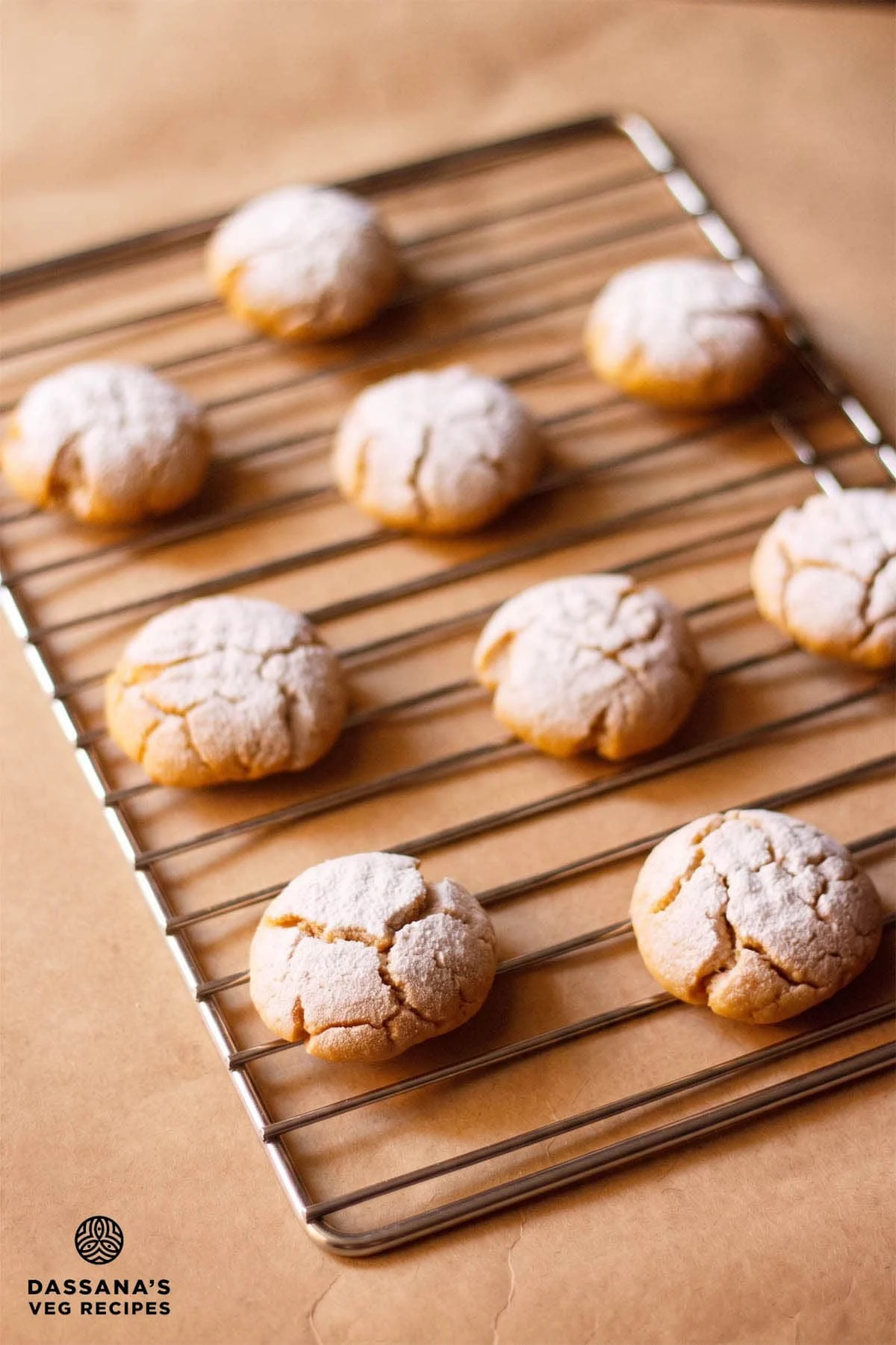
In the evolving landscape of global confectionery, the intersection of traditional flavors and health-conscious ingredients has sparked a culinary renaissance. Leading this movement is a specialized approach to home-baked goods that prioritizes whole grains, plant-based fats, and natural citrus infusions. The "Orange Cookie"—or as it is known across the Indian subcontinent, the "Orange Biscuit"—represents a significant shift from the sugar-laden, refined-flour products that have long dominated bakery shelves.
This article explores the intricate methodology, nutritional profile, and culinary implications of a specific eggless, vegan orange biscuit recipe that utilizes whole wheat flour and gram flour (besan) to achieve a unique, soft-textured profile.

Main Facts: A Hybrid of Health and Heritage
The contemporary orange biscuit is defined by its departure from the standard shortbread or crisp sugar cookie. Unlike traditional "biscuits" in the British or Indian sense, which are often characterized by a dry, snapping crunch, this specific iteration focuses on a moist, cake-like interior.
Key Characteristics:
- Base Ingredients: A blend of whole wheat flour (Atta) and gram flour (Besan), providing a denser nutritional profile than all-purpose flour.
- Flavor Profile: Centered on fresh citrus, utilizing both the juice and the zest of seasonal oranges to provide a multi-dimensional aroma.
- Dietary Alignment: The recipe is strictly vegan and eggless, substituting traditional butter with sunflower oil to ensure a light, moist crumb.
- Texture: Described as soft and slightly crinkled, these cookies occupy the middle ground between a traditional biscuit and a soft-baked American cookie.
The use of gram flour is perhaps the most notable innovation. Common in savory Indian snacks, its inclusion in a sweet biscuit provides a subtle nuttiness and a boost in protein and fiber, making the snack more satiating than its refined counterparts.

Chronology: The Methodology of Citrus Baking
The creation of the perfect orange biscuit is a time-sensitive process that begins with the fruit itself. The following chronology outlines the systematic approach required to maintain the integrity of the citrus notes while ensuring the structural stability of the dough.
Phase I: The Extraction of Essence
The process commences with the preparation of the orange. Culinary experts emphasize the importance of "zesting" before "juicing." Using a fine grater, the orange-colored outer layer of the peel is harvested. It is vital to avoid the white pith, which contains bitter alkaloids that can ruin the delicate sweetness of the cookie.

Once zested, the orange is juiced. While packaged juices are an option, the recipe prioritizes fresh extraction—blending the segments and straining them to remove pulp and seeds. This ensures a vibrant acidity that acts as a natural leavening enhancer when it interacts with baking powder.
Phase II: Emulsification and Integration
Unlike traditional cookie methods that "cream" solid butter and sugar, this vegan approach uses sunflower oil. The sugar is dissolved directly into a mixture of fresh orange juice and oil. This liquid-first approach ensures that the sugar is fully hydrated, preventing a gritty texture in the finished product.

Phase III: The Dry Blend and Formation
The dry ingredients—whole wheat flour, gram flour, baking powder, and baking soda—are sifted directly into the wet emulsion. Sifting is a non-negotiable step in this chronology; it aerates the flour and removes clumps, which is essential when working with the heavier density of whole wheat and gram flour. The dough is brought together gently. Professional bakers warn against kneading, as overworking the dough develops gluten, which would turn the desired "soft" texture into something unpleasantly "tough."
Phase IV: Thermal Transformation
The oven is preheated to 200 degrees Celsius (392°F). The dough is divided into 12 to 14 uniform spheres, flattened slightly to encourage the "crinkle" effect. During the 20 to 25-minute baking window, the cookies undergo a Maillard reaction, browning the edges while the citrus juice keeps the center moist. The final stage involves a mandatory cooling period on a wire rack, allowing the internal structure to set before a light dusting of icing sugar is applied for aesthetic and textural contrast.

Supporting Data: Nutritional and Chemical Analysis
To understand the impact of these orange biscuits, one must look at the data. The nutritional composition reveals a snack that is relatively balanced for a confectionary item.
Nutritional Breakdown (Per Serving/Cookie):
- Energy: 177 kcal
- Carbohydrates: 22g (with 9g of sugar)
- Protein: 3g (largely attributed to the gram flour)
- Fat Content: 9g (primarily monounsaturated and polyunsaturated fats from sunflower oil)
- Fiber: 2g
- Micronutrients: Contains 5mg of Vitamin C and 29µg of Folate (Vitamin B9).
Ingredient Functionality:
- Whole Wheat Flour: Provides complex carbohydrates and B vitamins.
- Gram Flour (Besan): A low-glycemic index flour that adds a rich yellow hue and a "melt-in-the-mouth" quality.
- Sunflower Oil: Provides a neutral flavor profile that allows the orange zest to remain the protagonist of the palate.
- Baking Soda & Powder: The dual-leavening agents react with the citric acid in the orange juice to create carbon dioxide bubbles, ensuring the cookies rise despite the absence of eggs.
Official Responses: Expert Insights and Tips
Dassana, the culinary developer behind this specific formulation, provides several critical "official" recommendations to ensure success for home bakers. These tips serve as the "Standard Operating Procedure" (SOP) for the recipe.

On Ingredient Substitutions:
"While sunflower oil provides the lightest texture, melted butter can be used for those not adhering to a vegan diet," the author notes. "However, the butter will alter the flavor profile toward a richer, more traditional ‘shortbread’ taste."
On Dough Management:
The expert emphasizes that the dough should be soft. If the dough feels too sticky, it is recommended to add a tablespoon of whole wheat flour. Conversely, if it is too dry, a few teaspoons of additional orange juice can be integrated.

On Temperature Control:
Oven calibration is a frequent point of failure. The official response suggests that bakers keep a close watch during the final five minutes of the 20-minute cycle, as the high sugar content in the orange juice can lead to rapid browning.
Implications: The Future of Plant-Based Baking
The popularity of such recipes carries broader implications for the food industry and domestic consumption patterns.

1. The Vegan Mainstream
The success of an oil-based, eggless biscuit demonstrates that vegan baking has moved past the "alternative" phase and into the "aspirational" phase. Consumers are no longer choosing eggless options solely for religious or dietary restrictions, but for the unique textures and lighter digestive profiles they offer.
2. Sourcing and Sustainability
By utilizing seasonal oranges and whole grains, this recipe encourages a "farm-to-table" ethos in baking. The move away from highly processed white flours and refined sugars reflects a growing public awareness of the link between diet and long-term health.

3. Cultural Fusion
The "Orange Biscuit" represents a linguistic and culinary bridge. In India, the term "biscuit" is ubiquitous with tea-time. By introducing a "cookie" texture under the "biscuit" name, culinary influencers are expanding the palate of the traditional consumer, blending the soft-bake culture of the West with the ingredient staples of the East (like besan).
4. Storage and Longevity
Data suggests that homemade, preservative-free biscuits have a shorter shelf life. These cookies last 2–3 days at room temperature. The implication for consumers is a shift toward "small-batch" baking—producing only what is needed, which reduces food waste and ensures peak flavor. In humid climates, the necessity of refrigeration highlights the challenges of preservative-free cooking, requiring a more mindful approach to storage.

Conclusion
The orange biscuit is more than a simple tea-time snack; it is a testament to the sophistication of modern vegan baking. By balancing the acidity of fresh citrus with the earthy robustness of whole wheat and gram flour, bakers can create a product that satisfies the craving for sweetness without compromising on nutritional integrity. As the trend toward "clean label" home cooking continues to grow, the orange biscuit stands as a benchmark for how simple, pantry-staple ingredients can be transformed into a professional-grade culinary experience.
