

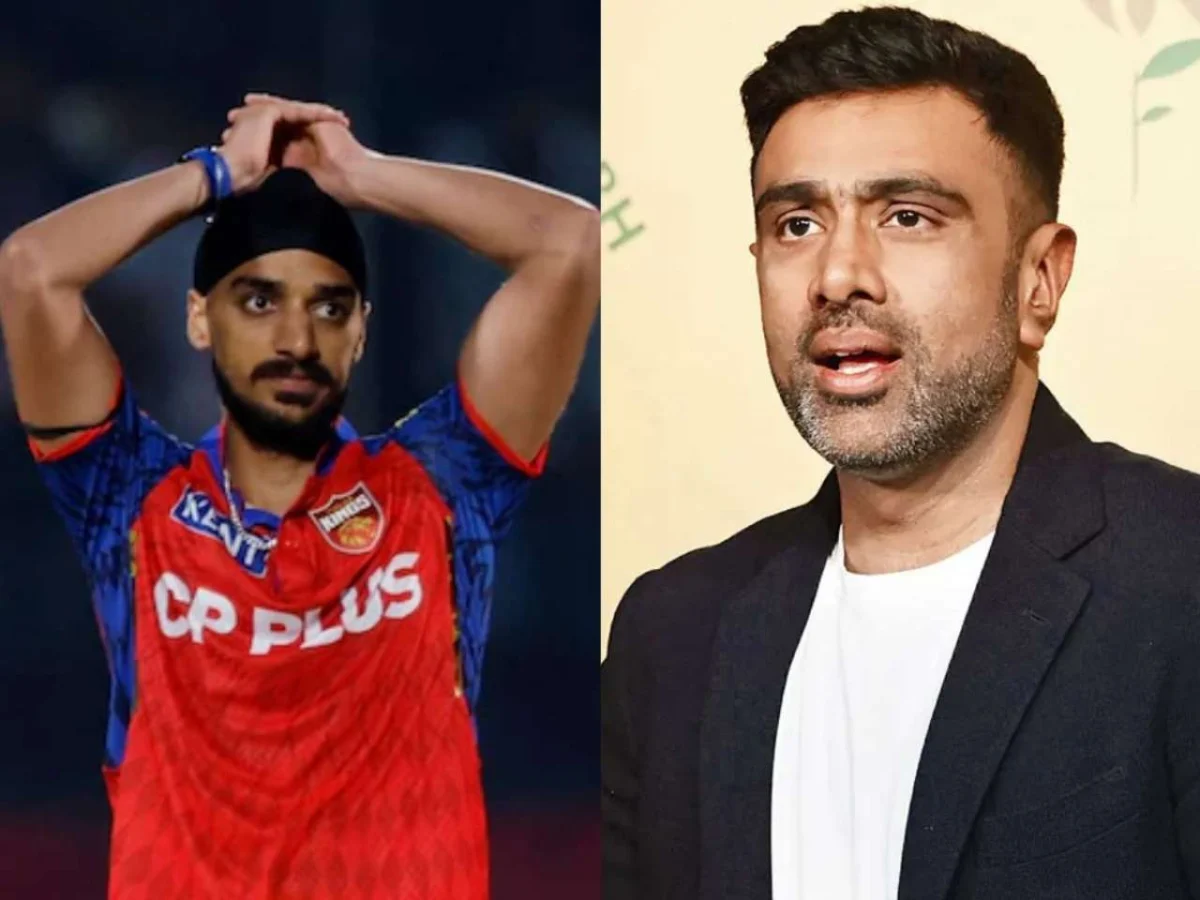
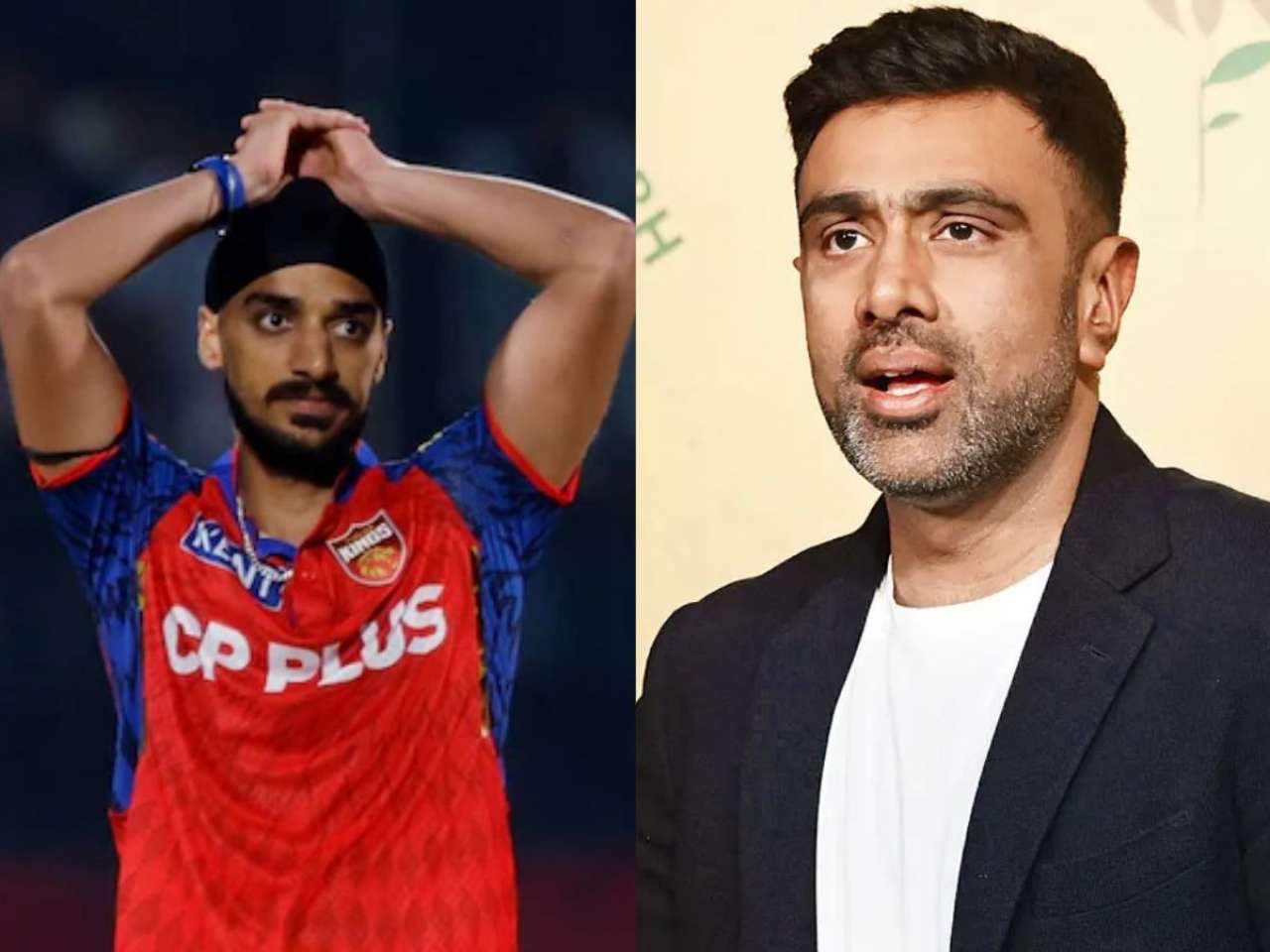
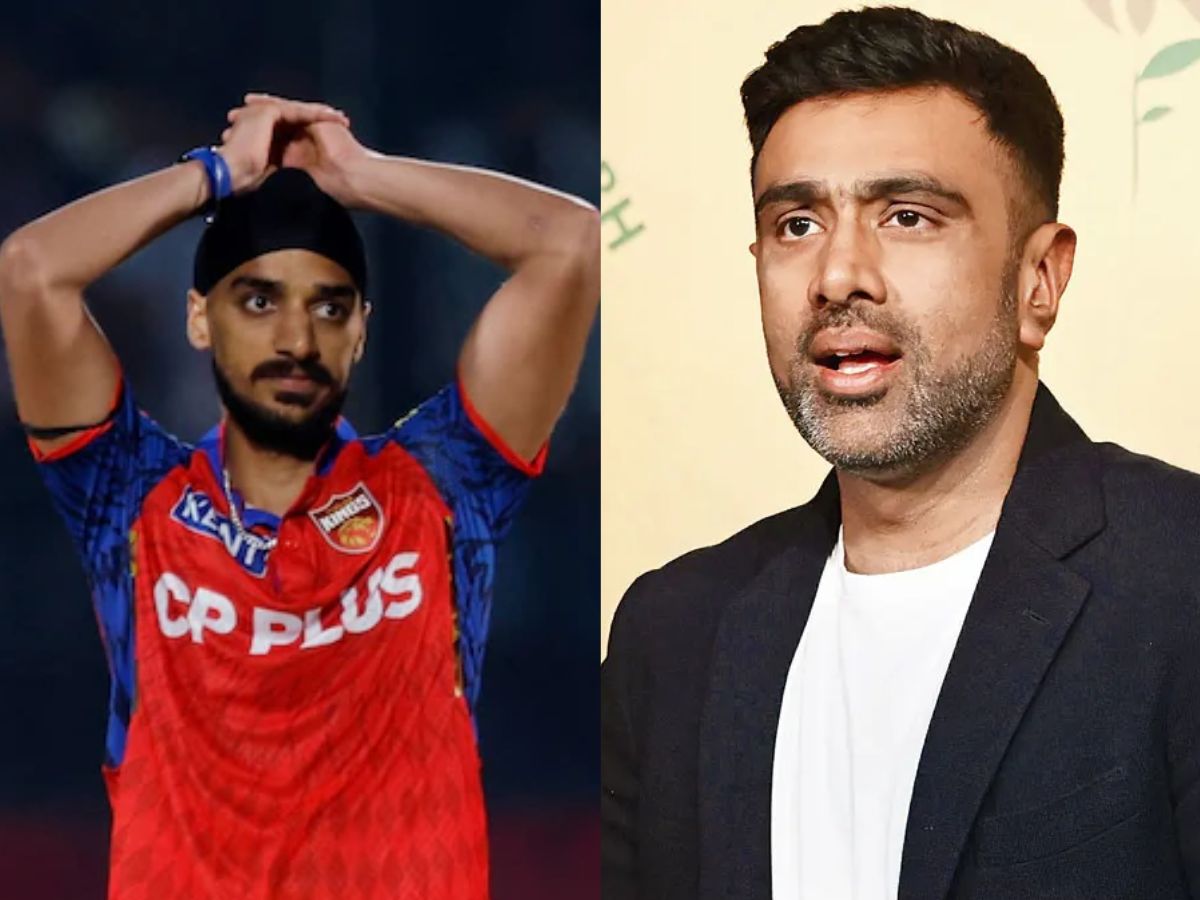
MUMBAI, India – In an age where athletes increasingly engage with fans through digital platforms, a casual remark can quickly become a talking point, sometimes necessitating a swift and sincere clarification. Such was the case recently when young Indian left-arm pacer Arshdeep Singh found himself in a light-hearted, yet potentially awkward, predicament after publicly ranking veteran spinner Ravichandran Ashwin fifth in his list of top five Indian bowlers. The incident, stemming from a YouTube interview, saw Arshdeep not only express immediate regret but also pledge a personal apology to Ashwin, highlighting the evolving dynamics of player interactions and media scrutiny in contemporary cricket.
The Genesis of the Controversy: Arshdeep’s Candid Choices
The spark for this viral moment was ignited during an interview on YouTuber Krishnank Atrey’s channel, a platform known for its candid conversations with cricketers. Asked to name his top five Indian bowlers based on skill and talent, Arshdeep Singh, with youthful enthusiasm and perhaps a touch of personal bias, presented a list that, while respectable, placed one of India’s most decorated bowlers at its tail end.
A Pacer’s Perspective: Unpacking the "Top 5" List
Arshdeep’s selections were as follows, each accompanied by a brief rationale that offered a glimpse into his cricketing mind and personal preferences:
-
Bhuvneshwar Kumar (1st): The Uttar Pradesh swing maestro topped Arshdeep’s list, a choice he openly admitted was influenced by personal admiration. "I picked Bhuvneshwar at the top because he is my ‘personal favourite’ and I am ‘a little biased’," Arshdeep confessed. This candid admission speaks volumes about the respect Kumar commands among fellow pacers for his ability to swing the new ball and execute deceptive variations in the death overs, even if his recent international appearances have been sporadic. His masterful control over line and length, coupled with subtle seam movement, has long made him a formidable opponent and an admired figure in the bowling fraternity.
)
-
Mohammed Shami (2nd): Occupying the second spot was the formidable Mohammed Shami, lauded by Arshdeep for his exceptional control over the seam. Shami, a cornerstone of India’s Test pace attack and a vital component in white-ball cricket, earned his place because he "can seam the ball on any wicket" and "presents the seam perfectly." This observation underscores Shami’s unique ability to generate movement off the pitch, making him a threat in all conditions and a nightmare for batsmen worldwide. His consistent ability to hit the right lengths and extract bounce has made him one of the most feared fast bowlers of his generation.
-
Kuldeep Yadav (3rd): The left-arm wrist-spinner, Kuldeep Yadav, secured the third position. Arshdeep highlighted Kuldeep’s "rare skill set, a left-arm Chinaman," acknowledging the unique challenge he poses to batsmen. Chinaman bowling is an uncommon art, and Kuldeep’s mastery of it, coupled with his deceptive flight and turn, makes him a genuine wicket-taking option. His ability to spin the ball both ways, often from a similar action, adds a layer of mystery that few batsmen can consistently decipher.

-
Yuzvendra Chahal (4th): Arshdeep’s Punjabi teammate and fellow white-ball specialist, Yuzvendra Chahal, came in at fourth. Chahal’s inclusion was justified by his impressive track record, with Arshdeep noting that his "record is also excellent" and he "has taken so many wickets." Chahal’s success, particularly in T20I cricket, is a testament to his courage to toss the ball up, invite batsmen to drive, and rely on his variations and guile to pick up crucial wickets, often in high-pressure situations.
-
Ravichandran Ashwin (5th): The placement of Ravichandran Ashwin at number five was the crux of the ensuing discussion. Arshdeep, visibly aware of the potential implications, prefaced his choice with a telling remark: "I wouldn’t want to rate Ash bhai last, but there were no positions left, so he comes in at number five." He then added a personal touch, recalling Ashwin as his "first captain in the IPL with Punjab." The young pacer concluded his ranking segment with an immediate, light-hearted apology: "Sorry, Ash bhai, I’ll personally message you." This swift acknowledgment of the potential for misinterpretation, even in a casual setting, demonstrated a commendable level of humility and respect for a senior player.
)
The Stature of a Legend: Why Ashwin at Five Raises Eyebrows
To understand the subtle ripple effect of Arshdeep’s ranking, one must first appreciate the monumental stature of Ravichandran Ashwin in Indian and world cricket. His placement at number five, even with a heartfelt apology, naturally sparked discussion among fans and pundits alike, given his unparalleled achievements and enduring impact on the game.
Ravichandran Ashwin: A Modern-Day Maestro
Ashwin is not merely a bowler; he is a cricketing intellectual, a constantly evolving strategist, and a match-winner par excellence. His career, spanning over a decade, is defined by an insatiable hunger for improvement and an almost academic approach to the game.
)
-
A Career Defined by Excellence: Predominantly known for his formidable Test record, Ashwin stands as one of India’s greatest-ever spin bowlers. He is a member of an elite club of bowlers with over 500 Test wickets, placing him among legends like Anil Kumble and Harbhajan Singh. His tally of five-wicket hauls (36) and ten-wicket hauls (8) in Test matches speaks volumes about his consistency and ability to run through batting line-ups. He has consistently been ranked among the top bowlers in Test cricket by the ICC, a testament to his sustained performance. While his white-ball career has seen more ebbs and flows, he has still been a crucial part of India’s limited-overs squads at various junctures, bringing his tactical mind and variations to the shorter formats.
-
His Versatility and Tactical Acumen: What sets Ashwin apart is his incredible versatility. He is not just an off-spinner; he is a master of disguise, possessing a vast repertoire of deliveries including the carrom ball, the slider, the flipper, and the quicker one. He is constantly experimenting, adapting his technique, and innovating to outsmart batsmen. This tactical brilliance makes him a captain’s dream, often able to provide breakthroughs when others falter. His ability to analyze batsmen and conditions, and then execute precise plans, is unparalleled.
)
-
Batting Contributions and Leadership: Beyond his bowling, Ashwin is a highly capable lower-order batsman, with five Test centuries to his name. These crucial runs have often shifted the momentum of games, rescuing India from precarious positions. As Arshdeep himself noted, Ashwin was his "first captain in the IPL with Punjab," underscoring his leadership qualities and ability to mentor younger players. His calm demeanor, sharp cricketing brain, and ability to read the game make him an influential figure both on and off the field.
-
The Spin Wizard’s Global Impact: Ashwin’s impact extends far beyond statistics. He has been instrumental in India’s dominance in Test cricket at home, often single-handedly turning pitches into spin paradises and bamboozling visiting batsmen. His performances have not only secured victories but have also inspired a new generation of spinners. He is universally recognized as one of the finest exponents of spin bowling in the modern era, a bowler whose legacy will be etched in cricketing history. Given this formidable resume, any ranking that places him outside the very top tier, even by a fellow player, is bound to raise eyebrows and ignite debate.
)
Arshdeep Singh’s Journey and Form: A Young Pacer’s Ascent
While Arshdeep’s comments garnered attention, it’s equally important to contextualize them within his own burgeoning career. A promising left-arm pacer, Arshdeep Singh has rapidly risen through the ranks of Indian cricket, making a name for himself with his death bowling prowess and ability to swing the ball.
From Domestic Stages to International Arenas
-
The Rise of a Left-Arm Pacer: Arshdeep’s journey began in domestic cricket, where his consistent performances caught the eye of IPL scouts. His breakthrough came with Punjab Kings in the Indian Premier League, where his ability to bowl accurate yorkers and variations in the crucial death overs earned him widespread acclaim. He consistently delivered under pressure, making him one of the standout young pacers in the league.
)
-
International Debut and Expectations: His impressive IPL form paved the way for his international debut for India in white-ball cricket. He quickly established himself as a reliable option, particularly in T20 Internationals, where his left-arm angle and variations added a new dimension to India’s pace attack. Expectations have been high for Arshdeep, who is seen as a long-term prospect for the national team.
-
Current Form and Challenges: Arshdeep’s recent form has been a mixed bag, reflecting the inherent challenges of international cricket. He was part of India’s squad for a 3-match ODI series against England, which India lost 2-1. In the final match, he faced a tough outing, conceding 72 runs without taking a wicket, an experience common for young pacers learning the ropes at the highest level. However, earlier in a 5-match T20I series against England, which India lost 4-1, Arshdeep showcased his wicket-taking ability, emerging as India’s top wicket-taker with 4 wickets, despite one match being washed out. This demonstrates his potential to bounce back and perform even in challenging series. India recently completed a 3-0 victory in a T20I series against Zimbabwe under Shreyas Iyer’s captaincy, a series Arshdeep was not part of. He is currently unavailable for the upcoming 2-match Test series against Sri Lanka starting August 15, indicating he is primarily being groomed for white-ball formats at this stage of his career.
)
-
The Art of the "Top 5" List: For young players like Arshdeep, engaging in "top 5" lists is often a casual exercise, a way to express admiration for peers and seniors. These lists are inherently subjective, influenced by personal preferences, recent form, and the format of the game being considered. While they are a fun way to generate discussion among fans, they rarely carry any formal weight and are not meant to diminish the achievements of those not highly ranked. Arshdeep’s immediate apology underscores his understanding of this nuance and his respect for Ashwin.
The Broader Context: Player-Media Dynamics and the Digital Age
Arshdeep’s incident is a microcosm of the larger shifts occurring in how athletes interact with the media and the public. The digital age has brought players closer to fans, but it has also amplified the scrutiny on every word uttered.
)
Navigating the Modern Media Landscape
-
The Rise of Candid Interviews: Traditional press conferences and formal interviews are increasingly supplemented by more relaxed, conversational formats on YouTube channels, podcasts, and social media platforms. These mediums often encourage more unfiltered and candid comments from athletes, allowing their personalities to shine through. While this fosters a sense of authenticity and connection with fans, it also carries the inherent risk of off-the-cuff remarks being misinterpreted or blown out of proportion.
-
The Weight of Words: In the hyper-connected world of social media, even light-hearted or casual comments can be dissected, debated, and amplified rapidly. What might be an innocent personal opinion shared between friends can, in a public forum, become a subject of intense discussion and, occasionally, unintended controversy. Athletes, particularly young ones, are constantly learning to navigate this landscape, where every word carries significant weight.
)
-
The Culture of "Ranking": The fascination with "greatest of all time" (GOAT) or "top X" lists is deeply ingrained in sports culture. Fans, pundits, and even players love to engage in these debates, comparing eras, skills, and achievements. These lists fuel endless discussions, generate content, and keep the sport vibrant. However, they are inherently subjective, and a player’s personal preference for one style or type of bowler over another should not be seen as a definitive judgment on overall greatness.
-
Respect and Hierarchy in Indian Cricket: Indian cricket has a long-standing tradition of reverence for senior players. There is a deep-seated culture of respect for those who have contributed significantly to the game, particularly legends like Ashwin. Young players are often mindful of this hierarchy, making Arshdeep’s quick apology a gesture that resonates well within this cultural context, showing his understanding of unspoken norms.
)
Anticipated Reactions and Implications
While the incident is relatively minor in the grand scheme of cricket news, Arshdeep’s response and the ensuing discussion offer valuable insights into player conduct, media relations, and the subtle dynamics within a national team.
The Ripple Effect of a Casual Remark
-
The Spirit of the Apology: Arshdeep’s immediate recognition of the potential for offense, even if unintentional, and his public pledge to personally message Ashwin, speaks volumes about his character. It demonstrates humility, maturity, and a genuine respect for a senior and highly accomplished teammate. This gesture is more significant than the ranking itself, emphasizing the importance of camaraderie and mutual regard within the Indian dressing room. It’s a proactive move to ensure no ill-will festers from a light-hearted comment.
)
-
Fan and Expert Discourse: Reactions from the cricketing community would likely be varied. Many fans would appreciate Arshdeep’s honesty and personal bias, acknowledging that such lists are subjective. Others might express surprise at Ashwin’s lower ranking, reaffirming his legendary status. Former players, drawing from their own experiences, would probably understand the casual nature of such interviews but might also gently reiterate Ashwin’s immense contributions to Indian cricket. The consensus, however, would likely be that Arshdeep’s apology neatly diffused any potential tension.
-
Team Cohesion and Camaraderie: While it is highly unlikely that Arshdeep’s comments would cause any genuine rift, such incidents, if left unaddressed, could theoretically create awkwardness. By offering a prompt and sincere apology, Arshdeep actively works to reinforce the bonds of respect and camaraderie within the team. This kind of open communication is vital for a healthy team environment, where players can express themselves without fear of permanent damage to relationships.
)
-
A Lesson in Media Interaction: For young cricketers, this incident serves as a subtle yet effective lesson in navigating the increasingly complex media landscape. It highlights the importance of thoughtful communication, even in informal settings, and the need to be mindful of how comments might be perceived by a wider audience, especially when discussing respected senior figures. It’s a reminder that authenticity is valued, but so is diplomacy.
-
The Enduring Debate: Ultimately, the incident reignites the timeless debate about "who is the greatest" or "who belongs in the top 5." It underscores the fact that such discussions are inherently subjective, influenced by personal preferences, playing styles, and the specific context of the conversation. It encourages fans to consider different perspectives and appreciate the diverse talents that make up a successful cricketing nation.
)
Conclusion: Beyond the Rankings
Arshdeep Singh’s candid "top 5" list and his subsequent, sincere apology to Ravichandran Ashwin serve as a fascinating vignette in the ongoing narrative of modern cricket. It was a minor incident, born out of a casual interview, yet it provided a glimpse into the evolving dynamics of player-media interactions, the weight of words in the digital age, and the enduring respect for legends within the sporting fraternity.
More than the specific ranking, what truly stood out was Arshdeep’s humility and his immediate gesture to acknowledge and clarify his comments. It reinforced the notion that while players are increasingly open with their opinions, a fundamental respect for seniors and teammates remains paramount. As both Arshdeep and Ashwin continue their respective journeys – one a promising pacer establishing his international career, the other a seasoned maestro adding new chapters to his legacy – this incident will likely be remembered as a moment that highlighted the human element in professional sports: a candid opinion, a quick realization, and a heartfelt apology that spoke volumes, extending beyond mere rankings.
