

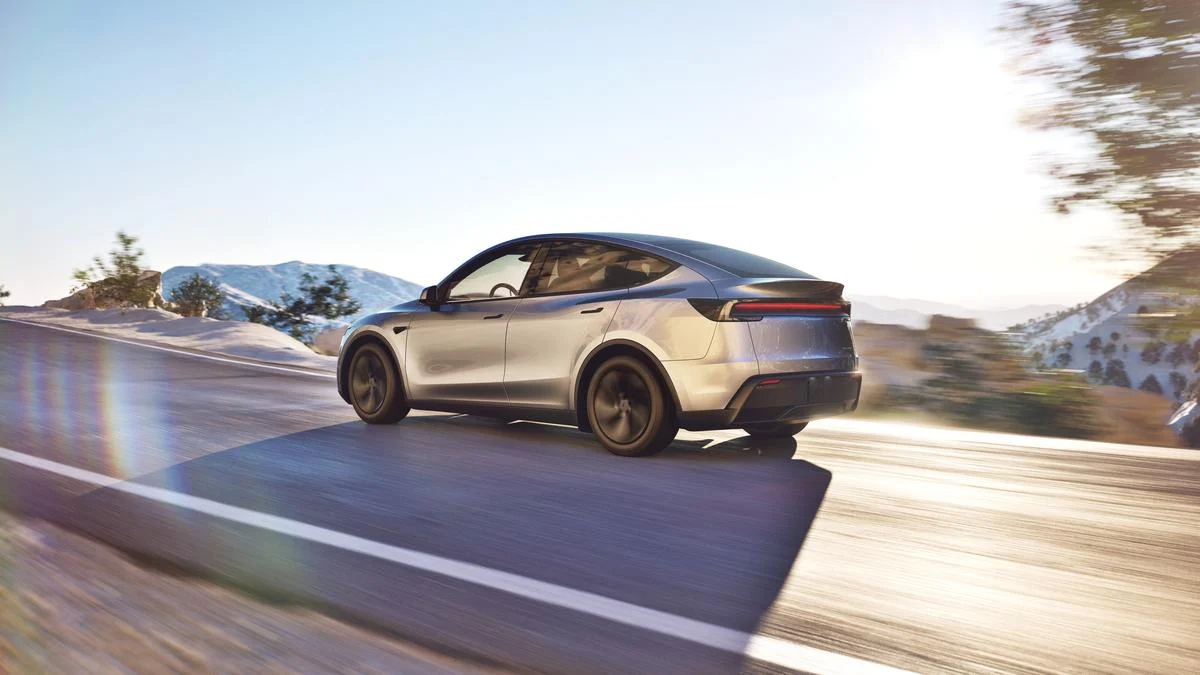
NEW DELHI — In a move that signals a decisive shift in the South Asian automotive landscape, Tesla has officially announced the launch of the 2026 Model Y Premium Rear-Wheel Drive (RWD) in India. This latest addition to the Tesla fleet is positioned as a strategic entry point for the world’s best-selling electric vehicle (EV), combining high-end performance with a pricing structure designed to disrupt the burgeoning Indian luxury EV segment.
As of May 2026, the Model Y continues to hold its title as the global leader in EV sales, and its introduction to the Indian market in this "Premium RWD" trim represents Tesla’s commitment to localized growth. Priced at ₹50,89,000, the vehicle is slated to begin deliveries in July 2026, offering a blend of sophisticated hardware and refined interior design tailored for the modern Indian professional and tech enthusiast.
The Strategic Positioning: Price, Performance, and Practicality
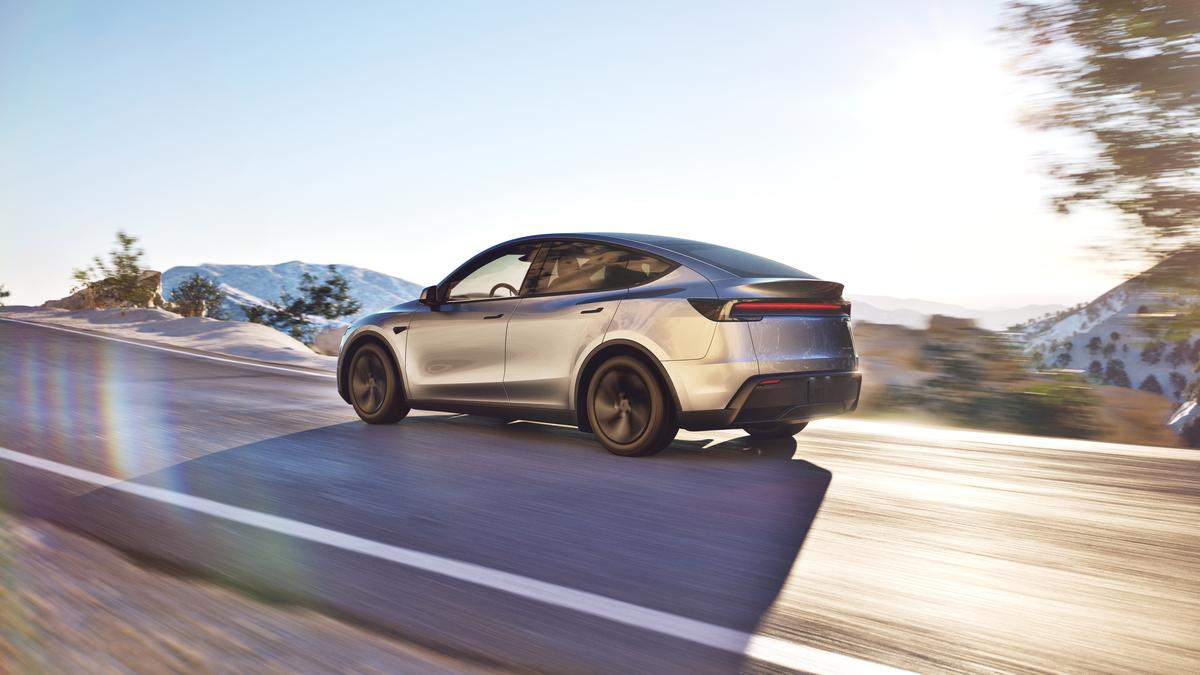
The 2026 Model Y Premium RWD is not merely a base model; it is a meticulously engineered variant that balances efficiency with the "premium" experience Tesla customers expect. At a price point of approximately ₹50.89 lakh, Tesla is placing the Model Y in direct competition with both established luxury internal combustion engine (ICE) vehicles and emerging electric rivals in the mid-to-high-end SUV category.
Performance and Range
Under the hood—or rather, within its chassis—the Model Y Premium RWD features ultra-responsive electric motors that deliver immediate torque. The vehicle can sprint from 0 to 100 km/h in a staggering 5.9 seconds. For the Indian driver, for whom range anxiety remains a significant consideration, the Model Y offers a range of up to 500 kilometers on a single charge, based on the Worldwide Harmonized Light Vehicles Test Procedure (WLTP) cycle. This range is sufficient for both intra-city commutes in congested metros like Mumbai or Bengaluru and long-distance inter-city travel on India’s expanding highway network.
Interior Versatility and Storage
One of the most compelling arguments for the Model Y remains its class-leading utility. The Premium RWD variant offers a massive 2,138 liters of storage space. This is achieved through a versatile seating configuration that accommodates five passengers comfortably, supplemented by power-folding rear seats that transform the cabin into a cavernous cargo hold. Whether for airport runs, weekend getaways, or transporting large items, the Model Y emphasizes a "lifestyle-first" approach to vehicle design.
A Chronology of Tesla’s Indian Odyssey
The launch of the Model Y Premium RWD is the culmination of years of negotiations, infrastructure planning, and market analysis. To understand the significance of this launch, one must look at the timeline that brought Tesla to this 2026 milestone.
- The Early Negotiations (2021–2023): For several years, Tesla and the Indian government engaged in high-stakes discussions regarding import duties and local manufacturing requirements. Tesla initially sought lower tariffs for imported vehicles, while the Indian Ministry of Heavy Industries pushed for a "Make in India" commitment.
- The Regulatory Breakthrough (2024–2025): Following a revised EV policy that offered reduced import duties for companies committing to significant local investment and domestic sourcing, Tesla solidified its plans for a Gigafactory or assembly hub within the country.
- The Debut of the Model Y L (April 2026): Just one month prior to the RWD announcement, Tesla launched the Model Y L, a six-seater "Long" variant specifically designed for larger Indian families. With a range of 681 km and a price tag of ₹61,99,000, it established the high-water mark for Tesla’s utility in the region.
- The Premium RWD Launch (May 2026): Recognizing the need for a more accessible yet equally sophisticated option, Tesla introduced the Premium RWD variant to capture the high-volume executive segment, bridging the gap between mass-market EVs and the ultra-luxury tier.
Supporting Data: Comparing the 2026 Indian Lineup
Tesla’s strategy in India is clearly bifurcated into "Performance & Utility" and "Efficiency & Accessibility." The following data highlights the distinctions between the two primary Model Y variants currently available for order on the Indian portal:
| Feature | Model Y Premium RWD | Model Y L (Six-Seater) |
|---|---|---|
| Price (Ex-Showroom) | ₹50,89,000 | ₹61,99,000 |
| 0-100 km/h Acceleration | 5.9 Seconds | 5.0 Seconds |
| Range (WLTP) | 500 km | 681 km |
| Max Cargo Space | 2,138 Liters | 2,539 Liters |
| Seating Capacity | 5 Passengers | 6 Passengers |
| Drivetrain | Rear-Wheel Drive | Dual Motor All-Wheel Drive |
The Model Y L’s three-row design maximizes headroom and legroom, catering to the unique cultural preference in India for chauffeur-driven experiences and multi-generational family outings. In contrast, the Premium RWD is geared toward the "owner-driver" who prioritizes sleekness, efficiency, and a lower entry price without sacrificing the signature Tesla tech suite.
Official Responses: A Vision of "Amazing Abundance"
The launch was accompanied by a statement from Isabel Fan, Senior Director at Tesla, who emphasized that the company’s mission extends beyond mere car sales.
"Tesla’s mission is to build a world of amazing abundance," Fan stated. "Tesla enables the use of electric vehicles by increasing the accessibility of Tesla technology and providing charging solutions around people’s lifestyles. Tesla will keep investing in the country to create a seamless EV experience in India, with more retail coverage, after-sales services, and charging locations coming soon."
This statement underscores a critical component of Tesla’s Indian strategy: the ecosystem. Unlike traditional manufacturers who rely on third-party dealerships and fuel stations, Tesla’s vertically integrated model means the company is responsible for the Supercharger network, the software updates, and the direct-to-consumer service centers. Fan’s comments suggest that a significant portion of the revenue generated from these initial sales will be reinvested into Indian soil to build out the "Supercharger V4" infrastructure, which is essential for the long-term viability of EVs in the subcontinent.
The Financial Ecosystem: Lowering the Barrier to Entry
Perhaps the most significant aspect of the May 29 announcement was the introduction of aggressive financing options. For many Indian consumers, the "sticker price" is less important than the monthly outflow.
Tesla has introduced a monthly EMI (Equated Monthly Installment) starting at just ₹39,990, predicated on a down payment of ₹6,00,000. By lowering the initial barrier to entry, Tesla is targeting the upper-middle-class demographic that might typically purchase a BMW X1, an Audi Q3, or a high-end Toyota Fortuner.
This financial engineering is a direct attempt to "democratize" the premium EV. When factoring in the significantly lower "fuel" costs of electricity versus petrol/diesel, and the reduced maintenance costs of an EV, the total cost of ownership (TCO) for the Model Y Premium RWD becomes highly competitive against ICE vehicles priced even 10-15% lower.
Implications for the Indian Automotive Market
The entry of the Model Y Premium RWD at the ₹50 lakh mark sends shockwaves through the Indian automotive industry. Several key implications emerge:
1. Pressure on Domestic Giants
Indian manufacturers like Tata Motors and Mahindra & Mahindra have dominated the affordable EV space (under ₹25 lakh). However, as they look to move upmarket with brands like "Avinya" and the "XUV.e" series, they now face a formidable global incumbent. Tesla’s brand equity in India is immense, often compared to the status of the iPhone in the early 2010s.
2. The "Supercharger" Effect
Tesla’s commitment to building its own charging locations will likely set a new standard for reliability. Currently, third-party charging in India can be fragmented. If Tesla successfully rolls out a seamless, "plug-and-charge" network, it could force competitors to either adopt the North American Charging Standard (NACS) or drastically improve their own proprietary networks.
3. Accelerated Infrastructure Development
The presence of Tesla often acts as a catalyst for government action. To support the influx of high-performance EVs, state governments are likely to accelerate the deployment of high-capacity power grids and offer further incentives for green energy integration.
4. Secondary Market and Resale Value
Tesla’s over-the-air (OTA) software updates mean that a 2026 Model Y could potentially have more features in 2029 than it did at launch. This "appreciating tech" aspect could stabilize resale values in the Indian used-car market, which has historically been wary of the battery degradation and tech obsolescence associated with first-generation EVs.
Conclusion: A New Chapter in Indian Mobility
The launch of the 2026 Tesla Model Y Premium Rear-Wheel Drive marks more than just the arrival of a new car; it represents the maturation of the Indian electric vehicle market. By offering a vehicle that achieves 0-100 km/h in under six seconds, provides over 2,000 liters of storage, and is backed by a global charging standard—all for an EMI of roughly ₹40,000—Tesla is making a loud declaration of intent.
As deliveries begin in July 2026, the industry will be watching closely. If the Model Y replicates its global success on Indian roads, it may well be the catalyst that finally tips the scales of the Indian luxury market toward a permanent electric future. For the Indian consumer, the choice has never been clearer: the age of "amazing abundance" in sustainable transport has arrived.
