

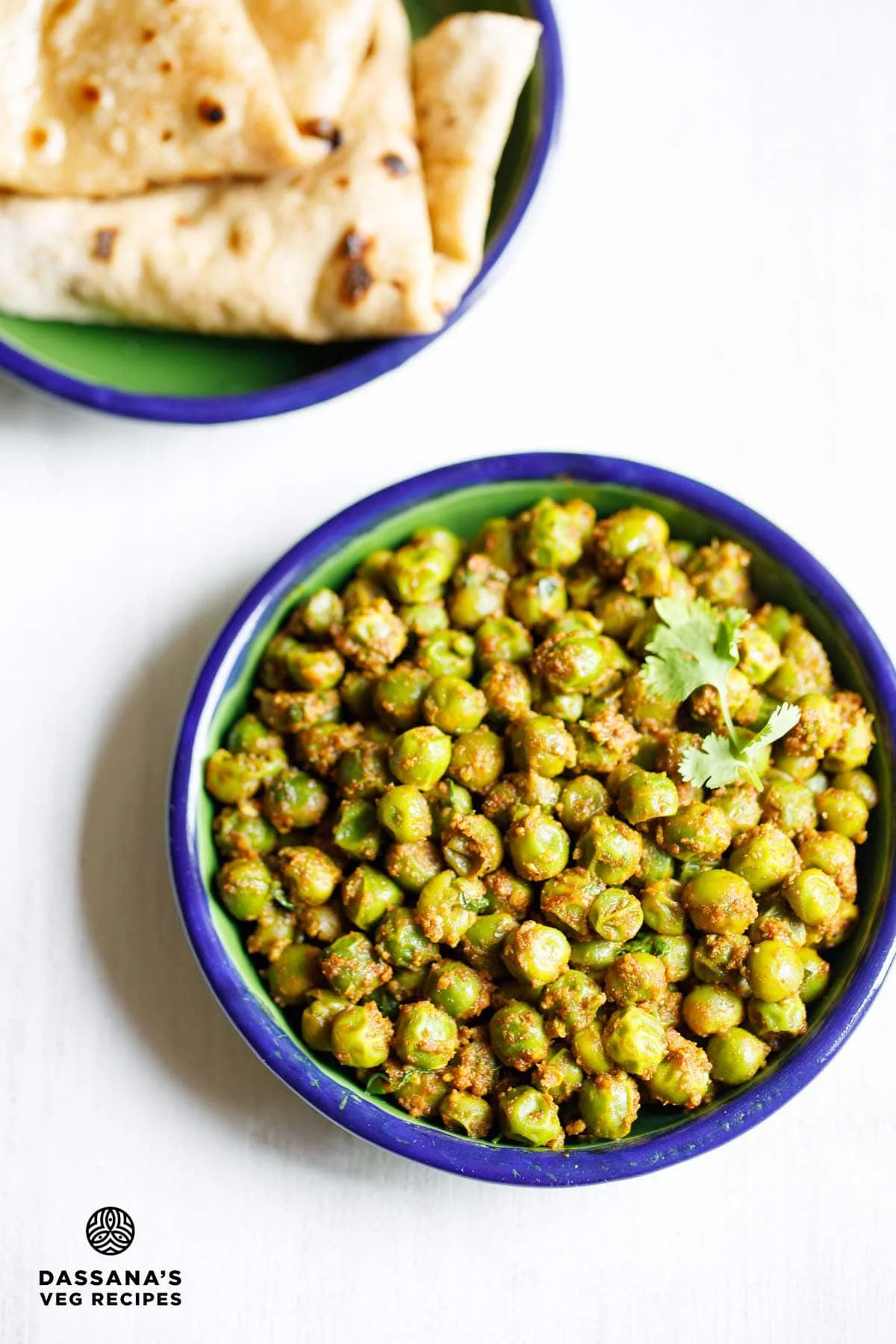
In the vast and diverse landscape of Indian gastronomy, few dishes embody the spirit of home-style comfort as poignantly as Matar Ki Sabji. Often overshadowed by its more decadent cousins like Matar Paneer or Aloo Matar, this dry, sautéed green pea preparation stands as a testament to the power of simplicity. Utilizing fresh or frozen green peas, a handful of dried spices, and fresh herbs, Matar Ki Sabji offers a nutritional powerhouse that is naturally vegan, gluten-free, and remarkably, devoid of the onion and garlic bases that dominate much of North Indian cuisine.
As dietary preferences shift globally toward "cleaner" eating and plant-based alternatives, this traditional dish has seen a resurgence in popularity, not just as a humble side dish, but as a centerpiece of the "Sattvic" and allergen-friendly culinary movements.

Main Facts: Defining the Dish
Matar Ki Sabji (literally translated to "Pea Vegetable") is a "Sukhi Sabji" or dry vegetable preparation. Unlike curries that rely on heavy gravies made of tomatoes, cashews, or cream, this dish focuses on the natural sweetness and texture of the legume itself.
Key Characteristics:
- Dietary Profile: It is inherently vegan and gluten-free, catering to modern dietary requirements without needing modification.
- Aromatic Base: It follows a "No Onion, No Garlic" (NONG) profile. This makes it suitable for various religious observances in India (such as Jain diets or during specific Hindu fasting periods) and for those with sensitivities to alliums.
- Flavor Balance: The dish is a sophisticated interplay of the peas’ natural sugar, the earthy warmth of cumin and turmeric, the heat of green chilies, and the essential tang of Amchur (dry mango powder).
- Versatility: While it shines brightest during the Indian winter when fresh peas are harvested, the availability of high-quality frozen peas has made it a perennial staple for busy households.
Chronology: The Step-by-Step Evolution of the Dish
The preparation of Matar Ki Sabji is a precise process that prioritizes the preservation of the peas’ vibrant green color and tender-firm texture. The following chronology outlines the professional method for achieving the perfect consistency.

Phase I: Preparation and Steaming
The process begins with the selection of the peas. If using fresh peas, they are shelled and rinsed. The preferred professional method for cooking the peas is steaming rather than boiling. Steaming ensures that the water-soluble vitamins are retained and the peas do not become mushy or waterlogged.
- Pressure Steaming: In a standard 2-litre stovetop pressure cooker, 1.5 cups of water are added to the base. A trivet is placed inside, and a separate bowl containing 1.5 cups of rinsed peas (with no additional water inside the bowl) is positioned on top.
- Timing: The cooker is sealed and heated on medium-high. It typically requires 5 to 6 whistles (approximately 6 to 7 minutes) to reach the ideal tenderness.
- Natural Release: The pressure is allowed to drop naturally. This "carry-over" cooking time is crucial for ensuring the core of the pea is soft while the skin remains intact.
Phase II: The Tempering (Tadka)
Once the peas are steamed and drained of any residual moisture, the flavor-building phase begins.

- Oil Selection: One tablespoon of neutral vegetable oil or ghee is heated in a kadai (Indian wok).
- Infusion: Slit green chilies are added to the hot oil. This step infuses the fat with capsaicin and aromatics, ensuring the heat is evenly distributed throughout the dish.
- Coating: The steamed peas are added to the pan and tossed gently. This initial sauté in oil creates a protective barrier that prevents the spices from making the peas soggy.
Phase III: The Spice Integration
The heat is reduced to low to prevent the delicate ground spices from burning, which would result in a bitter aftertaste.
- Ground Spices: A blend of turmeric (for color and anti-inflammatory properties), red chili powder (for warmth), cumin powder (for earthiness), and coriander powder (for floral notes) is sprinkled over the peas.
- The Sauté: The mixture is stirred for approximately one minute, allowing the "raw" smell of the spices to dissipate.
- The Tangy Finish: Salt and Amchur (dry mango powder) are added. The Amchur is the "secret ingredient" that cuts through the starchiness of the peas, providing a bright, citrusy lift.
Phase IV: Garnishing
The heat is extinguished, and a generous handful of freshly chopped coriander leaves is folded in. This adds a final layer of freshness and visual contrast.

Supporting Data: Nutritional and Economic Impact
Matar Ki Sabji is not just a culinary preference; it is a nutritionally dense meal choice. According to nutritional analysis, a standard serving (approx. 2 servings per recipe) provides a balanced profile:
| Nutrient | Amount per Serving |
|---|---|
| Calories | 173 kcal |
| Protein | 6g |
| Fiber | 8g |
| Vitamin C | 47mg (approx. 78% DV) |
| Vitamin A | 1001 IU |
| Iron | 2mg |
| Potassium | 321mg |
Health Implications
The high fiber content (8g per serving) aids in digestive health and provides a low glycemic index, making it a favorable option for blood sugar management. Furthermore, the inclusion of turmeric and cumin provides antioxidants and aids in digestion, which is a hallmark of Ayurvedic cooking principles.

Economic Accessibility
Green peas are one of the most cost-effective sources of plant-based protein in the Indian subcontinent. During the winter peak, the cost of fresh peas drops significantly, while frozen varieties provide a stable, budget-friendly alternative during the off-season, making this dish accessible across all socio-economic strata.
Official Responses: Expert Culinary Tips for Success
Culinary experts and traditional home cooks emphasize several "golden rules" to elevate this simple dish from ordinary to exceptional.

- Texture Management: "The biggest mistake is overcooking the peas," says one culinary consultant. "They should pop slightly when bitten, not turn into a mash. Steaming is the only way to guarantee this texture."
- The Spice Heat: For those cooking for children or individuals with low heat tolerance, experts suggest de-seeding the green chilies or substituting red chili powder with Kashmiri Mirch, which provides a vibrant red hue with minimal heat.
- Acidic Substitution: If Amchur is unavailable, professional chefs recommend a squeeze of fresh lemon juice added after the heat is turned off. Adding lemon juice while the pan is on high heat can sometimes result in a slight bitterness.
- Flavor Variations: For a more "street-food" or Chatpata flavor profile, the addition of a half-teaspoon of Chaat Masala and a pinch of black salt (Kala Namak) is highly recommended by regional experts.
Implications: The Role of Matar Ki Sabji in Modern Lifestyles
The endurance of Matar Ki Sabji in the modern Indian kitchen carries several broader implications for lifestyle and global food trends.
1. The "Lunch Box" Culture
As urban professionals seek healthy, leak-proof options for office lunches, dry sabzis like this one have become invaluable. Unlike liquid curries, Matar Ki Sabji stays fresh for hours, does not spill, and pairs perfectly with whole-wheat rotis or parathas, making it a staple of the Indian Tiffin system.

2. The Rise of "Sattvic" Eating
There is a growing global interest in Sattvic diets—foods that are thought to be pure, essential, and energy-giving. By omitting onion and garlic, this dish aligns with these principles, offering a meal that is considered "light" on the body and "calm" for the mind.
3. Sustainability and Plant-Based Trends
As the world looks toward reducing meat consumption, the humble pea is being recognized as a sustainable protein source. Matar Ki Sabji serves as a blueprint for how traditional cultures have utilized legumes for centuries to create satisfying, protein-rich meals without the need for processed meat substitutes.

4. Seasonal Gastronomy
In North India, the arrival of fresh peas in November is a cultural event. The act of sitting together to shell kilos of peas is a communal tradition. Matar Ki Sabji represents the pinnacle of this seasonal celebration, reminding consumers of the importance of eating with the cycles of nature.
Conclusion
Matar Ki Sabji is a masterclass in the philosophy that "less is more." Through the careful application of heat and a strategic blend of spices, a simple legume is transformed into a dish that satisfies the palate, nourishes the body, and respects ancient dietary traditions. Whether served with a simple bowl of curd and a warm phulka or packed into a lunch box for a busy day, it remains an evergreen icon of North Indian home cooking.
