

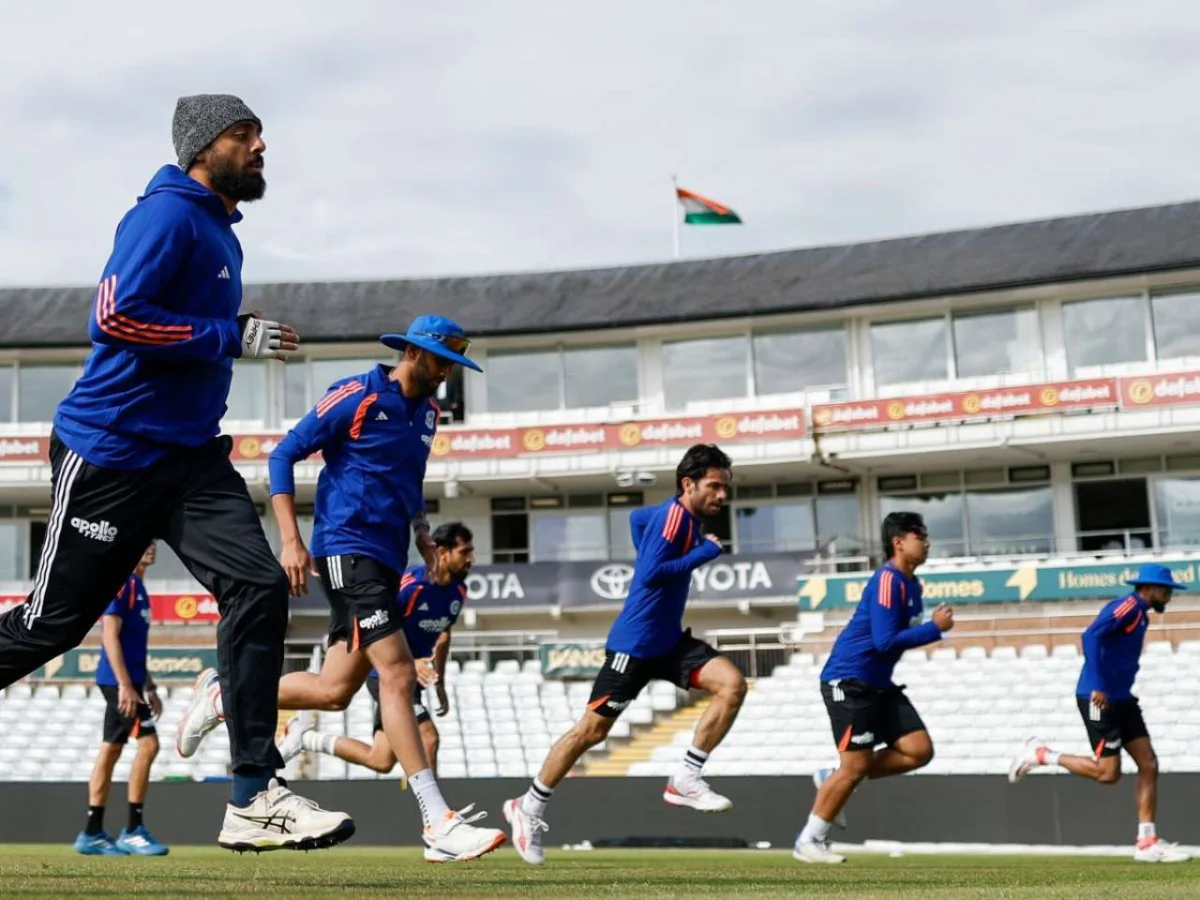
Bengaluru, India – In a significant move aimed at fortifying the physical resilience and overall athleticism of its national cricketers, the Board of Control for Cricket in India (BCCI) has reportedly ushered in a sweeping overhaul of its fitness protocols. The new regime, spearheaded by the Bengaluru-based National Cricket Academy’s Centre of Excellence (CoE), introduces a stringent set of benchmarks, with the formidable ‘Bronco test’ now serving as the primary measure of player fitness, complemented by a demanding 2,000-metre endurance run. This strategic pivot comes amid escalating concerns over a persistent spate of injuries and a perceived decline in the fitness levels of Indian players across various formats.
The immediate and most striking change is the implementation of a rigorous Bronco test, requiring players to complete a 1,200-metre shuttle run in an ambitious timeframe of 5 minutes and 15 seconds, or at most 5 minutes and 20 seconds. This marks a substantial reduction from the previous allowance of six minutes, signaling a clear intent to elevate speed, agility, and anaerobic endurance. Furthermore, a 2-kilometre endurance run has been introduced, challenging players to complete it within 9 to 10 minutes. Crucially, this 2K run is to be undertaken immediately after the Bronco test, with only a brief recovery period, intensifying the overall physical demands on the athletes.
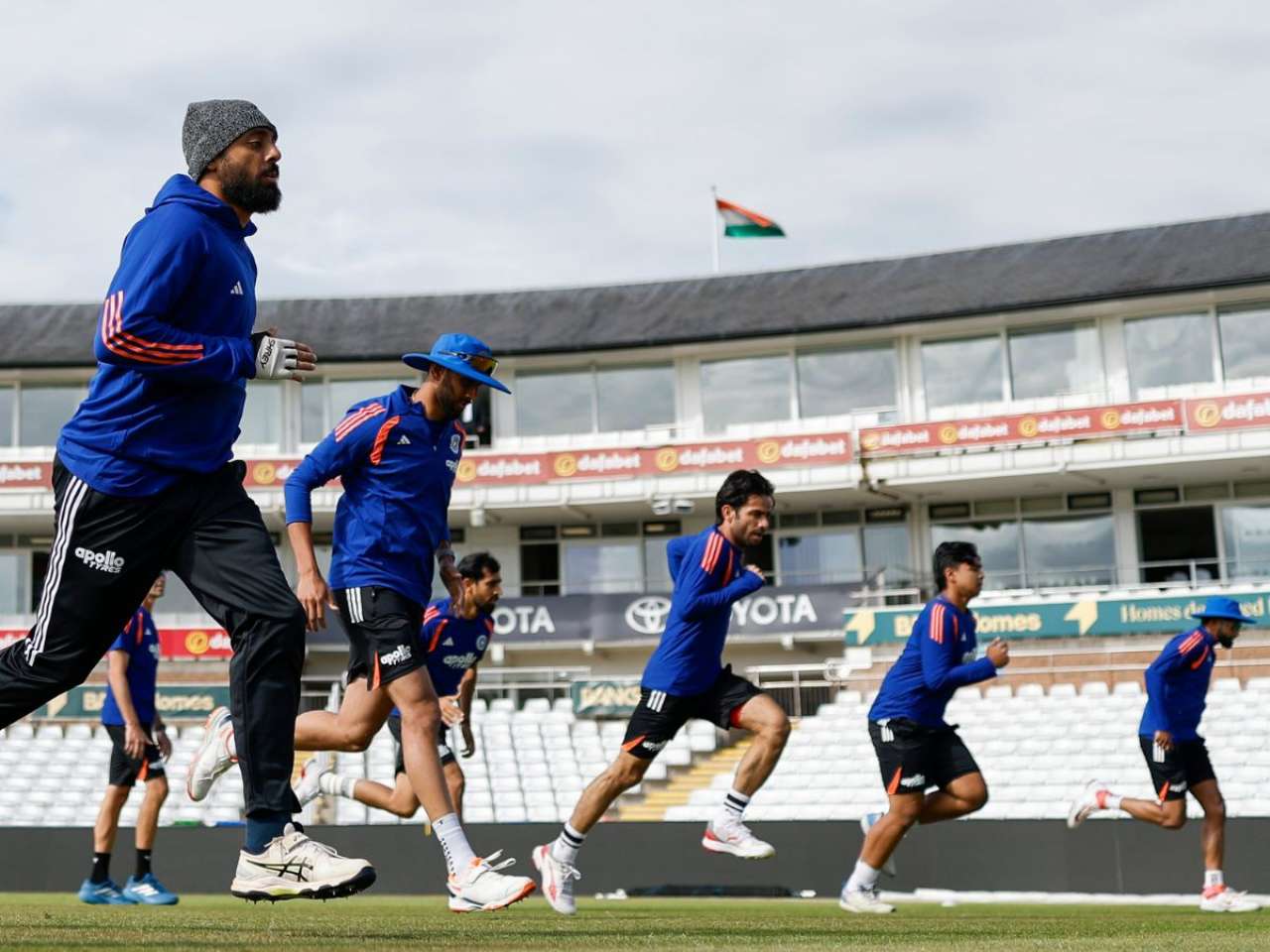
This comprehensive recalibration of fitness standards represents a departure from the long-standing reliance on the Yo-Yo test, which, while still a component of the broader assessment, no longer holds its position as the singular defining benchmark. The BCCI’s proactive stance underscores a deep-seated commitment to cultivating a squad that is not only skilled but also physically robust enough to withstand the rigours of international cricket and mitigate the risk of debilitating injuries.
The Rationale Behind the Rigour: Addressing an Injury Epidemic
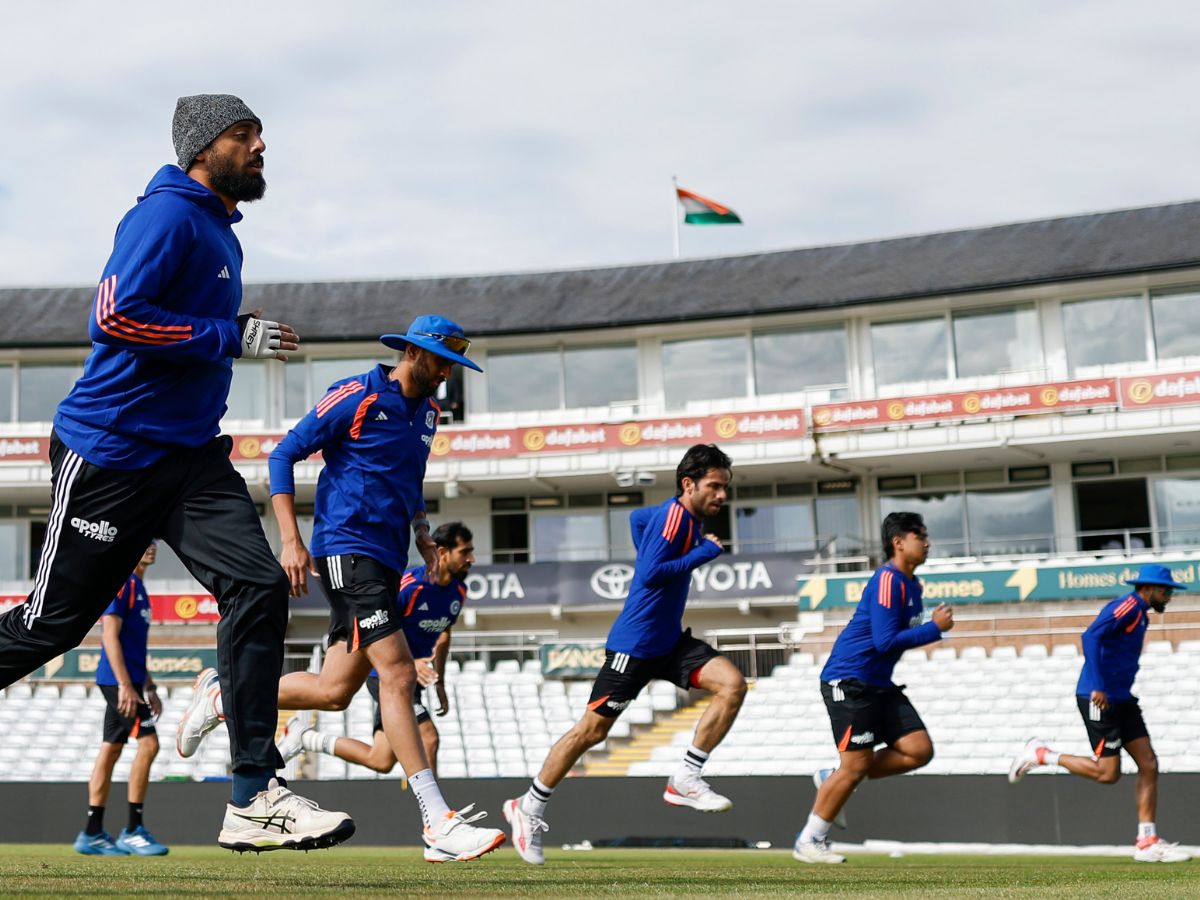
The genesis of these stringent new fitness benchmarks lies in a palpable and growing concern within the BCCI regarding the recurring injuries plaguing Indian cricketers. Over recent seasons, a troubling pattern of key players spending significant time on the sidelines due due to various ailments has emerged, disrupting team combinations, impacting performance, and raising questions about the efficacy of existing fitness and injury management protocols. The CoE, under whose purview these changes have been implemented, identified a clear need to not just react to injuries but to proactively build a higher baseline of fitness across the national setup.
)
According to reports, the CoE has been instrumental in pushing through these changes, recognizing that a higher standard of physical conditioning is paramount for sustained success in modern cricket. The demands of the international calendar, encompassing multiple formats and extensive travel, necessitate athletes who are not merely fit but supremely conditioned. The new "fresh baseline requirements" are designed to foster better collaboration and understanding between the team management and the medical staff, ensuring a unified approach to player welfare and performance. This collaborative framework aims to ensure that fitness parameters are not just met but consistently maintained and improved upon, thereby creating a more resilient and durable Indian squad capable of competing at the highest level without constant fear of physical breakdown.
The decision to elevate fitness standards also stems from observations within the team management itself. Instances of players struggling with movement in the field, exhibiting reduced agility, and even senior batsmen finding it difficult to maintain intensity while running between the wickets during prolonged innings, have been noted. These on-field indicators pointed towards a systemic issue that required a more stringent, scientifically backed approach to fitness assessment and training. The introduction of tests like the Bronco, which specifically targets repeated sprint ability and anaerobic capacity, directly addresses these performance gaps, aiming to enhance the dynamic aspects of a cricketer’s game.

Deciphering the New Benchmarks: Bronco, 2K, and the Yo-Yo’s New Role
The core of the BCCI’s revamped fitness regime rests on two primary tests: the Bronco and the 2K endurance run. Each test targets distinct yet crucial aspects of an athlete’s physical capability, collectively offering a comprehensive assessment of a cricketer’s readiness for the elite stage.
The Bronco Test Explained: A Rugby-Inspired Challenge
The Bronco test, a fitness standard borrowed from the demanding world of rugby, is a testament to the BCCI’s intent to inject a new level of explosive power and sustained agility into its cricketers. This gruelling shuttle run requires players to sprint back and forth over increasing distances within a tight time frame. The structure of the test is as follows:
)
- Players start by sprinting 20 metres and returning to the start line.
- Immediately, they sprint 40 metres and return.
- Finally, they sprint 60 metres and return.
- This entire sequence (20m, 40m, 60m, and back each time) constitutes one ‘set’, covering a total distance of 240 metres.
- Players must complete five such sets, accumulating a total running distance of 1,200 metres.
Historically, players were allotted six minutes to complete the Bronco test. However, under the new, stricter guidelines, this time limit has been dramatically reduced to either 5 minutes and 15 seconds or 5 minutes and 20 seconds, depending on specific criteria or perhaps individual variations that are yet to be fully clarified. This reduction by almost 40-45 seconds is a significant challenge, demanding exceptional levels of speed, acceleration, deceleration, change-of-direction ability, and anaerobic endurance. The Bronco test simulates the intermittent, high-intensity bursts often required in cricket, such as fielding, quick singles, or chasing down boundaries, making it highly relevant to on-field performance.
The 2K Endurance Run: A Test of Stamina and Recovery
Complementing the high-intensity Bronco test is the 2,000-metre (2K) endurance run. This test primarily assesses a player’s aerobic capacity and overall stamina – crucial for maintaining performance throughout long innings, multi-day Test matches, or extended fielding sessions. The new time limit for the 2K run has been set between 9 and 10 minutes, another indicator of the heightened expectations for cardiovascular fitness.
)
What makes the 2K run particularly challenging in this new framework is its sequencing. Players are required to undertake this endurance test immediately after completing the Bronco test. While a brief break is provided – players reportedly get 10 minutes for the 2K instead of just 9 – the cumulative effect of these back-to-back, high-intensity and endurance challenges is designed to push cricketers to their absolute physical limits. This combination tests not only raw fitness but also the ability to recover and perform under fatigue, a scenario frequently encountered in the demanding world of international cricket.
The Diminished Role of the Yo-Yo Test
For years, the Yo-Yo intermittent recovery test had been the primary yardstick for fitness within Indian cricket. This test, which involves repetitive shuttles between cones at increasing speeds with brief recovery periods, effectively measures an individual’s aerobic endurance and ability to recover quickly. While it remains a valuable tool, the BCCI has now relegated its status as the "main fitness standard."
)
The shift does not necessarily mean the Yo-Yo test will be entirely discarded. Instead, it suggests a broader, more holistic approach to fitness assessment, where the Bronco and 2K tests provide a more comprehensive picture of a player’s speed, agility, and endurance capabilities, which might be considered more directly applicable to the specific demands of cricket. The original article hints that the CoE is now running "Yo-Yo, Bronco, and 2K tests repeatedly," suggesting that while the Yo-Yo might not be the primary benchmark, it is still part of a multi-faceted testing regime.
Past Leniency and Current Enforcement: A Culture Shift
The implementation of these rigorous new standards also marks a significant shift away from previous practices, which, at times, saw a degree of leniency extended to certain players. The original article highlights a "debate about giving leniency to senior players," and notes that "last year, the standards weren’t strictly enforced" with "some got easier targets." This historical context underscores the BCCI’s current resolve to enforce a universal, uncompromising standard for all players aspiring to or currently representing India.
)
Concrete examples illustrate this past inconsistency and the new directive:
- Harshit Rana: The fast bowler was notably sent home from the England tour last year due to his weight exceeding the permissible limit, recorded at 97 kg. The CoE has since set a target for him to be under 96 kg, a benchmark he is now reportedly meeting at 94 kg, putting him on track for clearance. This incident underscores the direct link between fitness parameters and selection, a link that is now being rigidly enforced.
- Nitish Kumar Reddy: In another instance that raised eyebrows, Nitish Kumar Reddy reportedly received fitness clearance from the CoE despite not being "fully fit," ostensibly at the request of the team management. Such instances of management overriding fitness experts’ recommendations are precisely what the new stringent regime aims to eliminate, ensuring that medical and fitness advice takes precedence.
The current directive from BCCI Secretary Devjit Saikia and the team bosses is unequivocally clear: physios are now mandated to report any player exhibiting poor fitness, regardless of their stature or fame. This bold declaration signals a definitive end to preferential treatment, asserting that fitness will be a non-negotiable criterion for all Indian cricketers, from emerging talents to established veterans.
)
Addressing the Injury Epidemic and Performance Concerns
The increased scrutiny on player fitness is inextricably linked to the ongoing battle against injuries and the desire to enhance on-field performance. The original report singles out Physio Kamlesh Jain, who is reportedly "under scrutiny" for the recurring injuries within the squad. This scrutiny suggests a higher level of accountability for the medical and support staff in ensuring players are maintained in optimal physical condition.
Further evidence of fitness concerns manifested during the England tour, where players reportedly complained about cramps despite the mild weather conditions. This observation is particularly telling, as cramps in such environments often point to underlying issues with conditioning, hydration, or recovery, rather than extreme environmental stress. Such incidents reinforce the belief within the BCCI that a more robust fitness foundation is essential.
)
The team management’s observations regarding "several players aren’t moving well in the field" and "even senior batsmen are struggling to run between the wickets during long innings" further substantiate the need for these new, tougher tests. Modern cricket demands exceptional athleticism in all three departments – batting, bowling, and fielding. A player’s ability to cover ground quickly, execute agile movements, and sustain intensity over long periods directly impacts team performance. The new tests are designed to identify and address these deficiencies, aiming to produce a team that is not only skilled but also dynamically effective and tireless on the field.
Communication Gaps and Implementation Challenges
While the intent behind the BCCI’s fitness overhaul is laudable, its implementation has not been without its challenges, particularly concerning communication and coordination. The original article points to a "lack of communication between CoE and team management," which has led to confusion and inefficiencies.
)
A notable example cited is that of star bowler Jasprit Bumrah. Despite expectations from the team management that he would be ready for the first Test against Sri Lanka starting August 15, the CoE did not clear him in time. This discrepancy highlights a critical disconnect between the rehabilitation and fitness assessment processes at the CoE and the team’s strategic planning. Such communication breakdowns can have significant implications for team selection and player availability.
Furthermore, there appears to have been a delay in disseminating information about the new fitness standards to contracted players. Mohammed Siraj, for instance, reportedly showed up at the CoE before the Sri Lanka tour without prior warning about the new Bronco or 2K tests. This lack of timely communication can cause unnecessary stress and disadvantage players who are not adequately prepared for the new, tougher benchmarks. The BCCI’s directive that "even players outside the Test squad have to follow these new rules" further amplifies the need for clear, consistent, and early communication across all levels of Indian cricket. Without it, players might find themselves ill-equipped to meet the new demands, potentially jeopardizing their careers and the team’s depth.
)
The Double-Edged Sword: Benefits vs. Risks of Intensified Testing
The BCCI’s aggressive push for enhanced fitness is a double-edged sword, promising significant benefits for Indian cricket but also carrying potential risks, as highlighted by some experts.
Potential Benefits: A Fitter, More Resilient Squad
The primary objective of these intensified fitness standards is undeniably positive: to cultivate a national squad that is physically superior, less prone to injuries, and capable of sustained high performance.
)
- Improved Overall Fitness and Athleticism: The Bronco test, in particular, will significantly enhance players’ speed, agility, and anaerobic capacity, making them more dynamic fielders, faster between the wickets, and more explosive in their movements. The 2K run will bolster aerobic endurance, crucial for long spells in the field or lengthy batting efforts.
- Reduced Injury Rates: By raising the baseline fitness, the BCCI hopes to create bodies that are more resilient to the stresses and strains of professional cricket, thereby reducing the incidence of soft tissue injuries, muscle strains, and fatigue-related breakdowns.
- Enhanced On-Field Performance: A fitter team translates directly into better performance. Players will be able to maintain higher intensity levels for longer, execute difficult catches and run-outs, and run hard between wickets even in the latter stages of an innings.
- Creation of a Stronger Talent Pool: The new standards will filter players more rigorously, ensuring that only the fittest and most dedicated athletes progress through the ranks, thereby strengthening the overall talent pipeline for Indian cricket.
- Greater Accountability: The explicit directive for physios to report fitness issues, irrespective of a player’s status, fosters a culture of greater accountability among players and support staff alike, ensuring that fitness is taken seriously at all levels.
Potential Risks and Concerns: Overload and Exhaustion
Despite the clear advantages, some specialists and experts have voiced concerns about the intensity and frequency of the new testing regime, fearing that it might paradoxically lead to an increase in injuries rather than a reduction.
- Overload and Repeated Testing: The CoE is reportedly running "Yo-Yo, Bronco, and 2K tests repeatedly." This high frequency of maximum effort testing, especially the demanding Bronco and 2K tests, could lead to physical and mental fatigue. Unlike training, which is progressive and periodized, repeated maximal testing without adequate recovery can be detrimental.
- Mental and Physical Exhaustion: Constantly undergoing high-stakes fitness tests, particularly with the new, tighter timings and back-to-back challenges, can place immense mental and physical stress on players. This cumulative stress could lead to burnout, decreased motivation, and an elevated risk of injuries as the body struggles to recover adequately.
- Counter-Intuitive Injury Risk: Experts suggest that this overload might "boost the risk of injuries instead of preventing them." When players are pushed to their limits repeatedly in tests, their bodies become more susceptible to strains, tears, and other ailments, especially if sufficient recovery and individualised programming are not meticulously managed.
- Comparison with Previous Successful Regimes: The article contrasts the current approach with India’s player fitness management during the 2023 ODI World Cup, 2024 T20 World Cup, and 2025 Champions Trophy periods. During those times, the focus was reportedly on "maintenance" and "keeping stress levels low," with Yo-Yo tests conducted only twice a year or specifically after an injury. This suggests a more conservative, recovery-focused approach that yielded positive results in terms of player availability during major tournaments. The shift to a more aggressive, frequent testing model raises questions about its long-term sustainability and impact on player longevity.
- Psychological Toll: The constant pressure to meet stringent physical benchmarks, coupled with the potential for selection implications, can create a highly stressful environment for players. This psychological burden, if not managed carefully, could detract from their focus on skill development and game performance.
Conclusion: A Defining Moment for Indian Cricket
The BCCI’s new fitness standards represent a bold and decisive step towards forging a more robust, resilient, and athletic Indian cricket team. The introduction of the Bronco and 2K tests, coupled with the stricter enforcement and universal application of these benchmarks, signals a clear intent to address the persistent issues of injuries and perceived fitness deficiencies. This initiative, driven by the Centre of Excellence, aims to create a culture where peak physical condition is a non-negotiable prerequisite for representing the nation.
)
However, as with any radical change, careful management and continuous evaluation will be critical. The concerns raised by experts regarding potential overload, mental and physical exhaustion, and the increased risk of injuries warrant serious consideration. The BCCI and CoE will need to strike a delicate balance between pushing players to new fitness heights and ensuring their well-being, longevity, and optimal performance. Effective communication, individualised training plans, and a nuanced understanding of player recovery will be paramount to harness the full potential of this fitness revolution.
Ultimately, the success of this landmark overhaul will be measured not just by improved test scores, but by a demonstrable reduction in injury rates, enhanced on-field dynamism, and a sustained period of success for Indian cricket on the global stage. This is a defining moment for Indian cricket, setting a new paradigm for athleticism and professionalism that could shape its future for years to come.
