

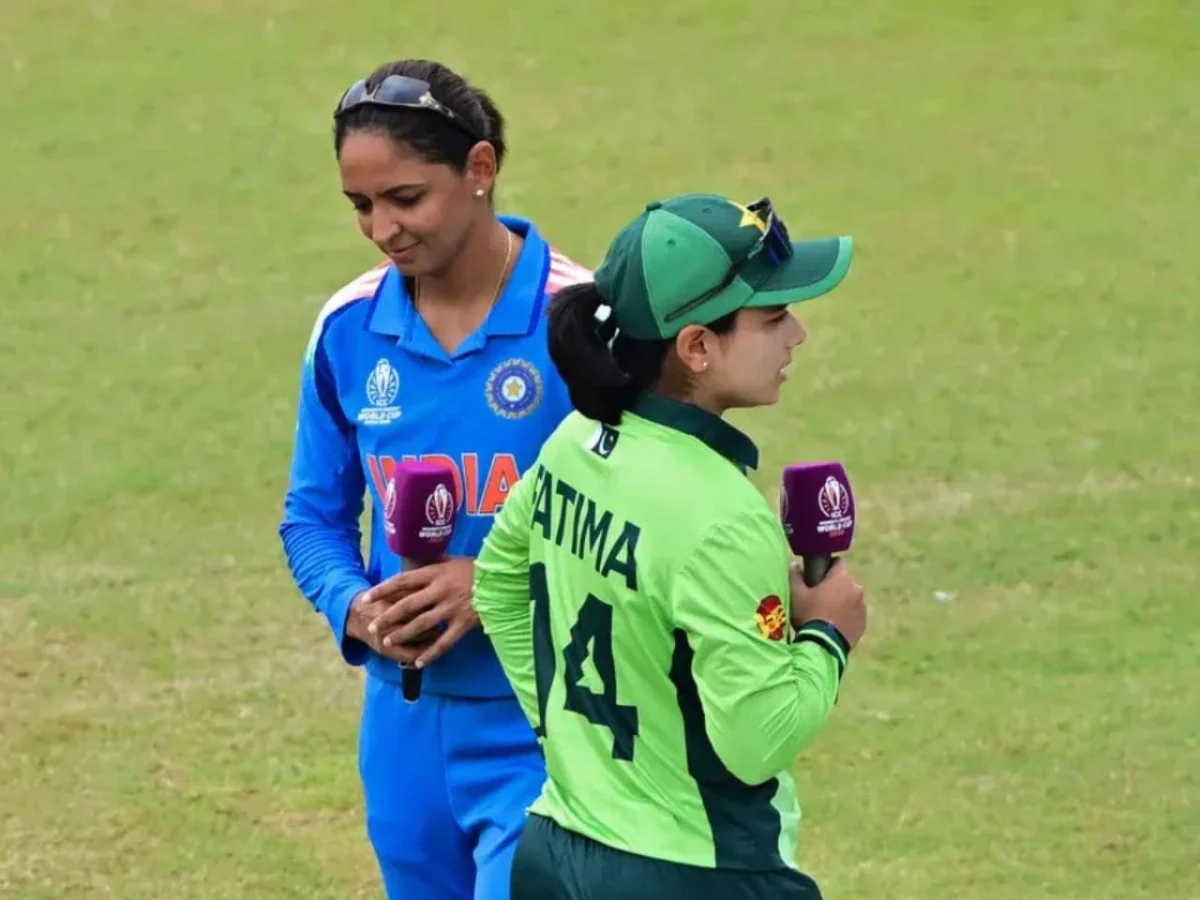
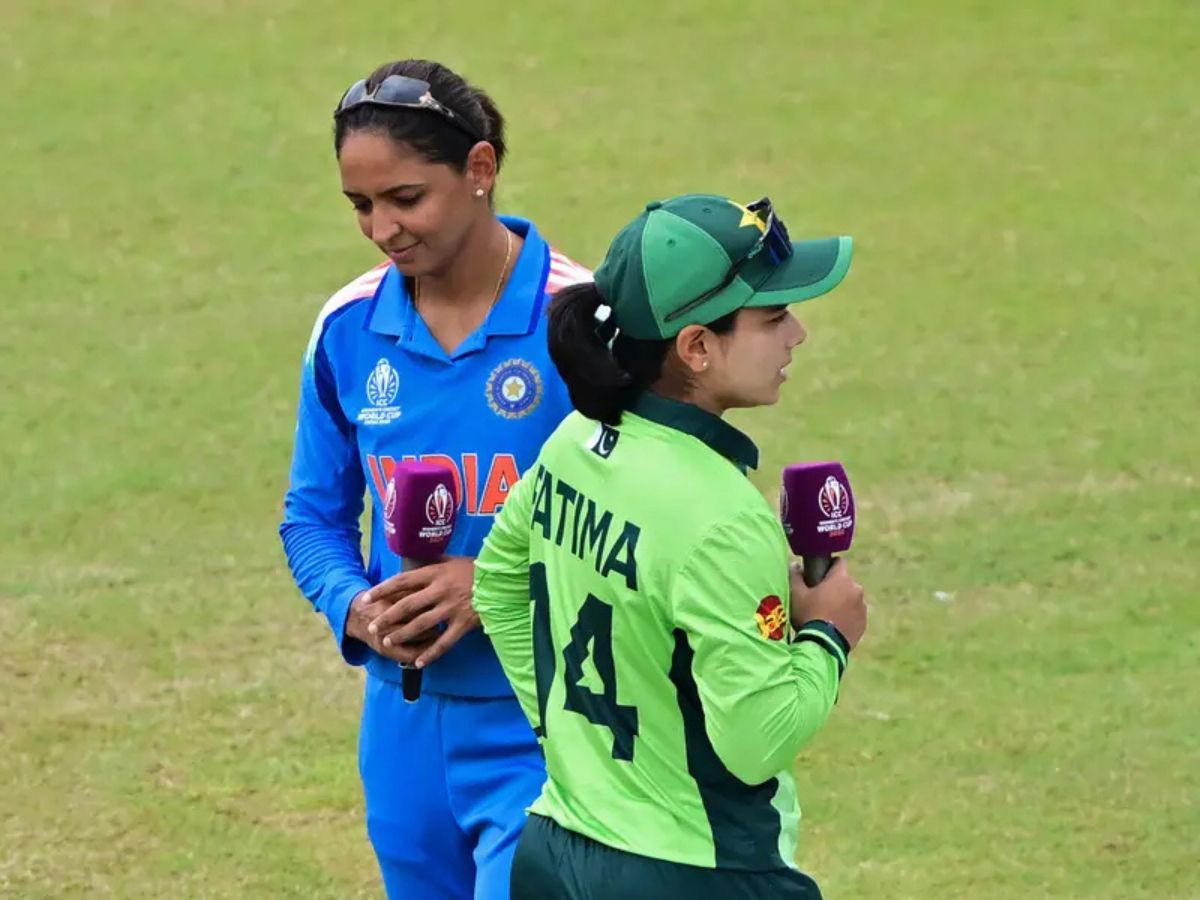
DUBAI, UAE – [Date of Article, e.g., August 6, 2026] – The cricketing world is buzzing with anticipation as the Asian Cricket Council (ACC) officially unveiled the comprehensive schedule for the Women’s Asia Cup 2026. Set to ignite Dubai’s iconic International Cricket Stadium from August 28 to September 13, the tournament promises a thrilling display of T20 cricket, culminating in a highly anticipated final under the floodlights. The fixture list confirms what many fans have eagerly awaited: a blockbuster group-stage encounter between arch-rivals India and Pakistan on September 5, a match poised to capture global attention.
This announcement marks a significant moment for women’s cricket in Asia, offering a grand platform for eight nations to showcase their talent and vie for regional supremacy. The decision to host all matches at a single, world-class venue underscores a commitment to delivering a premium cricketing experience for players and spectators alike.
Women’s Asia Cup 2026: A Spectacle Unveiled
The Women’s Asia Cup 2026 is poised to be a landmark event, not just for its competitive cricket but for its role in further elevating the profile of women’s sports across the continent. With the T20 format guaranteeing fast-paced action and dramatic finishes, the tournament is expected to draw substantial viewership and fan engagement. The ACC’s meticulous planning ensures that the global spotlight will firmly be on Dubai for two weeks, celebrating the skill, athleticism, and growing popularity of women’s cricket.
The tournament will feature eight formidable teams, strategically divided into two groups to ensure a balanced and compelling preliminary stage. Group A, often dubbed the ‘Group of Death’ due to its high-profile contenders, includes cricketing giants India and Pakistan, alongside the rapidly improving squads of Thailand and Hong Kong-China. Group B is equally competitive, featuring Sri Lanka, Bangladesh, the United Arab Emirates, and Indonesia, all eager to make their mark and challenge for the coveted trophy.
)
The tournament structure is designed for maximum excitement, with each team in a group playing every other team once. This round-robin format ensures that every match carries significant weight, as only the top two teams from each group will progress to the high-stakes semi-finals. The ultimate showdown for the championship title is slated for September 13, promising a fitting climax to what is expected to be an unforgettable tournament.
Tournament Timeline: From Opening Whistle to Grand Finale
The meticulously planned schedule ensures a continuous flow of high-octane cricket, with every match played under floodlights, offering prime-time viewing for fans in the stadium and around the world.

Group Stage Dynamics
The tournament officially kicks off on August 28 with a captivating encounter between Thailand and Hong Kong-China. This opening match sets the tone for the group stage, immediately highlighting the competitive spirit among the emerging cricketing nations. The initial phase is crucial, as teams battle not just for victory but for vital points that will determine their path to the semi-finals.
Group A:
)
- India: A perennial powerhouse and defending champions, India enters the tournament as strong favorites, boasting a squad replete with world-class talent. Their journey begins on August 30 against Thailand, followed by a clash with Hong Kong-China on September 3, before the monumental showdown with Pakistan.
- Pakistan: Known for their formidable bowling attack and resilient batting, Pakistan will be keen to challenge India’s dominance. Their first match is on September 1 against Thailand, followed by Hong Kong-China on September 7, leading up to the much-anticipated India clash.
- Thailand & Hong Kong-China: These teams represent the growing depth of cricket in Asia. While facing cricketing stalwarts, they will aim to cause upsets and gain invaluable experience, crucial for their long-term development.
Group B:
- Sri Lanka: A strong contender with a history of competitive performances, Sri Lanka will open their campaign on August 29 against UAE, followed by Indonesia on September 2, and Bangladesh on September 6.
- Bangladesh: Known for their spirited play, Bangladesh will look to replicate past successes. Their first fixture is against Indonesia on August 31, followed by Sri Lanka and UAE on September 8.
- UAE & Indonesia: Both teams will be looking to leverage home-like conditions in Dubai (for UAE) and demonstrate their progress on the international stage, challenging the more established teams in their group.
The Marquee Clash: India vs Pakistan
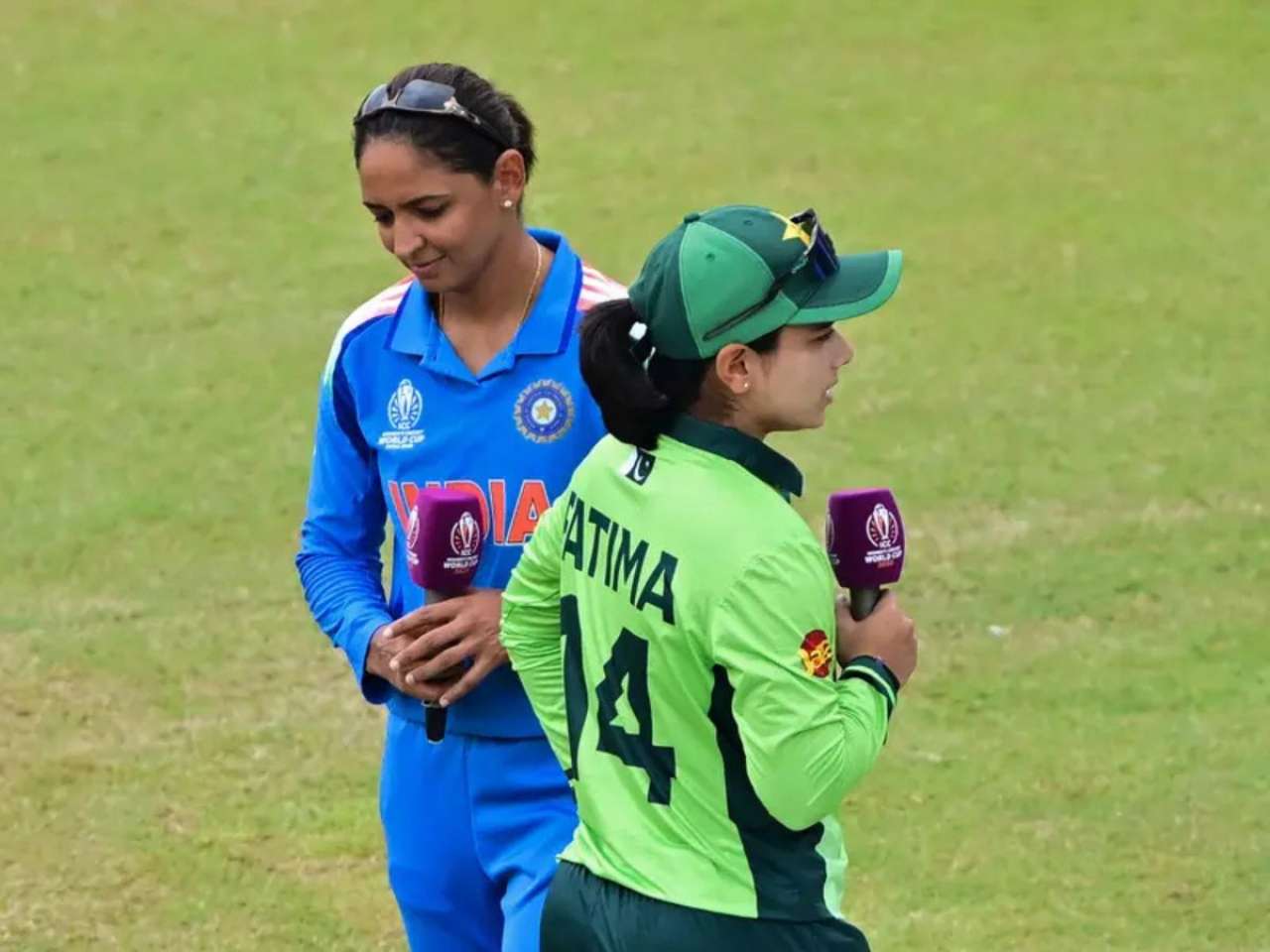
Without a doubt, the most anticipated fixture of the group stage, and potentially the entire tournament, is the clash between India and Pakistan on September 5 at the Dubai International Cricket Stadium. This match transcends mere cricket; it’s a cultural spectacle steeped in history, intense rivalry, and unparalleled passion.
)
Matches between these two cricketing giants, regardless of the format or gender, invariably draw monumental attention. The atmosphere at the Dubai International Cricket Stadium is expected to be electric, with fans traveling from both nations and beyond to witness this historic encounter. For the players, it’s not just another game; it’s an opportunity to etch their names in history, often carrying the weight of national expectations. The strategic importance of this match is also significant, as a win here could provide a crucial psychological and points advantage for progression to the semi-finals. Cricket analysts will dissect every ball, every decision, and every performance, making it a focal point of discussion leading up to and following the event.
Road to the Knockouts
Following the intense group stage, the tournament enters its knockout phase, where the stakes are amplified.
)
- Semi-final 1: Scheduled for September 10.
- Semi-final 2: Scheduled for September 11.
- The Grand Final: The two victorious semi-finalists will then battle for ultimate glory in the championship match on September 13.
The full fixture list is as follows:
- 28 August: Thailand vs Hong Kong, China
- 29 August: Sri Lanka vs UAE
- 30 August: India vs Thailand
- 31 August: Bangladesh vs Indonesia
- 1 September: Pakistan vs Thailand
- 2 September: Sri Lanka vs Indonesia
- 3 September: India vs Hong Kong, China
- 4 September: UAE vs Indonesia
- 5 September: India vs Pakistan
- 6 September: Sri Lanka vs Bangladesh
- 7 September: Pakistan vs Hong Kong, China
- 8 September: Bangladesh vs UAE
- 10 September: Semi-final 1
- 11 September: Semi-final 2
- 13 September: Final
Elevating Women’s Cricket: Context and Significance
The Women’s Asia Cup 2026 arrives at a time of unprecedented growth and recognition for women’s cricket globally. The sport has shed its underdog status, attracting significant investment, larger fan bases, and increased media coverage. Tournaments like the Women’s Premier League (WPL) in India and The Hundred in England have demonstrated the immense commercial and sporting potential of women’s T20 cricket, inspiring a new generation of female athletes and fans.
)
ACC’s Role and Vision
The Asian Cricket Council has been a proactive force in this global movement, consistently striving to develop and promote cricket across the vast and diverse Asian continent. The Women’s Asia Cup is a cornerstone of this strategy, providing a vital international platform for Asian teams. By organizing such high-profile events, the ACC not only showcases existing talent but also motivates member nations to invest more in grassroots development, coaching, and infrastructure for women’s cricket. ACC officials have repeatedly emphasized their commitment to fostering an environment where women cricketers can thrive, compete at the highest levels, and inspire millions.
T20 Format Appeal
The choice of the T20 format for the Asia Cup is strategic. It is widely regarded as the most accessible and exciting format of cricket, perfectly suited for engaging diverse audiences. Its fast-paced nature, emphasis on power hitting, tactical innovation, and thrilling finishes make it a fan favorite. For women’s cricket, T20 provides a dynamic stage that highlights the athleticism and skill of the players, making every match a potential nail-biter and boosting overall entertainment value. This format is crucial for attracting new viewers and retaining existing ones, especially in regions where cricket competes with numerous other sports.
)
Dubai as a Premier Venue
The decision to host all matches at the Dubai International Cricket Stadium is a testament to the venue’s world-class facilities and Dubai’s proven track record as a host for major international sporting events. The stadium offers state-of-the-art playing conditions, excellent spectator amenities, and advanced broadcasting infrastructure, ensuring a seamless experience for players, officials, and media.
Crucially, all matches will be played under floodlights, transforming them into prime-time evening spectacles. This not only enhances the viewing experience with cooler temperatures for players and fans but also maximizes television viewership across different time zones. Dubai’s central geographical location and excellent connectivity also make it an ideal hub for international teams and fans, further contributing to the tournament’s allure. The city’s multicultural environment also ensures a welcoming atmosphere for participants from diverse backgrounds.
)
Aspirations of Participating Nations
While India and Pakistan often grab headlines, the tournament is equally vital for teams like Thailand, Hong Kong-China, UAE, and Indonesia. For these emerging cricketing nations, the Women’s Asia Cup offers an invaluable opportunity to:
- Gain International Exposure: Competing against top-tier teams provides crucial match practice and experience under pressure.
- Measure Progress: It allows these teams to assess their development and identify areas for improvement against regional benchmarks.
- Inspire Local Talent: Strong performances can inspire more young girls in their home countries to take up cricket, bolstering the sport’s future.
- Boost National Pride: Representing their country in a major international tournament is a source of immense pride and can elevate the sport’s status within their respective nations.
A Glimpse into History
The Women’s Asia Cup has a rich history, with India largely dominating its editions since its inception. India has won the trophy multiple times, showcasing their consistent strength and depth in women’s cricket. While India enters as the team to beat, past tournaments have also seen other nations like Pakistan and Bangladesh put up strong challenges and even claim titles, demonstrating the evolving competitive landscape. This history adds another layer of intrigue to the 2026 edition, as other teams strive to break India’s stronghold and establish their own legacies. The tournament acts as a crucial benchmark for the progress of women’s cricket within the Asian continent, illustrating how far the game has come and where it is headed.
)
Voices from the Governing Body and Beyond
While specific quotes from officials were not immediately available with the schedule announcement, the Asian Cricket Council’s overarching sentiment regarding the Women’s Asia Cup 2026 is clear and resonant.
A spokesperson for the ACC, in a statement outlining the tournament’s vision, emphasized: "The Women’s Asia Cup 2026 represents a critical milestone in our ongoing commitment to foster and elevate women’s cricket across Asia. By bringing together the finest talent from eight nations in a world-class setting like Dubai, we aim to not only deliver an exhilarating spectacle of cricket but also to inspire a new generation of female athletes. The growth of women’s cricket is a top priority for the ACC, and this tournament is a testament to our dedication to providing robust platforms for our players to shine on the international stage."
)
The excitement is palpable among the participating teams. Coaches and captains are reportedly already deep in strategic planning. While official team responses are still forthcoming, the general mood among the teams is one of eager anticipation. Players are focused on rigorous preparation, seeing the Asia Cup as a vital opportunity to test their skills against regional rivals and build momentum towards future international commitments. The prospect of playing under floodlights in a single, high-quality venue is particularly appealing to athletes, promising optimal playing conditions and an enhanced competitive environment.
Beyond the official circles, the announcement has ignited a fervent response from cricket fans. Social media platforms are abuzz with discussions, predictions, and expressions of excitement, particularly surrounding the India-Pakistan encounter. Fan groups are already making plans for travel to Dubai, highlighting the magnetic draw of this particular rivalry and the growing passion for women’s cricket. The tournament is viewed not just as a series of matches but as a celebration of the spirit of sportsmanship and competition that unites diverse communities across Asia.
)
Beyond the Boundary: Impact and Future Prospects
The Women’s Asia Cup 2026 is more than just a cricket tournament; its implications extend far beyond the boundaries of the Dubai International Cricket Stadium. It serves as a powerful catalyst for regional development, global recognition, and the sustained growth of women’s sports.
Regional Impact and Development
The tournament significantly strengthens women’s cricket within Asia by providing a high-profile, regular competition. This continuous exposure to top-level cricket is crucial for the development of players, coaches, and support staff across all participating nations. It encourages national cricket boards to invest more in women’s programs, from grassroots initiatives to elite athlete pathways. The experience gained by emerging teams like Thailand, Hong Kong-China, UAE, and Indonesia by competing against established powers like India, Pakistan, Sri Lanka, and Bangladesh is invaluable, helping to bridge the gap in skill and experience and ultimately fostering a more competitive regional landscape.
)
Global Recognition
Events like the Women’s Asia Cup contribute significantly to the broader narrative of women’s sports gaining prominence on the global stage. By showcasing high-quality cricket and attracting substantial viewership, it reinforces the message that women’s sports are compelling, entertaining, and worthy of widespread attention. This contributes to breaking down stereotypes and promoting gender equality in sports, inspiring other sporting organizations to invest more in their women’s divisions.
Commercial Aspects and Economic Benefits
Hosting a tournament of this magnitude in Dubai brings substantial commercial benefits. It attracts sponsorships, generates revenue through broadcasting rights, and boosts tourism. The influx of teams, officials, media, and fans will provide a significant economic stimulus to Dubai’s hospitality, retail, and transportation sectors. The successful execution of such an event further cements Dubai’s reputation as a premier destination for international sports, potentially attracting more major tournaments in the future. The prime-time scheduling under floodlights is also designed to maximize commercial appeal, attracting advertisers and ensuring optimal exposure for sponsors.
)
Player Development and Emergence of Talent
For the players, the Asia Cup is an unparalleled platform. It offers an opportunity for emerging talents to perform under pressure on a big stage, catching the eye of national selectors, scouts for franchise leagues, and potentially, international cricket boards. The experience of competing against diverse playing styles and high-stakes scenarios is crucial for individual player development. For established stars, it’s a chance to solidify their reputation and further hone their skills against strong opposition. The exposure can lead to greater individual recognition, endorsement opportunities, and overall career progression.
Legacy and Future of Women’s Cricket
The Women’s Asia Cup 2026 is poised to leave a lasting legacy. Beyond the immediate excitement, it will inspire countless young girls across Asia to pick up a bat and ball, dreaming of representing their countries. The visibility of successful female athletes in action provides powerful role models, driving participation at the grassroots level. This sustained growth in participation and interest is fundamental to the long-term health and prosperity of women’s cricket. Each successful tournament paves the way for greater investment, more professional structures, and ultimately, a more vibrant and equitable future for women in sport. As the global landscape of cricket continues to evolve, events like the Women’s Asia Cup are instrumental in ensuring that women’s cricket remains at the forefront of this exciting transformation.
