New Delhi, August 18, 2026 – In a significant move to bolster the credibility and security of national-level examinations, the National Testing Agency (NTA) has announced a comprehensive overhaul of its operational framework. Following a high-level review meeting with Union Education Minister Pralhad Joshi, the agency is set to implement a stringent four-tier question paper checking system, alongside a substantial restructuring of its expert pool. These measures come in the wake of persistent concerns regarding examination irregularities and aim to restore public trust in the integrity of the NTA’s examination processes.
The directive from Minister Joshi underscores a commitment to ensuring the "smooth and secure conduct of examinations" by putting in place "all necessary security measures and infrastructural facilities." This proactive approach signals a determination to address systemic vulnerabilities and prevent future disruptions that have marred recent examination cycles.
The Genesis of Reform: Addressing a Crisis of Confidence
The NTA’s latest initiatives are a direct response to escalating public and political pressure stemming from a series of high-profile examination controversies. The NEET-UG paper leak, in particular, triggered widespread student protests and led to the resignation of the previous Union Education Minister, Dharmendra Pradhan. The ensuing scrutiny highlighted critical weaknesses in the NTA’s security protocols and its overall operational efficiency.
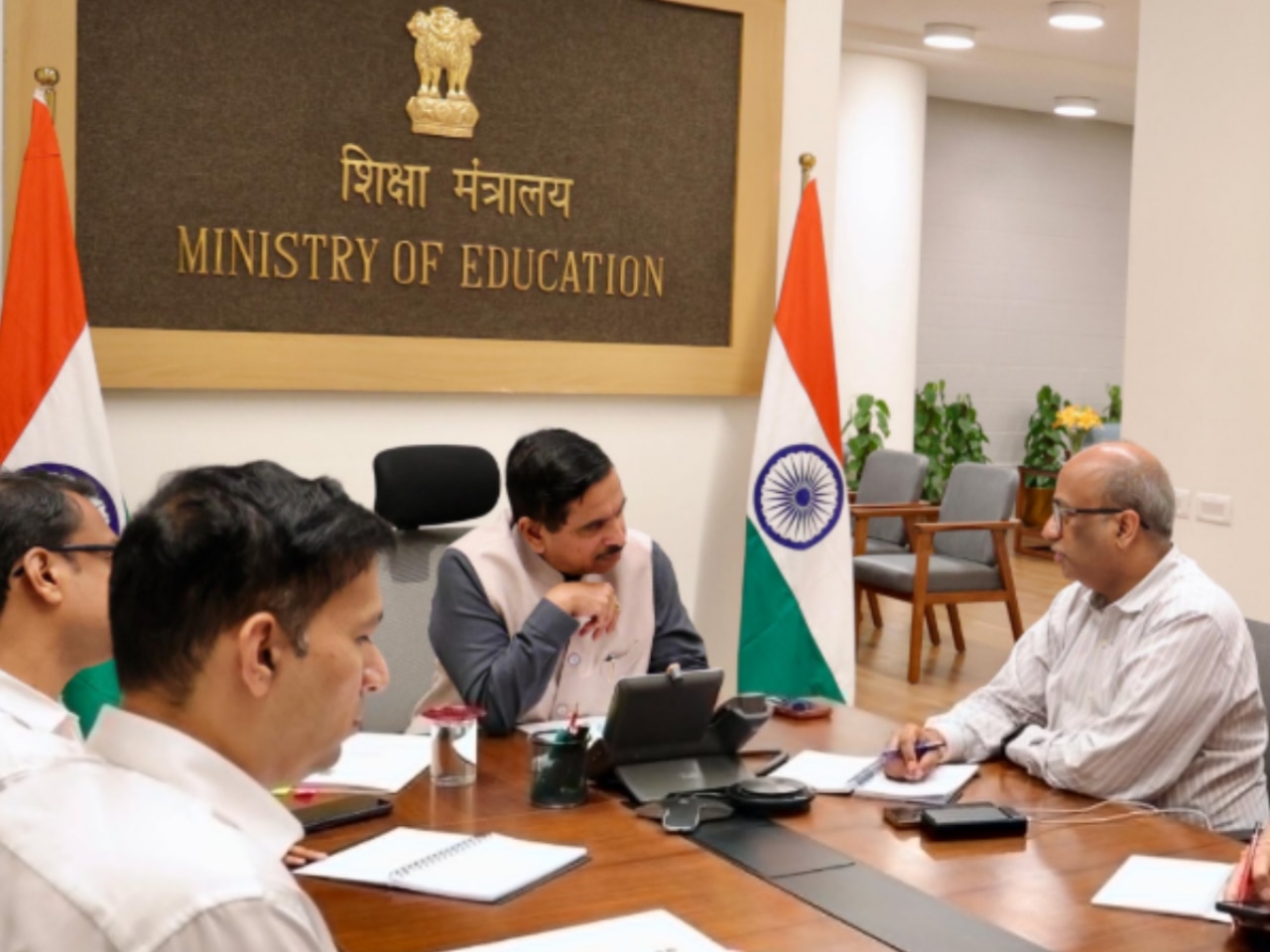
Minister Pralhad Joshi, who assumed the Education portfolio amidst this crisis, has made the NTA’s reform a top priority. His recent meeting with senior officials, including the NTA Director General and the Secretary in the Department of Higher Education, served as a critical juncture for outlining a robust roadmap for change. The Minister’s insistence on a "war footing" for implementing these reforms underscores the urgency and gravity of the situation.
A Multi-Layered Defense: The Four-Tier Question Paper Scrutiny System
At the heart of the NTA’s revitalized security apparatus lies the introduction of a novel four-tier question paper checking system. This innovative approach is designed to create multiple layers of verification, significantly reducing the margin for error and the potential for malfeasance in the creation and dissemination of examination papers. While specific details of each tier are yet to be fully elucidated, the underlying principle is to establish an exhaustive process that leaves no stone unturned in ensuring the accuracy and integrity of every question.
This system is expected to involve:
Initial Content Review: A preliminary assessment of the question paper for factual accuracy, syllabus alignment, and pedagogical soundness by subject matter experts.
Technical Scrutiny: A review focused on the clarity of language, absence of ambiguity, and adherence to prescribed formats and guidelines. This tier would likely involve language experts and seasoned examiners.
Security Verification: A critical phase dedicated to ensuring the question paper’s confidentiality. This would involve checks to prevent any inadvertent leaks or pre-emptive access by unauthorized individuals. This might include stringent access controls and digital security measures.
Final Approval and Dispatch Protocol: A conclusive review and authorization by a designated senior authority before the question paper is sealed and prepared for secure dispatch to examination centers. This tier would likely involve a final sign-off from a high-ranking official within the NTA.
This multi-tiered approach aims to not only catch potential errors but also to establish a clear chain of accountability at each stage of the question paper’s lifecycle. The goal is to move beyond a single point of failure and create a resilient system that can withstand scrutiny and prevent the kind of lapses that have eroded public trust.
Reshaping the Expert Landscape: A Strategic Reorganization
In tandem with the enhanced paper scrutiny, the NTA is undertaking a significant restructuring of its expert cadre. The agency has reportedly removed approximately 600 experts from its roster, a move aimed at streamlining operations and onboarding individuals with demonstrably higher levels of competence and commitment. This cleansing of the expert pool is seen as a crucial step in ensuring that only the most qualified and reliable professionals are involved in the examination process.
The NTA is also actively working on inducting new experts, with plans to onboard 20 to 25 officials over the next two to three weeks. This strategic recruitment drive is expected to infuse fresh talent and expertise into the agency, further strengthening its examination capabilities. The Director General of NTA briefed Minister Joshi on the agency’s revamp of its examination team, highlighting the proactive steps being taken to build a more robust and efficient workforce.
This significant reshuffling of personnel signals a clear intent to address potential issues of complacency or compromise within the existing expert network. By bringing in new blood and rigorously vetting existing members, the NTA aims to foster a culture of accountability and excellence.
Fortifying Infrastructure: A Move Towards Enhanced Security and Efficiency
Beyond personnel and process reforms, the NTA is also prioritizing the enhancement of its physical and digital infrastructure. The agency is preparing to relocate its offices to new premises, a move being executed on a "war footing." This relocation is coupled with a significant reinforcement of security arrangements at the new locations, including the deployment of Central Industrial Security Force (CISF) teams. This measure is designed to create a secure environment for the NTA’s operations, particularly concerning the handling of sensitive examination materials.
Furthermore, Minister Joshi has directed a "complete overhaul of the Confidential Operations (CONOPS) architecture." This includes a stringent focus on implementing secure practices such as:
Secluded Rooms: Ensuring that all sensitive operations are conducted in physically isolated and controlled environments.
Air-Gapped Systems: Utilizing computer systems that are physically disconnected from external networks to prevent unauthorized access and data breaches.
Device-Deposit Protocols: Implementing strict procedures for the surrender and secure storage of electronic devices by personnel involved in sensitive operations.
The directive also emphasizes "strict compliance be ensured with the established exam protocols" and mandates a "thorough audit of all exam processes" with a subsequent report on corrective actions taken. This comprehensive approach to infrastructure and operational security is crucial for building a system that is not only efficient but also impermeable to external interference.
A Chronology of Action and Response
The recent reforms at the NTA are not isolated events but rather the culmination of a series of escalating concerns and decisive governmental responses.
Early 2026: Persistent reports of minor discrepancies and logistical challenges in various NTA-conducted examinations begin to surface, raising initial concerns among stakeholders.
Mid-2026: The NEET-UG examination becomes embroiled in a major paper leak scandal, igniting widespread student protests across the country. The integrity of the examination process is severely questioned.
Late July 2026: In response to the growing public outcry and the political fallout, Union Education Minister Dharmendra Pradhan resigns from his post. Pralhad Joshi is appointed as the new Union Education Minister.
Early August 2026: Minister Pralhad Joshi announces a thorough review of the NTA’s functioning and promises to implement robust reforms to ensure examination integrity.
August 15, 2026: Minister Joshi issues a strong directive for a complete overhaul of the NTA’s security protocols, including CONOPS architecture, air-gapped systems, and device-deposit protocols.
August 18, 2026: A critical review meeting is held with NTA officials. The agency briefs the Minister on the actions taken, including the removal of 600 experts, the plan to induct new personnel, and the introduction of the four-tier question paper checking system. Plans for office relocation and CISF deployment are also discussed.
This timeline illustrates a swift and decisive response from the Ministry of Education, demonstrating a commitment to addressing the NTA’s shortcomings and rebuilding public confidence.
Supporting Data and Official Statements
While specific data points regarding the number of errors in past examinations or the success rate of previous security measures are not explicitly detailed in the initial reports, the sheer scale of the NTA’s reformative actions speaks volumes. The removal of 600 experts suggests a significant reassessment of the agency’s human resources and a potential identification of underperforming or compromised individuals.
The Ministry of Education’s official communication on X (formerly Twitter) provided a direct glimpse into the Minister’s directives:
"As a follow up meeting on NTA, Union Education Minister Shri @JoshiPralhad directed that all necessary security and related infrastructural facilities should be put in place for the smooth conduct of examinations. Following directions from the Minister, DG, NTA apprised on the…"
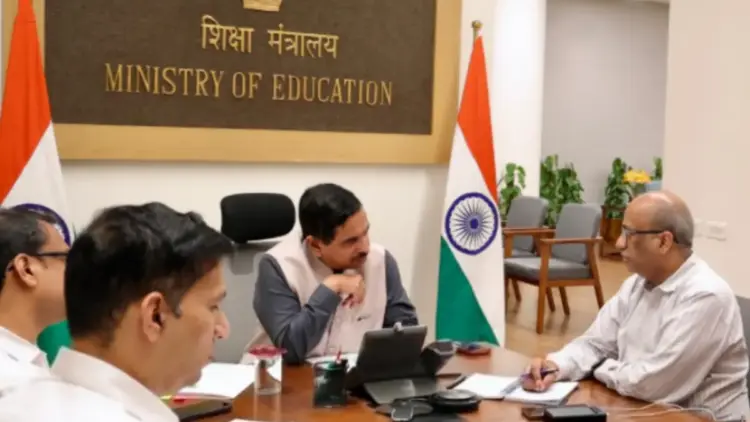
This statement, accompanied by an image of the meeting, confirms the high-level attention and strategic direction being provided to the NTA. The emphasis on "necessary security and related infrastructural facilities" highlights a holistic approach to strengthening the examination ecosystem.
The NTA Director General’s briefing to the Minister, detailing the revamp of the examination team and the onboarding of new experts, indicates a proactive stance by the agency in implementing the directives. The mention of the four-tier checking system as a key innovation underscores the focus on improving the core process of question paper creation and validation.
Implications for the Future of Examinations
The NTA’s sweeping reforms carry profound implications for the future of national-level examinations in India.
Enhanced Credibility: The multi-pronged approach, particularly the stringent four-tier scrutiny and expert overhaul, is expected to significantly enhance the credibility of examinations conducted by the NTA. This, in turn, will foster greater trust among students, parents, and educational institutions.
Reduced Discrepancies: The meticulous checks and balances introduced are designed to minimize errors and discrepancies, ensuring a fairer and more equitable experience for all candidates. This could lead to a reduction in grievances and legal challenges related to examination outcomes.
Strengthened Security: The reinforcement of physical and digital security measures, including the deployment of CISF and the implementation of advanced CONOPS, will create a more robust defense against potential leaks and malpractices.
Improved Candidate Experience: By addressing systemic issues, the NTA aims to provide a smoother and less stressful examination experience for candidates, allowing them to focus on demonstrating their knowledge and skills.
Potential for Increased Competition: As the examination system becomes more robust and transparent, it could lead to a more merit-based selection process, potentially increasing competition for coveted seats in higher education and government jobs.
However, the success of these reforms will ultimately depend on their rigorous implementation and continuous monitoring. The NTA must remain vigilant, adapt to evolving threats, and consistently uphold the highest standards of integrity to truly rebuild confidence and ensure a secure future for examinations in India. The journey towards a flawless examination system is a continuous one, and these reforms represent a significant stride in the right direction.