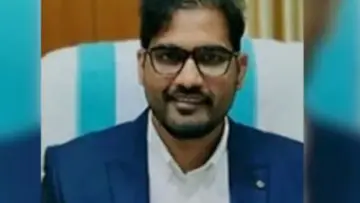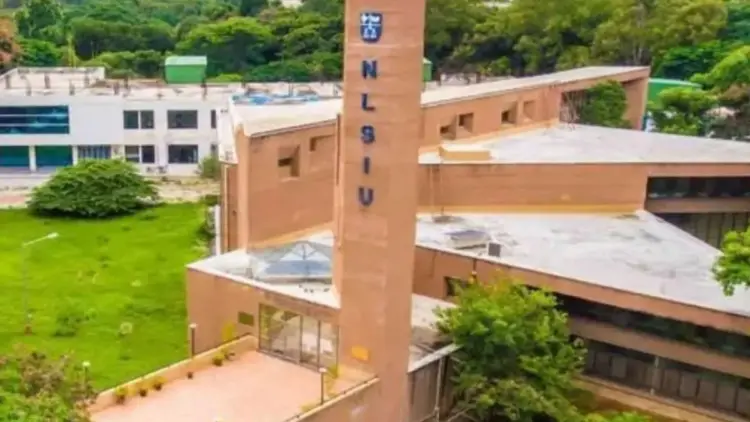
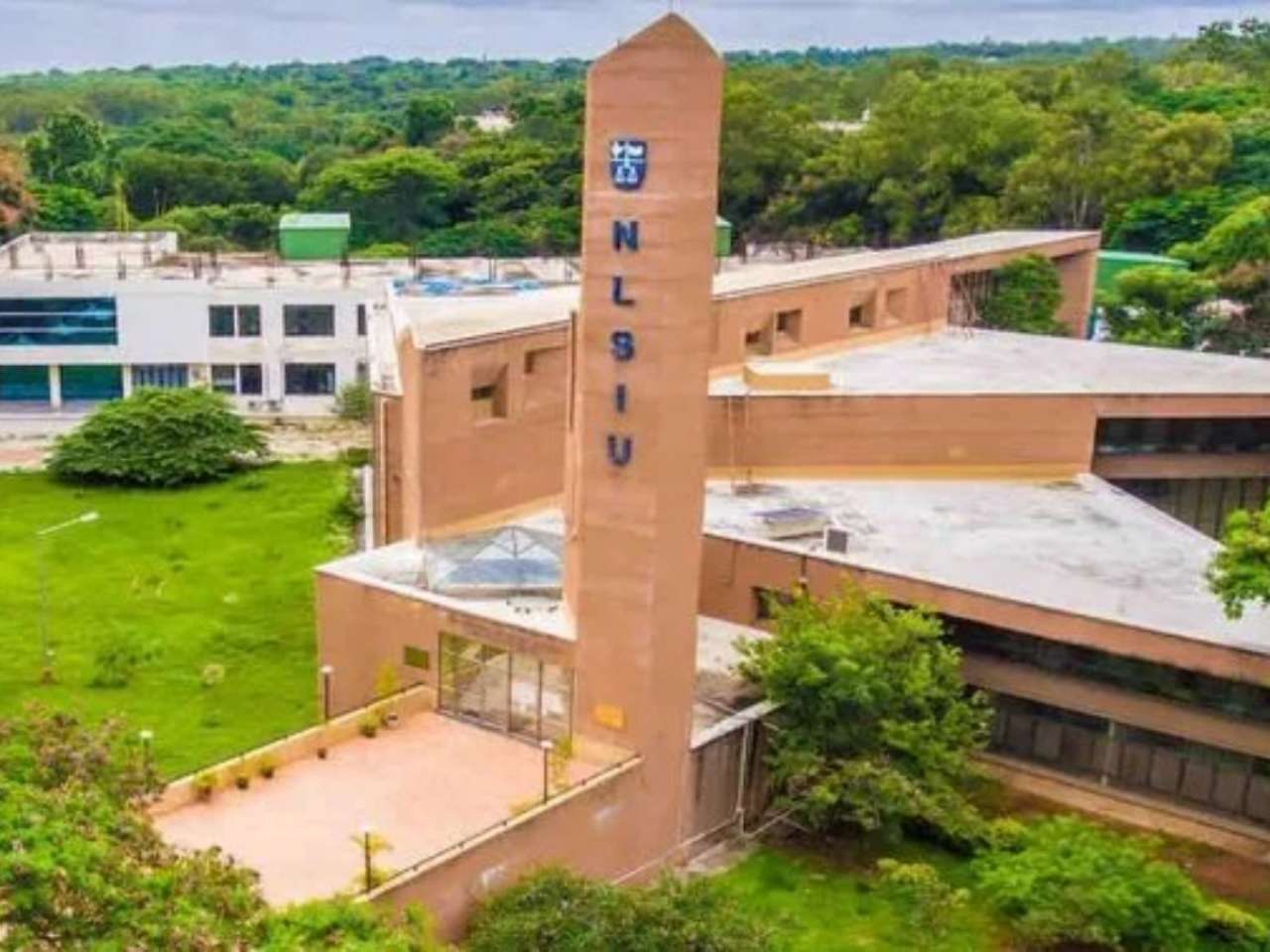
Bengaluru, India – In a significant and unexpected development, the prestigious National Law School of India University (NLSIU) Bengaluru has announced the cancellation of its 34th Annual Convocation ceremony for the graduating batch of 2026. The decision, communicated to students on August 27th, comes after a burgeoning controversy surrounding the proposed presence of Chief Justice of India (CJI) Surya Kant and Bar Council of India (BCI) Chairman Manan Kumar Mishra as distinguished guests. The university cited "unavoidable circumstances" as the reason for the abrupt cancellation, a move that has left students and observers questioning the underlying tensions.
While degrees will be awarded in absentia, the absence of a formal ceremony marks a stark departure from tradition and raises questions about the institutional dynamics and student-faculty relations within one of India’s premier legal education institutions. The situation is further complicated by a recent, similar controversy at NALSAR University of Law, Hyderabad, suggesting a potentially broader unease among law students regarding the selection of chief guests for academic milestones.
The Unfolding Controversy: A Disrupted Milestone
The 34th Annual Convocation of NLSIU Bengaluru was initially scheduled for September 12th. The university had extended invitations to prominent legal figures, including CJI Surya Kant and BCI Chairman Manan Kumar Mishra. However, it appears that a significant segment of the graduating batch expressed strong reservations about the participation of these dignitaries. While the specific nature of the students’ objections has not been fully detailed by the university, reports suggest it is linked to broader concerns about the BCI’s influence and the perceived politicization of academic forums.
The university’s notice, issued on August 27th, stated: "Despite our collective best efforts, due to unavoidable circumstances, we are unable to hold the 34th Annual Convocation." This vague explanation has fueled speculation and disappointment among the graduating students, who had been eagerly anticipating their formal recognition.
In lieu of the physical ceremony, NLSIU has confirmed that degrees will be conferred in absentia, pending approval from its governing bodies. Students will have the option to receive their certificates either by courier or by collecting them from the campus. The university has pledged to provide further details and a form for students to indicate their preferred method of receiving their academic credentials. While this ensures that students will not be deprived of their hard-earned degrees, it undeniably diminishes the celebratory aspect of a convocation, a rite of passage for graduating students.
Echoes of Hyderabad: A Pattern of Discontent?
The NLSIU situation bears a striking resemblance to a recent incident at NALSAR University of Law, Hyderabad. In that instance, students also voiced objections to the proposed presence of CJI Surya Kant as the chief guest at their convocation. The controversy at NALSAR escalated when the Bar Council of India, under Chairman Manan Kumar Mishra, initially issued an order freezing the enrollment of NALSAR’s entire 2026 graduating batch with state bar councils. This punitive measure was ostensibly taken pending an inquiry into the matter, implying a potential disciplinary action against the protesting students.

However, the BCI later rescinded this order, stating that their inquiry concluded that the majority of students had not intended to participate in any act of disrespect. The amended order permitted all graduating students from NALSAR to enroll with the state bar council of their choice. This retraction, while a relief for the students, highlighted the BCI’s willingness to intervene in academic proceedings and the potential consequences for student dissent.
The parallel between the two incidents suggests that the concerns raised by NLSIU students might not be isolated but could reflect a wider sentiment among law students regarding the selection of chief guests and the perceived role of the BCI in shaping academic events. The timing of the NLSIU cancellation, so soon after the NALSAR resolution, further amplifies this possibility.

Student Voices and the "Gen-Z Way"
While official statements from NLSIU remain guarded, the underlying student sentiment appears to be one of disappointment and, perhaps, a sense of disillusionment. The decision to cancel the convocation, rather than finding an alternative solution or engaging in a more transparent dialogue with the students, has been met with criticism.
Saurav Das, co-convenor of the Cockroach Janta Party, a group often critical of established institutions, reacted to NLSIU’s decision with a provocative suggestion. He expressed hope that the graduating students would "organise their own graduation ceremony and invite the most honourable guest to felicitate them. Do it the Gen-Z way!" This statement, while perhaps flippant, points to a potential desire among students for a more self-determined and authentic celebratory experience, free from what they might perceive as imposed or controversial figures.

The "Gen-Z way" alluded to by Das could signify a desire for greater student agency, a rejection of traditional hierarchies, and a preference for events that resonate more authentically with their values and aspirations. It raises the question of whether universities, in their eagerness to secure high-profile guests, adequately gauge the pulse of their student body.
Official Responses and Underlying Tensions
The official stance from NLSIU, citing "unavoidable circumstances," offers little insight into the specific reasons for the cancellation. This lack of transparency can be detrimental, allowing speculation to fester and potentially eroding trust between the administration and students.

The Bar Council of India, through its Chairman Manan Kumar Mishra, has been a central figure in both the NLSIU and NALSAR controversies. The BCI’s intervention in the NALSAR case, including the initial freezing of student enrollments, drew considerable attention and criticism. While the order was eventually withdrawn, it highlighted the BCI’s significant influence over legal education and the potential for its actions to impact students’ careers.
The reluctance of students to have certain dignitaries attend their convocation, particularly in prestigious institutions like NLSIU and NALSAR, may stem from various factors. These could include perceived political leanings of the individuals, past controversies associated with them, or a desire for chief guests who better represent contemporary legal thought and student aspirations. The legal fraternity itself is not monolithic, and differing viewpoints on justice, legal reform, and institutional governance are common. When these differing perspectives intersect with a formal academic ceremony, tensions can arise.

Implications for Legal Education and Student Representation
The cancellation of the NLSIU convocation carries significant implications for the landscape of legal education in India.
Firstly, it raises questions about the autonomy of academic institutions and the extent to which external bodies, such as the BCI, should influence their decision-making regarding academic events. While the BCI plays a crucial role in regulating the legal profession, its direct intervention in convocation guest lists, as seen in the NALSAR case, blurs the lines between regulatory oversight and academic freedom.

Secondly, the incident underscores the growing importance of student voice and agency in university affairs. In an era where students are increasingly aware of social and political issues, their opinions on who represents their graduating class at such a pivotal moment cannot be easily dismissed. Universities need to develop more robust mechanisms for student consultation and feedback, ensuring that their concerns are addressed proactively and respectfully.
Thirdly, the "unavoidable circumstances" narrative, while a convenient way to conclude the matter, does little to address the root causes of the discontent. It suggests a potential breakdown in communication or an inability to navigate differing viewpoints within the university community. A more open and constructive dialogue, perhaps involving mediation or facilitated discussions, could have yielded a more positive outcome, even if it meant re-evaluating the choice of guests.

Finally, the incident might prompt a broader introspection within the legal education sector about the selection criteria for chief guests at convocations. Should these guests primarily be figures of high institutional authority, or should they also represent diverse perspectives, innovative legal thinking, or individuals who embody the values and aspirations of the graduating cohort? The choice of a chief guest is not merely symbolic; it sets a tone and can offer a powerful message to the graduating students as they embark on their professional journeys.
The cancellation of the NLSIU convocation is a regrettable outcome that deprives students of a cherished ceremony. It serves as a stark reminder of the need for greater transparency, inclusivity, and respect for student voices within India’s esteemed legal institutions. As the degrees are conferred in absentia, the hope remains that the lessons learned from this unfortunate episode will lead to a more collaborative and understanding approach to academic governance in the future. The "Gen-Z way" might just be a call for a more student-centric and authentic approach to celebrating academic achievements.