

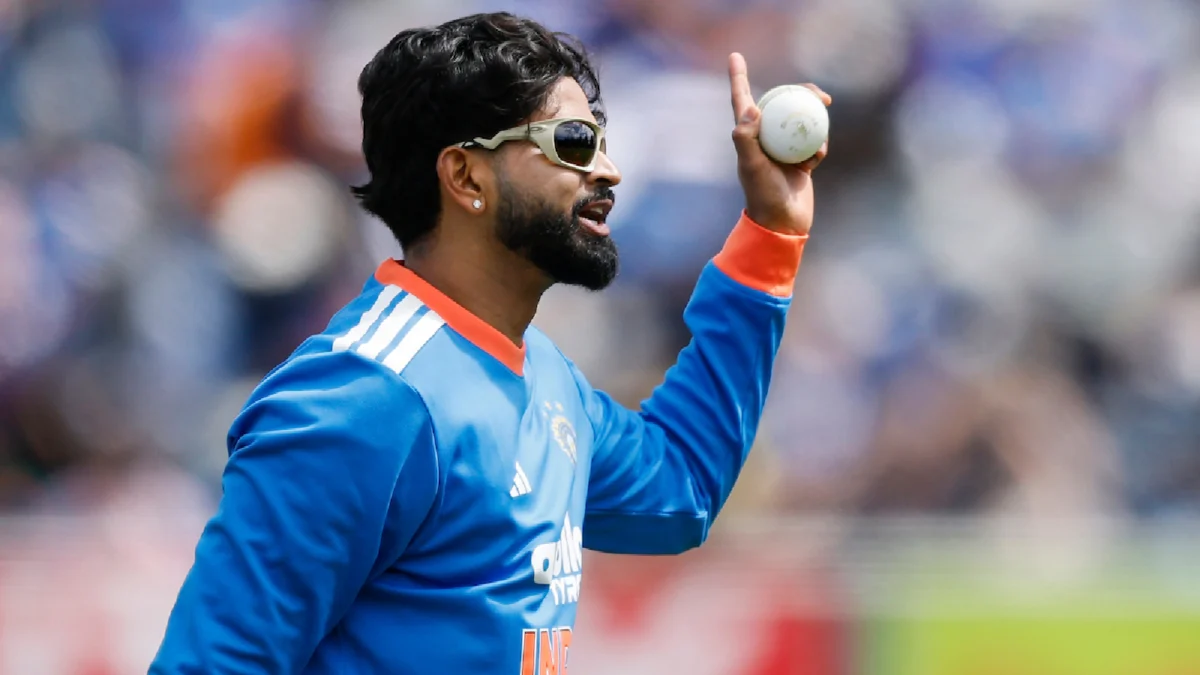
Historic Encounter in Sano: India and Japan Forge Sporting Bonds on the Cricket Pitch
Sano, Japan – September 21, 2026, 05:40 PM IST – A new chapter in international cricket, and indeed in global sporting diplomacy, is set to be written tomorrow as the Indian national cricket team prepares for its inaugural international clash against Japan. The historic one-off friendly, to be held in Sano, has captivated cricketing enthusiasts and diplomatic observers alike, signalling a significant stride in the sport’s global expansion and a deepening of bilateral ties between two Asian powerhouses.
India’s captain, Shreyas Iyer, addressed the media in a pre-match press conference today, exuding a blend of anticipation and optimism. His remarks underscored the rapidly evolving landscape of international cricket, where traditional strongholds are increasingly sharing the stage with emerging cricketing nations. The match, far more than just a game, is a testament to the sport’s growing appeal and a direct outcome of high-level diplomatic initiatives aimed at fostering cultural exchange through sports.
Shreyas Iyer’s Perspective: A Captain’s Vision for Cricket’s Expansion
Leading one of the world’s most dominant cricketing sides, Shreyas Iyer finds himself at the forefront of a unique moment. His team’s encounter with Japan, a nation where baseball and sumo wrestling traditionally reign supreme, is a potent symbol of cricket’s ambitious outreach.
Embracing New Frontiers
"No, I never thought about it," Iyer admitted candidly when asked if he ever envisioned playing cricket in Japan. His initial surprise quickly gave way to an astute observation about the sport’s burgeoning global presence. "But yes, I mean, cricket is picking up in every country now, and all the teams are becoming dominant in their own ways, so I’m sure this will be an exciting match as well tomorrow."
Iyer’s comments reflect a broader sentiment within the cricketing fraternity: the game is no longer confined to its Commonwealth origins. The International Cricket Council (ICC) has invested heavily in development programs across non-traditional cricketing nations, and the fruits of these efforts are becoming increasingly visible. The opportunity for a top-tier team like India to play against an associate nation such as Japan not only provides invaluable exposure for the hosts but also reinforces the narrative of cricket as a truly global sport. For Iyer and his team, it’s an opportunity to contribute to this expansion, serving as ambassadors for a game that millions adore. The Indian team, accustomed to playing in packed stadiums against formidable opponents, now faces the intriguing challenge of adapting to potentially unfamiliar conditions and a less-known adversary, all while upholding the spirit of the game.
A Warm Welcome in the Land of the Rising Sun
Beyond the cricketing pitch, Iyer spoke glowingly of his team’s experience in Japan thus far. The warmth and hospitality extended by the Japanese people have clearly left a strong impression on the Indian contingent. "It’s beautiful. The time we landed, we saw the people, very cordial, generous, and helpful in nature, which we see it back at home as well. The hospitality is brilliant," Iyer remarked, drawing parallels with India’s own renowned hospitality.
His observations highlight the cultural exchange that forms a core component of this visit. While the team has only been in Japan for a short period, the initial impressions are overwhelmingly positive. "It’s too early to talk about it [only been a day], but I’ve heard special things from people about Japan as a country and Tokyo as a city as well, so looking forward to explore more," he added, indicating the team’s eagerness to immerse themselves in the local culture beyond their sporting commitments. Such interactions are crucial for building bridges between nations and fostering mutual understanding, aligning perfectly with the broader objectives of the diplomatic initiative that paved the way for this match.
Regarding the upcoming game, Iyer expressed cautious optimism. "Yes, it is going to be a thrilling and exciting match for us. This is the first time we will be playing Japan, and I don’t know much about the conditions, the wicket, but looking forward to have a great match." He acknowledged the limited prior knowledge of their opponents, a common challenge when playing against emerging teams. "I saw a little bit of reels going here and there, but yes, we will be doing our studies and knowing about the players more, and super excited for the game tomorrow. Hopefully it doesn’t rain, and all the viewers and the spectators who will be coming to the stadium will get a nice competitive game," he concluded, emphasizing the desire for a fair and engaging contest for all involved.
The Genesis of a Sporting Milestone: "Sport 75"
The India-Japan cricket match is not an isolated event but rather the tangible manifestation of a far-reaching diplomatic agreement known as "Sport 75." This initiative is a cornerstone of enhanced cooperation between India and Japan, transcending traditional economic and political partnerships to embrace the powerful medium of sports.
Diplomatic Innings: Modi and Takaichi’s Vision
"Sport 75" stems from a significant agreement forged during a summit between Japanese Prime Minister Sanae Takaichi and Indian Prime Minister Narendra Modi. The initiative’s overarching goal is to promote human exchanges and cooperation in the field of sports, recognizing the immense potential of athletic endeavors to build camaraderie, foster mutual respect, and deepen bilateral understanding.
Sources close to the negotiations reveal that both leaders shared a vision for leveraging sports as a ‘soft power’ tool, capable of connecting people at a grassroots level and creating lasting bonds. "Sport 75" was conceptualized as a multi-faceted program, encompassing various sports disciplines, coaching exchanges, youth development initiatives, and cultural events centered around athletic themes. The decision to kick off with a high-profile cricket match involving the Indian national team underscores the strategic importance both nations place on this initiative, particularly given cricket’s unparalleled popularity in India. This move is designed to maximize visibility and generate widespread public interest in both countries.
India’s Olympic Ambitions and Sporting Diplomacy
A crucial aspect that "Sport 75" explicitly takes note of is "India’s ambition to host the Olympic and Paralympic Games in 2036." This linkage elevates the initiative beyond mere sporting exchange, positioning it as a strategic component of India’s long-term international sporting agenda. By engaging with a highly organized and experienced sporting nation like Japan, which has successfully hosted multiple Olympic Games, India stands to gain invaluable insights and support for its own ambitious bid.
The collaborative spirit embodied by "Sport 75" can be seen as a template for how India plans to engage with the global sporting community in the run-up to 2036. It’s a demonstration of India’s commitment to not only excelling on the global sporting stage but also to contributing to the development of sports worldwide. For Japan, participating in such an initiative reinforces its role as a global leader in sports, sharing its expertise and fostering goodwill with a rising economic and demographic superpower. The shared vision for sports development and international cooperation forms a robust foundation for this unique partnership.
Cricket’s Uncharted Territories: Japan’s Growing Love for the Game
While India breathes and lives cricket, Japan’s sporting identity is largely defined by baseball, football, and martial arts. Yet, beneath the surface, a quiet revolution has been brewing, with cricket steadily gaining a foothold in the Land of the Rising Sun.
A History of Dedication
Cricket’s presence in Japan dates back to the late 19th century, introduced by British expatriates. However, it remained a niche sport for decades. The real impetus for growth began in the late 20th and early 21st centuries, largely driven by expatriates from cricketing nations and dedicated Japanese enthusiasts. The Japan Cricket Association (JCA), established in 1989, has been instrumental in promoting the sport, focusing on youth development programs and establishing a structured domestic league.
Over the past two decades, the JCA has worked tirelessly to localize the sport, translating coaching manuals, developing Japanese coaches, and introducing cricket to schools. Initiatives like "Cricket Blast" and "Kanga Cricket" have been adapted to introduce the game in a fun, accessible way to young children, slowly building a new generation of players. "This match against India is a dream come true for everyone involved in Japanese cricket," stated a senior JCA official, who preferred to remain anonymous given the sensitivity of pre-match commentary. "It validates years of hard work and shows our young players that anything is possible. We might be underdogs, but our spirit is strong."
Challenges and Triumphs
The challenges for cricket in Japan are manifold: competing with established sports for resources and public attention, limited dedicated cricketing infrastructure, and the need to cultivate a larger fan base. Despite these hurdles, the JCA has achieved notable successes. The national men’s team, predominantly composed of Japanese nationals with a sprinkling of expatriates, has steadily climbed the ICC Associate rankings. They have participated in various regional tournaments, demonstrating improving skills and tactical understanding. The women’s team has also shown promise, competing in global qualifiers.
Grassroots development remains a key focus. The JCA runs several regional leagues, fostering competition and providing pathways for talented players. The establishment of dedicated cricket grounds, like the Sano International Cricket Ground where tomorrow’s match will be played, represents a significant investment and a testament to the commitment to growing the sport. These facilities are not just venues; they are symbols of hope and ambition for the Japanese cricketing community.
The Road Ahead for Japanese Cricket
The encounter with India is expected to provide an unprecedented boost to cricket in Japan. The visibility generated by playing against a top-tier nation, especially one with a global fan base, can attract new sponsors, increase media coverage, and inspire a fresh wave of young talent. It offers a unique learning experience for the Japanese players, exposing them to the highest level of competition and professionalism. For many, it will be the biggest match of their lives, a chance to test their mettle against world-class athletes. The hope is that this match will not just be a one-off spectacle but a catalyst for sustained growth, propelling Japanese cricket onto a larger international stage and potentially paving the way for more regular engagements with full member nations.
The Broader Canvas: Cricket’s Global Footprint
The India-Japan encounter is emblematic of a wider trend in global sports: the relentless march of cricket beyond its traditional bastions. The sport, once largely confined to Commonwealth nations, is actively seeking new territories and audiences, driven by a strategic vision from its global governing body and the inherent appeal of its shortest format.
ICC’s Vision and Strategic Investments
The International Cricket Council (ICC) has, for several years, been executing an ambitious strategy to globalize cricket. This involves significant investments in development programs, coaching initiatives, and infrastructure projects in non-traditional cricketing nations across Europe, Asia, Africa, and the Americas. The ICC’s long-term goal is to make cricket an Olympic sport, and expanding its global footprint is crucial to achieving this aspiration.
The growth of cricket in countries like the USA, Germany, Netherlands, and indeed Japan, is a direct result of these targeted efforts. The ICC provides funding, organises regional qualification tournaments, and offers technical support to emerging cricket boards. The presence of India, a cricketing superpower, playing in Japan underscores the success of these broader initiatives and signals the potential for exponential growth when top teams engage with developing ones. This engagement creates role models, generates media interest, and provides a tangible pathway for young athletes in these new markets.
The T20 Revolution
A significant driver of cricket’s global expansion has been the advent and phenomenal success of Twenty20 (T20) cricket. Its fast-paced, action-packed format, shorter duration, and high-scoring nature make it incredibly appealing to new audiences who might find the longer formats of the game daunting. T20 leagues around the world, including the Indian Premier League (IPL), Big Bash League (BBL), and Caribbean Premier League (CPL), have further amplified the sport’s global reach, attracting players and fans from diverse backgrounds.
For emerging nations like Japan, T20 provides a more accessible entry point into international cricket. It requires fewer resources than Test or One-Day International cricket and offers more immediate gratification for players and spectators. The match against India, expected to be in a T20 or similarly shorter format, perfectly aligns with this strategy, maximizing entertainment value and showcasing the dynamism of modern cricket.
Beyond the Boundary: Cultural Exchange and Bilateral Ties
The India-Japan cricket match, facilitated by the "Sport 75" initiative, is poised to create impacts far beyond the confines of the cricket field. It represents a powerful confluence of sports, culture, and diplomacy, designed to strengthen the multifaceted relationship between two of Asia’s most influential nations.
Bridging Nations Through Sport
Sport has an unparalleled ability to transcend linguistic and cultural barriers, fostering a unique sense of camaraderie and shared experience. This match offers a prime example. For the Indian team, it’s an opportunity to engage with a culture vastly different from their own, learning about Japanese customs and traditions firsthand. For the Japanese public, it’s a chance to witness world-class cricket and experience the passion that accompanies the sport in India.
The exchange extends beyond the players and officials. Spectators, media, and even casual observers will be exposed to different cultural nuances, fostering greater understanding and appreciation. The stories of players from both sides, their journeys, and their shared love for the game will resonate deeply, building informal bridges between the two societies. This cultural dialogue, often more effective than formal diplomatic channels, lays the groundwork for stronger, more resilient bilateral relations.
Economic and Social Synergies
While the immediate focus is on sports, "Sport 75" is also designed to unlock broader economic and social synergies. Increased sporting cooperation can lead to:
- Tourism: High-profile events like this match can boost sports tourism, with Indian fans potentially traveling to Japan and vice-versa for future sporting exchanges.
- Trade and Investment: Enhanced bilateral relations through cultural and sporting ties can positively influence trade and investment flows. Businesses might see new opportunities in sports infrastructure, merchandising, and related industries.
- Youth Engagement: The initiative focuses heavily on youth exchanges, offering young people from both countries opportunities to train, compete, and learn together. This not only nurtures athletic talent but also cultivates a generation with global perspectives and cross-cultural understanding.
- Health and Wellness: Promoting sports at all levels aligns with public health objectives, encouraging active lifestyles and community participation.
The long-term vision for "Sport 75" is to create a sustainable framework for cooperation that continually reinforces the strategic partnership between India and Japan, making it more robust and multifaceted than ever before.
Anticipation and the Road to Nagoya
As Sano buzzes with anticipation for tomorrow’s historic fixture, the immediate future for both teams extends beyond this friendly encounter.
Match Day Expectations
Shreyas Iyer’s hope for good weather and a competitive game reflects the collective desire for a memorable event. The Indian team will undoubtedly approach the match with professionalism, despite its ‘friendly’ status. For the Japanese team, it’s a chance to showcase their progress, learn from the best, and potentially spring a surprise or two. The atmosphere is expected to be vibrant, with local Japanese fans curious about the sport and expatriate Indian fans providing vocal support. The outcome, while important for sporting pride, will ultimately be secondary to the significance of the event itself – a symbol of growing international collaboration.
The Asian Games Challenge
Immediately following this match, both India and Japan will pivot their focus to the ongoing Asian Games in Nagoya. For India, the Asian Games represent another significant platform to assert their sporting dominance across various disciplines, including cricket, where they are strong contenders for a medal. For Japan, the hosts of the Games, it’s an opportunity to perform well on home soil and continue their development across different sports.
The Sano friendly thus serves as a unique prelude, offering the Indian team a chance to acclimatize to Japanese conditions and providing the Japanese cricketers with invaluable match practice against top-tier opposition before they plunge into the intensity of the multi-sport continental event. This strategic timing further underscores the foresight behind the "Sport 75" initiative, seamlessly integrating a historic bilateral event with broader regional sporting commitments.
Conclusion: A New Dawn for Global Cricket and Bilateral Friendship
The impending clash between India and Japan in Sano is more than just a cricket match; it is a landmark event that encapsulates the evolving narrative of global sports and the deepening diplomatic bonds between two nations. Shreyas Iyer’s reflections on cricket’s expanding horizons and his team’s warm reception in Japan set the tone for an encounter steeped in mutual respect and sporting ambition.
Driven by the visionary "Sport 75" initiative, forged at the highest levels of government, this match symbolizes India’s commitment to sporting diplomacy and its aspiration to host the 2036 Olympics, while simultaneously highlighting Japan’s dedication to fostering international friendships through athletic exchange. For Japanese cricket, it heralds a potential new dawn, offering unprecedented exposure and inspiration. For global cricket, it reinforces the game’s universal appeal and its capacity to unite diverse cultures under a common banner. As the players take to the field tomorrow, they will not only be competing for runs and wickets but also cementing a unique partnership, laying the foundation for a future where the sound of leather on willow resonates across new, exciting frontiers.
