SPORTS
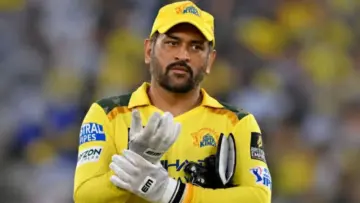
In a powerful and poignant address that resonates far beyond the cricket pitch, former India captain and national icon Mahendra Singh Dhoni has issued an urgent health message to Generation Z. Emphasizing the critical need to embed sports and physical activity into daily routines, Dhoni’s advice serves as a stark reminder that true long-term wealth lies in health, not just finances. His simple yet profound counsel to young people: "Thank yourself after 30" by investing in your physical well-being now, before the irreversible costs of a sedentary lifestyle begin to accrue.
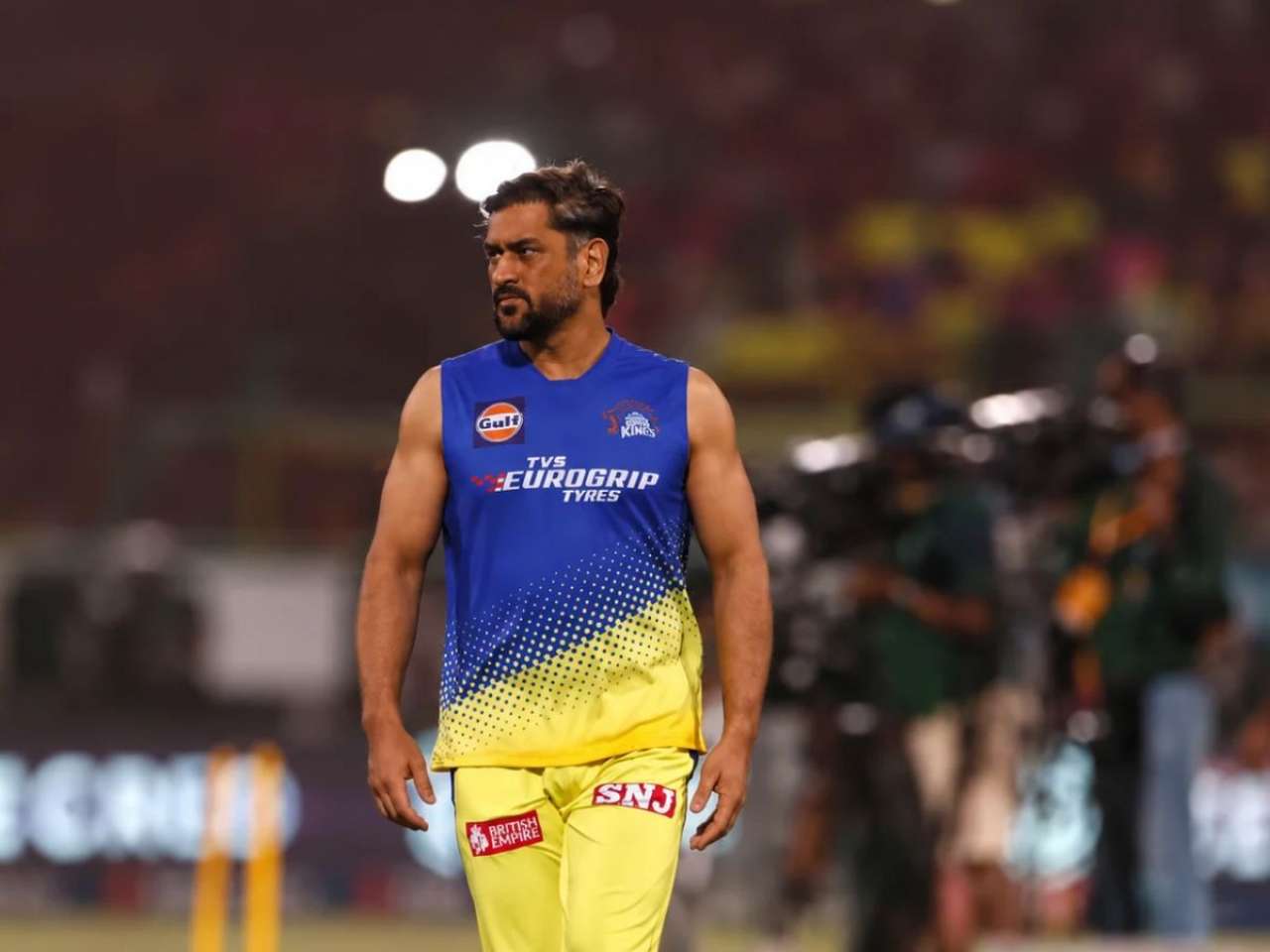
Dhoni, revered for his astute leadership and strategic foresight on the field, now turns his attention to a societal challenge of increasing magnitude. His message targets a generation growing up in an era of unprecedented convenience and digital immersion, where physical movement often takes a backseat to screen time and instant gratification. This is not merely an athlete’s endorsement of fitness; it is a seasoned leader’s strategic vision for a healthier, more resilient future for India’s youth.
Main Facts: The Core of Dhoni’s Health Mandate
Mahendra Singh Dhoni, a figure synonymous with peak physical fitness and mental fortitude throughout his illustrious career, recently articulated a compelling argument for proactive health management, particularly for Gen Z. The central tenet of his message is straightforward: physical activity is not an optional luxury but a fundamental necessity for a fulfilling life, especially as one approaches mid-life.
During a candid conversation with renowned writer Javed Akhtar, Dhoni delved into the evolving landscape of modern Indian lifestyles, highlighting a concerning disconnect between traditional dietary patterns and contemporary levels of physical activity. He observed that while Indian diets often remain rich in carbohydrates, the traditional physical demands that once balanced these caloric intakes have significantly diminished. Modern conveniences, from ride-sharing services like Uber and autos to increasingly sedentary work environments, have systematically "squeezed out" everyday exercise, leading to a precarious health paradox.
Dhoni’s advice is deliberately pragmatic and inclusive. It steers clear of the often intimidating rhetoric of elite athleticism or the pursuit of idealized body aesthetics. Instead, he advocates for the simple integration of physical activity into daily life, whether it’s a game of badminton, a session on the cricket pitch, or a brisk run. The core idea is to foster a habit of movement, not to transform every individual into a professional athlete. He passionately argues that the cumulative effect of small, consistent efforts in youth will yield significant dividends in later life, enabling individuals to enjoy sustained vitality and quality of life. His plea is for young people to recognize that the smartest investment they can make in their 30s is often not financial, but rather the foundation of health laid in their younger years.

Chronology: From Observation to Prescription
The genesis of Dhoni’s compelling health message can be traced to his acute observations of contemporary societal shifts, particularly evident in the lifestyles of younger generations. The conversation with Javed Akhtar served as a platform for Dhoni to articulate these concerns, moving sequentially from a diagnosis of the problem to a concrete prescription for change.
The discussion began by addressing the profound changes in food habits across India. While traditional Indian cuisine is often characterized by its richness and carbohydrate content, older generations naturally burned off these calories through more physically demanding daily routines – manual labor, walking greater distances, and engaging in active livelihoods. Dhoni meticulously pointed out the stark contrast with today’s reality: the food habits have largely persisted, but the opportunities and necessity for physical movement have drastically dwindled.

He painted a vivid picture of modern convenience eroding physical activity: "You will get an auto, Uber, you are basically getting down, sitting on a vehicle, going to your work, sitting on the terrace, coming down again." This cycle of minimal movement, exacerbated by the pervasive availability of fast food, sugary snacks, and fried delicacies, creates a dangerous health equation. Dhoni’s concern isn’t about demonizing specific foods but rather the perilous combination of high-calorie intake with negligible energy expenditure. He clarified that the issue isn’t inherently with carbohydrates, but with the quantity consumed relative to one’s activity level and the body’s energy utilization.
From this diagnostic phase, Dhoni transitioned to proposing solutions, emphasizing early intervention. His primary recommendation is for youngsters to engage in sports from an early age, ideally during their school years. He believes that early exposure to various sports allows individuals to discover latent talents and interests, fostering a natural inclination towards physical activity. "What I would request them is right from an early stage when they are in school, participate in each sport," he urged, highlighting that one might never discover a knack for badminton without ever picking up a racket.

Beyond the immediate physical benefits, Dhoni elucidated the profound life lessons embedded in sports. He acknowledged that not everyone will become an athlete, but every participant gains invaluable experiences: learning to cope with defeat, handling success gracefully, and understanding the continuous journey of improvement. These lessons, he contended, are transferable to all aspects of life, building resilience, discipline, and character.
Finally, Dhoni underscored the long-term implications of neglecting physical health. He warned that the true cost of inactivity begins to manifest as people age, extending beyond mere health problems to impact one’s ability to fully enjoy life. His most powerful argument centered on the desire to be physically capable of engaging with loved ones: "We all are worried about our parents, I can take care of my parents, I will take care of my wife, my sons, daughters, whoever… But the whole thing is can you enjoy playing with your sons and daughters? For that you need the physical fitness." This heartfelt plea personalizes the abstract concept of health, grounding it in the tangible joy of family life. His concluding advice remained simple: dedicate an hour to activity daily and practice sensible eating, focusing on quantity.

Supporting Data: The Looming Public Health Crisis
Dhoni’s timely intervention is not merely anecdotal; it aligns with a growing body of scientific evidence and concerning public health statistics globally, and particularly within India. The "Thank yourself after 30" mantra is a poignant acknowledgment of the long-term consequences of current youth lifestyles.
Rising Sedentary Lifestyles and Obesity:
Numerous studies highlight a dramatic increase in sedentary behavior among Gen Z. The World Health Organization (WHO) recommends at least 60 minutes of moderate-to-vigorous physical activity daily for children and adolescents. However, global data consistently shows that a significant percentage of young people fail to meet these guidelines. In India, rapid urbanization, increased screen time (smartphones, computers, gaming consoles), and the proliferation of convenience-driven services have exacerbated this trend. Data from the National Family Health Survey (NFHS) and other reports indicate a concerning rise in overweight and obesity rates among children and adolescents, even in rural areas, leading to an earlier onset of non-communicable diseases (NCDs).

The Scourge of Lifestyle Diseases:
The consequence of this inactivity combined with unhealthy dietary patterns is a surge in lifestyle-related diseases. Type 2 diabetes, once predominantly an adult-onset condition, is now increasingly diagnosed in adolescents and young adults. Hypertension, cardiovascular issues, and certain types of cancer are also being linked to early-life obesity and lack of physical activity. The Indian Council of Medical Research (ICMR) has repeatedly warned about the impending public health crisis if these trends are not reversed. The economic burden of managing these chronic diseases, both on individuals and the national healthcare system, is immense and unsustainable in the long run.
Mental Health and Cognitive Function:
Beyond physical ailments, the mental health implications of a sedentary lifestyle are profound. Physical activity is a well-established antidote to stress, anxiety, and depression. Regular exercise releases endorphins, improves sleep quality, and enhances cognitive function, including concentration, memory, and problem-solving skills – all crucial for academic and professional success. Gen Z, often dubbed the "most anxious generation," could significantly benefit from incorporating more movement into their lives as a potent tool for mental well-being.

The "Uberization" Effect and Dietary Paradox:
Dhoni’s observation about modern conveniences replacing natural movement is a critical insight. Research shows that reliance on motorized transport and a decrease in active commuting (walking, cycling) contribute significantly to reduced daily energy expenditure. Concurrently, the proliferation of ultra-processed foods, high in sugar, unhealthy fats, and sodium, coupled with aggressive marketing, has reshaped dietary habits. The paradox Dhoni highlights – traditional carb-heavy diets without the compensatory physical activity – is a potent recipe for metabolic disorders. This combination is particularly dangerous for a population with a genetic predisposition to insulin resistance, making Indians more susceptible to diabetes.
Expert Consensus:
Public health experts globally echo Dhoni’s sentiments. Dr. Randeep Guleria, former AIIMS Director, has often stressed the importance of preventive healthcare, emphasizing lifestyle modifications as the first line of defense against NCDs. Organizations like the Indian Medical Association (IMA) and the Public Health Foundation of India (PHFI) consistently advocate for increased physical activity and balanced nutrition, particularly for younger demographics, recognizing that habits formed in youth often persist into adulthood. Dhoni’s call for early sports participation aligns perfectly with pedagogical and health recommendations that underscore the holistic development benefits of physical education.

Official Responses: Reinforcing National Health Initiatives
While MS Dhoni’s recent health message emerged from a personal conversation rather than a direct government directive, its essence deeply resonates with and effectively reinforces existing national public health initiatives aimed at promoting fitness among India’s youth. His stature as a national icon lends unparalleled credibility and reach to a message that government campaigns often struggle to embed in popular culture.
The most prominent governmental initiative in this regard is the Fit India Movement, launched by Prime Minister Narendra Modi in 2019. This nationwide campaign aims to encourage people to inculcate physical activity and sports in their daily lives. Its objectives include promoting a healthy lifestyle, making fitness an integral part of daily life, and encouraging behavioral changes from a sedentary to a physically active routine. Dhoni’s advice – advocating for daily physical activity, emphasizing sports from school age, and highlighting the long-term benefits – directly complements and amplifies the core tenets of the Fit India Movement. His call for Gen Z to "thank themselves after 30" by investing in health is a powerful, personalized articulation of the movement’s broader goal.

Furthermore, the National Health Policy 2017 and various state-level health programs consistently emphasize preventive healthcare and the promotion of healthy lifestyles, particularly for non-communicable diseases (NCDs) which are increasingly affecting younger populations. Educational policies also increasingly advocate for robust physical education programs in schools, recognizing their role in holistic child development. Dhoni’s emphasis on school-level participation in "each sport" aligns perfectly with these educational objectives, moving beyond competitive sports to simply fostering a culture of active engagement.
The public and social media response to Dhoni’s statement, exemplified by the widely shared tweet "Thala, for a reason!", underscores the impact of his words. Such messages from respected public figures often achieve greater traction and influence than official advisories alone. Public health advocates and medical professionals have also lauded Dhoni’s intervention. Dr. Priya Sharma, a prominent public health expert, commented, "When a personality like MS Dhoni speaks about health, it cuts through the noise. His message isn’t just about fitness; it’s about life skills, resilience, and the sheer joy of living. This is precisely the kind of endorsement our national health campaigns need to reach the youth effectively."

Dhoni’s message also implicitly supports efforts to address the societal determinants of health. By highlighting the impact of modern conveniences and dietary changes, he encourages a broader societal reflection on urban planning, access to green spaces, and the promotion of active transport – areas where government policies and community action can make a significant difference. His call is not just for individual responsibility but also for a collective re-evaluation of how our environment shapes our health choices.
Implications: A Healthier Future, Stronger Nation
MS Dhoni’s impassioned plea for Gen Z to prioritize physical activity carries profound implications, not just for individual well-being but for the fabric of the nation itself. His vision extends beyond immediate fitness, touching upon longevity, quality of life, and the very foundation of societal progress.

Individual Empowerment and Quality of Life:
At the individual level, embracing Dhoni’s advice translates into a tangible improvement in quality of life. Regular physical activity reduces the risk of chronic diseases, enhances immune function, and significantly boosts mental health, reducing the incidence of anxiety, depression, and stress. A physically active youth is more likely to be a mentally resilient and emotionally balanced adult. Furthermore, the life lessons learned through sports—teamwork, discipline, perseverance, handling success and failure—are invaluable skills that contribute to personal and professional development. The ability to "enjoy playing with your sons and daughters" in later life, as Dhoni so poignantly put it, epitomizes the ultimate reward: sustained vitality and the capacity to cherish life’s most precious moments.
Economic and Societal Dividends:
On a broader societal scale, a healthier Gen Z translates into significant economic and social dividends. A physically fit workforce is a more productive workforce, with reduced absenteeism due to illness and higher levels of energy and focus. This can lead to increased economic output and innovation. Conversely, a generation grappling with widespread lifestyle diseases places an immense burden on public health systems, diverting resources that could otherwise be invested in education, infrastructure, or research. By preventing these diseases early, the nation can save billions in healthcare costs, freeing up capital for developmental initiatives. Moreover, a population that is physically active often fosters stronger community bonds, promotes social cohesion, and cultivates a culture of well-being.

Re-evaluating Education and Parental Roles:
Dhoni’s emphasis on early participation in sports from school age highlights the critical role of educational institutions. It implies a need to strengthen physical education curricula, ensure access to diverse sporting facilities, and encourage a non-competitive, inclusive approach to sports that focuses on participation and enjoyment. Schools are crucial incubators for healthy habits, and integrating physical activity effectively can counteract the sedentary tendencies instilled by increasing academic pressures and digital distractions. Parents also bear a significant responsibility. Leading by example, encouraging outdoor play, limiting screen time, and making healthy food choices are foundational steps in nurturing a physically active lifestyle in children. Dhoni’s message serves as a powerful reminder for parents to invest in their children’s long-term health, just as they invest in their education.
A Call to Action for a Sustainable Future:
Ultimately, Dhoni’s message is a call to action for a sustainable future. It’s about more than just personal fitness; it’s about shaping a national ethos where health is prioritized, preventive care is paramount, and physical activity is an ingrained part of daily life. By urging Gen Z to "take care of yourself, even if you don’t want to do it for yourself, do it for the people who are around you," Dhoni frames health as a collective responsibility and a legacy. His simple, actionable advice—an hour of activity, sensible eating—empowers individuals to take control of their health trajectory.

In a rapidly evolving world, where technological advancements often come with unforeseen health costs, MS Dhoni’s wisdom offers a timeless truth: the greatest investment one can make is in one’s health. For Gen Z, this means embracing the joys of movement today, ensuring a future where they can truly thrive, not just survive, and perhaps, truly "thank themselves after 30."