

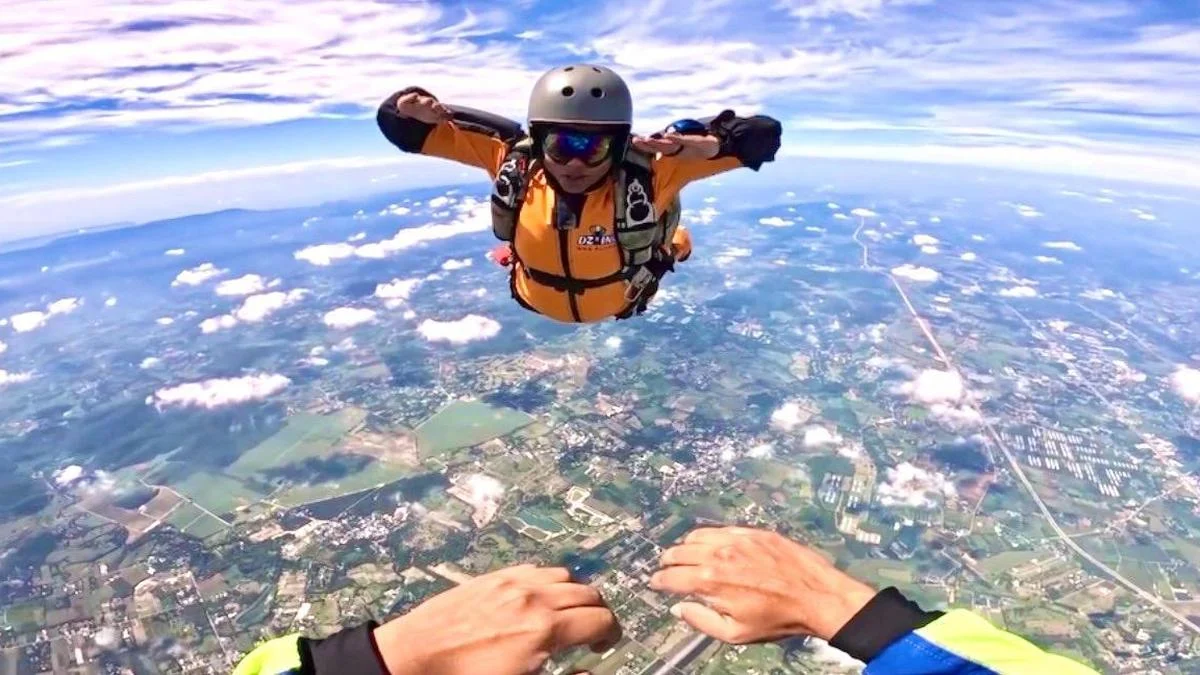
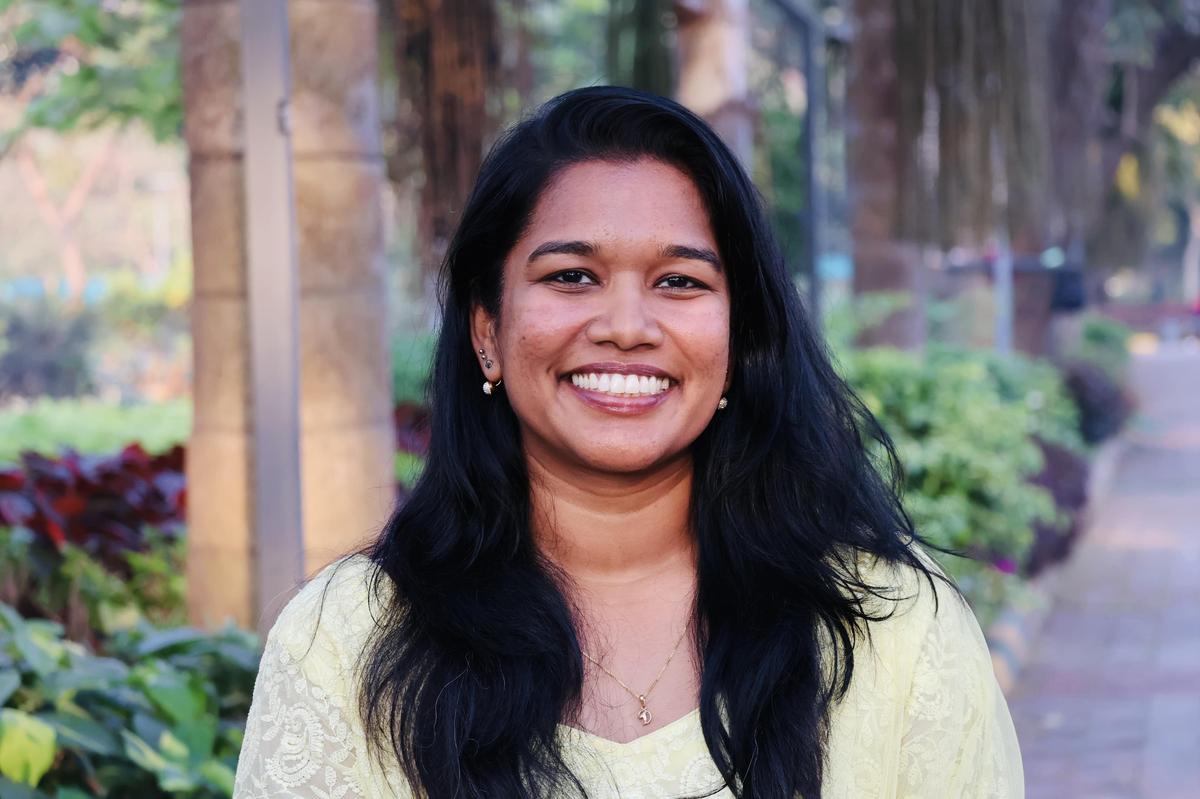
Visakhapatnam, Andhra Pradesh – At 37, Divya Surepalli has etched her name in the annals of Indian civilian aviation, becoming the first licensed woman skydiver from Andhra Pradesh in 2024. This remarkable achievement places her within an elite, nascent fraternity of fewer than 20 women nationwide who have pursued the exhilarating sport beyond a casual tandem jump. Her journey, marked by unwavering determination, unforeseen challenges, and the quiet pursuit of a long-held dream, illuminates the nascent state of civilian skydiving in India and the personal fortitude required to navigate its demanding terrain.
Surepalli, a postgraduate in Environmental Engineering from Germany with deep roots in Visakhapatnam, harbored the idea of skydiving for years. What began as a fleeting fascination during a visit to the United States, where weather conditions thwarted her initial attempt at a tandem jump, soon metamorphosed into a focused ambition. The disappointment of that missed opportunity, rather than extinguishing her desire, ignited a spark of determination to experience the sport with proper training and certification. This pivotal moment marked the genesis of a plan that would eventually lead her to the skies.
The Accelerated Journey: From Moscow to Thailand
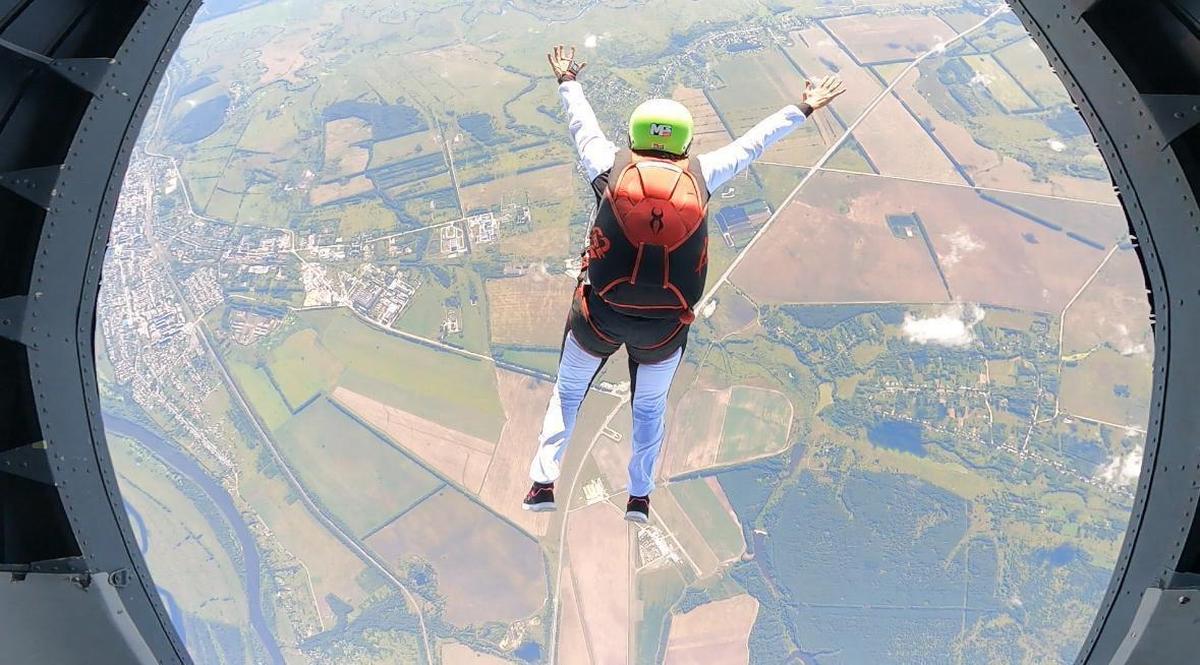
Divya’s path to licensure was not a straightforward descent but a series of calculated ascents and challenging maneuvers. Her journey truly accelerated when she joined Shweta Parmar, a pioneering civilian woman skydiver in India, in Moscow for an Accelerated Freefall (AFF) course. The intended destination was Drop Zone Krutitcy, an airfield located on the outskirts of the Russian capital. Divya aimed to complete the entire sequence of jumps required for her certification there. However, the capricious nature of weather intervened, with worsening conditions after the initial stages of her training forcing an interruption to her plans.
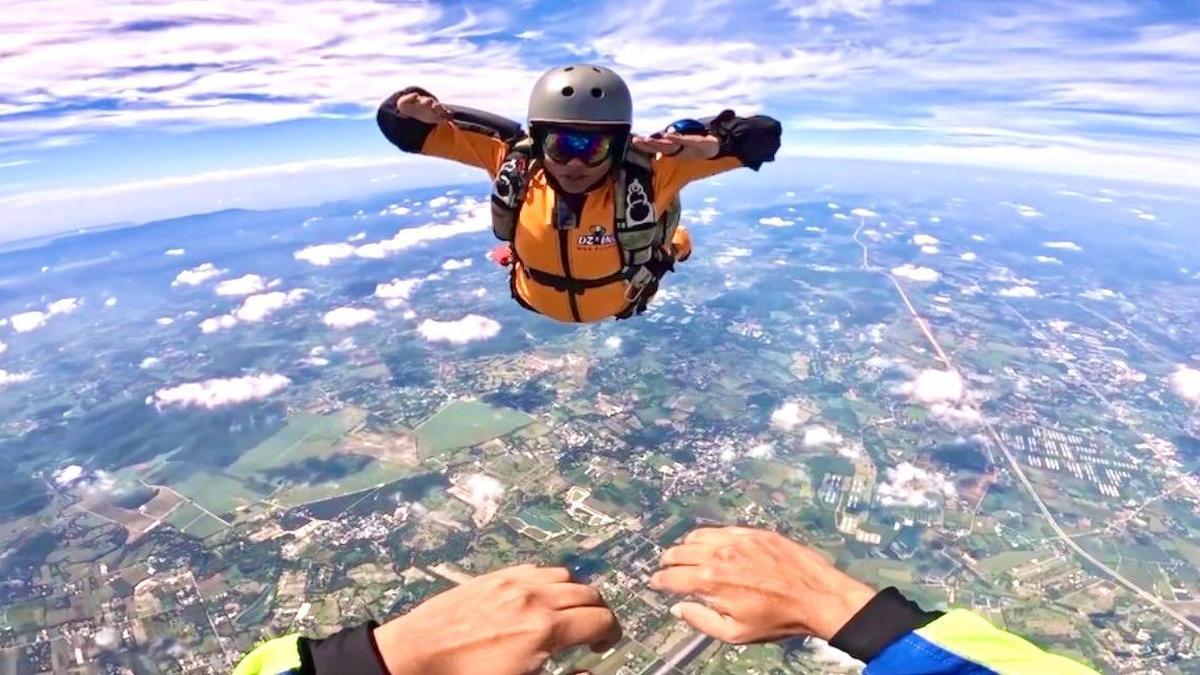
"I finished my AFF there, but the conditions deteriorated soon after," Surepalli recounted. "To complete the remaining jumps required for my license, I had to relocate." This unforeseen setback led her to Thailand, which became her second academic ground for mastering the intricacies of skydiving. The AFF course, a rigorous program designed to teach individuals to skydive solo, involves a series of jumps with an instructor, progressively reducing their involvement as the student demonstrates proficiency.
The A Licence: A Testament to Skill and Perseverance
To attain an A licence, the foundational certification for solo skydivers, a jumper must successfully complete a minimum of 25 jumps. Beyond the sheer number of jumps, stringent assessments are mandatory. These include passing written or oral examinations, demonstrating a high level of proficiency in freefall maneuvers and canopy control (the ability to steer and land the parachute safely), successfully executing group jumps with other licensed skydivers, and mastering the crucial skill of packing one’s own parachute. With a total of 29 jumps logged, Divya met all the requisite criteria, earning a licence that grants her the autonomy to jump at affiliated drop zones across the globe without direct supervision.
Navigating the Turbulence: Personal Challenges and Mentorship
Surepalli’s journey was far from a seamless freefall. Midway through her AFF course in Moscow, a harrowing incident involving a severe spin during freefall significantly impacted her confidence. "That incident shook my confidence more than I expected," she admitted. The experience sparked introspection, not a fear of the sky itself, but a profound questioning of her own judgment and decision-making under pressure. It was during this period of self-doubt, when she had withdrawn to her hostel, that the crucial intervention of her instructor and mentor, Alex Troshyn, proved invaluable.

"He came to speak with me and reminded me that setbacks are part of training, not signs of failure," she recalled. "That conversation helped me return to the process." This empathetic guidance underscored the psychological resilience required in a sport that constantly pushes the boundaries of human capability.
The lessons continued in Thailand, where the drop zones presented unique challenges. During one jump, shifting winds unexpectedly altered her landing trajectory when she was approximately 1,000 feet above ground level. The options dwindled rapidly: an unconventional landing on an asbestos roof, known for its potential to cause severe injuries, or an immersion into a swamp. Training had unequivocally advised against water landings. The roof, while dry, presented a near-certainty of broken bones. A cluster of trees offered a third, albeit risky, alternative. Opting for the trees, Surepalli embraced the possibility of impact over assured injury. The landing, against all odds, was controlled, a testament to her quick thinking and the skills honed through rigorous training, though the moments preceding it were anything but calm.
Another jump demanded a last-minute correction to avoid a perilous encounter with electric poles situated near the designated landing zone. Surepalli explained that crosswinds are a common occurrence in Thailand, where drop zones are often situated at lower altitudes compared to other international locations. "At 12,000 feet, you have less freefall time than you would at 14,000 feet, as in Moscow," she elaborated. "That reduces the margin available for adjustments." Each such demanding situation reinforced the critical discipline of maintaining clear thought processes under immense pressure, a skill that transcends the confines of the sport and extends into everyday life.
The Pillars of Support: Family and Community
Beyond the technical demands of skydiving, Surepalli emphasized the profound importance of mentorship and robust support systems. Family acceptance, she acknowledged, was not immediate or easily won. Convincing her mother, in particular, required patience and persistence. Ultimately, her mother’s agreement came with a specific condition: a video call before and after every jump. "She wanted to see that I was safe. That reassurance mattered to both of us," Surepalli shared, highlighting the deep emotional stakes involved for her family.
The nascent community of civilian women skydivers in India has also provided Surepalli with a vital network. This informal group shares invaluable advice, training experiences, and mutual encouragement, fostering a sense of camaraderie in a field that has historically been male-dominated.
The High Cost of Entry: Financial and Gender Barriers
One of the most significant impediments to the growth of civilian skydiving in India is the prohibitive cost and limited accessibility. Currently, only one drop zone in the country offers tandem jumps, and crucially, none are equipped to issue civilian licenses. This necessitates aspiring skydivers to travel abroad for certification, a factor that dramatically escalates the overall expense. Surepalli estimates that obtaining her initial A licence cost approximately ₹5 lakh. While subsequent levels of certification are less expensive, the substantial upfront investment places the sport beyond the financial reach of a vast majority of Indians.
Gender further compounds these challenges. "It is a male-dominated space and stereotypes are very real," Surepalli stated candidly. "There were moments when I felt dismissed. At the same time, I also encountered men who were supportive and professional. Both experiences exist." These interactions, both positive and negative, have shaped her perspective and underscored the need for greater inclusivity and awareness within the sport.
Redefining Resilience: Personal Transformation Through Flight
Surepalli, who describes herself as naturally shy, quiet, and ambiverted, embodies a persona that might seem at odds with the adrenaline-fueled image often associated with skydivers. However, the sport has profoundly altered not only her external perception but also her internal landscape. "It changed how I respond to situations," she reflected. "There is a heightened awareness that carries into everyday life. It has helped me become clear about what deserves attention and what does not."
Her commitment to fitness remains a cornerstone of her routine, with daily runs serving as a grounding counterpoint to the intensity of her aerial pursuits. For Divya Surepalli, her extraordinary achievement is not merely about the thrill of the fall or the conquest of gravity. It is a profound narrative of persistence, dedicated training, and the quiet, unwavering resolve to finally realize a dream that was once deferred by the whims of the weather. Her journey serves as an inspiration, not only for aspiring skydivers but for anyone who dares to pursue a passion against formidable odds, proving that the sky is indeed the limit for those who dare to dream and strive.
