

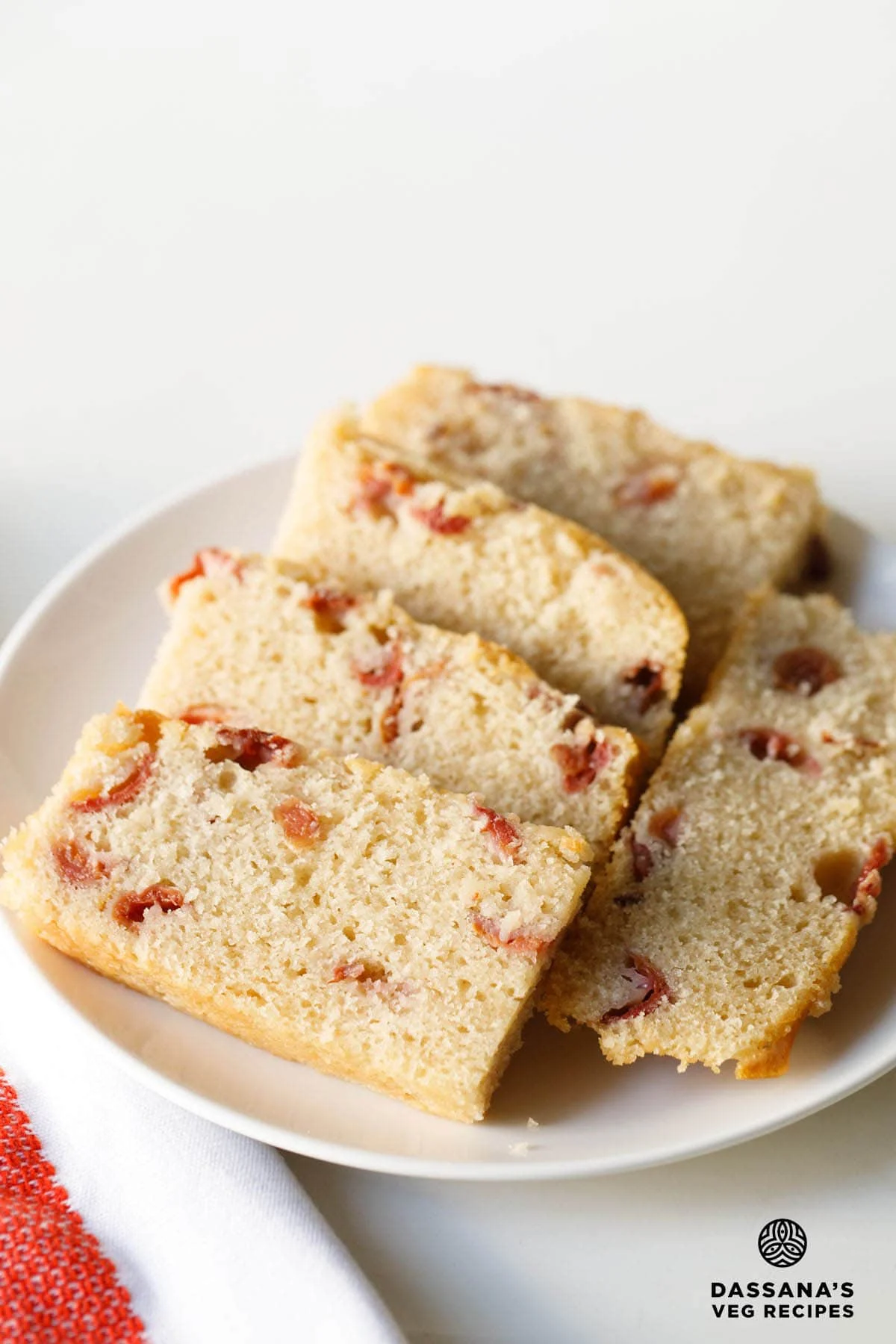
Main Facts: The Intersection of Seasonal Freshness and Culinary Accessibility
In the evolving landscape of modern home baking, the "Cherry Cake" has emerged as a quintessential example of how seasonal produce can be elevated through precise, yet accessible, culinary techniques. Unlike traditional fruitcakes that often rely on heavy preserves or glacé fruits, the contemporary fresh cherry cake prioritizes the organoleptic qualities of raw stone fruit. Specifically, the version championed by culinary experts—such as Dassana of Veg Recipes of India—highlights a significant shift toward egg-free (vegan-adaptable) gastronomy that does not compromise on structural integrity or moisture.

The fresh cherry cake is defined as a soft, moist, and tender sponge where the natural acidity and sweetness of fresh cherries are balanced by a delicate vanilla-infused crumb. Its rise in popularity is attributed to three core factors: the increasing demand for egg-free alternatives in global markets, the accessibility of high-quality seasonal stone fruits (both domestic and imported), and the simplicity of its "tea cake" format. This style of cake serves as a versatile bridge between a mid-afternoon snack and a sophisticated dessert, requiring no specialized equipment beyond a standard oven and basic kitchen tools.

Technically, the cake relies on a specific chemical interaction between milk and acid (vinegar or lemon juice) to create a homemade buttermilk substitute, which, when combined with oil rather than butter, ensures a crumb that remains soft even when refrigerated. Furthermore, the inclusion of cornstarch acts as a protein-reducing agent, effectively mimicking the texture of professional cake flour.

Chronology: The Systematic Evolution of a Bake
The creation of a professional-grade cherry cake follows a rigorous chronological sequence designed to optimize fruit suspension and crumb development.

Phase 1: Fruit Preparation and Strategic Suspension
The process begins with the selection and preparation of approximately 200 grams of fresh cherries. Whether utilizing Indian seasonal varieties or imported sweet cherries, the fruit must be rinsed, stemmed, and pitted. In the absence of a mechanical pitter, culinary professionals employ the "avocado method"—slicing around the stone and twisting the halves apart.

A critical step in the chronology is the "flour-coating" of the halved cherries. By tossing the fruit in a small amount of all-purpose flour before integration, the baker creates a surface tension that prevents the dense fruit from sinking to the bottom of the pan during the thermal expansion of the batter.

Phase 2: The Synthesis of the Batter
Simultaneously, the "wet phase" of the bake begins with the preparation of a biological leavening environment. Milk is combined with apple cider vinegar or lemon juice and allowed to rest for 10 minutes. This period of "curdling" or thickening is essential for the activation of the baking soda and the tenderization of the gluten.

The dry ingredients—all-purpose flour, cornstarch, baking powder, baking soda, and a pinch of salt—are sifted multiple times. This aeration ensures that the leavening agents are distributed with mathematical precision. Following this, the oil, sugar, and vanilla are whisked into the buttermilk mixture until a smooth emulsion is formed. The integration of dry and wet components is handled with extreme care; over-mixing at this stage would develop excess gluten, leading to a tough, bread-like texture rather than a light sponge.

Phase 3: Assembly and Thermal Transformation
The final stage of preparation involves folding 75% of the cherries into the batter. Once the batter is poured into a 7-inch greased pan, the remaining 25% of the fruit is arranged on the surface. This creates a visually appealing "crowned" effect.

The cake undergoes a 50-to-55-minute bake at 180°C (356°F). This extended period at a moderate temperature allows the moisture from the cherries to steam the surrounding crumb while the exterior undergoes the Maillard reaction, resulting in a golden-brown finish. The chronology concludes with a mandatory cooling period on a wire rack to allow the internal structure to set.

Supporting Data: Nutritional Profile and Technical Specifications
To understand the cherry cake’s standing in the culinary world, one must analyze the data behind its composition. Below is a breakdown of the nutritional and technical metrics for a standard 8-serving yield.

Nutritional Metrics (Per Serving):
- Calories: 262 kcal
- Carbohydrates: 44g (primarily from complex starches and natural fruit sugars)
- Fat Content: 8g (predominantly monounsaturated fats from the oil base)
- Sugar: 23g (adjustable based on fruit ripeness)
- Micronutrients: The cake provides notable amounts of Vitamin B9 (Folate), Potassium (173mg), and Calcium (59mg).
Technical Specifications:
- Pan Dynamics: A 7-inch pan provides maximum height (ideal for tea cakes), while an 8-inch pan results in a broader, flatter profile suitable for plated desserts.
- Moisture Retention: The use of oil provides a 100% fat content that remains liquid at room temperature, unlike butter (which is ~80% fat and 20% water/solids). This technical choice ensures the cake remains "moist" to the palate for several days.
- Fruit-to-Batter Ratio: The recipe maintains a ratio of approximately 1.3 grams of fruit for every gram of flour, a high density that requires the structural support of cornstarch.
Official Responses: Expert Insights and Baking Directives
Dassana, a recognized authority on egg-free Indian and international cuisine, provides several "Official Directives" for ensuring the success of this bake. These tips serve as the standard operating procedure for home bakers looking to achieve professional results.
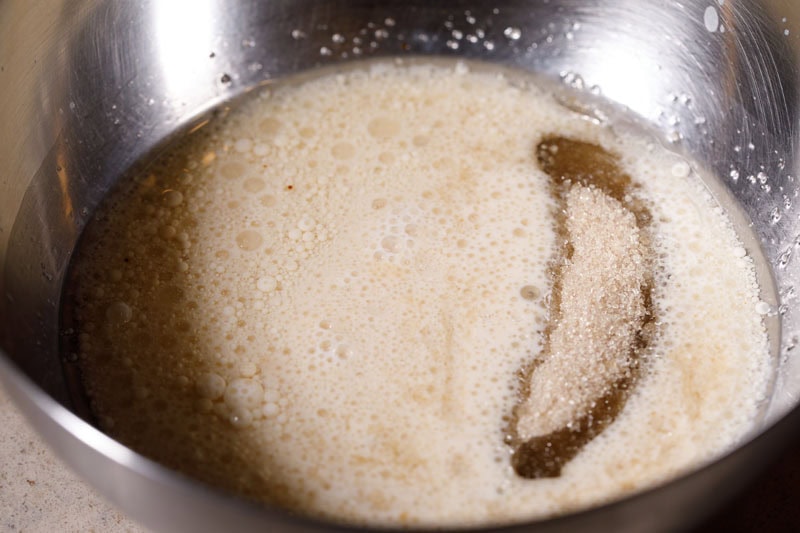
- Temperature Equilibrium: All ingredients, particularly milk, must be at room temperature. Cold milk can cause the oil to clump and prevent the sugar from dissolving, leading to an uneven bake.
- The Sifting Mandate: Sifting is not optional. It is the primary method for aerating the flour in the absence of eggs, which usually provide the lift.
- Visual Finish: Experts suggest that if the flour coating on the top cherries remains visible after baking, a simple sugar syrup glaze (1:1 ratio) should be applied while the cake is warm. This provides a professional "gloss" and softens the surface.
- The "Clean Skewer" Test: Because cherries release juice during baking, the area immediately surrounding a cherry may appear wet. Bakers are instructed to test the crumb in the center, away from a fruit pocket, to ensure true doneness.
- Ingredient Substitutions: While raw sugar is preferred for its depth of flavor, standard white sugar or cane sugar can be used. For those seeking a vegan profile, plant-based milks (soy or almond) are confirmed to work, though they may thicken rather than curdle during the buttermilk phase.
Implications: Dietary Inclusivity and the Future of Tea-Time Culture
The implications of the fresh cherry cake recipe extend beyond the kitchen, touching on broader culinary trends and social customs.

Dietary Inclusivity
The success of this egg-free model demonstrates that high-end pastry is no longer dependent on animal by-products for quality. This has significant implications for the hospitality industry, where catering to egg allergies and vegetarian/vegan lifestyles is becoming a standard requirement rather than a niche request.

The Evolution of "Tea-Time"
The cherry cake reinforces the cultural importance of the "Tea Cake"—a category of baking that is less about indulgence and more about balance. By pairing the cake with ginger tea, black coffee, or green tea, the consumer engages in a ritual of "slow food" that emphasizes seasonal awareness.

Sustainability and Seasonality
By specifically calling for fresh cherries, the recipe encourages a connection with local agricultural cycles. It discourages the use of heavily processed, dyed, and preserved cherries, pushing the consumer toward a more "whole-food" approach to baking.

Preservation and Longevity
Data suggests that the oil-based cherry cake has a superior shelf life compared to its egg-based counterparts. It can be stored at room temperature for 24 hours or refrigerated for up to five days without significant degradation of texture, provided it is kept in an airtight environment. This longevity makes it an ideal candidate for small-scale commercial baking and meal prep.

In conclusion, the fresh cherry cake represents a sophisticated blend of chemistry, seasonal appreciation, and inclusive design. It stands as a testament to the fact that with the right technical knowledge—such as flour-coating fruit and managing pH levels in the batter—simple ingredients can be transformed into a professional-grade gastronomic experience.
