

Executive Summary: The Silent Resurgence of a Legend
For over two decades, the Honda City has been the quintessential benchmark for the midsize sedan segment in India. However, the last few years shifted the spotlight toward a different kind of energy. The arrival of the "European Twins"—the Volkswagen Virtus and the Skoda Slavia—reignited the enthusiast’s passion for turbocharged engines and stiff, sporty handling. While the Germans captured the headlines with "GT" badges and explosive mid-range punch, the Honda City appeared to be quietly observing from the sidelines.
The introduction of the 2026 Honda City marks a definitive end to that period of quietude. By combining a sophisticated aesthetic refresh with a class-leading strong-hybrid powertrain, Honda is not merely participating in the segment; it is attempting to redefine the criteria for the "perfect" all-rounder. With a price bracket ranging from INR 11.99 lakh to 20 lakh (ex-showroom), the City positions itself as the cerebral choice—a vehicle that prioritizes refinement, efficiency, and long-term sustainability without sacrificing the "fun-to-drive" DNA that made the nameplate famous.
Main Facts: Refinement Over Reinvention
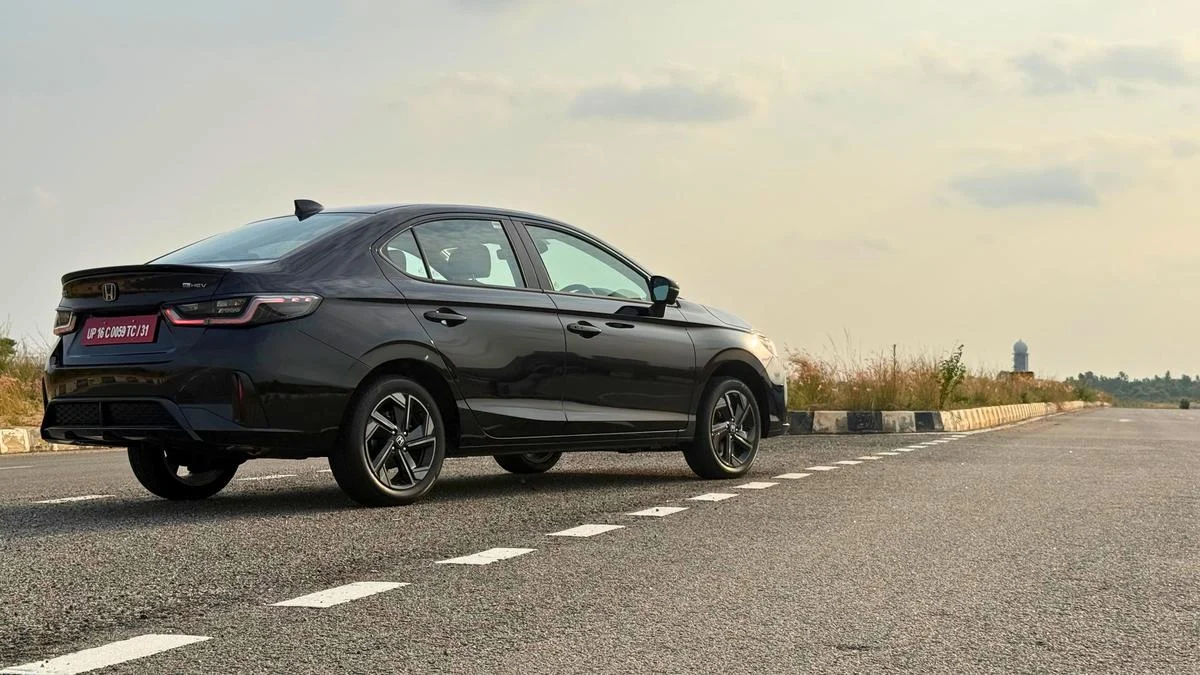
The 2026 update is a masterclass in restraint. Honda has avoided the temptation of "over-styling," a trend currently prevalent in the sedan market. Instead, the company has focused on sharpening the City’s mature silhouette to align with its global design language.
Exterior Sophistication
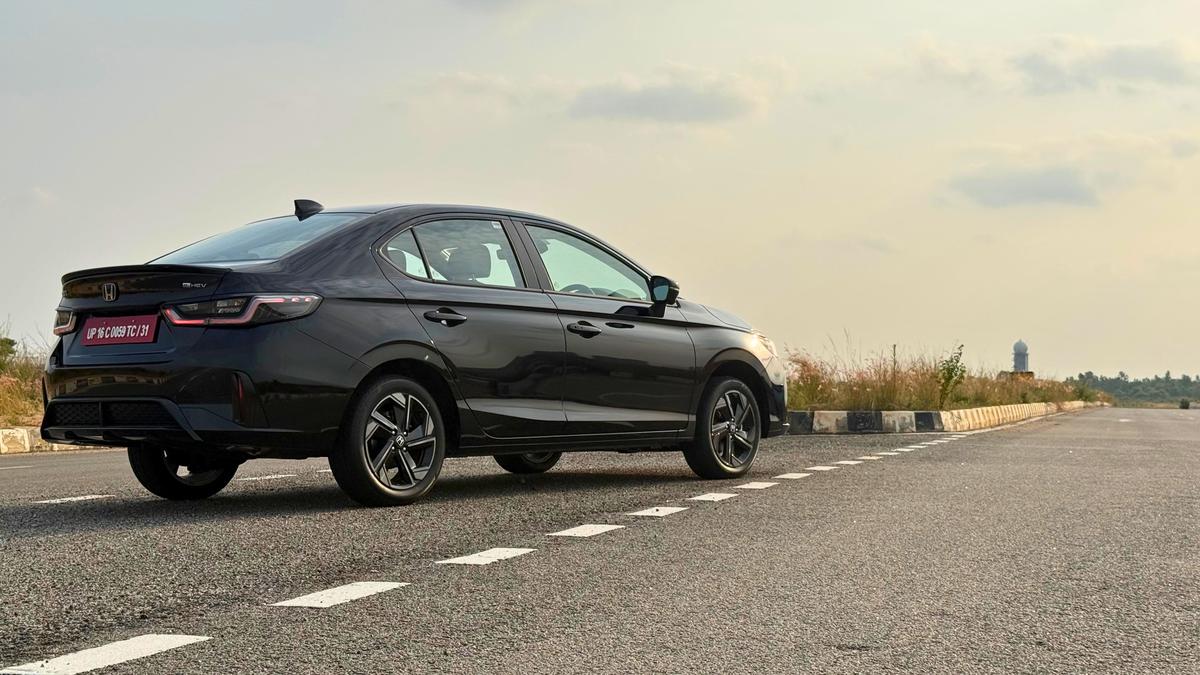
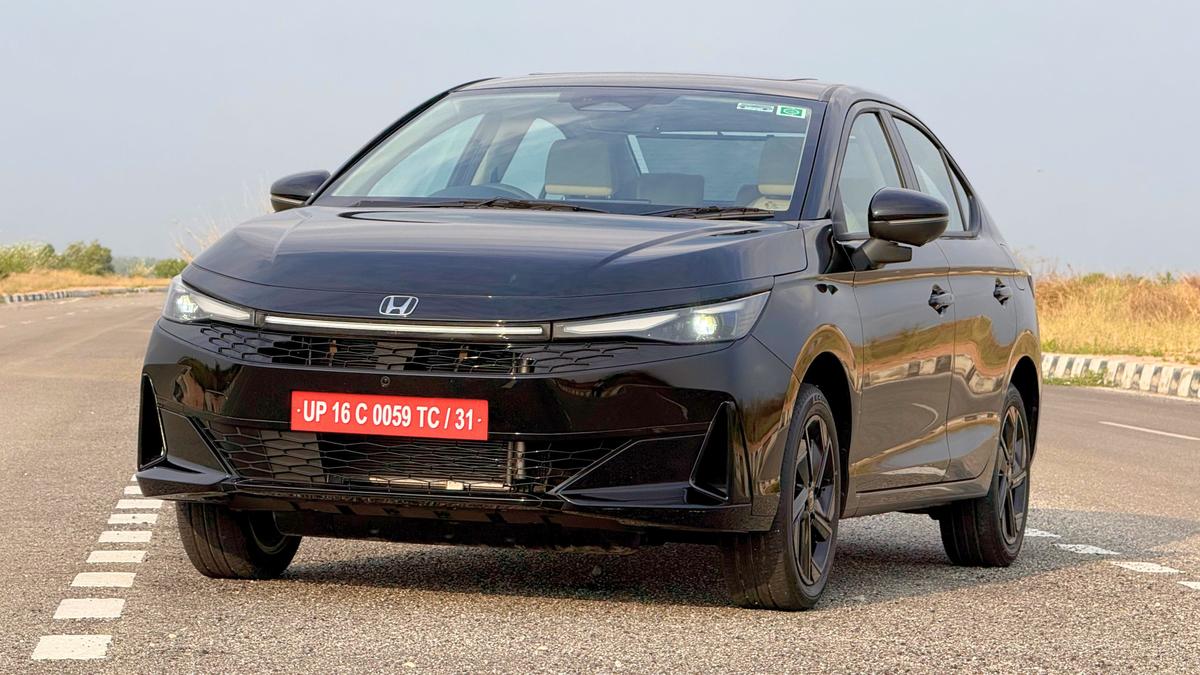
At 4,594 mm, the City remains one of the most imposing figures in its class. The 2026 model introduces "Blade-Eye" LED headlamps that are slimmer and more technical in appearance. A new connected light bar at the rear and a redesigned, cleaner front grille lend the car a wider, more planted stance. The influence of Honda’s larger international sedans, such as the Accord, is unmistakable, giving the City a "mini-luxury" appeal that differentiates it from the more aggressive, angular designs of its competitors.
The Hybrid Heart: e:HEV Technology
The headline feature is undoubtedly the self-charging strong-hybrid system. Unlike mild hybrids that merely assist the engine, Honda’s e:HEV system utilizes a 1.5-litre Atkinson-cycle i-VTEC petrol engine paired with two electric motors and a lithium-ion battery. This configuration produces a combined output of 126 PS and a staggering 253 Nm of peak torque—the latter being available almost instantly thanks to the electric motors.
Chronology: The Evolution of a Segment Leader
To understand the significance of the 2026 model, one must look at the timeline of the City’s journey in the Indian market.
- The Enthusiast Era (1998–2010): The City established itself as a performance icon with the VTEC engines, becoming the default choice for those who loved to drive.
- The Practical Shift (2011–2020): Honda pivoted toward space, comfort, and the introduction of diesel power, cementing the City as the premier family sedan.
- The Turbocharged Challenge (2021–2024): The entry of the VW Virtus and Skoda Slavia moved the goalposts toward 1.5L TSI engines and DSG gearboxes, momentarily overshadowing the City’s naturally aspirated offerings.
- The Hybrid Resurgence (2025–Present): Honda responds not by chasing turbochargers, but by leapfrogging the competition with high-tech electrification. The 2026 model represents the pinnacle of this strategy, blending the traditional virtues of the City with futuristic propulsion.
Performance and Driving Dynamics: The Nandi Hills Test
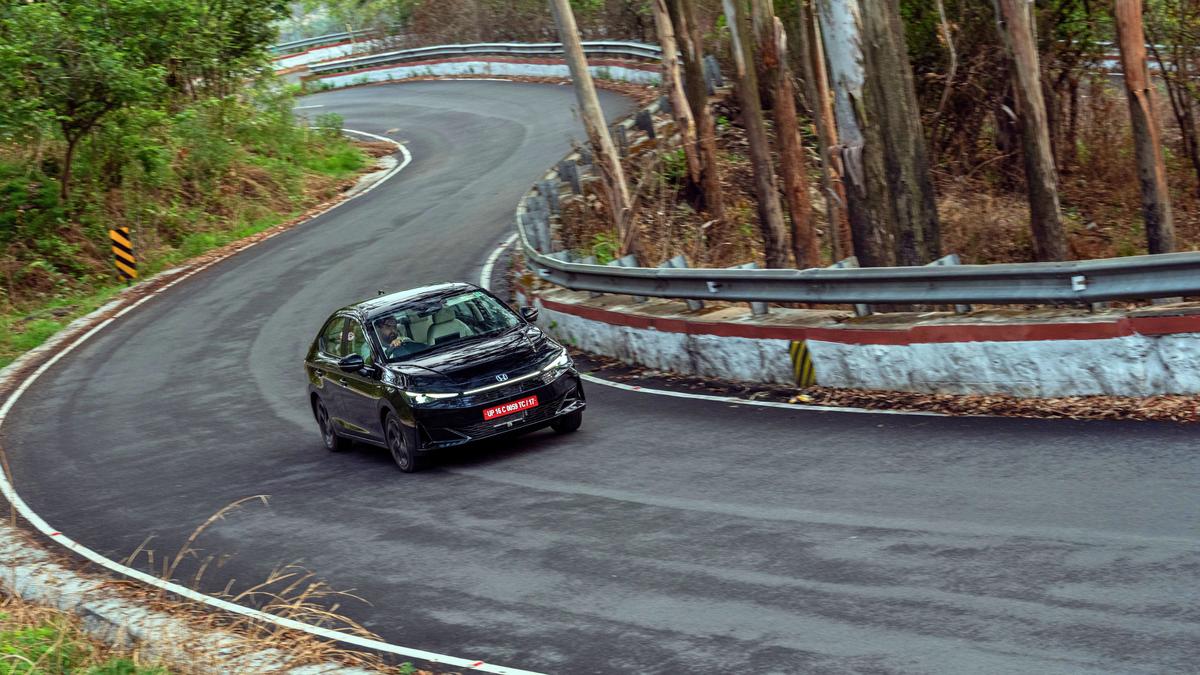
A day spent navigating the outskirts of Bengaluru provided the perfect backdrop to test the City’s claims. The route, spanning high-speed expressways, congested suburban arteries, and the technical, winding ascent of Nandi Hills, revealed a car of dual personalities.
Effortless Torque
In the stop-and-go traffic of Bengaluru, the City operates primarily in EV mode. The silence is eerie, and the responsiveness is immediate. When the road opens up, the transition between EV, Hybrid, and Engine Drive modes is virtually imperceptible—a testament to Honda’s engineering prowess.
While the Virtus GT might offer a more violent "kick" when the turbo spoils, the City Hybrid offers a linear, relentless surge of power. It clocks a 0-100 km/h sprint in just 7.9 seconds, making it one of the quickest cars in its segment. On the hairpins leading up to Nandi Hills, the 253 Nm of torque proved invaluable, allowing the sedan to power out of corners with a level of "pep" that felt youthful and engaging.
Superior Ride Quality
Perhaps the most surprising takeaway was the ride quality. Honda has tuned the suspension with remarkable maturity. It handles highway expansion joints and broken country roads with a level of composure that rivals entry-level luxury sedans from brands like BMW or Audi. The car remains flat through corners, and the steering, while light, is precise enough to inspire confidence at high speeds.
Supporting Data: By the Numbers
The 2026 Honda City’s appeal is backed by empirical data that highlights its practicality and efficiency.
- Fuel Efficiency: In a mix of spirited hill climbing and highway cruising, the City returned a real-world figure of 23.5 km/l. For a sedan of this size, these numbers are unprecedented and significantly outperform both the turbocharged rivals and traditional naturally aspirated engines.
- Dimensions: 4,594 mm length provides class-leading legroom, maintaining the City’s reputation as a "chauffeur-driven" favorite.
- Cargo Capacity: The petrol variants offer 506 litres of boot space. While the hybrid loses some volume to the battery pack, it remains sufficiently practical for family luggage.
- Safety Suite: Six airbags are standard across the range. The "Honda Sensing" ADAS suite includes:
- Adaptive Cruise Control (with Low-Speed Follow in the Hybrid).
- Lane Keep Assist (LKA).
- Collision Mitigation Braking System (CMBS).
- Road Departure Mitigation.
- Auto High Beam.
Official Strategy: Honda’s "Smart" Philosophy
While Honda has not issued a formal "rebuttal" to its competitors, the company’s product strategy serves as its official response. Internal sources suggest that Honda’s focus has shifted from "outright power" to "sustainable performance."
The company’s approach with the 2026 City is to target the "conscious achiever"—the buyer who values the prestige of a sedan but is increasingly wary of rising fuel costs and environmental impact. By choosing not to engage in a "horsepower war" with the Germans, Honda has carved out a unique niche where refinement and intelligence are the primary selling points.
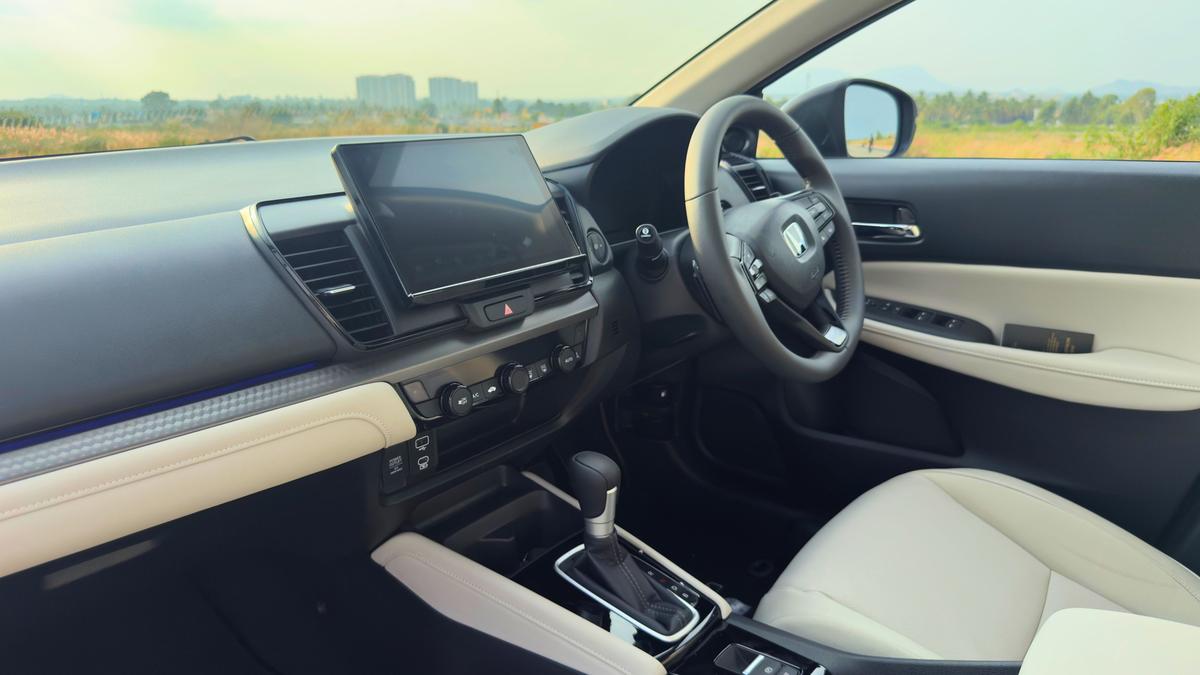
The inclusion of features like ventilated seats, wireless Apple CarPlay/Android Auto, and a 360-degree camera shows that Honda has listened to customer feedback regarding the previous model’s equipment levels. While the infotainment screen’s resolution remains a point of minor critique compared to the ultra-sharp displays found in Korean rivals, Honda emphasizes functional reliability and ease of use over visual flair.
Implications: The Future of the Midsize Sedan
The arrival of the 2026 Honda City Hybrid has significant implications for the Indian automotive landscape.
1. The Hybrid vs. Turbo Debate
The City proves that electrification can be just as engaging as turbocharging. As emission norms become stricter, the Atkinson-cycle hybrid offers a more future-proof solution than high-strung petrol engines. This may force competitors to reconsider their powertrain strategies for the Indian market.
2. The Resurgence of the Sedan
In an era dominated by SUVs, the City makes a compelling case for the three-box silhouette. Its superior aerodynamics, lower center of gravity, and sophisticated ride quality offer a level of driving pleasure that many sub-compact and midsize SUVs simply cannot match.
3. Economic Relevance
With fuel prices remaining volatile, a car that offers 23+ km/l without the range anxiety of a pure Electric Vehicle (EV) is a powerful proposition. The City Hybrid bridges the gap between the internal combustion past and the electric future.
Conclusion: The Smartest Contender
The 2026 Honda City is a reminder that longevity in the automotive world is earned, not given. It does not need to shout to be heard. While the Volkswagen Virtus and Skoda Slavia will continue to be the darlings of the enthusiast community for their raw mechanical feel, the City has evolved into something more sophisticated.
It is a car that understands the nuances of modern Indian driving—the need for effortless power in traffic, the desire for luxury-grade comfort on long hauls, and the practical necessity of high fuel efficiency. The City may not be the loudest contender in the room, but with its hybrid heart and polished exterior, it is arguably the smartest. For the buyer who wants a vehicle that excels in every measurable category, the 2026 Honda City isn’t just a recommendation; it is the default choice once again.
This report was produced in association with Motorscribes and The Hindu, providing deep-dive analytics into the latest automotive trends.
