

Rome, Italy — For over eight decades, the name Ferrari has been synonymous with the visceral scream of high-revving internal combustion engines, the scent of high-octane fuel, and a design language that captures the aggressive elegance of Italian motorsport. However, the unveiling of the Ferrari Luce in Rome has signaled the most radical pivot in the company’s history. As the brand’s first-ever fully electric vehicle (EV), the Luce is not merely a change in powertrain; it is a fundamental re-engineering of the Ferrari identity that has left the automotive world, the stock market, and the Tifosi deeply divided.
Main Facts: A New Breed of Prancing Horse
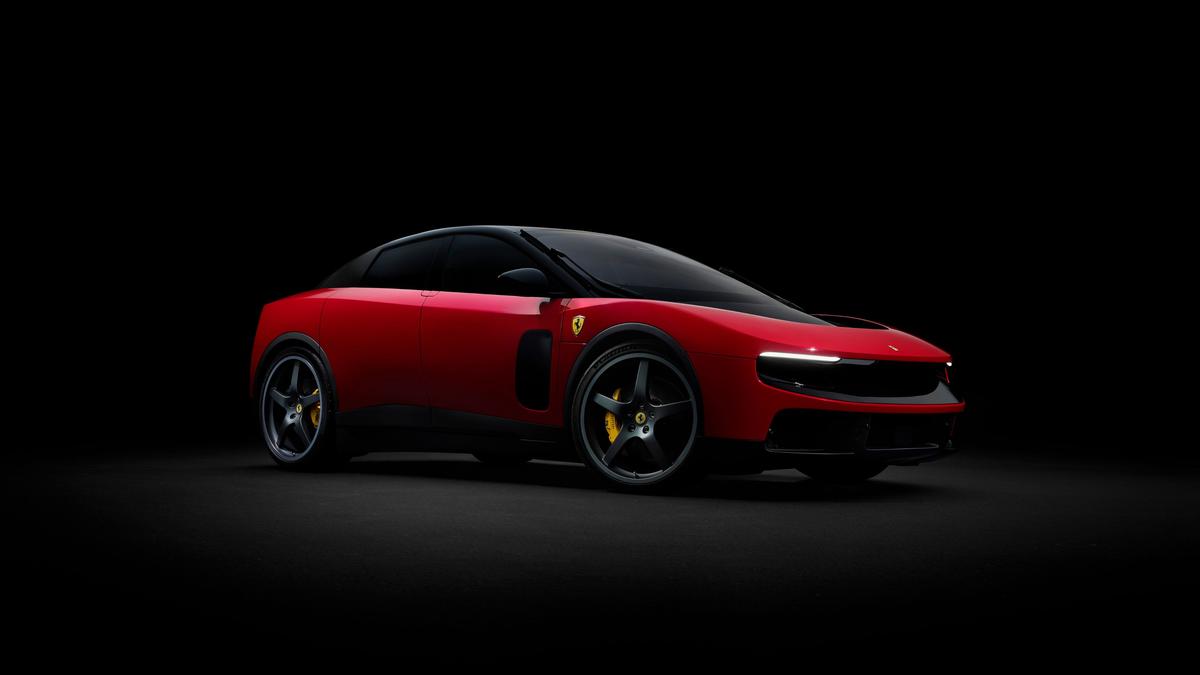
The Ferrari Luce enters the market not as a traditional supercar, but as a high-performance, five-seat, four-door grand tourer. It represents a departure from the "low-slung, two-seater" archetype that defined the brand for generations. Built on a bespoke EV architecture developed entirely in-house at Maranello, the Luce is a technical powerhouse that seeks to translate Ferrari’s racing DNA into the silent, instantaneous world of electrons.
Key Specifications at a Glance:
- Powertrain: Four independent electric motors (one per wheel).
- Power Output: A staggering 1,050 horsepower.
- Acceleration: 0–100 km/h in 2.5 seconds; 0–200 km/h in 6.8 seconds.
- Top Speed: Exceeding 310 km/h.
- Battery: 122 kWh high-density pack integrated into the chassis.
- Range: Approximately 530 kilometers (WLTP).
- Charging: 350 kW fast-charging capability (adds 70 kWh in 20 minutes).
- Weight: 2,260 kilograms (Kerb weight).
- Pricing: Estimated at €500,000 (approx. ₹5 crore+ in India before taxes).
The Luce is the flagship of Ferrari’s new "multi-energy" strategy. While Maranello continues to produce V12 and V8 internal combustion engines (ICE) and plug-in hybrids (PHEV), the Luce is the brand’s definitive statement on the future of sustainable performance luxury.
Chronology: From Racing Heritage to Silicon Valley Design
The journey to the Luce began several years ago as Ferrari faced increasing regulatory pressure to decarbonize and a shifting landscape in the ultra-luxury segment. Unlike many of its competitors who adapted existing platforms, Ferrari spent years developing a dedicated electric architecture that could maintain the "driving emotion" the brand is famous for.
A pivotal moment in the Luce’s development was the 2021 announcement of a multi-year partnership with LoveFrom, the creative collective led by legendary former Apple designer Sir Jony Ive and industrial designer Marc Newson. This collaboration marked the first time Ferrari allowed outside industrial designers such a significant hand in the aesthetic and functional philosophy of a production car.
The reveal in Rome was intended to be a celebration of Italian innovation. However, the chronology of the launch was quickly overshadowed by a sharp 7% drop in Ferrari’s stock price (RACE) following the unveiling. This financial volatility suggests that while Ferrari is looking toward the next century, investors remain cautious about whether the brand’s prestige can survive the transition away from the "mechanical soul" of the internal combustion engine.
Supporting Data: Engineering the "Emotional" EV
One of the primary criticisms of electric performance cars is their "digital" and "sterile" nature. To combat this, Ferrari’s engineering team focused on three specific technical pillars: weight management, torque modulation, and auditory feedback.
The Bespoke Electric Platform
The Luce’s 122 kWh battery is not merely a fuel source; it is a structural component of the car. By integrating the cells directly into the chassis, Ferrari has lowered the center of gravity significantly compared to the 12-cylinder Purosangue or the SF90. Despite its 2,260kg weight—substantial for a Ferrari—the use of active suspension and four-wheel steering is designed to provide the agility of a much lighter vehicle.

Advanced Torque Management
While most EVs offer "on-off" instant torque that can feel jarring, Ferrari has developed a sophisticated torque-shaping system. Using steering-wheel-mounted paddles, drivers can progressively modulate the power delivery and regenerative braking. This mimics the feeling of shifting through gears and allows for a "layered" acceleration experience that builds toward a crescendo, much like a traditional petrol engine.
The Interior: A Technological Sanctuary
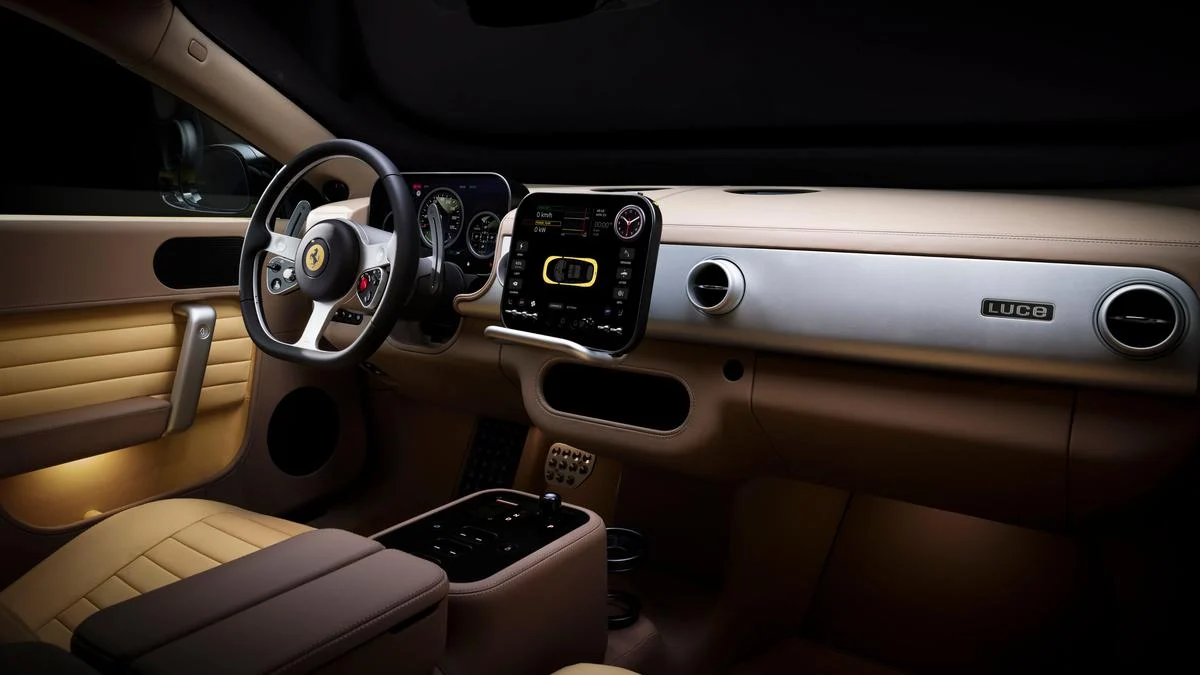
The cabin of the Luce is perhaps the most advanced ever fitted to a road car.
- Collaboration with Samsung: The OLED displays provide industry-leading contrast and clarity.
- E Ink Integration: The vehicle’s key uses E Ink technology to change its visual display based on the car’s status.
- Material Science: Extensive use of Corning Gorilla Glass and polished aluminum replaces the traditional heavy use of carbon fiber, leaning into a "minimalist luxury" aesthetic.
- Audio: A 21-speaker, 3,000-watt system provides an immersive environment for the five occupants, a first for the brand.
Official Responses: Defining the "Authentic" Ferrari Sound
The most controversial aspect of any electric Ferrari is the lack of an engine note. Ferrari CEO Benedetto Vigna has been vocal about the company’s refusal to use "fake" synthesized noises played through speakers—a common tactic in the EV industry.
Instead, Ferrari’s official stance is the pursuit of an "Authentic Sound Philosophy." The Luce features a patented system that captures the natural vibrations and frequencies produced by the four electric motors and the drivetrain. These mechanical sounds are then amplified and transmitted into the cabin via structural "conductors."
"We are not trying to pretend there is a V12 under the hood," a Ferrari spokesperson noted during the Rome event. "The Luce is a new kind of Ferrari. It has its own voice, one that is rooted in the physics of its electric powertrain. It is a sound of precision and power, not a simulation of the past."
Ferrari’s leadership emphasizes that the Luce is an expansion of the portfolio, not a replacement. They argue that by attracting a new demographic—one that values technological avant-gardism and sustainability—they are securing the financial future of the brand, which in turn allows them to continue producing low-volume ICE masterpieces for the purists.
Implications: A Brand at a Crossroads
The Luce has effectively split the Ferrari community into two camps: the Traditionalists and the Futurists.
The Traditionalist Backlash
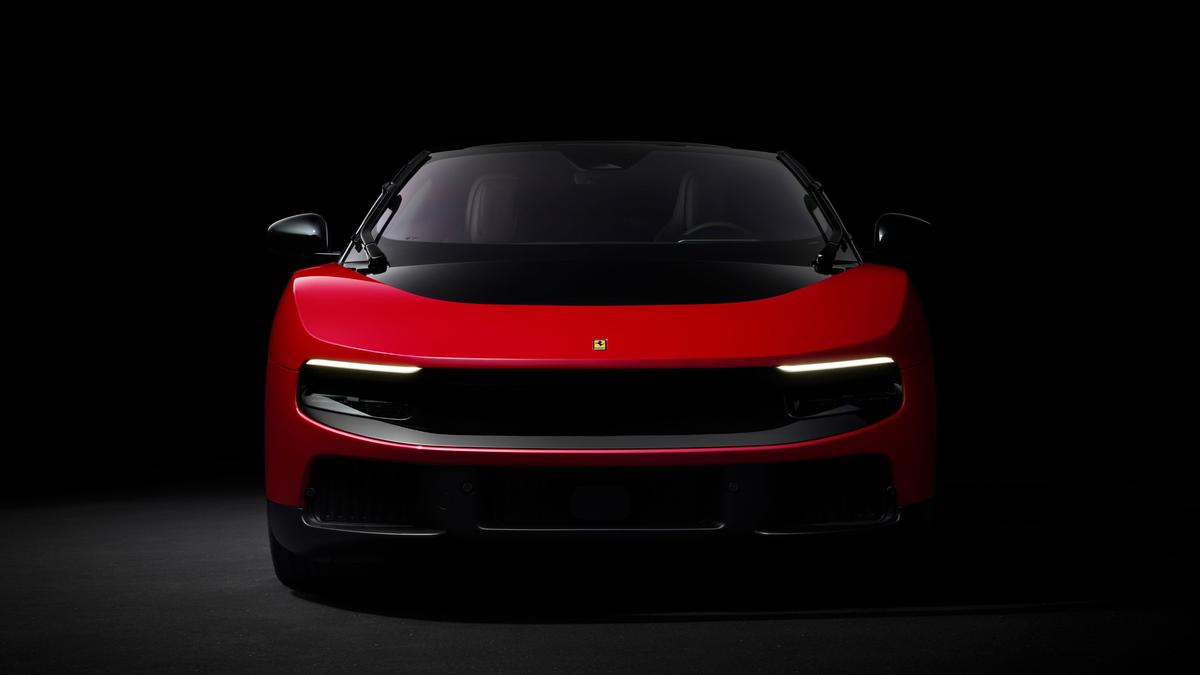
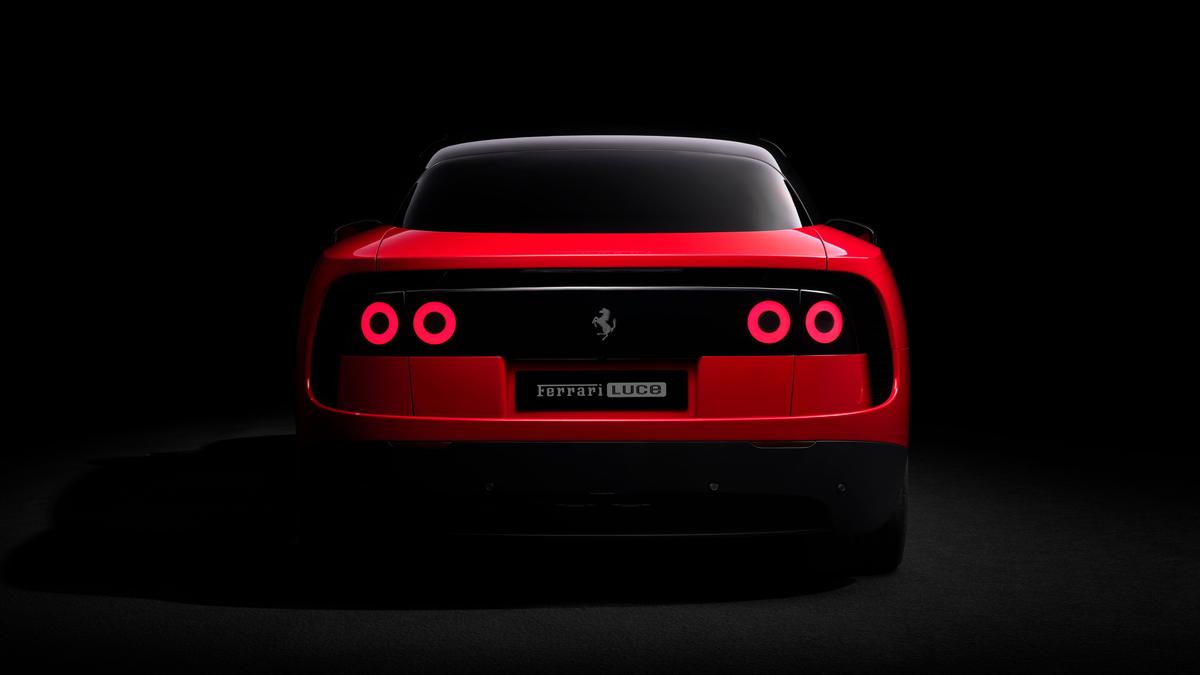
For the purists, the Luce represents a "dilution" of the brand. Critics argue that the minimalist, "shell-like" design—influenced heavily by Jony Ive’s Apple-era aesthetics—lacks the passion and aggressive "form-follows-function" aero-sculpting of previous models. The smooth surfaces and expansive glasshouse have led to social media comparisons with high-end consumer electronics rather than Italian racing machinery. There is a palpable fear that by chasing a "tech-first" audience, Ferrari risks losing the "mystique" that allows it to command million-dollar premiums.
The Futurist Opportunity
Conversely, the Luce positions Ferrari at the absolute pinnacle of the "Performance Luxury" segment. It competes not just with Lamborghini or McLaren, but with top-tier offerings from Lucid, Porsche, and even bespoke coachbuilders. For a new generation of high-net-worth individuals—particularly in markets like China and Silicon Valley—the Luce is the ultimate status symbol: a vehicle that combines the world’s most prestigious badge with the values of the modern era.
Market and Industry Impact
The long-term implications for the automotive industry are profound. If Ferrari can successfully sell a €500,000 EV that relies on "vibrational emotion" rather than piston-driven drama, it provides a blueprint for the entire exotic car industry. However, if the Luce fails to resonate, it may serve as a cautionary tale that some brand identities are too tethered to the internal combustion engine to survive a total transition.
Conclusion: The Gamble of the Century
The Ferrari Luce is a daring, high-stakes wager. By stepping outside its traditional design framework and embracing a partnership with LoveFrom, Ferrari has signaled that it is no longer just an automotive company—it is a luxury technology house.
Whether the Luce is remembered as the car that saved Ferrari for the 21st century or the car that alienated its most loyal fans remains to be seen. In the short term, the polarized reaction and the stock market’s trepidation suggest a difficult road ahead. Yet, history has shown that Maranello is often at its best when it is most defiant. As the Luce begins its global rollout, the world will be watching to see if this "New Chapter" can truly capture the lightning—and the soul—of the Prancing Horse.
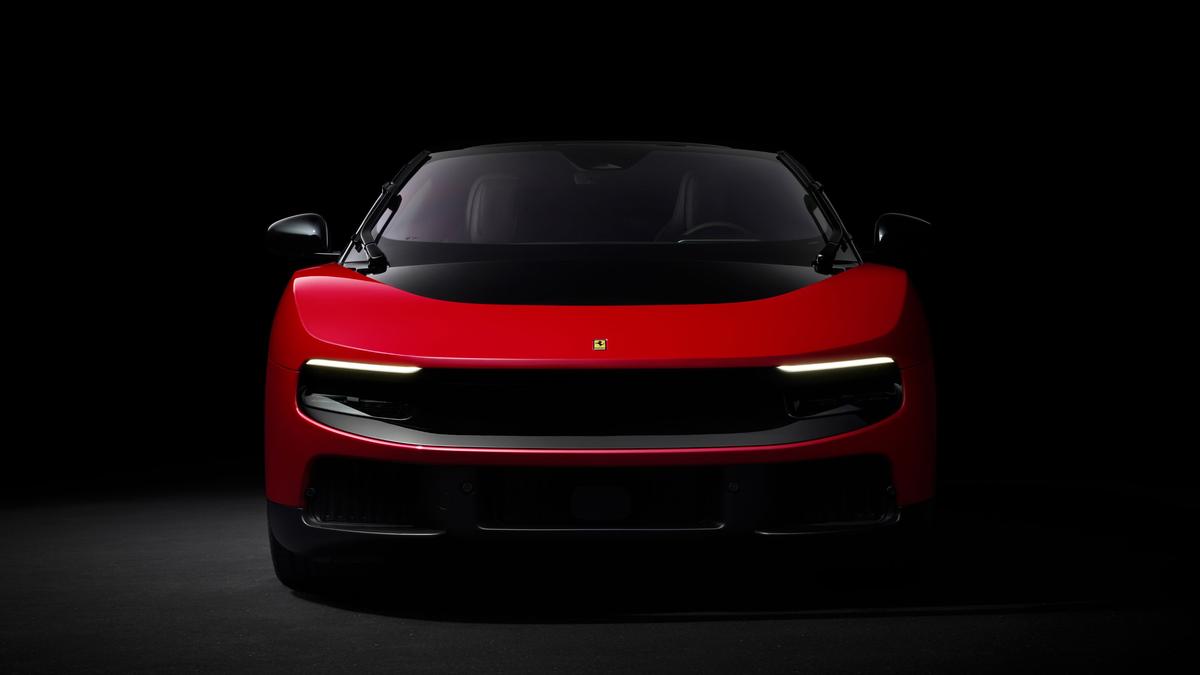
Editorial Note: Ferrari is expected to begin deliveries of the Luce in late 2025. In the Indian market, the vehicle is anticipated to exceed a price point of ₹5 crore, positioned as a niche masterpiece for the country’s growing base of eco-conscious billionaires.
