

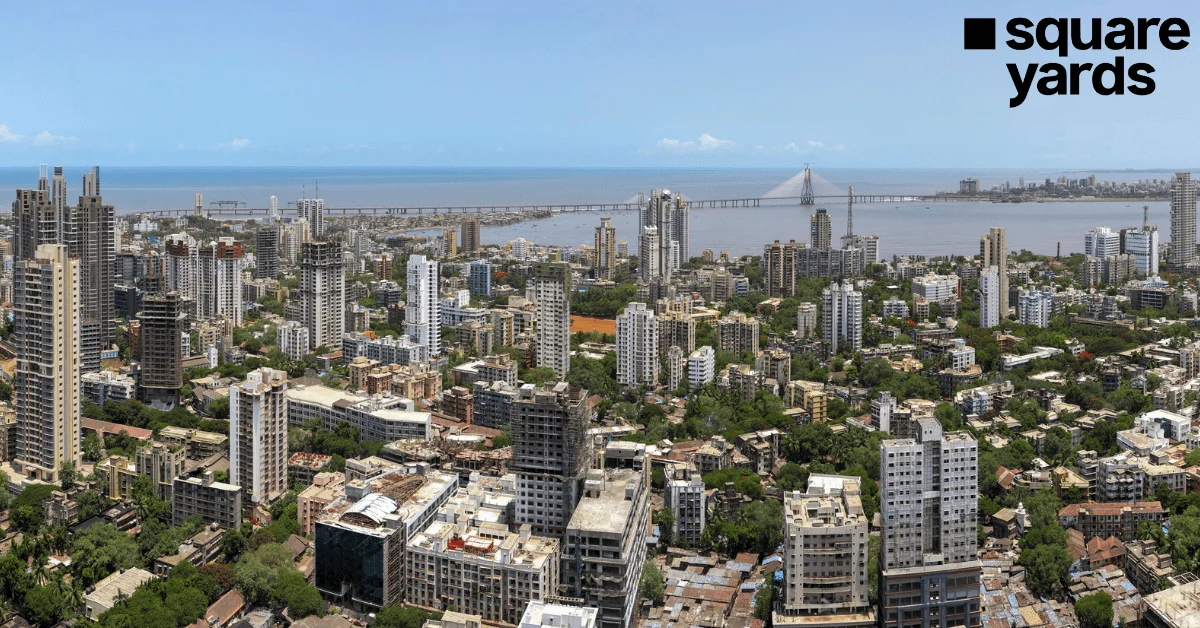
Thane, India – August 11, 2026 — In a landmark move destined to redefine the urban landscape of the Mumbai Metropolitan Region (MMR), the Maharashtra state government has formally sanctioned the preparation of a Detailed Project Report (DPR) for the Thane-Diva Metro corridor. This proposed rapid transit line is designed to bridge the connectivity gap between Thane city and its burgeoning eastern suburbs, including Kalwa, Mumbra, and Diva.
As the MMR continues to expand, the demand for robust, high-capacity public transport has reached a critical threshold. The Thane-Diva Metro is not merely a transport project; it is a strategic intervention aimed at decentralizing the immense pressure on the Central Railway’s suburban network and catalyzing real estate development in some of the region’s most densely populated residential pockets.
1. Main Facts: The Blueprint for a New Transit Era
The Thane-Diva Metro is envisioned as a vital spur of the larger Thane Metro network. Tasked with the execution of the DPR, Maha Metro (Maharashtra Metro Rail Corporation Limited) will oversee the technical feasibility, alignment planning, and financial modeling of the project.
Key Project Highlights:
- Primary Alignment: The corridor is slated to originate from a strategic node in Thane, traversing through the industrial and residential hubs of Kalwa and Mumbra, before reaching its terminus at Diva.
- Intermodal Integration: A core objective of the project is to provide seamless interchange facilities with the Central Railway at Kalwa, Mumbra, and Diva stations, as well as integration with the upcoming Metro Line 4 (Wadala-Kasarvadavali) and Line 4A (Kasarvadavali-Gaimukh).
- Target Demographic: The line primarily targets daily wage earners, office-goers, and students who currently rely on the "super-dense crush load" conditions of the local train system.
- Commuter Relief: By providing a parallel transit option, the metro aims to reduce road congestion on the old Mumbai-Pune Highway (NH 4) and the internal arterial roads of Thane and Mumbra.
The project represents a shift in urban planning philosophy, moving away from a Thane-centric model toward a more inclusive regional approach that acknowledges the economic contributions of the eastern "satellite" townships.
2. Chronology: From Concept to Cabinet Approval
The journey of the Thane-Diva Metro is rooted in the long-standing demand for better east-west connectivity within the Thane district.
- Early 2020s: Initial discussions began regarding a "Thane Ring Metro." However, planners realized that a circular route alone would not suffice for the rapidly growing populations in Mumbra and Diva.
- 2023-2024: The Mumbai Metropolitan Region Development Authority (MMRDA) and the Thane Municipal Corporation (TMC) conducted preliminary surveys identifying the Thane-Diva stretch as a "high-demand corridor" due to the saturation of the Central Railway.
- Late 2025: The proposal for a dedicated metro link was drafted, emphasizing the need to connect the affordable housing hubs of Diva with the commercial centers of Thane and Mumbai.
- August 2026: The Maharashtra State Government officially greenlights the DPR phase. Maha Metro is appointed as the lead agency to finalize the route, station density, and estimated project cost, which is expected to run into several thousand crores.
The next 12 to 18 months will be crucial as the DPR will undergo environmental impact assessments, social impact studies, and final budgetary allocations before the first brick is laid.
3. Supporting Data: Real Estate and Market Dynamics
The announcement of the Thane-Diva Metro has sent ripples through the real estate sector. Historically, infrastructure projects in the MMR have led to a 15-25% appreciation in property values even before operations begin.
Current Market Valuation (August 2026)
According to data compiled by Square Yards Research, the price points in the affected localities reflect their current status as mid-segment and affordable hubs:
| Locality | Average Property Price (per sq. ft.) | Growth Potential (Post-Metro) |
|---|---|---|
| Kalwa | ₹13,000 – ₹19,000 | High (due to redevelopment) |
| Thane East | ₹10,000 – ₹18,000 | Moderate (established market) |
| Mumbra | ₹9,000 – ₹13,000 | High (connectivity gap closure) |
| Diva | ₹8,000 – ₹11,000 | Very High (affordability factor) |
Ridership Projections
Initial estimates suggest that the Thane-Diva Metro could witness a daily ridership of over 2.5 lakh passengers within its first year of operation. The shift from private transport and overcrowded buses to the metro is expected to reduce travel time between Thane and Diva by nearly 40%.
4. Official Responses: The Vision of the Authorities
State officials and urban planners have expressed optimism regarding the project’s ability to modernize the eastern suburbs.
A Senior Official from the State Urban Development Department stated:
"The approval of the DPR for the Thane-Diva Metro is a testament to our commitment to ‘Ease of Living.’ For too long, the residents of Mumbra and Diva have been underserved by modern transit. This metro will not just move people; it will move the economy of eastern Thane by linking it to the wider Mumbai metro network."
A Spokesperson for Maha Metro commented on the technical aspect:
"Our focus is on creating a corridor that is technically sound and socially inclusive. We are looking at innovative construction methodologies to navigate the dense clusters of Mumbra and Kalwa. The DPR will prioritize station locations that offer the maximum ‘last-mile’ connectivity to residential colonies."
Urban planning experts suggest that the project should also focus on Transit-Oriented Development (TOD), allowing for higher Floor Space Index (FSI) around metro stations to encourage organized commercial and residential growth.
5. Implications: Redefining Mobility and Real Estate
The ripple effects of the Thane-Diva Metro will be felt across multiple sectors, most notably in mobility and residential real estate.
A. Mobility: Breaking the Central Railway Monopoly
For decades, the Central Railway has been the sole lifeline for Diva and Mumbra. During peak hours, the congestion at these stations is legendary. The metro will provide a high-frequency, air-conditioned alternative that connects these residents directly to the commercial districts of Wagle Estate, Ghodbunder Road, and eventually, through Line 4, to the business hubs of Mumbai.
B. Real Estate: The Transformation of Localities
1. Kalwa: The Redevelopment Hub
Kalwa is already undergoing a transformation through cluster redevelopment schemes. The metro will act as a catalyst, making it an attractive destination for middle-income professionals who want to stay close to Thane city but seek more modern amenities.
2. Mumbra: Overcoming the Connectivity Stigma
Mumbra’s real estate has often been hindered by perceived isolation from the main city. A dedicated metro station will integrate Mumbra into the mainstream MMR economy, likely leading to a surge in demand for organized housing projects and a shift away from unregulated developments.
3. Diva: The Affordable Frontier
Diva remains one of the last bastions of affordability in the Thane district. With the metro, Diva will no longer be seen as a "far-flung suburb" but as a viable residential option for those working in Thane and Navi Mumbai. We expect to see a significant increase in "budget-luxury" projects in this belt.
4. Thane East: The Transit Anchor
Thane East, already a premium pocket, will benefit from improved "back-end" connectivity. As the entry point for the new metro line, it will solidify its status as a major transit-oriented residential hub.
C. Economic and Social Impact
Beyond real estate, the metro will facilitate better access to healthcare (such as the Chhatrapati Shivaji Maharaj Hospital in Kalwa) and educational institutions. It will also open up new avenues for small-scale commercial enterprises near metro stations, boosting local employment.
Conclusion: A Future-Ready Thane
The proposed Thane-Diva Metro is more than just a line on a map; it is a lifeline for the millions who reside in the eastern corridors of the district. While the DPR is the first step in a long journey, the government’s approval signals a clear intent to modernize the MMR’s infrastructure.
As the project moves from the drawing board to the ground, it will undoubtedly face challenges—ranging from land acquisition in dense areas to the technical complexities of crossing railway lines. However, the long-term benefits—reduced carbon emissions, increased property values, and a dignified commuting experience—make the Thane-Diva Metro one of the most anticipated infrastructure projects of the decade. For investors and homebuyers, the message is clear: the eastern frontier of Thane is no longer an afterthought; it is the next big growth story.
