

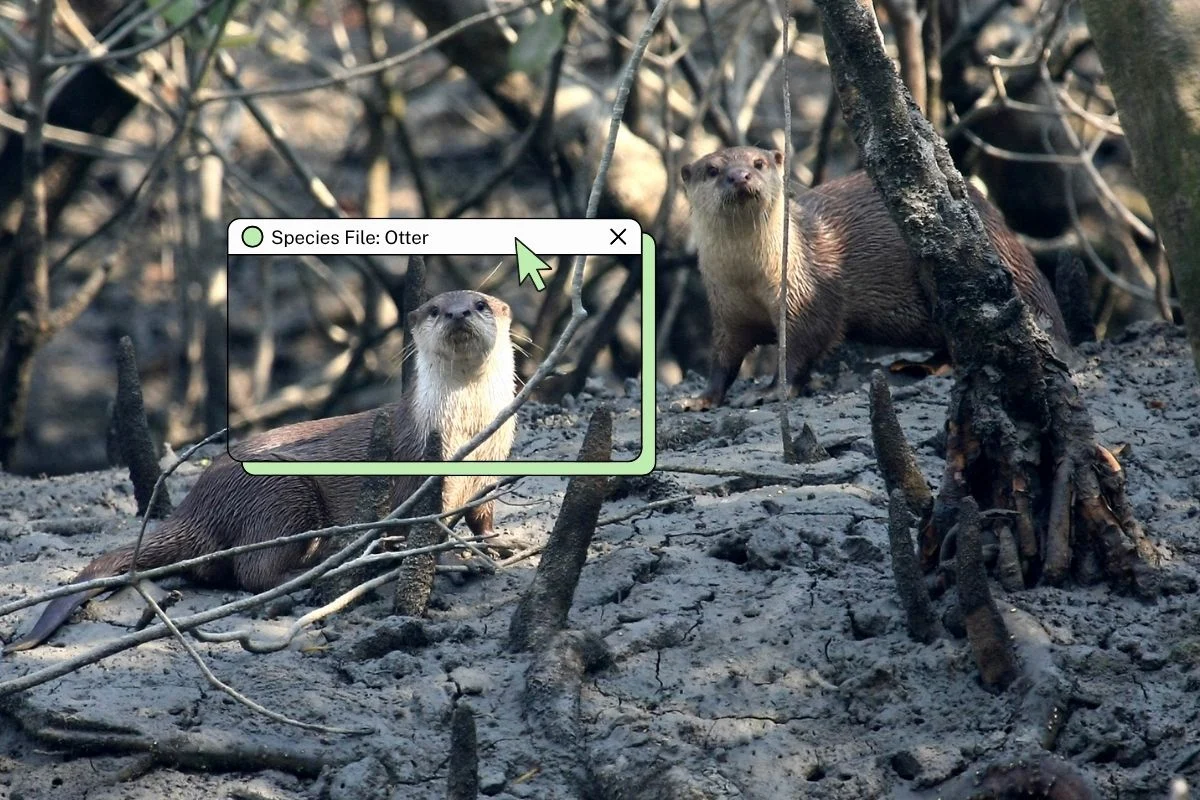
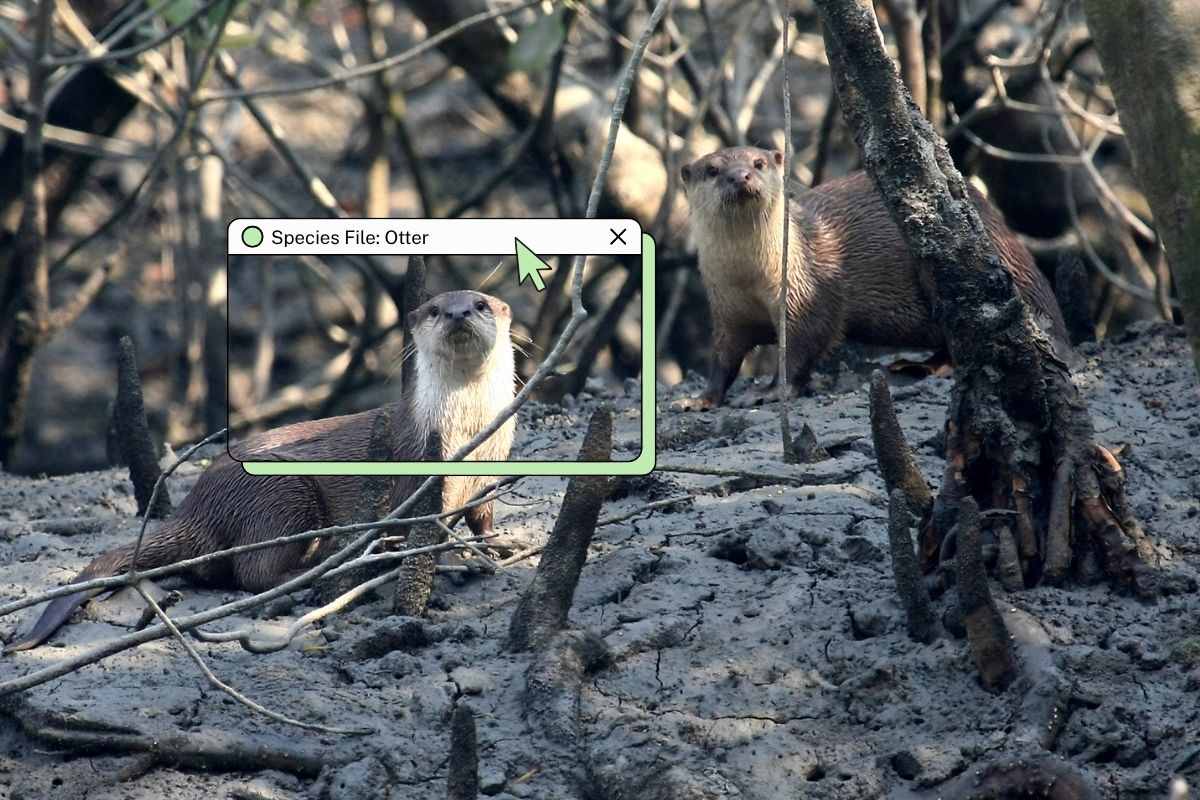
In the heart of Tamil Nadu’s industrial and agricultural belt, an unexpected ecological revelation has emerged from the waters of the Kaveri River. A recent comprehensive survey conducted in the Salem district has identified a thriving population of smooth-coated otters (Lutrogale perspicillata) inhabiting the stretches around the Mettur Dam. This discovery, bolstered by the testimonies of local fishing communities who estimate the population to exceed 1,000 individuals, marks a significant milestone for riparian conservation in Southern India.
As apex predators of freshwater ecosystems, otters—often referred to as "river wolves"—serve as vital indicators of environmental health. However, their presence in the Kaveri is a double-edged sword, highlighting both the resilience of the species and the intensifying friction between wildlife and human livelihoods.
Main Facts: A Vital Stronghold in Salem District
The survey, which focused on the Mettur Dam and the adjacent stretches of the Kaveri River, suggests that this region has become one of the most critical habitats for the smooth-coated otter in India. The smooth-coated otter is the largest of Southeast Asia’s otters and is distinguished by its velvet-like fur and social behavior. Unlike many other otter species that are solitary, smooth-coated otters often hunt in family groups, a sight that has become increasingly common for the residents of Salem.
Key Findings of the Report:
- Population Density: Local reports and scientific observations suggest a population of over 1,000 otters, an unusually high concentration for a species that is generally seeing a downward trend globally.
- Habitat Suitability: The Mettur Dam’s reservoir and the downstream riverine vegetation provide an ideal mix of deep water for hunting and sandy banks for "grooming" and "sprainting" (marking territory).
- Biodiversity Role: By regulating fish populations and removing weak or diseased individuals, these otters maintain the genetic vigor of the Kaveri’s aquatic life.
While the numbers are encouraging, experts warn that "abundance" in a localized area does not equate to "safety." The concentration of otters in a region heavily utilized by humans sets the stage for complex conservation challenges.
Chronology: The Evolution of Otter Conservation in India
To understand the significance of the Mettur discovery, one must look at the historical trajectory of otter research and protection in the Indian subcontinent.
- The Era of Neglect (Pre-1970s): For decades, otters were largely ignored in India’s conservation discourse, which focused heavily on charismatic megafauna like tigers and elephants. They were often viewed merely as "pests" by the fishing industry.
- Legal Recognition (1972): The enactment of the Wildlife (Protection) Act, 1972, provided the first legal framework for otter protection. All three Indian species were listed under various schedules, granting them protection against hunting and trade.
- The Fur Crisis (1990s–2000s): A surge in the international illegal wildlife trade saw otters targeted for their dense, waterproof pelts. Investigations by organizations like TRAFFIC revealed that otter skins were being smuggled alongside tiger and leopard skins, primarily destined for markets in China and Tibet.
- Scientific Awakening (2010–Present): A new generation of researchers began documenting otter distributions using camera traps and DNA analysis. The recent survey in Salem is part of this broader movement to map "data-deficient" species. In 2024, filmmakers and researchers successfully documented the intimate lives of otter families on the Kaveri, bringing public attention to their plight.
Supporting Data: Understanding India’s Three Otter Species
India is home to three of the world’s thirteen otter species, each occupying a unique ecological niche. Their survival is contingent upon the health of the country’s diverse water bodies.
1. The Smooth-Coated Otter (Lutrogale perspicillata)
- Status: IUCN Vulnerable.
- Distribution: Found throughout major river systems south of the Himalayas.
- Characteristics: They have smooth, short hair and are highly adapted to large rivers and wetlands. They are known for being exceptionally playful and social.
2. The Asian Small-Clawed Otter (Aonyx cinereus)
- Status: IUCN Vulnerable.
- Distribution: High-elevation streams of the Western Ghats, the Himalayan foothills, and the Northeast.
- Characteristics: The smallest otter in the world. They have vestigial claws that do not extend beyond the pads of their feet, allowing them extreme manual dexterity to forage for crabs and mollusks in shallow water.
3. The Eurasian Otter (Lutra lutra)
- Status: IUCN Near Threatened.
- Distribution: The most elusive of the three, found in the cold torrents of the Himalayas and isolated pockets of the Western Ghats and Central India.
- Characteristics: Solitary and nocturnal, making them the hardest to study and count.
The Threat of the Illegal Trade
Supporting data from a 2016 TRAFFIC report remains a sobering reminder of the pressures these animals face. Katrina Fernandez, director of Wild Otters Research, noted that in the early 2000s, otter skins accounted for approximately 30% of the illegal fur trade in India. Despite increased enforcement, the demand for "luxury" fur remains a persistent threat, particularly in the Northeast, where smuggling routes to East Asia are well-established.
Official Responses: Legal Protections and Institutional Frameworks
The Indian government and international bodies have responded to the declining otter populations with several layers of protection.
The Wildlife (Protection) Act, 1972
In India, otters are protected under the highest levels of the law. Recent amendments have further tightened the penalties for poaching. The smooth-coated and small-clawed otters are listed under Schedule I, providing them the same level of protection as the Royal Bengal Tiger. This means any person found hunting or trading in these animals faces mandatory imprisonment.
International Status
- CITES: In 2019, both the smooth-coated and Asian small-clawed otters were moved to Appendix I of CITES (Convention on International Trade in Endangered Species of Wild Fauna and Flora). This effectively bans all international commercial trade in these species.
- IUCN Red List: The "Vulnerable" status assigned to the smooth-coated otter reflects a global population decline of more than 30% over the last three generations, driven primarily by habitat loss and pollution.
Local Management
The Tamil Nadu Forest Department has been increasingly involved in monitoring the Kaveri stretches. However, the management of the Mettur Dam area falls under a complex overlap of jurisdictions, including the Water Resources Department and Fisheries Department. Conservationists are calling for a "Riparian Protected Area" designation for specific stretches of the river to ensure that industrial expansion does not encroach upon these critical breeding grounds.
Implications: The Human-Wildlife Conflict and the Path Forward
The discovery of a large population in Salem is a double-edged sword. While it proves the Kaveri can still support high biodiversity, it also increases the frequency of human-otter interactions, which are often negative.
The Fisheries Conflict
For the local fishers of Salem, otters are often seen as competitors. Otters are intelligent enough to realize that fish caught in nylon nets are an easy meal. In the process of stealing the fish, they often tear expensive nets, leading to significant financial losses for artisanal fishers. This has led to "retaliatory killings," where otters are poisoned or beaten to death to protect livelihoods.
Environmental Degradation
The Kaveri River faces extreme pressure from:
- Pollution: Industrial runoff and untreated sewage reduce the oxygen levels in the water, killing the fish that otters depend on.
- Sand Mining: Illegal sand mining destroys the riverbanks where otters dig their dens (holts) and raise their pups.
- Dams: While the Mettur Dam provides a reservoir, the regulation of water flow can lead to the sudden flooding or drying of downstream habitats, disrupting the otters’ breeding cycles.
Community-Based Conservation
The future of the Kaveri’s otters lies not in fencing off the river, but in community-based models. In Maharashtra’s Western Ghats, successful programs have compensated fishers for net damage and involved them as "Otter Ambassadors." A similar model in Salem could transform the local population from "pests" into a source of pride and potential eco-tourism revenue.
Conclusion
The 1,000-strong otter population of Mettur is a biological treasure that India cannot afford to lose. Their presence is a testament to the enduring life-force of the Kaveri River, despite the heavy toll of human industry. However, without a concerted effort to curb poaching, manage human-wildlife conflict, and restore the riparian health of the river, these "sentinels of the water" may eventually vanish.
The survey in Salem serves as a clarion call: the smooth-coated otter is no longer just a "species file" entry; it is a living, breathing component of Tamil Nadu’s natural heritage that requires immediate and sustained protection. As we look toward 2025 and beyond, the survival of the smooth-coated otter will be the ultimate litmus test for the health of India’s river systems.
