

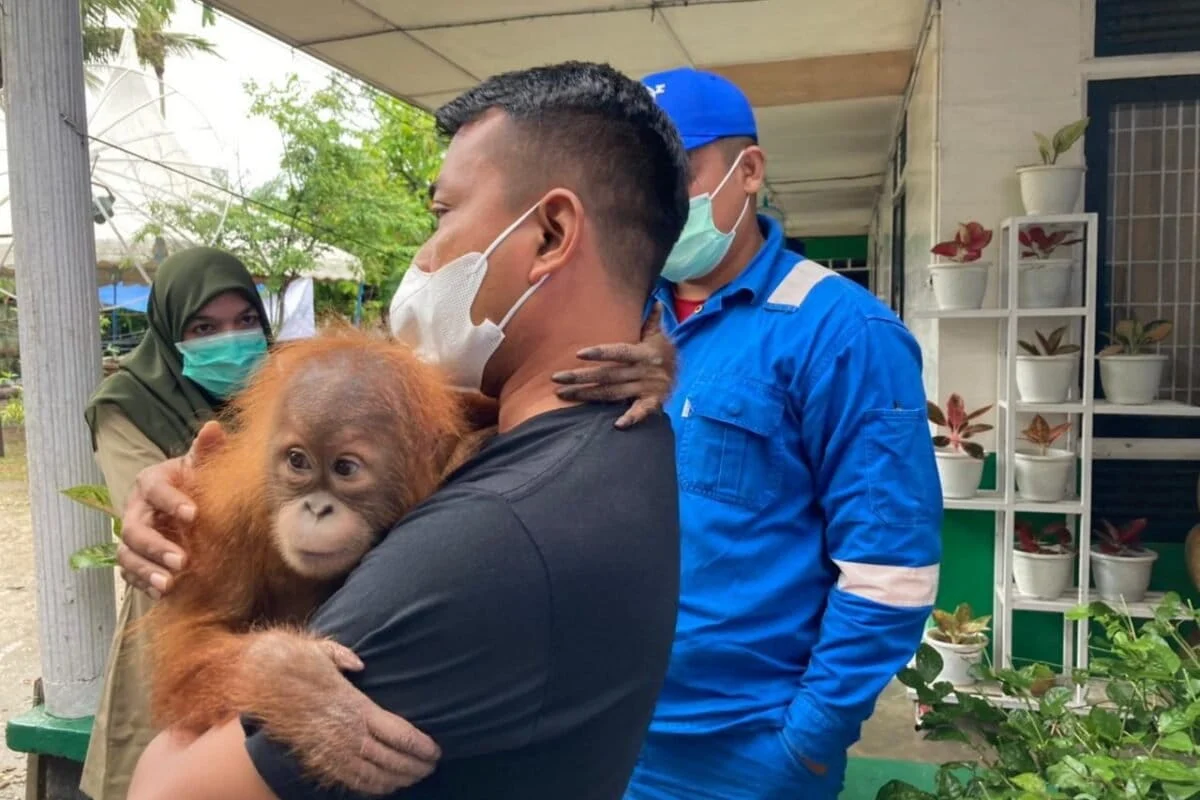
ODISHA, India – In the dense undergrowth of a forest in Odisha, thousands of miles from the tropical rainforests of Southeast Asia, five infant orangutans were recently discovered abandoned and distressed. The images of these critically endangered primates, their wide eyes reflecting a trauma few can comprehend, quickly went viral, sparking a national conversation about a dark and burgeoning industry. As Indian authorities peel back the layers of this specific case, a more alarming reality is surfacing: India has transitioned from a transit point to a primary destination in the global illegal wildlife trade, with primates now at the center of a high-stakes smuggling operation.
This investigative report, the second in a series on the exotic pet trade, examines the biological cost, the logistical mechanics of trafficking, and the legal quagmire surrounding the keeping of non-human primates in India.
Main Facts: The New Face of Exotic Ownership
For decades, the Indian exotic pet market was dominated by non-native birds, specifically parrots and macaws. However, a shifting demographic of ultra-wealthy collectors, fueled by social media "clout" and a desire for unique status symbols, has driven a demand for more complex mammals. Primates—ranging from the small, agile marmosets to the highly intelligent great apes—have become the "new parrots."

The scale of the crisis is reflected in recent data. A 2026 global assessment of wild mammals kept as pets identified 702 species worldwide, with non-human primates accounting for nearly 40% of the total. In India, the trend is equally stark. According to a 2023 TRAFFIC analysis, nearly 4,000 exotic animals were seized across 56 incidents in 2022 alone. Of these, over 100 were high-value primates, including chimpanzees, siamangs, capuchins, and the critically endangered orangutan.
The trade is not merely a violation of border protocols; it is a direct assault on biodiversity. All three species of orangutan (Sumatran, Bornean, and Tapanuli) are critically endangered. Similarly, all 20 recognized species of gibbons are listed as threatened with extinction on the IUCN Red List. Despite their CITES Appendix I status—the highest level of international protection—these animals are appearing in urban Indian settings, from Mumbai high-rises to private collections in Tamil Nadu.
Chronology: From Forest Canopy to Suitcase
The journey of a trafficked primate is one defined by violence and extreme physiological stress. The timeline of a typical "acquisition" begins in the primary forests of Indonesia or Malaysia.

The Fatal Capture
Unlike many other animals, infant primates are not easily separated from their social units. Conservation researcher Uttara Mendiratta explains that the capture of a baby orangutan or gibbon almost invariably requires the death of the mother. "Mothers do not simply abandon their young and flee," Mendiratta notes. "To obtain a baby, the mother is killed, often falling from the canopy with the infant still clinging to her body. Many infants die from the fall itself."
The Transit Ordeal (2024–2025)
Once captured, the survivors enter a shadowy logistics network. In 2024, an orangutan was rescued from an apartment bathroom in Mumbai. In 2025, a harrowing case at Mumbai airport saw nine young primates intercepted after being smuggled from Malaysia in a single suitcase. Of the nine, eight died during the flight from a combination of starvation, dehydration, and suffocation. The lone survivor, a pigtail macaque, was found with a pellet lodged in its head, a grim reminder of the violence used during its capture.
Recent Discoveries (2026)
The discovery of the five orangutans in Odisha represents the latest peak in this timeline. Currently housed at Nandankanan Zoological Park, these infants are believed to be less than a year old. Their presence in a remote Indian forest suggests a sophisticated land-and-sea route that bypasses traditional airport security, which has become increasingly stringent.

Supporting Data: The Biological and Psychological Toll
The illegal trade does more than just remove individuals from the wild; it destabilizes entire species populations. Primates are "slow-reproducing" species. Female orangutans, for instance, do not reach sexual maturity until age 12 to 15 and have an interbirth interval of approximately eight years. Every female killed to secure an infant represents a loss of decades of potential reproductive output.
The Psychology of Separation
The trauma of maternal separation has been documented through the lens of "anaclitic depression." Mewa Singh, an expert in animal behavior, describes intense phases of agitation following capture. "The animals may cry, scream, and stop eating. They expend immense energy in distress, which can lead to death," Singh explains. This "adaptive response to severe stress" is often misinterpreted by pet owners as the animal being "quiet" or "well-behaved."
The Myth of Captive Breeding
While some traders claim their animals are "captive-bred" to circumvent CITES regulations, experts remain skeptical. There are no known legal, commercial breeding facilities for orangutans or gibbons anywhere in the world. Any primate sold under this guise is almost certainly wild-caught and laundered through fraudulent paperwork in transit countries.

Official Responses and the Repatriation Dilemma
The discovery of the Odisha orangutans has ignited a diplomatic and legal tug-of-war. The Indonesian government has officially sought the repatriation of the five infants, asserting that they likely originated in Sumatra.
The Indian Stance
The Odisha state government, however, has requested permission from the Central Zoo Authority (CZA) to permanently house the animals at Nandankanan Zoological Park. They cite the delicate health of the infants as a reason for delaying DNA testing and potential transport. This has drawn criticism from conservationists who fear that allowing seized animals to remain in local zoos creates a "seizure-to-acquisition" pipeline, effectively rewarding the state for the presence of trafficked goods.
CITES Guidelines
Under international CITES guidelines, countries are encouraged to explore three options for confiscated live animals:

- Repatriation to the country of export or origin.
- Placement in an appropriate captive facility (sanctuary).
- Return to the wild, if feasible.
Sumanth Bindhumadhav, India Director for Humane World for Animals (HWA), argues that repatriation should be the priority. "We must ensure no precedent is set where trafficking seizures become a route for facilities to acquire rare species," he says. While CITES guidelines are non-binding, many argue that returning the animals to Indonesia—where specialized rehabilitation "forest schools" exist—is the only morally and ecologically sound path.
Implications: The Dangers of Domestication
Beyond the ethical and conservation concerns, the trend of keeping primates as pets poses significant risks to human owners and local ecosystems.
Behavioral Aggression
Primates are often sought for their "human-like" qualities, but these very traits make them unsuitable for domestic life. As primates reach sexual maturity, their territorial instincts and physical strength increase. The HWA report documents numerous cases of captive macaques and chimpanzees attacking their owners, leading to severe injuries or death.

The Threat of Abandonment
When the reality of caring for a wild animal becomes overwhelming, owners often abandon them. A rare siamang gibbon was recently found wandering the streets of Tiruvottiyur, Chennai, balancing on power cables. Such incidents not only endanger the animal but also pose a risk of zoonotic disease transmission to local populations and indigenous wildlife.
The Shadow Economy
Wildlife trafficking does not exist in a vacuum. Pawan Sharma of RAWW (Resqink Association for Wildlife Welfare) points out that those involved in smuggling exotic animals are often linked to other illicit trades, including narcotics and arms. "For the trader, the animal is just another commodity," says Jose Louise, CEO of Wildlife Trust of India. "They are purchased for one price and sold for another. No amount of compassion from an end-buyer can erase the blood and suffering involved in the supply chain."
Conclusion
The five orangutans in Odisha are currently "under observation," their futures hanging in the balance of bureaucratic deliberations. Their story is a microcosm of a much larger, more systemic failure to protect the world’s most vulnerable species from the whims of the luxury market.

As India strengthens its role as a destination for the illegal primate trade, the message from conservationists is clear: the cost of an exotic pet is measured not in the thousands of dollars paid to a smuggler, but in the permanent loss of forest sentinels and the brutal silencing of the canopy. Repatriation and stricter enforcement at the borders are the only ways to ensure that the forests of Sumatra and Borneo do not continue to bleed their heritage into the living rooms of the Indian elite.
