

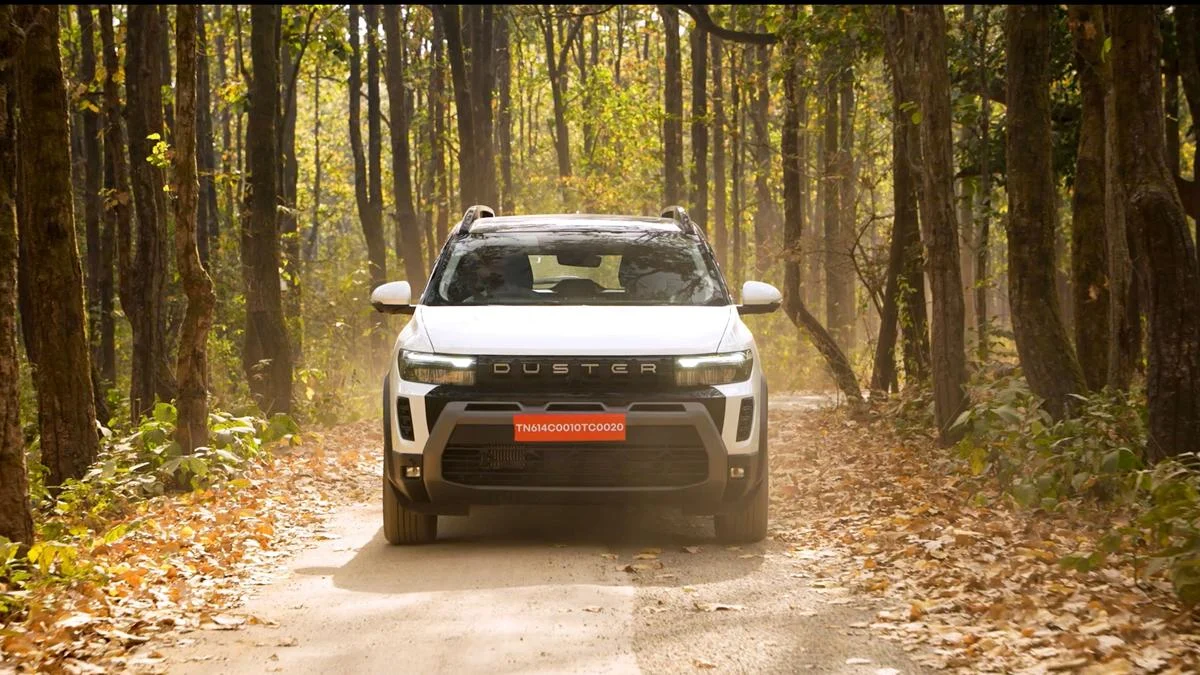
The Indian automotive landscape is littered with names that once promised revolution, but few have left a footprint as indelible as the Renault Duster. When it first arrived in 2012, it did more than just sell units; it pioneered the monocoque compact SUV segment, proving that a vehicle could be rugged enough for the Himalayas yet refined enough for the commute to South Mumbai. After a brief hiatus that left enthusiasts and practical buyers alike in a lurch, the Duster is making a high-stakes comeback.
The market it returns to, however, is vastly different from the one it left. Today’s C-SUV segment is the most competitive in India, dominated by tech-heavy offerings like the Hyundai Creta and Kia Seltos. The question facing Renault is no longer whether they can build a tough car, but whether the Duster’s philosophy of "substance over flash" remains relevant to the modern Indian consumer.
Main Facts: A New Chapter for the Iconic Nameplate
The new Renault Duster is not a mere facelift; it is a comprehensive reimagining built on the Alliance’s CMF-B platform. This global architecture brings with it a host of improvements in safety, rigidity, and powertrain flexibility.
In its latest avatar, the Duster positions itself as a premium yet rugged alternative. The standout variant, the 1.3 Turbo ICONIC, serves as the flagship, showcasing the most potent engine in its class. With a price range spanning INR 10.29 lakh to 18.49 lakh, Renault is targeting a wide spectrum of buyers, from those looking for an entry-level rugged crossover to enthusiasts seeking high-performance turbo-petrol thrills.
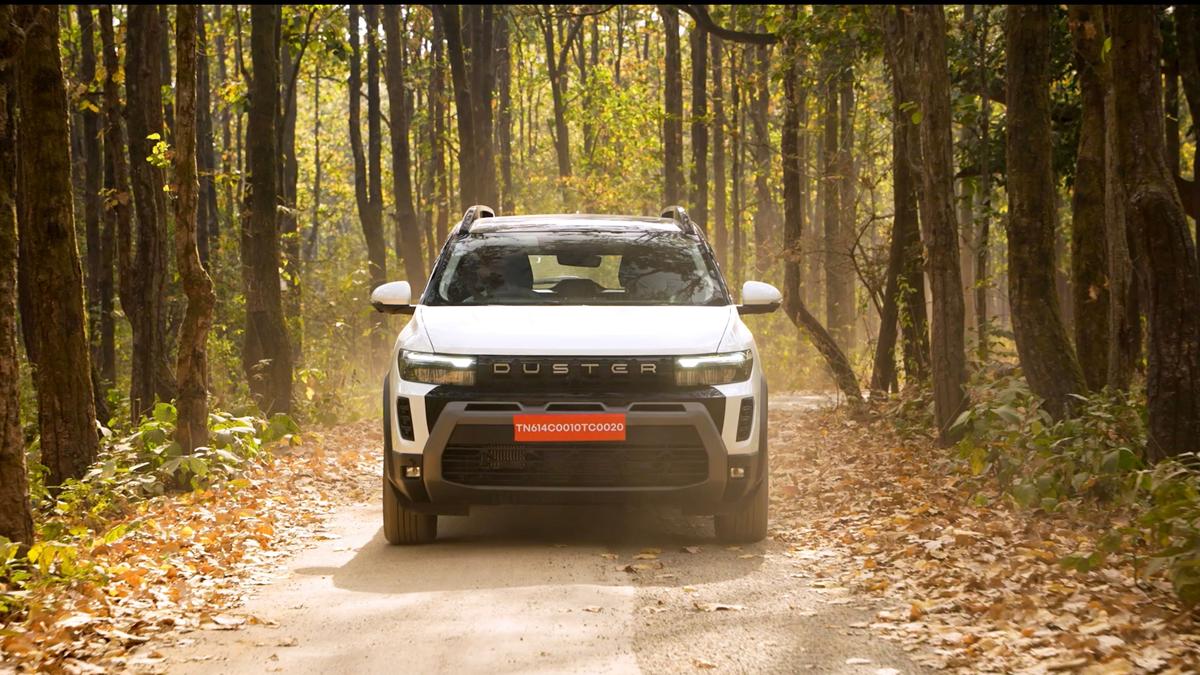
Key Specifications at a Glance:
- Engine Options: 1.3L Turbo Petrol (163hp/280Nm), 1.0L Turbo Petrol (100hp/160Nm), and an upcoming 1.8L Strong Hybrid.
- Transmission: 6-speed Manual and Dual-Clutch Transmission (DCT).
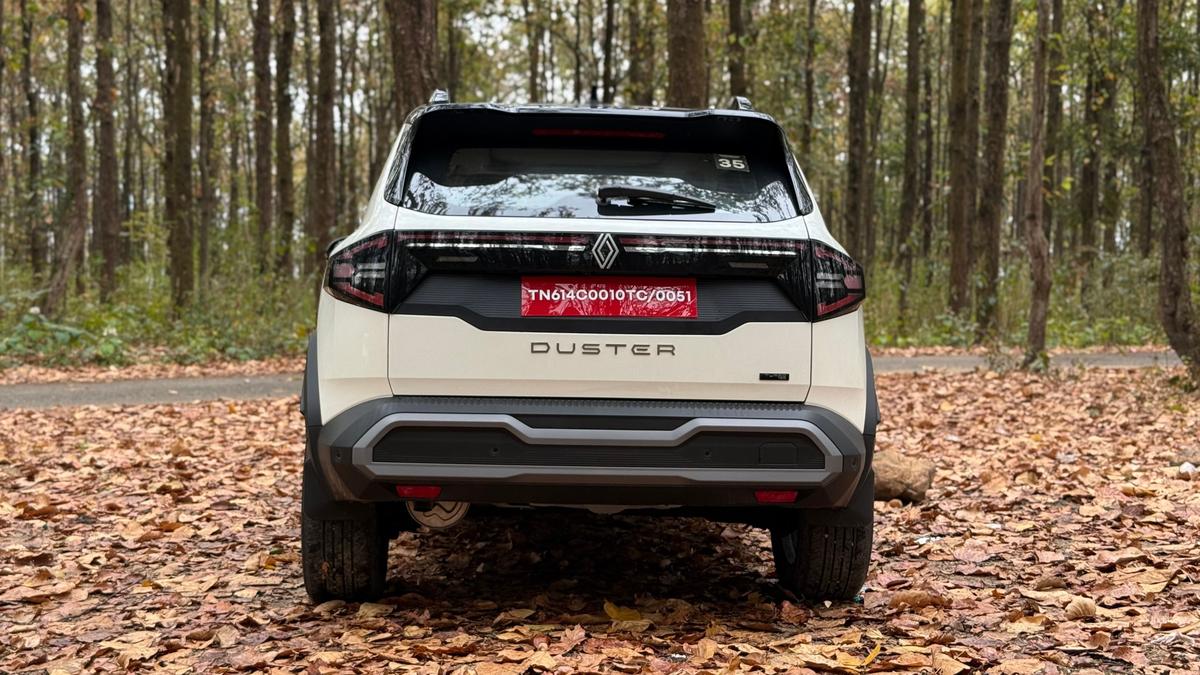
- Cargo Capacity: A class-leading 518 litres.
- Technology: 10.1-inch touchscreen with Google-based services, 10.25-inch digital driver display.
- Comfort Features: Ventilated seats, panoramic sunroof, and dual-zone climate control.
Chronology: From Pioneer to Hiatus and the Road to Redemption
To understand the weight of this launch, one must look at the Duster’s timeline in the Indian market:
- 2012: The Debut: Renault launches the Duster, creating the compact SUV segment. It becomes an overnight success, praised for its "magic carpet" ride quality.
- 2014-2016: The Peak: The introduction of the All-Wheel Drive (AWD) variant cements its status as the enthusiast’s choice. The Duster becomes a common sight on cross-country expeditions.
- 2019-2021: The Decline: As rivals introduced panoramic sunroofs and massive touchscreens, the Duster’s aging interior began to look dated. The transition to BS6 emission norms saw the legendary 1.5 K9K diesel engine being phased out.
- 2022: The Exit: Renault officially discontinued the first-generation Duster in India, leaving a void in the brand’s portfolio.
- 2024-2025: The Rebirth: Renault announces the return of the Duster, based on the third-generation global model, tailored for Indian sensibilities with a focus on high-performance turbo-petrol and hybrid technology.
Design and Interior: Maturing Without Losing the Edge
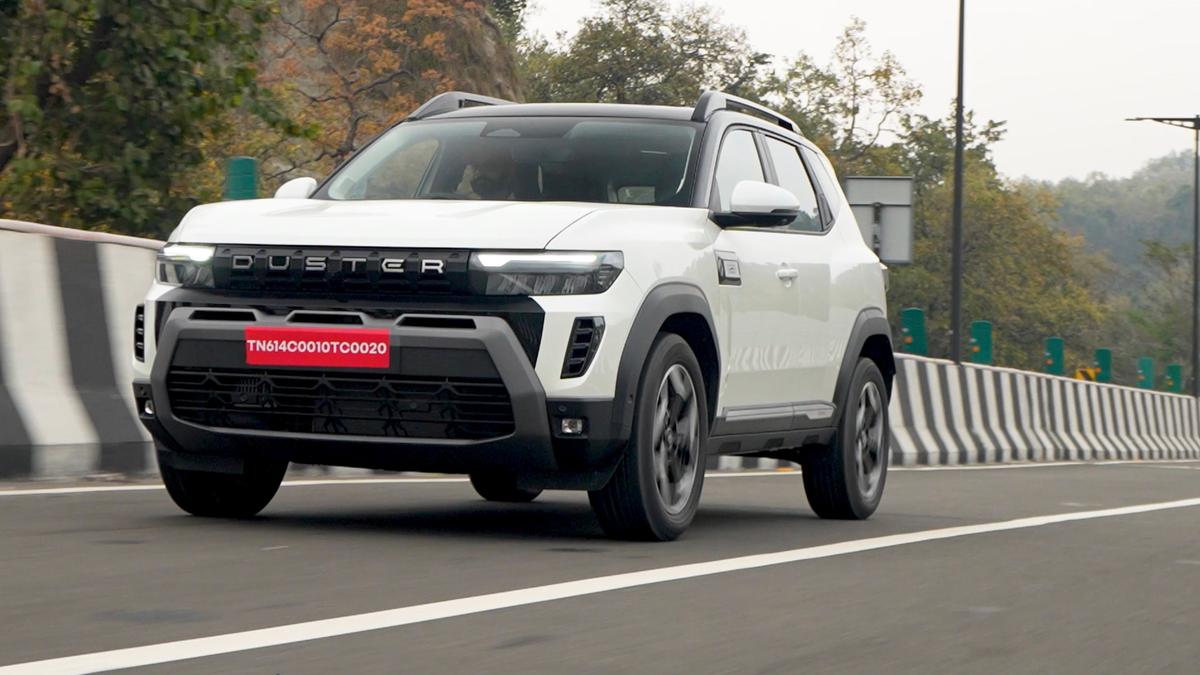
Visually, the new Duster is a masterclass in evolution. It retains the "upright" and "no-nonsense" stance that made the original so beloved, but layers it with contemporary sophistication. The front fascia is dominated by a clean LED lighting signature and a grille that proudly displays the Duster name. The sculpted bonnet and silver skid plates aren’t just for show; they signify a vehicle designed for more than just paved roads.
The profile is perhaps its most muscular angle. Squared-off wheel arches and 18-inch alloy wheels give it a planted look, while the rear door handles are now integrated into the C-pillar—a nod to modern design trends.
A Cabin Reimagined
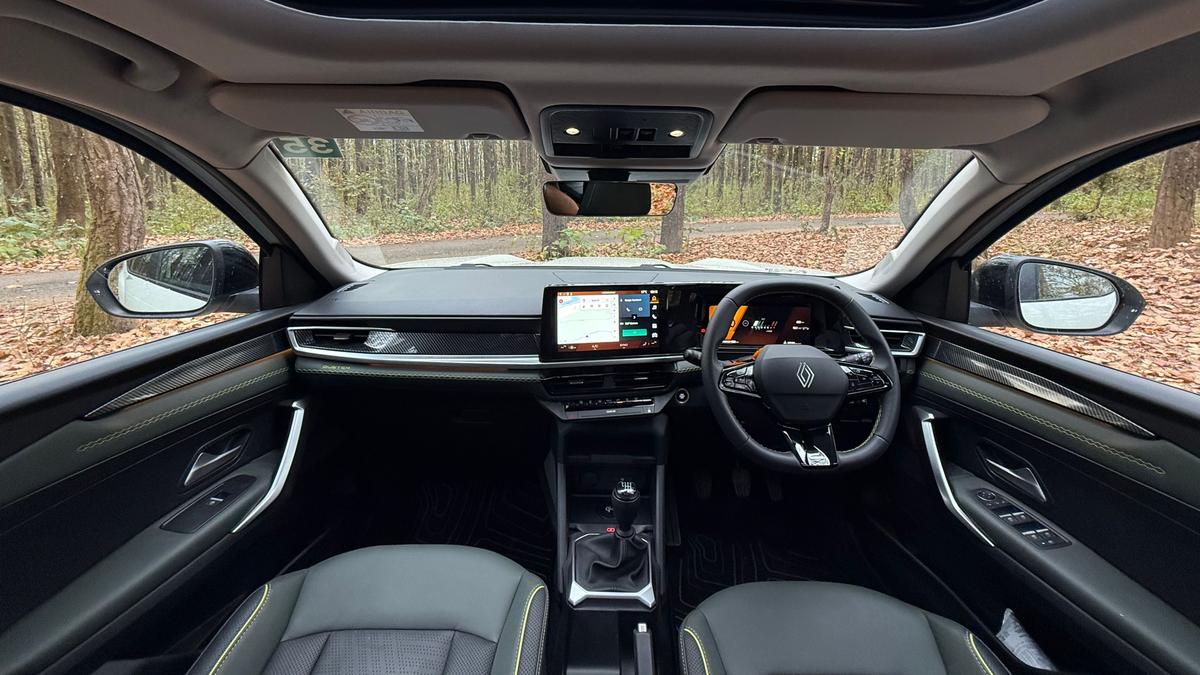
Inside, the shift in quality is palpable. The "ICONIC" variant features a cabin that finally matches its price tag. The 10.1-inch touchscreen is responsive and integrates Google-based services, ensuring that navigation and media are as intuitive as a smartphone.
However, Renault has wisely avoided the "all-screen" trap. Tactile buttons for climate control remain, ensuring that drivers can adjust settings without taking their eyes off the road—a critical factor when navigating India’s unpredictable traffic. The inclusion of powered and ventilated front seats shows an understanding of the Indian climate, providing genuine comfort rather than just another item on a feature list.
Performance and Powertrain: The 1.3L Turbo Punch
The heart of the new Duster’s appeal lies under the hood. The 1.3-litre turbo-petrol engine, producing 163hp and 280Nm, is a revelation. In a segment where many engines feel adequate but unexciting, this motor offers genuine performance.
- The Driving Experience: There is a hint of turbo-lag at the very bottom of the rev range, but once the needle crosses 2,000 RPM, the Duster surges forward with an urgency that can break traction in second gear.
- Transmission Choice: The 6-speed manual is precise, catering to the "purist" driver. For urban dwellers, the DCT offers a smooth, predictable experience that prioritizes seamless shifts over aggressive speed.
- The Efficiency Factor: While the ARAI figures suggest over 18 kmpl, real-world testing in hilly terrain and heavy traffic yields closer to 13 kmpl. For a 163hp engine, these are respectable numbers, though the upcoming hybrid variant will be the choice for the fuel-conscious.
Supporting Data: Ride Quality and Practicality
The original Duster was famous for its ride quality, and the new model carries that torch forward. The suspension setup is tuned to absorb "broken roads" with an ease that its rivals struggle to match.
| Feature | Renault Duster (2025) | Segment Average |
|---|---|---|
| Boot Space | 518 Litres | 400-440 Litres |
| Ground Clearance | 210mm (approx) | 190-200mm |
| Max Power | 163 hp (1.3 Turbo) | 115-150 hp |
| Max Torque | 280 Nm | 144-250 Nm |
The 518-litre boot is a significant data point. It makes the Duster one of the most practical long-distance tourers in its class, capable of swallowing luggage for a family of four with ease. While the rear seat space is "usable" rather than "class-leading," the overall ergonomics make it a comfortable place for long journeys.
Official Responses and Future Strategy
Renault’s strategy with the new Duster is one of calculated aggression. Company representatives have indicated that while the platform is inherently capable of All-Wheel Drive (AWD), the initial launch focuses on Front-Wheel Drive (FWD) to cater to the bulk of market demand. However, the door remains open for an AWD return if enthusiast demand proves sufficient.
Furthermore, Renault is banking heavily on its "Strong Hybrid" strategy. Scheduled for a launch around the Diwali season, the 1.8-litre hybrid system (producing 160hp) is a clear signal that Renault intends to compete with the Maruti Suzuki Grand Vitara and Toyota Hyryder in the race for electrification without the range anxiety of a pure EV.
Implications: A Disruptor or a Niche Player?
The return of the Duster has significant implications for the Indian SUV market:
- Shift in Priorities: If the Duster succeeds, it may force rivals to refocus on mechanical robustness and ride quality rather than just adding more screens and ambient lighting.
- The Performance Benchmark: The 163hp output sets a new bar for the segment, potentially attracting buyers who would otherwise look at more expensive entry-level luxury crossovers.
- Brand Halo Effect: For Renault, the Duster is more than a volume seller; it is a brand builder. Its success is vital to reviving Renault’s image in India as a manufacturer of world-class SUVs.
Conclusion: Ready for the Fight
The Renault Duster is not just making a comeback; it is reclaiming its identity. It does not try to be a "tech-office on wheels" like some of its competitors. Instead, it remains true to its roots—a vehicle built for the road, the no-road, and everything in between.
With a potent 1.3L turbo engine, a vastly improved interior, and a ride quality that remains the gold standard, the Duster is no longer just a nostalgic memory. It is a modern, capable, and highly competitive SUV that reminds us why we fell in love with the nameplate in the first place. The segment has grown up, but the Duster has matured along with it. The fight for SUV supremacy in India just got a lot more interesting.
