

Kashmir, a region often lauded for its breathtaking landscapes and rich cultural heritage, is also a sanctuary for an astonishing array of endemic species found nowhere else on Earth. This remarkable biodiversity, however, remains a well-kept secret for many. To illuminate this hidden natural treasure, the new documentary "Wild Kashmir" embarks on an immersive journey into the heart of Dachigam National Park, showcasing its unique flora and fauna and highlighting the crucial role of local communities and conservation efforts.
Unveiling the Spectacle: A New Perspective on Kashmir’s Wildlife
Malaika Vaz, a distinguished Indian National Geographic explorer, television presenter, and wildlife filmmaker, voices a sentiment shared by many who have ventured into the verdant expanse of Kashmir’s natural reserves: "You find some incredible species in Kashmir that you find nowhere else on our planet." Her deep admiration extends to Dachigam National Park, a jewel in the crown of the region’s biodiversity, which she believes is "not celebrated enough." Vaz, a co-founder of the film production company Untamed Planet, emphasizes the park’s enduring resilience through the years, calling it "incredible."
This profound appreciation for Dachigam’s ecological significance served as the primary impetus behind "Wild Kashmir." The documentary, a collaborative effort by Untamed Planet, is set to premiere on August 15th on Animal Planet as part of the "India: Epic Wild Stories" series. Nitye Sood, the other co-founder of Untamed Planet, a documentary filmmaker, cinematographer, and National Geographic Explorer himself, underscores the park’s critical position: "The Dachigam National Park is a very critical component of the Greater Himalayan biodiversity hotspot, so we wanted to document the flora and fauna of the region."

Sood articulates a powerful aspiration for the film: to shift the perception of Kashmir. "Many Indians do not immediately think of it as a hotspot for wildlife, and we wanted to bring that into the mainstream," he states. He attributes the park’s rich tapestry of life to its distinct seasonal cycles, which create a unique habitat for a specialized array of species. "I think that makes it special," Sood adds, highlighting the distinctive charm of this mountainous haven.
A Glimpse into the Wild: The Diverse Inhabitants of Dachigam
"Wild Kashmir" promises an intimate and captivating exploration of Dachigam’s diverse ecosystems. Viewers will be treated to close-up encounters with some of the park’s most remarkable inhabitants. Among these is the elusive hangul, or Kashmir stag, a species of immense pride and conservation concern for the region. The documentary also shines a light on the playful antics of highly social marmots, the agile and mischievous Himalayan langurs, and the languorous Himalayan black bears, often observed in a state of hyperphagia, or excessive eating, as they prepare for their winter hibernation.
Malaika Vaz expresses her profound satisfaction in focusing on species that might not typically capture the spotlight: "It has been such a joy to focus on species that are not the big charismatic megafauna, but will have people fall in love with them." She firmly believes that filmmakers have a responsibility to tell stories about species that reside "on the fringes" of public awareness.

From a conservation perspective, Vaz highlights the urgent need to document and protect lesser-known species: "From a conservation standpoint, in our country, we have so many smaller species that we are often losing before we find out enough about them. So, it is our role as storytellers to keep the camera on these species to let people know that this is a witnessed record of animals that exist in our country." Her role as the film’s presenter allows her to convey this vital message with passion and conviction.
The Making of "Wild Kashmir": A Testament to Perseverance and Collaboration
The journey to bring "Wild Kashmir" to fruition was a demanding yet rewarding endeavor, made possible by a National Geographic Society Grant. Nitye Sood explains that the principal filming commenced in September 2022, with two key windows: the end of summer and early autumn to capture the bears, followed by a return trip in February during winter. Each expedition involved a dedicated week to ten days of intense filming.
The filming of the hangul proved to be one of the most challenging aspects of the project. Sood elaborates on its significance: "It is an important part of the story, which is critically endangered, endemic to the area and also a source of great pride for the people of the region. So, we knew it had to be a part of the film." He recounts the arduous trek to Upper Dachigam, battling adverse weather conditions, in their pursuit of these endangered animals. "It almost didn’t happen, to be honest, because the weather was bad. But then, just towards the end of the trip, the weather turned, and we had a small window to make it happen," he reminisces with a laugh, acknowledging the directorial and cinematographic prowess he brought to the film.

The Untamed Planet team readily admits their profound gratitude to the Jammu and Kashmir Forest Department. Malaika Vaz describes them as "the best allies, giving us access and were very supportive," viewing them as "co-creators of sorts." She unequivocally states, "We wouldn’t have been able to tell this story without them." Their collaboration was instrumental in navigating the complex terrain and accessing the sensitive areas within the park.
Community as Custodians: The Integral Role of Local Inhabitants
Beyond the crucial support from the Forest Department, the filmmakers recognized the indispensable role of the communities living on the periphery of Dachigam National Park. Nitye Sood emphasizes this vital connection: "While the department is doing an exceptional job of protecting this region, the communities who live alongside the periphery of the park are equally responsible for how well-protected this area is. Their love for wildlife and natural heritage is so apparent, and that has been a joy to just experience."
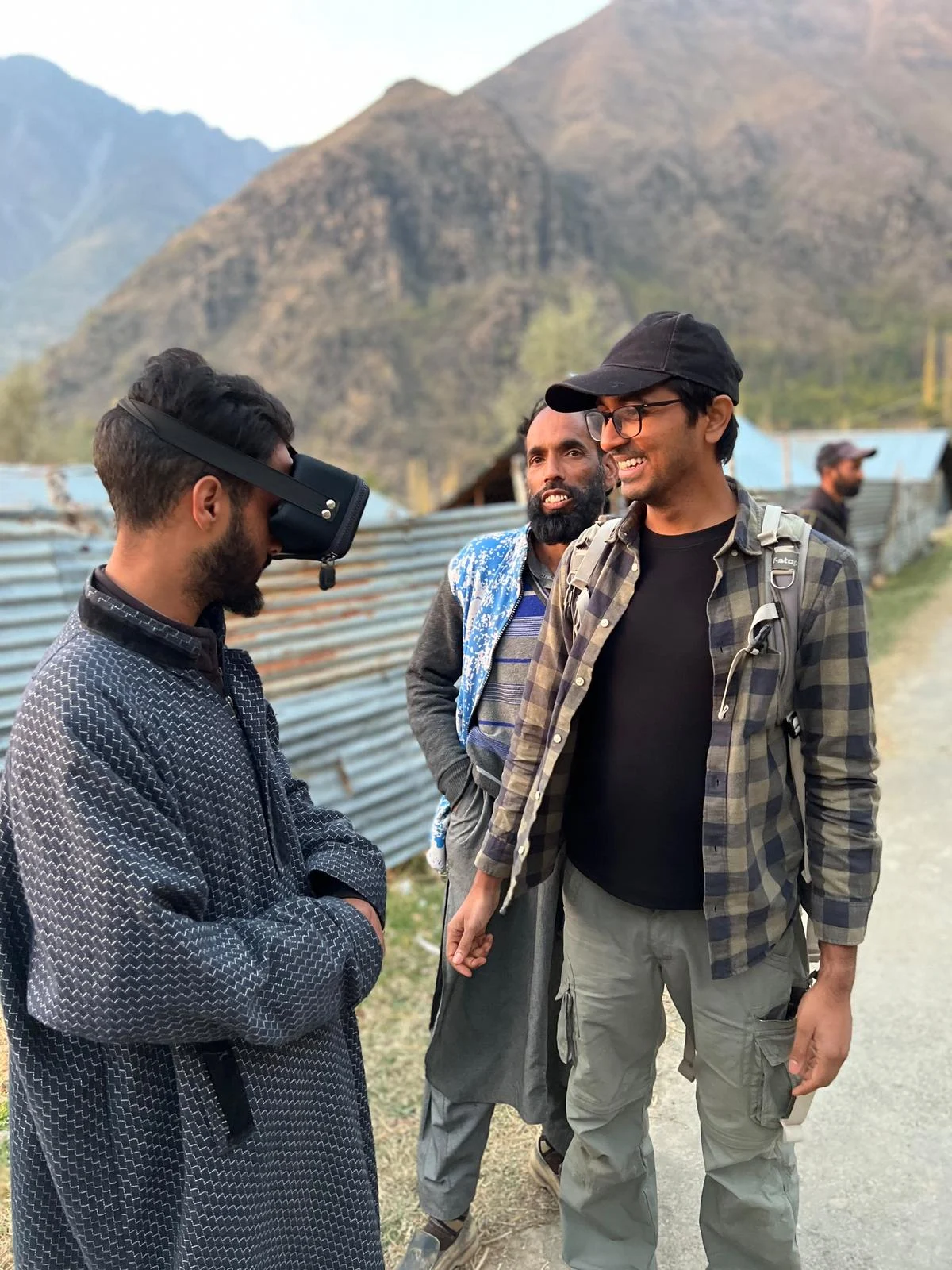
A groundbreaking aspect of the "Wild Kashmir" project involved a commitment to returning to these communities with a virtual reality (VR) film. The intention was to "bring them the experience of Dachigam," as Sood explains. He elaborates on the rationale: "Very often these people do not experience wildlife the way outsiders do. So, we wanted to follow and document the wildlife as beautifully as possible and bring that experience to communities living around here. That was the larger goal."

Sood firmly believes that community conservation is paramount to the area’s protection. He eloquently describes local residents as "custodians of the national park in the truest sense, and they take care of it, like it is their home. Whether it be wildfires or poachers, it is the community which is the first line of defence." This sentiment underscores the deep-seated connection and responsibility these communities feel towards their natural heritage.
Implications for Conservation and Cultural Dialogue
For Malaika Vaz, "Wild Kashmir" transcends a mere wildlife documentary; it is a celebration of India’s success in protecting its natural world in "beautiful ways." She highlights a fundamental aspect of the Indian identity: "Part of the story, for us as a country, is our amazing connection with the natural world, and the coexistence we’ve had with animals."
Vaz expresses a fervent hope that the film will resonate with a broader audience, even those who do not live in close proximity to wildlife. "Not just via natural history programs but (also) by going beyond that and exploring the wildlife in your own backyard," she urges. She believes that fostering this connection is crucial for cultivating a larger base of advocates for the natural world. "We need more people to find ways to connect with nature, not just because it is good for you, but also because it is an important way to have more advocates for the natural world," she asserts.

Ultimately, Vaz envisions "Wild Kashmir" as a catalyst for a wider cultural conversation about biodiversity and the multifaceted efforts required for its preservation. "And hopefully, we can have a lot of Kashmiri people as well as people from across the country feel a sense of pride and learn something new through the process of watching this film," she concludes, expressing her optimism for the documentary’s impact.
The premiere of "Wild Kashmir" on August 15th on Animal Planet marks a significant moment in bringing the extraordinary natural heritage of Dachigam National Park to the forefront, fostering a deeper appreciation for Kashmir’s untamed heart and the vital conservation work being undertaken within its borders. The film serves as a powerful reminder that in the pursuit of preserving our planet’s biodiversity, understanding, collaboration, and a profound respect for both nature and the communities that safeguard it are paramount.
