

Main Facts
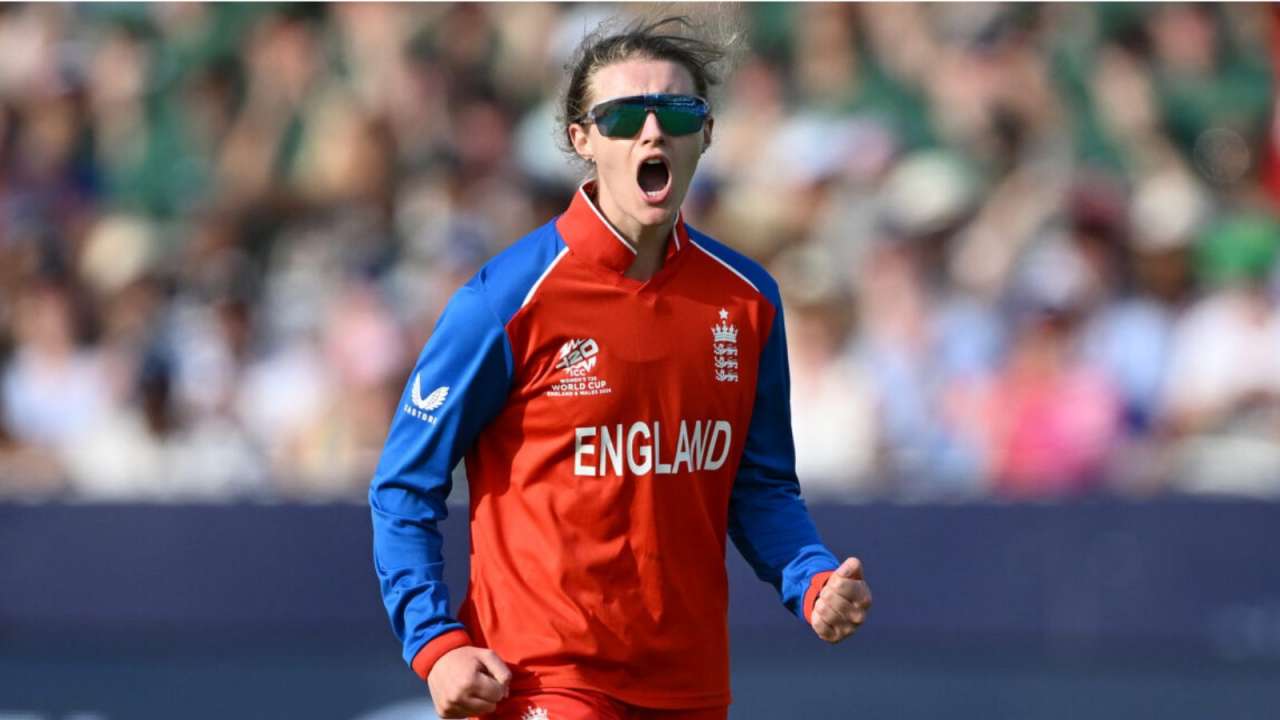
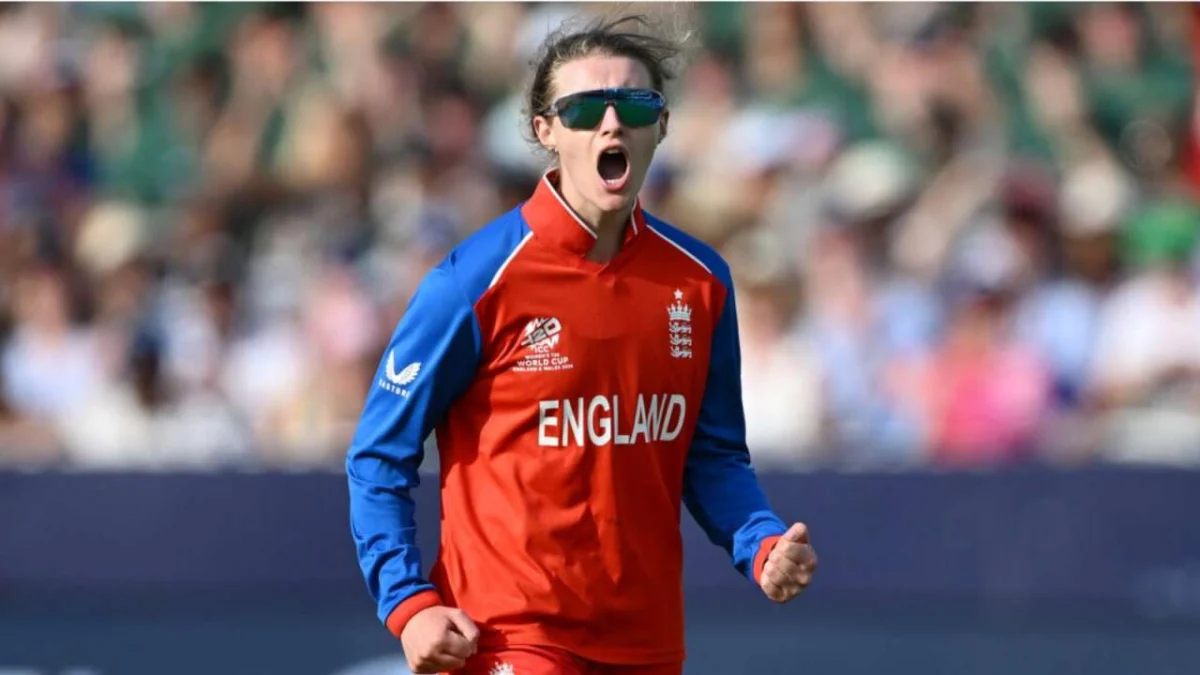
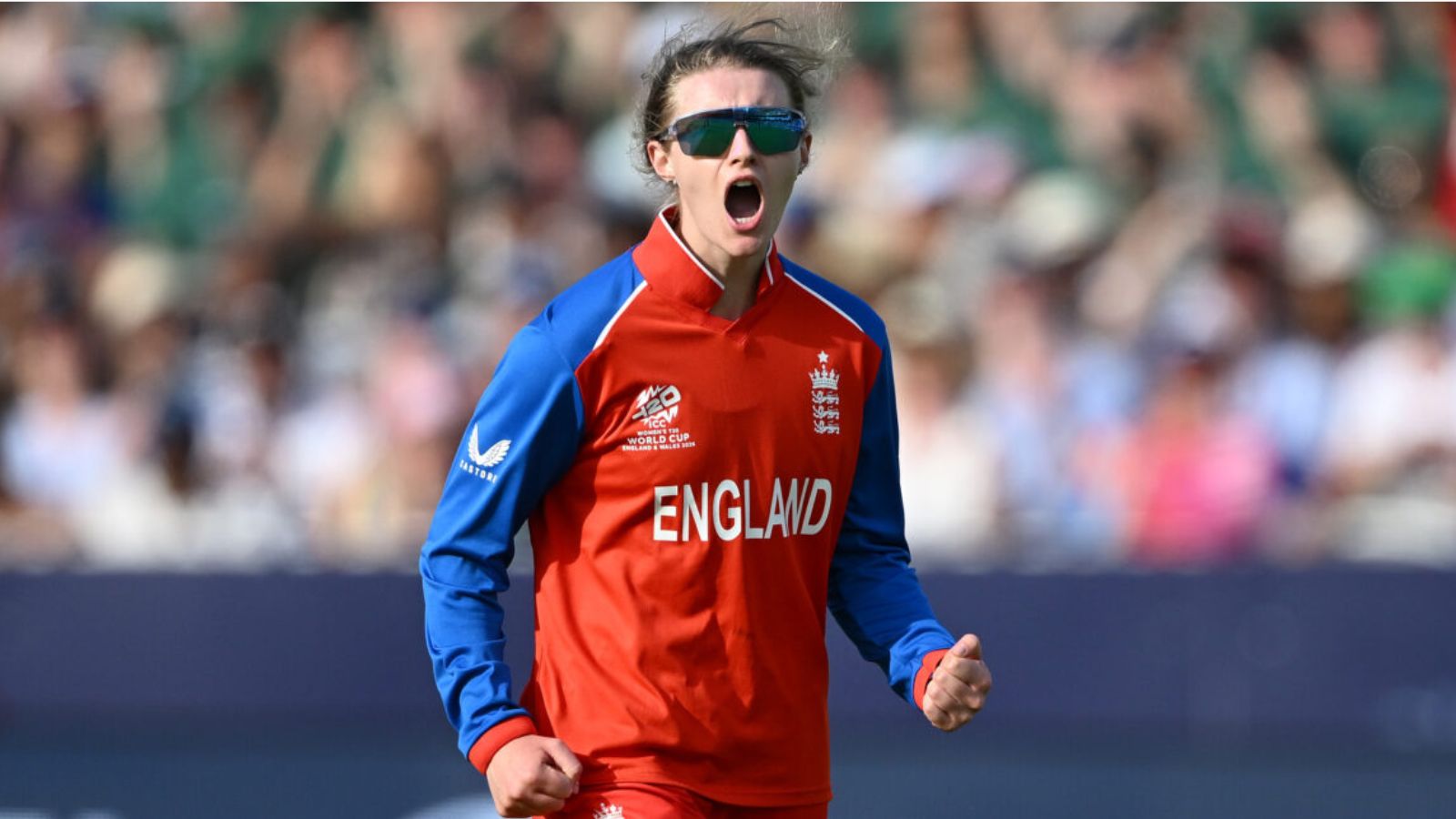
The England and Wales Cricket Board (ECB) has announced a significant strategic move for the upcoming three-match One Day International (ODI) series against Ireland in September, naming promising all-rounder Charlie Dean as captain. This appointment marks Dean’s second stint as captain, having previously led an England side, and underscores the ECB’s commitment to developing future leadership and broadening the national talent pool. The series, set to unfold across Leicester, Derby, and Worcester, is designed as a crucial opportunity for a cohort of emerging and re-integrating players, as several established senior figures have been strategically rested.
The decision to entrust the captaincy to Dean, an accomplished off-spin bowler and capable batter, comes as England navigates a period of intense cricketing demands. With key players such as Nat Sciver-Brunt, Danni Wyatt-Hodge, Amy Jones, Lauren Bell, and Sophie Ecclestone absent for recuperation and fitness management, the series presents an invaluable platform for periphery players to stake their claim in the 50-over format. This strategic rotation is a testament to England’s proactive approach to player welfare and succession planning, aiming to cultivate a robust and resilient squad capable of sustained international competitiveness.
)
The squad named for the Ireland series is a fascinating blend of burgeoning talent and players looking to make their mark. It features exciting prospects like Alice Capsey, who will take on wicketkeeping duties, alongside uncapped players Grace Potts and Kira Chathli, who have impressed domestically. The return of Ryana MacDonald-Gay, following a lower-back injury, and Tilly Corteen-Coleman, a left-arm spinner, further adds intrigue, signalling the depth of talent England possesses. Charis Pavely, with two T20I caps, is also poised for her ODI debut, highlighting the fresh injection of energy and skill into the national setup.
This series represents a deliberate shift in focus back to ODI cricket after a period dominated by the T20 format, culminating in England’s memorable run to the Women’s T20 World Cup final. Head coach Charlotte Edwards articulated the importance of this transition, emphasizing the opportunity for players to hone their 50-over skills and accumulate vital international experience. The series serves as a competitive proving ground, where individual performances will not only contribute to team victories but also intensify pressure on future selection decisions, ultimately strengthening England’s formidable cricketing machine.

Chronology
The narrative of England Women’s cricket captaincy has seen a dynamic evolution, reflecting the increasing professionalism and strategic depth of the game. Historically, the leadership mantle has often been held by experienced stalwarts, guiding the team through various eras. In recent times, figures like Heather Knight have epitomized stability and success, leading England to multiple triumphs, including the 2017 Women’s Cricket World Cup. However, the demands of modern international cricket, with its relentless schedule and multi-format requirements, have necessitated a more nuanced approach to leadership and player management.
)
The strategic resting of senior players is not an isolated incident but rather a growing trend in elite sports, particularly in cricket. England’s approach mirrors similar strategies employed by other top cricketing nations, acknowledging the physical and mental toll of continuous high-level competition. This foresight aims to prolong the careers of key players, prevent burnout, and ensure they are at their peak for major tournaments. The decision to rest Nat Sciver-Brunt, a player of immense value across formats, alongside other key contributors like Danni Wyatt-Hodge, Amy Jones, Lauren Bell, and Sophie Ecclestone, underlines a commitment to long-term player welfare over short-term expediency. These players, who form the backbone of England’s white-ball sides, will benefit from dedicated recuperation and fitness regimes, allowing them to return refreshed and rejuvenated for future challenges.
Charlie Dean’s ascent to captaincy has been a journey marked by consistent performance and a demonstrable understanding of the game. Her previous experience leading an England side, specifically against New Zealand, provided her with invaluable insights into the intricacies of international leadership. Dean, an articulate and tactically astute player, has steadily climbed through the domestic and international ranks, establishing herself as a vital all-rounder. Her ability to deliver crucial breakthroughs with her off-spin and contribute with the bat, often under pressure, makes her a natural fit for a leadership role. This repeated endorsement of her captaincy capabilities highlights the selectors’ confidence in her strategic acumen and her ability to inspire and guide a relatively inexperienced squad.
)
The squad selection process itself is a meticulous exercise, blending data-driven analysis with insights from coaching staff and talent scouts. For a developmental series such as this, the selectors would have cast a wide net, considering performances in regional competitions, the Hundred, and England A tours. The inclusion of uncapped players like Grace Potts and Kira Chathli is a direct result of their impressive domestic seasons, where they have showcased potential that warrants international exposure. Potts, known for her pace and swing, and Chathli, a promising wicketkeeper-batter, represent the next generation of English talent. Similarly, Charis Pavely’s two T20I caps provide a foundation for her ODI debut, suggesting a gradual integration into the longer white-ball format. The return of Ryana MacDonald-Gay and Tilly Corteen-Coleman is equally significant, demonstrating the ECB’s commitment to supporting players through injury and providing opportunities for re-integration into the national setup once fit. MacDonald-Gay’s powerful hitting and medium-pace, coupled with Corteen-Coleman’s left-arm spin, add valuable dimensions to the squad.
The series itself is strategically placed within the international calendar, offering a distinct focus on the 50-over format. The schedule sees England host Ireland across three venues:
)
- September 1: First ODI at Leicester
- September 3: Second ODI at Derby
- September 6: Third ODI at Worcester
This compact schedule, with relatively short travel distances between venues, allows for focused competition and efficient player management. The choice of venues, often associated with domestic and women’s international cricket, provides familiar and supportive environments for the developing players, minimizing additional pressures while still offering the gravitas of an international fixture.
Supporting Data
)
The composition of the England squad for the Ireland ODI series provides a rich tapestry of talent, illustrating the depth and strategic intent behind the selections. Each player, from the seasoned professionals to the uncapped hopefuls, brings a unique set of skills and a story of dedication to the game.
Player Profiles
Charlie Dean (Captain): At the helm, Charlie Dean is a quintessential modern all-rounder. Her right-arm off-spin has been a consistent wicket-taking threat, characterized by her subtle variations in pace and flight, often tying down opposition batters and forcing errors. With the bat, Dean is a reliable middle-order contributor, known for her composure and ability to score crucial runs, whether accelerating an innings or stabilizing it. Her leadership qualities extend beyond tactical acumen; she possesses a calm demeanor under pressure and an ability to foster a positive team environment, traits that will be vital in guiding a relatively new-look squad. Her previous captaincy experience, though limited, has been instructive, demonstrating her capacity to lead from the front and make decisive calls on the field.
)
Resting Senior Players: The Rationale
The absence of several pillars of the England team is a calculated decision, reflecting a sophisticated approach to athlete management.
- Nat Sciver-Brunt: A world-class all-rounder, Sciver-Brunt’s contributions with both bat and ball are immense. Resting her is crucial for managing her workload and ensuring she remains a top performer for critical future engagements.
- Danni Wyatt-Hodge: An explosive top-order batter, Wyatt-Hodge’s absence allows her to recuperate from the rigours of international cricket and prepare for upcoming T20 challenges.
- Amy Jones: England’s first-choice wicketkeeper-batter, Jones’s demanding role requires periods of rest to maintain her high standards behind the stumps and with the bat.
- Lauren Bell: A fast bowler, Bell’s workload management is paramount to prevent injury, given the physical demands of pace bowling.
- Sophie Ecclestone: The world’s top-ranked T20I bowler, Ecclestone’s consistent performance across formats makes her an indispensable asset. Strategic rest periods are essential to preserve her effectiveness and longevity in the game.
The collective absence of these senior players creates a vacuum that emerging talents are now tasked with filling, providing an unparalleled opportunity for them to demonstrate their capabilities on the international stage.
Emerging Talent: Seizing the Opportunity
)
- Alice Capsey (Wicketkeeper): Already a prominent figure in T20 cricket, Capsey’s inclusion as a wicketkeeper signifies a broadening of her role. Her experience as England’s backup wicketkeeper during the T20 World Cup will be invaluable. Known for her attacking batting and part-time off-spin, Capsey brings dynamism and youthful exuberance to the squad.
- Grace Potts & Kira Chathli: These uncapped players are direct beneficiaries of the developmental focus. Potts, a right-arm medium-fast bowler, has shown considerable promise in domestic circuits, including her time with The Blaze and during the Hundred. Her ability to generate pace and swing could be a significant asset. Chathli, a wicketkeeper-batter, has also caught the selectors’ eye with consistent performances for Thunder and Manchester Originals, showcasing her potential both behind the stumps and with the bat. Their inclusion underscores the strength of England’s domestic talent pipeline.
- Charis Pavely: With two T20I caps already under her belt, Pavely is set to make her ODI debut. This progression indicates the selectors’ confidence in her ability to adapt her game to the longer white-ball format. As a left-arm spinner and left-handed batter, she offers valuable variety to the squad.
- Ryana MacDonald-Gay: Her return from a lower-back injury is a welcome boost. MacDonald-Gay, a powerful right-handed batter and right-arm medium-fast bowler, had a successful season for Surrey and the Manchester Super Giants before her injury. Her all-round capabilities and aggressive style make her an exciting prospect for England’s middle order.
- Tilly Corteen-Coleman: A left-arm spinner, Corteen-Coleman returns to the England setup hoping to add to her two previous ODI caps. Her control and ability to extract turn will be crucial in the middle overs, providing a different dimension to England’s spin attack.
Other notable inclusions like Maia Bouchier, Sophia Dunkley, Lauren Filer, Dani Gibson, Jodi Grewcock, Freya Kemp, Mady Villiers, and Issy Wong further highlight the squad’s depth. Bouchier and Dunkley bring experience at the top of the order, Filer and Wong offer genuine pace, while Gibson, Grewcock, Kemp, and Villiers provide valuable all-round options and variety in the bowling attack. This comprehensive squad offers flexibility and multiple avenues for match-winning performances.
Statistical Context
While specific individual statistics for all players aren’t directly provided in the original text, the selection strategy is clearly driven by an analytical assessment of domestic performances and future potential. The inclusion of multiple all-rounders (Dean, Capsey, Gibson, Kemp, Villiers, MacDonald-Gay) reflects the modern emphasis on multi-skilled cricketers who can contribute in both departments. The mix of genuine pace (Filer, Wong, Potts) with various spin options (Dean, Ecclestone, Pavely, Corteen-Coleman, Villiers, Capsey) ensures a balanced bowling attack suitable for different conditions. The presence of two dedicated wicketkeepers (Capsey, Chathli) also provides strategic flexibility. This data-informed approach to squad construction aims to identify players who not only perform well but also possess the temperament and adaptability required for international cricket. The focus on players who have excelled in competitive domestic leagues like the Hundred and the Rachael Heyhoe Flint Trophy underscores the importance of a robust domestic structure in feeding talent to the national team.
)
Official Responses
The strategic direction for this series has been clearly articulated by Head Coach Charlotte Edwards, whose insights provide the foundational philosophy behind the squad selection and objectives. Edwards’ statement underscores a pivotal shift in focus, acknowledging the recent emphasis on the T20 format while signaling a deliberate return to the longer white-ball game.
)
"The focus has rightly been on T20 cricket for much of this year, but with a memorable run to the ICC Women’s T20 World Cup final now behind us, this is a chance for players to display their 50-over skills and bank some valuable experience for the future," Edwards stated. This comment highlights a crucial aspect of England’s long-term strategy: the ability to excel across all formats. While T20 cricket garners significant attention and provides a platform for explosive talent, the 50-over game demands a different skill set – patience, strategic accumulation, and sustained pressure over extended periods. For players who have been immersed in the frenetic pace of T20s, this series offers an invaluable opportunity to recalibrate their game, refine their technique, and build innings or bowl longer spells, skills that are indispensable for success in ODIs. The "valuable experience for the future" refers not just to individual player development but also to the collective growth of the squad, preparing them for future ICC Women’s Cricket World Cups and bilateral ODI series.
Edwards further elaborated on the competitive nature of the selections and the opportunities presented: "We have got plenty of exciting and talented cricketers in our game and this is an opportunity for some of them to push themselves further forward by hopefully contributing to England victories and putting pressure on future selection." This statement encapsulates the high-performance culture within England Women’s cricket. It’s not merely about giving players a run-out; it’s about challenging them to perform under the scrutiny of international cricket. Every boundary saved, every wicket taken, and every run scored will be scrutinized by the coaching staff and selectors. The "pressure on future selection" is a deliberate mechanism to foster healthy competition within the squad, ensuring that players are constantly striving for excellence. This internal competition is vital for maintaining high standards and preventing complacency, ultimately benefiting the national team by creating a deep pool of competitive talent.
)
From the broader ECB (England and Wales Cricket Board) perspective, this series aligns with a comprehensive strategic framework for women’s cricket development. The ECB’s investment in domestic structures, such as the Rachael Heyhoe Flint Trophy and The Hundred, is designed to create a robust pathway for talent identification and progression. Series like these against Ireland are the logical culmination of these investments, providing the ultimate proving ground for players emerging from the domestic system. The strategic resting of senior players is also a testament to the ECB’s commitment to player welfare and sustainability, recognizing that the demands of modern professional sport necessitate proactive management of physical and mental health. This approach aims to maximize player longevity and ensure that England’s top cricketers are available and performing at their peak for major tournaments.
While no direct quote from Captain Charlie Dean is provided, one can infer her likely sentiments. Upon receiving the captaincy again, Dean would undoubtedly express excitement and a profound sense of responsibility. Her focus would likely be on fostering a cohesive team environment, encouraging the younger players to express themselves freely, and instilling confidence in the squad. She would emphasize the importance of playing fearless cricket, adapting to match situations, and executing game plans effectively. Dean’s leadership would be characterized by her calm demeanor and tactical awareness, aiming to guide her team to victory while simultaneously aiding the individual development of each player. Her goals would extend beyond just winning the series; she would also aim to build camaraderie and identify potential long-term contributors to the England setup, thereby solidifying the team’s future prospects.
)
Implications
The implications of this squad selection and series for England Women’s cricket are far-reaching, touching upon squad depth, succession planning, player welfare, and the broader landscape of women’s international cricket.
)
Future of England Women’s Cricket
Squad Depth and Resilience: Perhaps the most significant implication is the enhancement of England’s squad depth. By deliberately resting a core group of senior players and entrusting the responsibility to a mix of established and emerging talents, England is actively building a more resilient and versatile squad. In an era where player availability can be unpredictable due to injuries, workload management, or personal commitments, having a robust second string of players who are match-ready at the international level is invaluable. This series ensures that when key players are unavailable, the team does not suffer a drastic dip in quality, maintaining England’s competitiveness on the global stage.
Succession Planning and Leadership Pipeline: The repeated appointment of Charlie Dean as captain, even in the absence of more senior leaders, speaks volumes about the ECB’s succession planning. It signals a conscious effort to identify and groom future leaders from within the ranks. Dean’s experience in this series will be crucial for her development as a captain, exposing her to different match scenarios, decision-making pressures, and the responsibility of managing a diverse group of players. Beyond Dean, the series provides an informal leadership opportunity for other experienced players in the squad, such as Sophia Dunkley or Maia Bouchier, to mentor younger teammates, fostering a culture of shared responsibility and leadership. This proactive approach ensures a continuous pipeline of capable leaders for England cricket.
)
Impact on Senior Players and Longevity: The strategic resting of senior players like Sciver-Brunt, Wyatt-Hodge, Jones, Bell, and Ecclestone has profound implications for their long-term careers. By managing their workload effectively, the ECB aims to prevent burnout, reduce the risk of injury, and ensure these vital players remain at the peak of their powers for major tournaments and critical series. This foresight contributes to extending their international careers, allowing them to continue making significant contributions to England cricket for years to come, thereby safeguarding the team’s core strength and experience.
International Standing and Competitive Edge: While this is a developmental series, strong performances from the new-look squad will reinforce England’s reputation as a cricketing powerhouse with an enviable talent pool. Success in this series, even with a depleted senior squad, would send a clear message to other cricketing nations about the depth of English talent and the effectiveness of their development pathways. This contributes to maintaining England’s competitive edge and ensures they remain a formidable opponent in all formats of the game.
)
Impact on Ireland Cricket
For Ireland, facing a developmental England side presents a unique blend of challenge and opportunity. While England’s "second string" is still incredibly strong and professional, it might be perceived as a slightly less daunting prospect than facing their full-strength, World Cup-winning team. This could instil a greater sense of belief and confidence within the Irish squad. It offers them an invaluable chance to test their skills against high-quality international opposition, providing exposure to the intensity and standards required at the elite level. Any strong individual or team performance against England, regardless of the squad composition, would be a significant boost for Irish cricket, aiding their development and potentially inspiring a new generation of cricketers in Ireland. It is a critical benchmark series for Ireland as they continue their journey to establish themselves as a consistent force in women’s international cricket.
Broader Context of Women’s Cricket
This series fits perfectly into the broader narrative of growth and increasing professionalism in women’s cricket globally. The ability of a major cricketing nation like England to field a competitive developmental squad highlights the expansion of the talent pool and the growing investment in the women’s game. It demonstrates that women’s cricket is moving beyond reliance on a handful of star players, evolving into a sport with significant depth and a robust professional structure. This trend is crucial for the long-term sustainability and global appeal of women’s cricket, fostering greater competition among nations and raising the overall standard of the game.
)
Fan Engagement
Finally, the series also holds implications for fan engagement. While some fans might initially miss the star power of the rested senior players, the opportunity to witness new talents emerge and potentially become future stars can generate immense excitement. Cricket enthusiasts are often keen observers of emerging talent, and this series provides a direct window into the future of England Women’s cricket. The fresh faces, coupled with Charlie Dean’s leadership, offer a compelling narrative that can attract new fans and re-energize existing ones, reinforcing the growing popularity and appeal of women’s sport.
In conclusion, Charlie Dean’s captaincy and the selection of this experimental England squad for the Ireland ODI series represent a bold and strategic move by the ECB. It is a calculated investment in the future, designed to build depth, nurture leadership, manage player welfare, and ultimately ensure England Women’s cricket remains at the forefront of the international game for years to come. The series will be closely watched, not just for the results, but for the glimpses it offers into the exciting future of English cricketing talent.
