

For over a quarter of a century, the midsize sedan segment in India has been defined by a single nameplate: the Honda City. However, the last few years have seen a tectonic shift in market dynamics. The conversation has increasingly been dominated by the "European twins"—the Volkswagen Virtus and the Skoda Slavia—which reinvigorated the segment with their punchy 1.5 TSI engines and taut driving dynamics. While enthusiasts flocked to these turbocharged offerings, the Honda City seemed to occupy a quieter, more traditional space.
With the arrival of the 2026 Honda City, including its sophisticated strong-hybrid e:HEV variant, Honda is signaling that it is far from finished. By blending its legendary reputation for reliability and space with a cutting-edge hybrid powertrain and a refreshed aesthetic, the 2026 City presents perhaps the most comprehensive all-round package in its class. This is not a car designed for the loudest shout; it is a car designed for the smartest drive.
Main Facts: Refining a Proven Legend
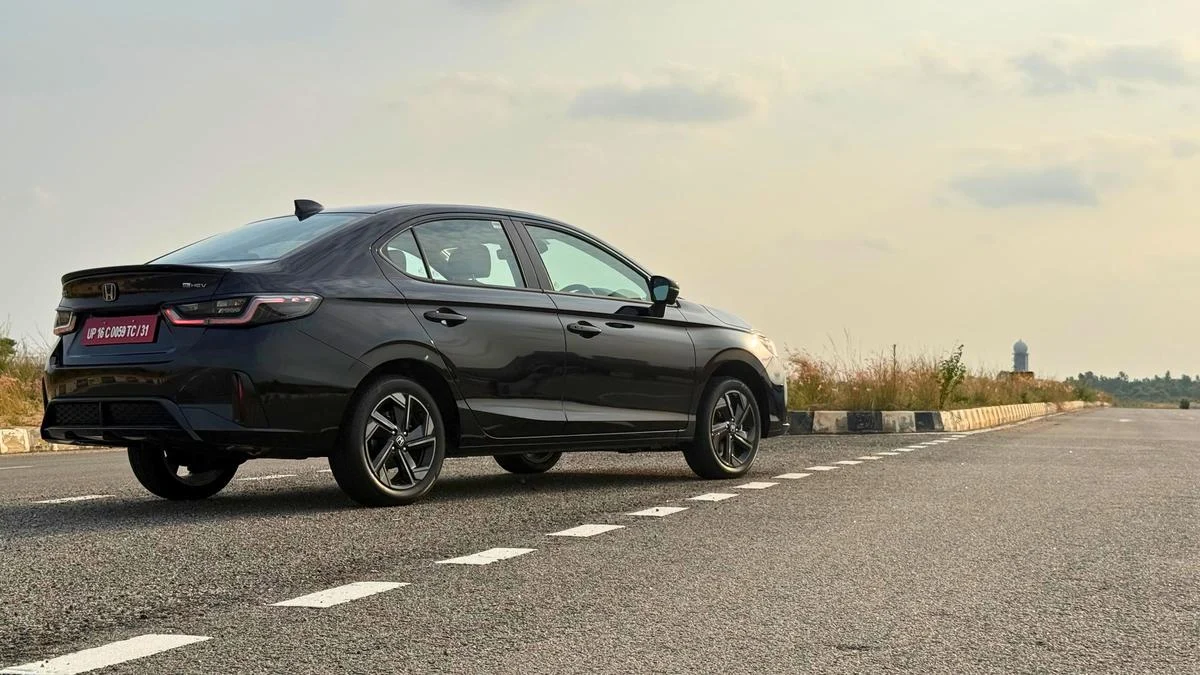
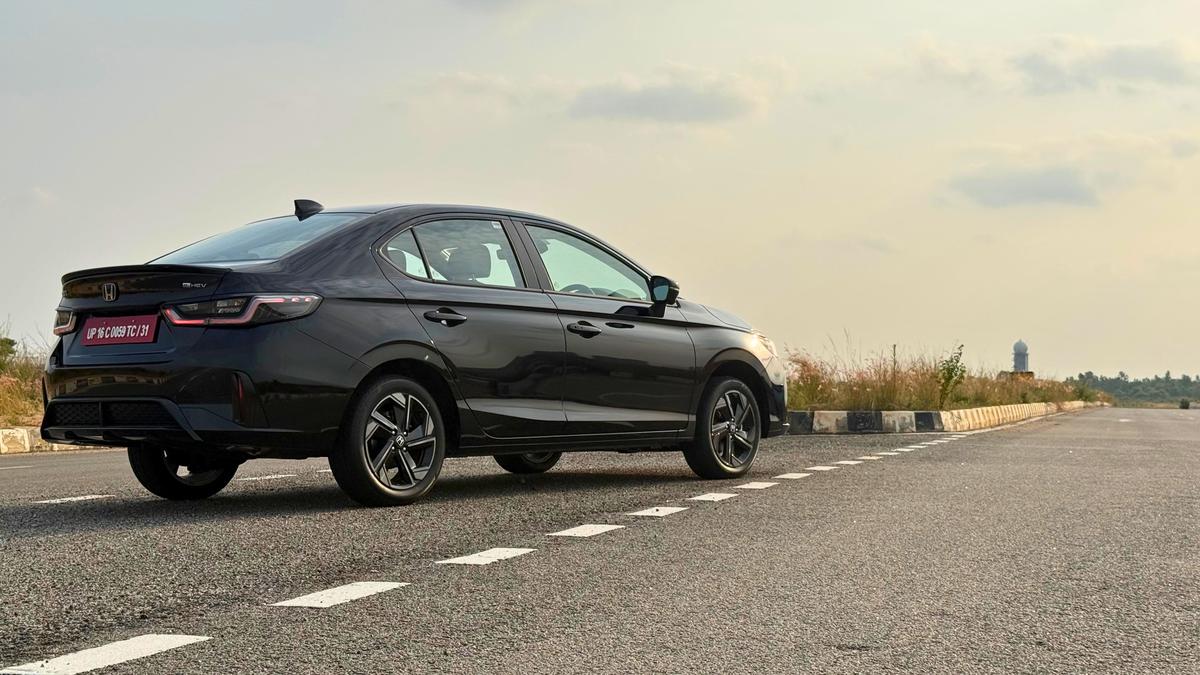
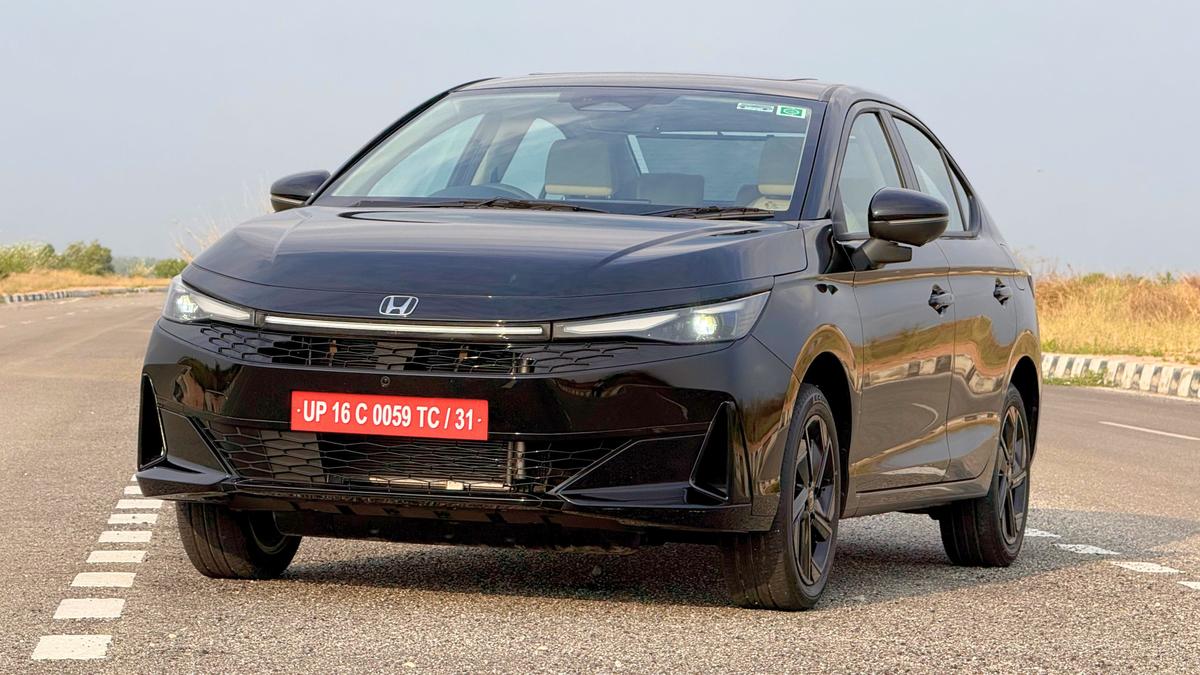
The 2026 Honda City update is a study in "admirable restraint." Rather than chasing radical design departures that might alienate its core demographic, Honda has focused on surgical enhancements. The exterior sees a more contemporary front fascia featuring "Blade-Eye" LED headlamps and a streamlined grille that mirrors Honda’s larger global sedans, such as the Accord.
Measuring 4,594 mm in length, the City remains a titan of its class in terms of physical presence and interior volume. The most significant technological leap remains the self-charging strong-hybrid system, which promises a combined output of 126 PS and a staggering 253 Nm of peak torque. This is paired with an updated suite of "Honda Sensing" ADAS (Advanced Driver Assistance Systems) features, making it one of the safest and most technologically advanced vehicles in the sub-20-lakh price bracket.
Pricing and Availability:
The 2026 Honda City is positioned competitively, with the range starting at INR 11.99 lakh for the entry-level petrol variants and scaling up to INR 20 lakh (ex-showroom) for the fully-loaded e:HEV hybrid trim.
Chronology: The Evolution of an Icon
To understand the significance of the 2026 model, one must look at the City’s 26-year journey in the Indian market.
- The Late 90s (The Arrival): Honda entered India with the first-generation City (internationally the third), introducing the VTEC engine technology that would become a cult favorite among driving enthusiasts.
- The Mid-2000s (The "Dolphin" Era): The second generation prioritized fuel efficiency and interior space, cementing the City’s reputation as the "executive’s choice."
- The 2010s (Modernization): Subsequent generations introduced diesel options (i-DTEC) and a focus on premium features like sunroofs and touchscreens, consistently outselling rivals like the Hyundai Verna and Maruti Suzuki Ciaz.
- 2022-2024 (The Hybrid Pivot): Recognizing the global shift toward electrification, Honda introduced the e:HEV (strong hybrid) technology, bridging the gap between traditional internal combustion engines (ICE) and full electric vehicles (EVs).
- 2026 (The Refined Maturity): The current iteration represents the pinnacle of this evolution—a car that balances the performance expectations of the modern era with the rising demand for sustainable, high-efficiency mobility.
Supporting Data: Performance, Efficiency, and Engineering
The heart of the 2026 Honda City e:HEV is its sophisticated powertrain. Unlike "mild hybrids" that merely assist the engine, Honda’s strong-hybrid system utilizes a 1.5-litre Atkinson-cycle i-VTEC petrol engine working in tandem with two electric motors and a lithium-ion battery pack.
Technical Specifications:
- Combined Power: 126 PS
- Peak Torque: 253 Nm (Available instantly via the electric motor)
- Transmission: e-CVT (Electric Continuous Variable Transmission)
- Fuel Efficiency: An indicated 23.5 km/l in real-world testing (exceeding many small hatchbacks).
- Acceleration: 0-100 km/h in approximately 7.9 seconds.
Interior and Practicality:
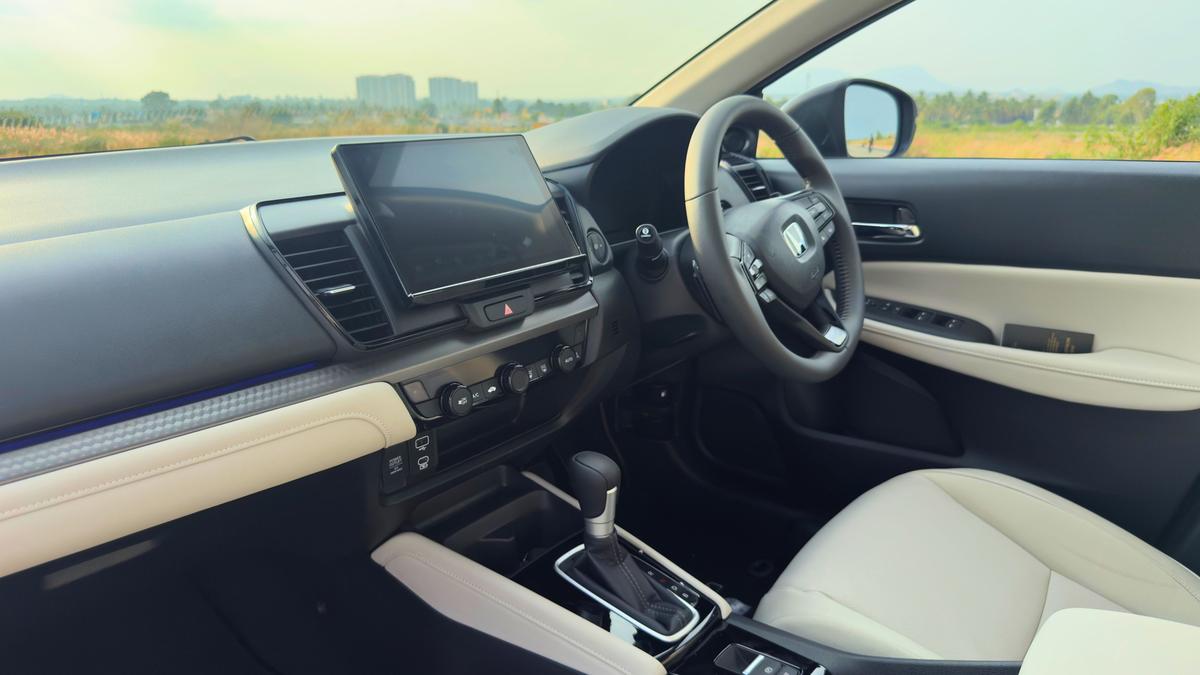
Space remains the City’s "North Star." The 2026 model continues to offer a cabin that rivals entry-level luxury sedans costing twice as much.
- Legroom: Best-in-class rear knee room.
- Boot Space: 506 litres in petrol variants (slightly reduced in the hybrid to accommodate the battery, yet still capable of handling family luggage).
- Tech Suite: 8-inch infotainment system with wireless Apple CarPlay and Android Auto, a 360-degree camera, and a premium 8-speaker sound system.
The ADAS Edge:
The "Honda Sensing" suite has been expanded. It now includes:
- Adaptive Cruise Control with Low-Speed Follow: Essential for stop-and-go urban traffic.
- Lane Keep Assist (LKAS): Gently nudges the steering to keep the car centered.
- Collision Mitigation Braking System (CMBS): Automatically applies brakes to avoid or reduce the impact of a frontal collision.
Official Responses and Strategic Philosophy
Honda’s approach to the 2026 City reflects a strategic philosophy of "Sophisticated Minimalism." While competitors like the Hyundai Verna have moved toward "Parametric Dynamism" with sharp, aggressive edges and heavy LED light bars, Honda’s design team has opted for "Clean Lines and Maturity."
In discussions regarding the vehicle’s positioning, Honda representatives have emphasized that the City is designed for the "holistic owner." This is the individual who values the tactile feel of premium ivory-and-black interiors and the seamless transition between electric and petrol power over the "explosive" but often thirsty nature of turbocharged engines.
Furthermore, the decision to maintain a high-quality ride over stiff, sporty suspension tuning is a calculated move. Honda officials note that while the Virtus and Slavia target the "driver," the City is designed to care for the "occupants"—ensuring that whether one is behind the wheel or in the rear seat, the experience remains serene and composed.
Market Implications: The Smart Alternative
The re-emergence of the Honda City as a tech-forward, high-efficiency sedan has several implications for the Indian automotive landscape:
1. The Hybrid vs. Turbo Debate
The 2026 City forces a choice for the consumer. On one hand, the VW Virtus GT and Skoda Slavia 1.5 TSI offer a raw, mechanical thrill that is hard to beat on an open highway. On the other hand, the City e:HEV offers "effortless performance." Its 253 Nm of instant torque makes it incredibly peppy in city traffic, while its 23+ km/l efficiency makes it immune to the anxieties of rising fuel prices.
2. The Resilience of the Sedan
In an era dominated by Compact SUVs and Crossovers, the City proves that the sedan form factor still offers superior aerodynamics, better high-speed stability, and a more "expensive" ride quality. The City’s ability to absorb broken roads and highway expansion joints with "remarkable maturity" serves as a reminder of why the three-box silhouette was once the gold standard of luxury.
3. Safety Democratization
By making six airbags and ADAS features more accessible across the range, Honda is pushing the segment toward a higher safety standard. This pressure is likely to force competitors to further upgrade their safety suites, benefiting the consumer at large.
4. Resale and Longevity
The City has historically enjoyed some of the highest resale values in India. By refining the formula rather than reinventing it, Honda ensures that the 2026 model feels contemporary today but will not look "dated" five years down the line—a common pitfall for cars with overly aggressive styling.
Conclusion: The Smartest Contender
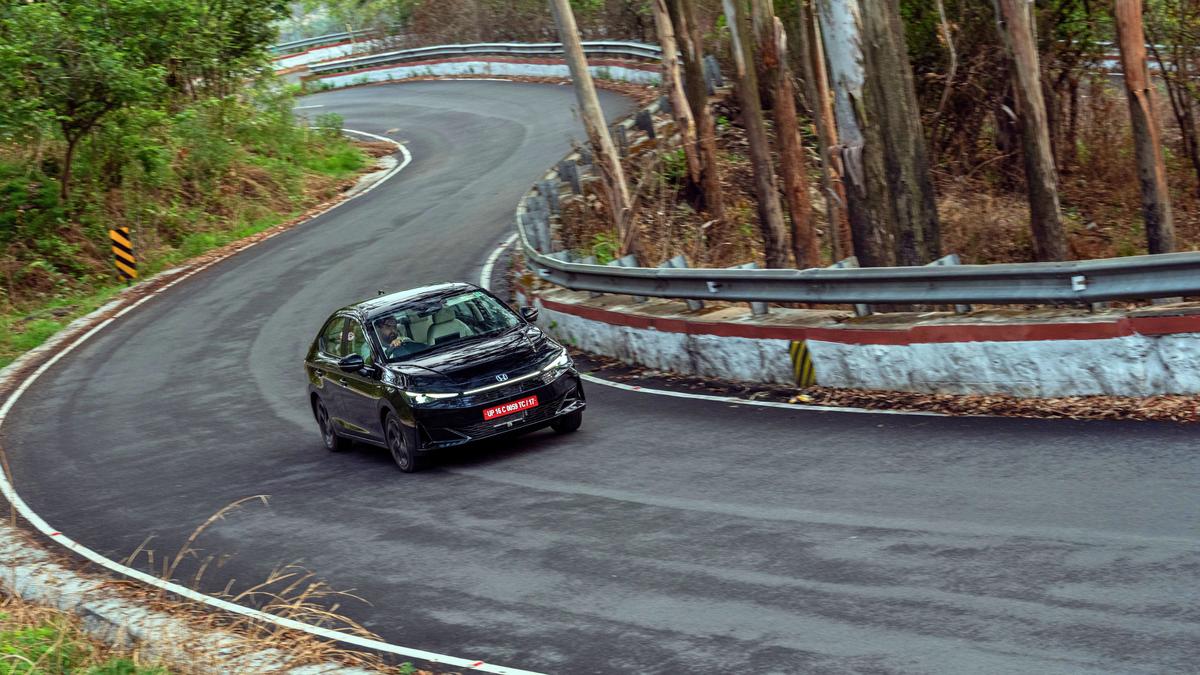
After a day of rigorous testing—navigating the congested outskirts of Bengaluru, cruising the highways, and tackling the winding ascents of Nandi Hills—the verdict on the 2026 Honda City is clear. It is a car that understands its identity perfectly.
It does not try to be a sports car, yet it is genuinely quick. It does not try to be a spaceship, yet its hybrid technology is among the most sophisticated on the road. Instead, it focuses on the fundamentals: class-leading space, exceptional refinement, and a ride quality that genuinely punches above its weight class.
The Volkswagen Virtus and Skoda Slavia may continue to grab the headlines for their "enthusiast" appeal, but the Honda City e:HEV is arguably the more intelligent purchase for the modern Indian family. In a world of loud designs and thirsty engines, the City’s quiet, efficient, and polished demeanor is its greatest strength. It remains the default recommendation for those who want the best of all worlds without compromise.
