

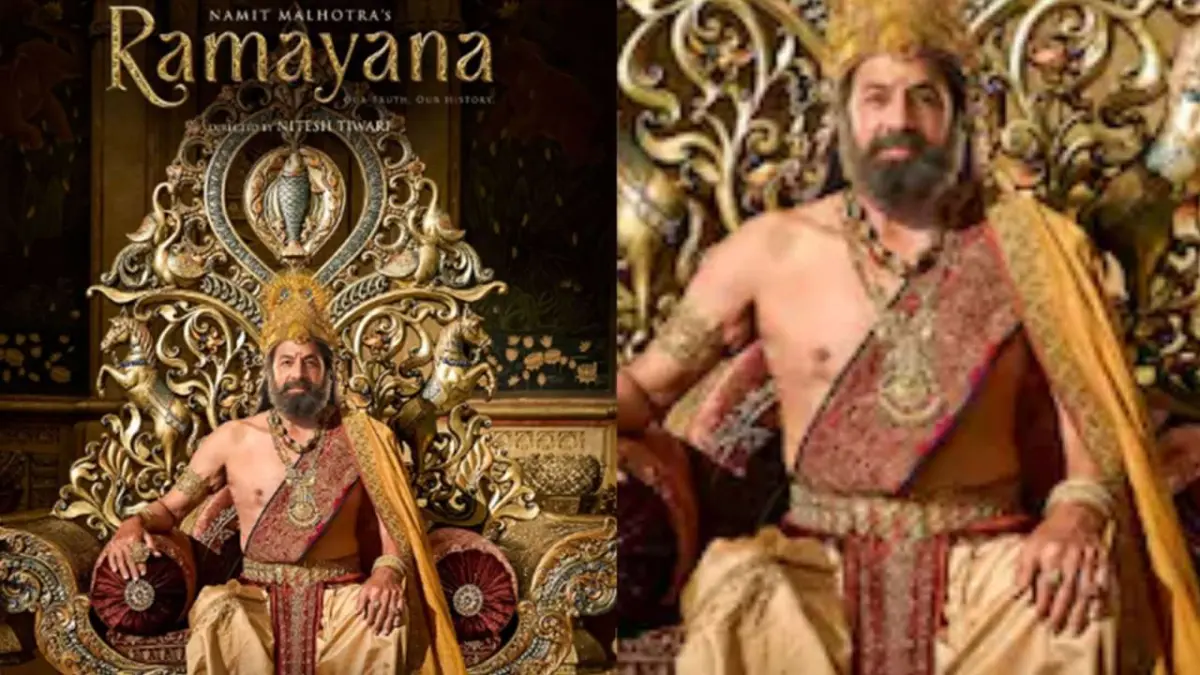
Mumbai, India – The echoes of devotion and anticipation are resonating across the nation as Arun Govil, the beloved actor who etched the image of Lord Rama into the hearts of millions through the iconic television series "Ramayana," is set to reprise his connection with the epic saga. After a hiatus of 38 years, Govil is making a momentous return, not as the divine prince, but as the venerable King Dashrath, father to Lord Rama, in Nitesh Tiwari’s ambitious, two-part cinematic adaptation of the "Ramayana." The unveiling of his regal first look as the King of Ayodhya has ignited fervent excitement among fans, marking a poignant and emotionally charged comeback to the narrative that propelled him to unparalleled stardom.
The revelation of Arun Govil’s portrayal of King Dashrath comes at a pivotal moment in the pre-production and casting phase of Tiwari’s magnum opus, a project that has been meticulously building anticipation with its star-studded cast and grand vision. The makers, through a striking solo poster, have offered audiences a glimpse into Govil’s commanding presence as the righteous ruler, a stark yet fitting evolution from his universally cherished avatar of Lord Rama. This casting choice is not merely a nod to nostalgia; it signifies a profound connection to the source material and a deliberate effort to imbue the film with an authentic resonance that only an actor deeply intertwined with the spirit of "Ramayana" can bring.
A Legacy Reimagined: Arun Govil’s Enduring Connection to Ramayana
For an entire generation, Arun Govil is Lord Rama. His portrayal in Ramanand Sagar’s 1987 television series "Ramayana" transcended mere acting; it became a spiritual experience for millions, establishing him as a household deity. The show’s immense popularity meant that Govil’s face, demeanor, and voice became synonymous with the very essence of Rama. His return to the "Ramayana" universe, even in a different, albeit equally pivotal, role, is therefore an event laden with emotional weight and historical significance.
The decision to cast Govil as King Dashrath is a masterstroke that acknowledges and honors his unparalleled legacy. It’s a move that speaks to the deep cultural and spiritual significance of the epic in India, and how certain actors become intrinsically linked to the characters they portray. This isn’t just about a role; it’s about a homecoming for an actor who played an indispensable part in making "Ramayana" a cultural phenomenon.
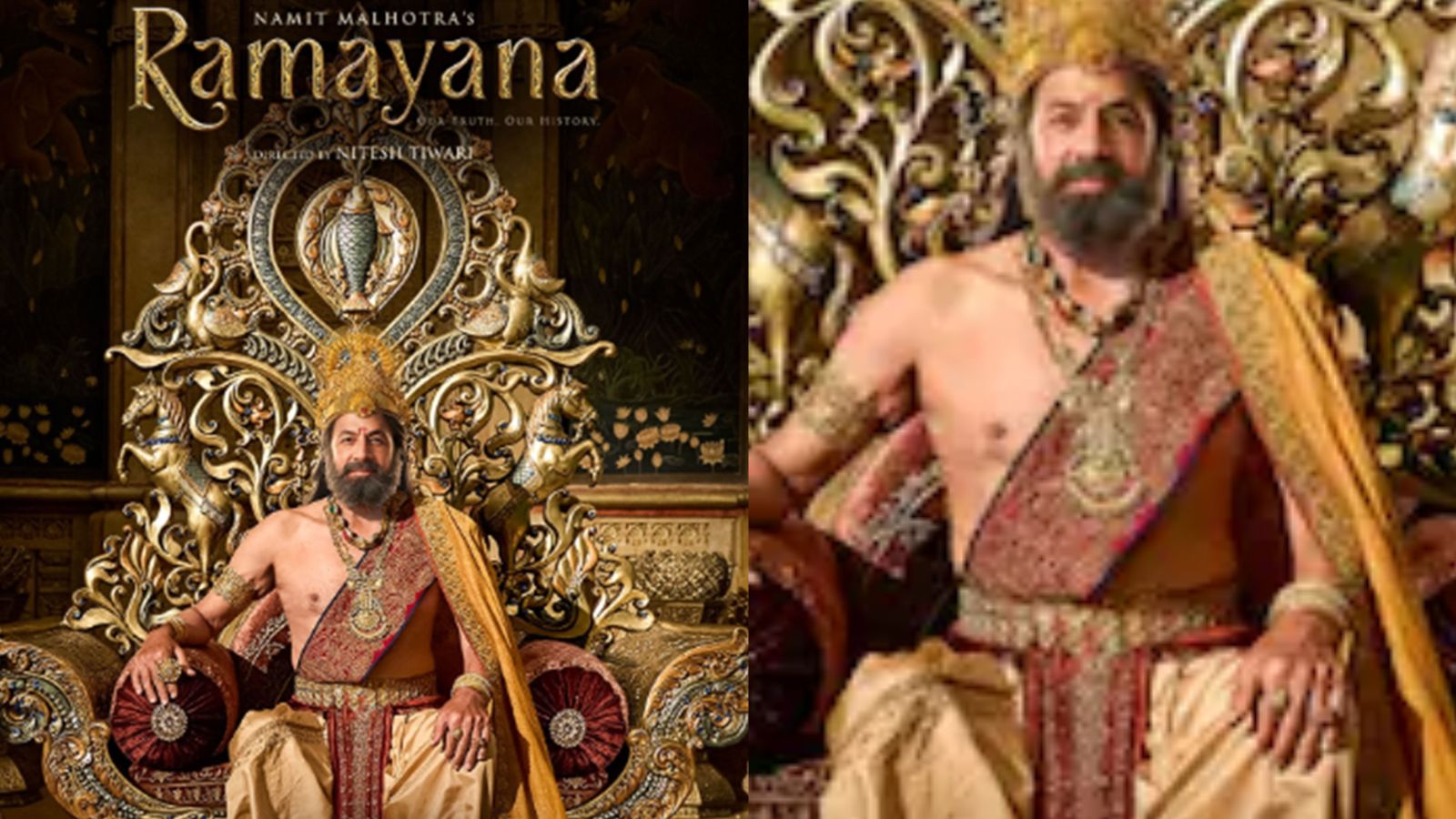)
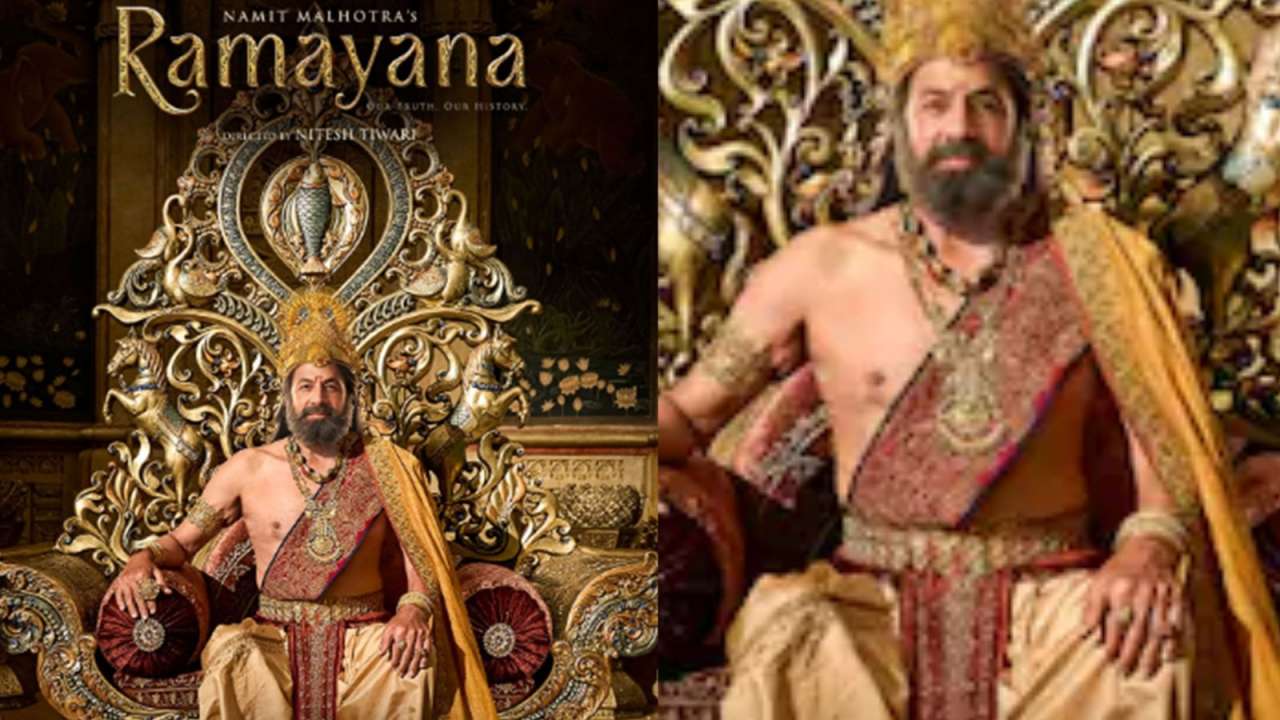
The newly released poster showcases Arun Govil in a dignified and regal posture, adorned in traditional royal attire and a resplendent crown. His expression exudes wisdom, gravitas, and the inherent nobility befitting the King of Ayodhya. The visual transformation is striking, deliberately moving away from the serene and divine aura associated with his portrayal of Rama, yet retaining a powerful sense of authority and character. This visual distinction is crucial, allowing Govil to inhabit a new facet of the epic’s complex tapestry while still drawing upon his deep understanding of its characters and themes.
The official announcement accompanying the poster eloquently captured the sentiment: "He once brought Ram to life for a generation. Now, he returns to the world of Ramayana as the King of Ayodhya. Arun Govil as King Dashrath." This simple yet powerful statement encapsulates the narrative arc of Govil’s own journey within the "Ramayana" universe, from the embodiment of divinity to the portrayal of a king facing profound personal and royal dilemmas. The post, shared across social media platforms, has already garnered tens of thousands of likes and an outpouring of praise from fans who are celebrating this "emotional comeback." The overwhelming positive reception underscores the enduring affection and respect audiences hold for Arun Govil and his indelible association with the epic.

The Grand Vision: Nitesh Tiwari’s Epic "Ramayana" Takes Shape
Nitesh Tiwari, known for his sensitive and successful directorial ventures like "Dangal" and "Chhichhore," is embarking on perhaps his most ambitious project to date: a grand, two-part cinematic adaptation of the "Ramayana." This project aims to bring the timeless epic to the big screen with unprecedented scale, visual grandeur, and a stellar ensemble cast that has been carefully curated to bring iconic characters to life.
The casting for this monumental film has been a subject of intense speculation and considerable excitement. Ranbir Kapoor is set to essay the role of Lord Rama, a casting choice that has garnered both intrigue and anticipation. Sai Pallavi will portray the role of Sita, and Ravi Dubey is confirmed to play Lakshman. Adding to the formidable lineup, the legendary Sunny Deol will embody the mighty Hanuman, and Yash, the breakout star of the "KGF" franchise, is slated to portray the formidable antagonist, Ravana.
)
The inclusion of Arun Govil as King Dashrath adds another layer of gravitas and historical significance to an already impressive cast. His presence is a powerful anchor, connecting the new cinematic interpretation to its deeply cherished television predecessor, while simultaneously forging a new identity for the character within Tiwari’s vision.
The production of this epic is being helmed by a formidable team of producers. Namit Malhotra’s Prime Focus Studios, in collaboration with DNEG and Yash’s Monster Mind Creations, are spearheading the project. This collaboration brings together significant expertise in large-scale filmmaking and visual effects, promising a cinematic experience that will do justice to the grandeur of the "Ramayana."
)
A Multi-Lingual Spectacle: Reach and Release Strategy
The ambition of Nitesh Tiwari’s "Ramayana" extends beyond its narrative and cast; it is also designed for a pan-India and global audience. The film is slated for release in multiple languages, including Hindi, Tamil, Telugu, Kannada, and Malayalam, ensuring its resonance across diverse linguistic and cultural demographics within India. Furthermore, the film is being produced with the intention of being presented in IMAX, a format that promises to elevate the visual spectacle and immersive quality of the storytelling.
The release strategy is meticulously planned to build anticipation and allow for the full narrative arc to unfold. The first part of the "Ramayana" is tentatively scheduled for release on November 5, 2026. The second installment is expected to follow, with a Diwali 2027 release window. This staggered release allows audiences to fully engage with the complex plot and character development across the two parts.
)
Distribution channels are equally robust. Dharma Productions will handle the theatrical distribution within the Hindi market, a testament to the film’s significant commercial potential. For international territories, Sony Pictures will be at the helm of distribution, aiming to bring this Indian epic to a global audience. This comprehensive approach underscores the filmmakers’ commitment to making "Ramayana" a cinematic event of international repute.
Supporting Data and Fan Reactions
The initial reveal of Arun Govil’s first look as King Dashrath has been met with overwhelming enthusiasm on social media. The Instagram post sharing his poster has rapidly accumulated tens of thousands of likes, with comments sections flooded with expressions of joy, nostalgia, and anticipation. Phrases like "Emotional comeback," "Perfect casting," and "Can’t wait to see him" are recurring themes, reflecting the deep emotional connection audiences have with Govil and his past portrayal of Lord Rama.
)
The fact that the makers are actively engaging with their audience by sharing these first looks and actively promoting the casting choices indicates a strategic approach to building sustained hype. This strategy, coupled with the inherent cultural significance of the "Ramayana," suggests a strong potential for box office success and widespread audience engagement.
The choice to feature Arun Govil in a role that is both familiar in its connection to the epic and distinct in its characterization is a calculated move that appeals to both long-time admirers and new audiences. It bridges generational divides, offering a sense of continuity and respect for the legacy of the story while simultaneously presenting a fresh cinematic interpretation.
)
Implications and Future Outlook
Arun Govil’s return as King Dashrath in Nitesh Tiwari’s "Ramayana" is more than just a casting announcement; it’s a cultural event. It signifies a renewed interest in classic Indian epics being brought to life with contemporary filmmaking techniques and grand production values. The casting of Govil is a powerful statement about respecting and leveraging the existing cultural capital associated with the "Ramayana."
This move has several implications:
)
- Nostalgia and Reverence: It taps into the deep-seated nostalgia and reverence audiences have for the 1987 "Ramayana," creating an immediate emotional connection.
- Authenticity and Depth: Govil’s long-standing association with the epic lends an air of authenticity and a nuanced understanding of the characters and their motivations, which can enrich the film’s portrayal.
- Bridging Generations: It serves as a bridge between the generation that grew up with the television series and newer audiences who will be introduced to the epic through this cinematic adaptation.
- Commercial Viability: The inclusion of such a beloved figure, alongside a star-studded cast, is likely to drive significant footfall to the cinemas, especially among the devout and the diaspora.
The success of Nitesh Tiwari’s "Ramayana" will undoubtedly be a significant benchmark for epic filmmaking in India. The careful selection of actors who have a deep connection to the source material, combined with the vision of a seasoned director and a robust production team, suggests that this adaptation has the potential to be a landmark achievement. Arun Govil’s return as King Dashrath is a pivotal piece of this grand mosaic, promising a cinematic experience that is both deeply respectful of tradition and vibrantly contemporary. As the release dates draw nearer, the anticipation for this monumental retelling of India’s most revered epic continues to build, with Arun Govil’s regal presence at its heart.
