

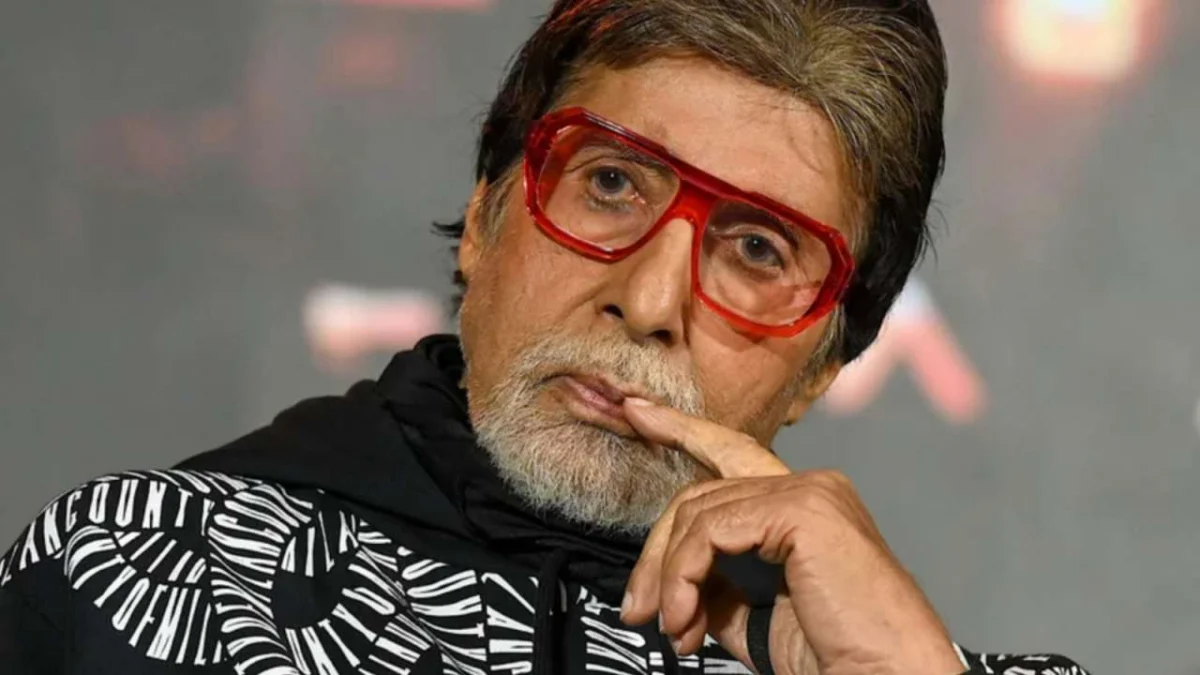
Mumbai, India – In a poignant reflection on his meteoric rise to superstardom, Bollywood icon Amitabh Bachchan recently offered a candid glimpse into the arduous early days of his acting career. During a recent episode of the highly popular quiz show Kaun Banega Crorepati (KBC) Season 18, the legendary actor, often hailed as the "Shahenshah of Bollywood," recounted instances of profound rejection and humiliation, primarily due to his imposing physique and perceived lack of acting prowess. These revelations, shared with a mix of humour and humility, serve as a powerful reminder of the formidable challenges faced by aspiring actors, even those destined for unparalleled success.
The genesis of these disclosures lay in a question posed by Commonwealth Games 2026 gold medalist Asmita Dey, one of the esteemed guests on the KBC set. Dey, drawing a parallel between the disciplined world of sports and the demanding realm of filmmaking, inquired, "Just like during our training, whenever we make a mistake or do something wrong, our coaches scold us. So Sir, when you do films and shows, do your directors scold you too?" This seemingly simple query unlocked a floodgate of memories for Bachchan, painting a vivid picture of a nascent star battling not only self-doubt but also the outright dismissal of industry gatekeepers.
The Unconventional Stature: A Heightened Hurdle
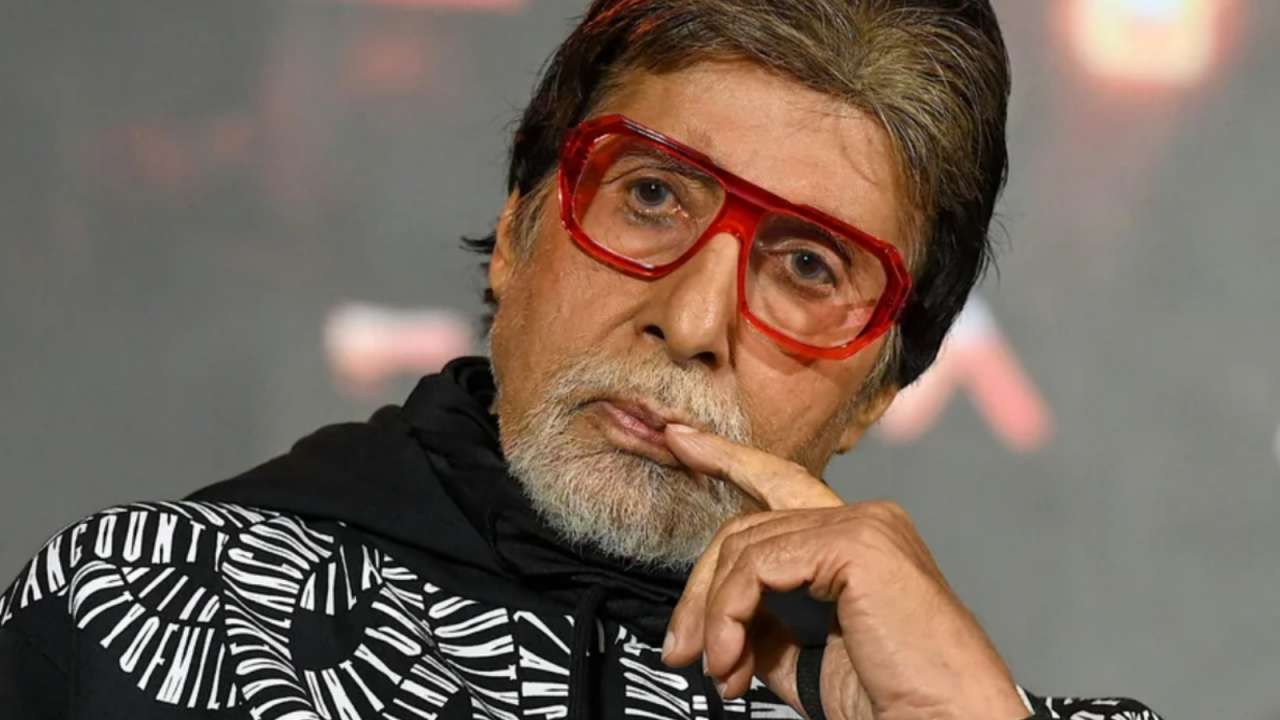
Amitabh Bachchan, known for his distinctive towering height of 6 feet 3 inches, a feature that has since become one of his defining characteristics, was once seen as a liability rather than an asset in the Bollywood of yesteryears. The prevailing aesthetic and casting norms of the time often favoured actors of a more conventional stature, making Bachchan’s impressive height a significant impediment to his early career aspirations.
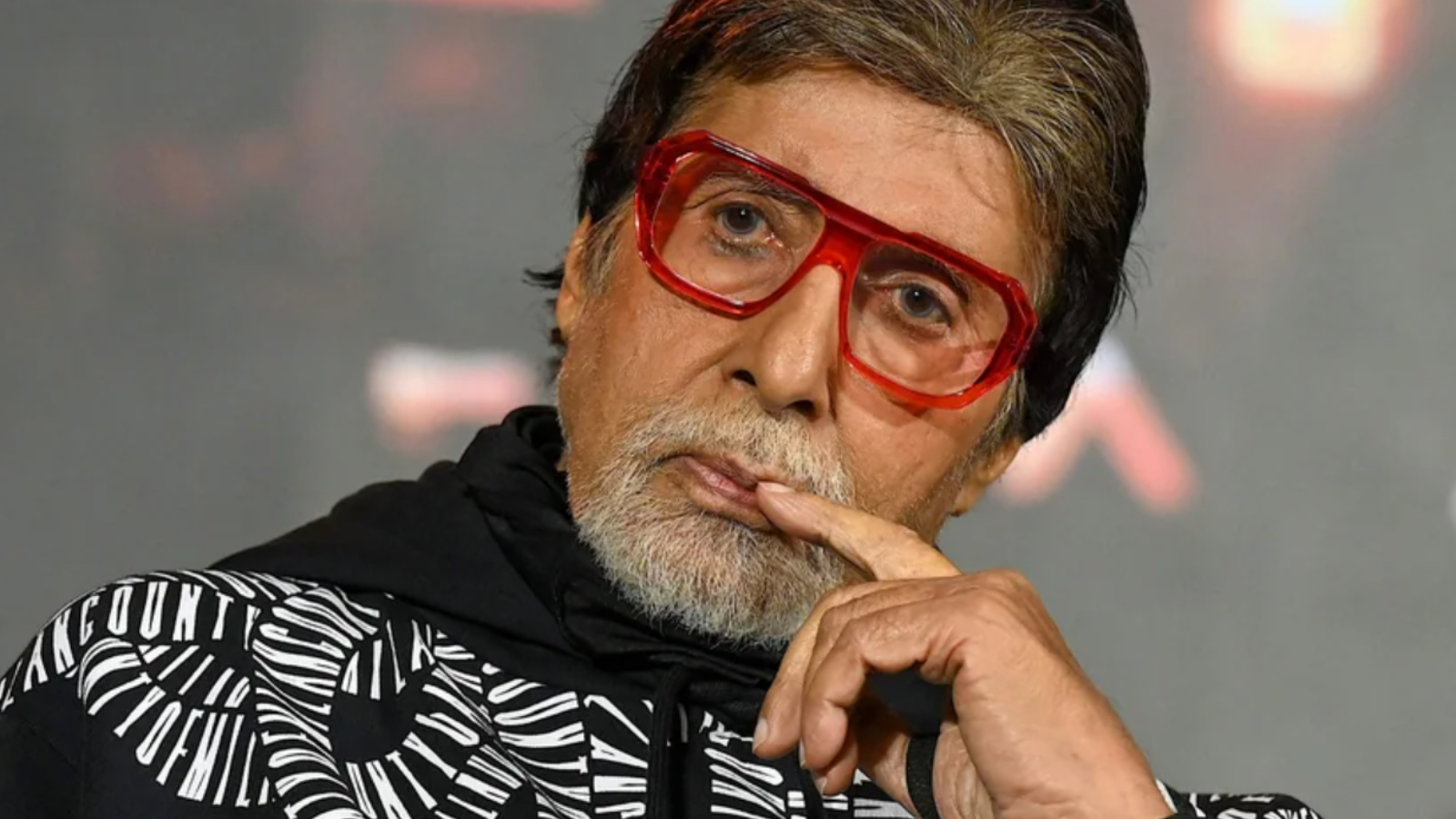
"I used to get scolded a lot," Bachchan reminisced, his voice carrying the weight of years of experience. "In the beginning, I got scolded immensely. ‘You don’t know anything, acting-wacting, you are too tall, go back home.’" The starkness of these dismissals, delivered with blunt finality, underscores the harsh reality of the industry’s initial perception. Directors, it appears, were more concerned with fitting him into existing molds than with exploring his potential. His height, a physical attribute that would later become synonymous with his commanding screen presence, was then viewed as a flaw, a deviation from the norm that made him unsuitable for the roles they envisioned.
)
The implication was clear: his physical presence was so unconventional that it overshadowed any nascent talent he might possess. The industry, it seemed, was not yet ready to embrace a leading man who stood so prominently above the rest, literally and figuratively. This initial wave of rejection, based on a superficial assessment of his physicality, would have been enough to deter many, but Bachchan, as history has shown, possessed an indomitable spirit.
From Rejection to Rudeness: An Unceremonious Exit
Beyond the generalized rejections based on his height, Bachchan also recounted a particularly humiliating incident that highlighted the unprofessional conduct he sometimes faced. In a stark illustration of how swiftly his career could be jeopardized by a single perceived misstep, he shared an anecdote where he was unceremoniously thrown out of a film set.

"Normally, I always try to reach the set on time, but once I got late," he explained. The context of his tardiness was also revealing, underscoring the financial struggles of his early days. "The director was standing outside the set. I arrived borrowing someone else’s car since I didn’t own one back then." The simple act of arriving late, compounded by his lack of personal conveyance, seemed to trigger an extreme reaction from the director.
"He looked at me and said, ‘Shooting is packed up; get out from here’ and he asked me to leave the space," Bachchan concluded, the memory still resonating with a sense of disbelief and indignity. This incident, more than just a reprimand, represented a complete dismissal, a shutting of doors based on a single instance of being late. The director’s response was not one of understanding or accommodation but of outright expulsion, demonstrating a lack of empathy and a rigid adherence to schedules that left no room for the realities faced by a struggling actor. The act of being "thrown out" signifies a level of disrespect that goes beyond professional criticism, revealing a volatile and unforgiving environment that Bachchan had to navigate.
)
The Slow Ascent: Learning and Evolving Under Scrutiny
Despite the early setbacks and harsh criticisms, Amitabh Bachchan’s journey was not one of passive acceptance of rejection. His recollections suggest a process of persistent learning and adaptation, even under the most trying circumstances. He acknowledged the corrective feedback, even when delivered harshly, as a catalyst for his growth.
"Then when I finally got work, it was ‘Okay fine, stand over there and say the dialogue. Is this any way to deliver a dialogue?’ They would direct me, and slowly I improved," he stated. This indicates that even when he secured opportunities, the guidance was often in the form of criticism, highlighting perceived flaws in his delivery and presence. The phrase "stand over there and say the dialogue" suggests a rudimentary approach to his acting, where he was perhaps not given nuanced direction but rather basic instructions.
)
However, the crucial element here is his response to this feedback. Instead of succumbing to discouragement, he internalized these critiques and used them as stepping stones. The phrase "slowly I improved" is a testament to his perseverance and his commitment to honing his craft. It speaks to a period of intense self-awareness and a relentless pursuit of perfection, even when the initial encouragement was scarce. This gradual evolution, honed through repeated instances of instruction and correction, laid the foundation for the nuanced and powerful performances that would later define his career.
The Unseen Foundation: Supporting Data and Context
The narrative of Amitabh Bachchan’s early struggles gains further weight when considered within the broader context of the Indian film industry during the late 1960s and early 1970s. This era was characterized by a distinct set of cinematic conventions and a preference for actors who fit a certain physical archetype. The leading men were often shorter, more conventionally built, and their personas were typically crafted within specific romantic or action-hero molds.
)
The emphasis on height as a potential impediment reflects a deeply ingrained aesthetic bias. A taller hero might have been perceived as intimidating to female co-stars, or as disrupting the visual balance in romantic pairings. Furthermore, the prevailing acting techniques often relied on broader, more theatrical expressions, and a director might have struggled to envision how Bachchan’s imposing frame would fit into such established styles.
The anecdote of borrowing a car also sheds light on the financial precariousness that many aspiring actors faced. Owning a vehicle was a symbol of economic stability, and Bachchan’s reliance on others for transportation highlights the stark contrast between his current status and his humble beginnings. This lack of personal resources further amplified the pressure to succeed and the vulnerability to harsh criticism and rejection. The industry, at that time, was perhaps less inclined to invest in or nurture unconventional talent, preferring to stick to proven formulas.
)
Implications for the Industry and Aspiring Talent
Amitabh Bachchan’s candid revelations carry significant implications for the Indian film industry and for aspiring artists.
Firstly, they underscore the importance of inclusivity and embracing diverse physicalities in cinema. Bachchan’s story is a powerful argument against rigid casting norms and the arbitrary dismissal of talent based on superficial attributes. His journey demonstrates that what might be perceived as a flaw can, in fact, be a unique strength that can redefine cinematic presence. The industry has, in many ways, evolved since then, with a greater acceptance of actors of varied heights and builds in leading roles. However, Bachchan’s experience serves as a crucial reminder that the fight for broader representation is an ongoing one.
)
Secondly, the narrative highlights the resilience and determination required to succeed in the entertainment world. Bachchan’s ability to weather constant rejection, absorb criticism, and continue to strive for improvement is a masterclass in perseverance. It suggests that talent alone is often not enough; an unwavering commitment to one’s craft, coupled with the mental fortitude to overcome setbacks, is paramount. This is a vital lesson for any aspiring artist who faces initial hurdles.
Thirdly, his story implicitly critiques the potential for unprofessionalism and harshness within the industry. While constructive criticism is essential for growth, the anecdote of being "thrown out" points to instances where professional boundaries are crossed, and individuals are treated with a lack of respect. This raises questions about the ethical responsibilities of directors and production houses towards their artists, especially those in the nascent stages of their careers.
)
Finally, Bachchan’s willingness to share these deeply personal struggles on a public platform like KBC contributes to a more humanized perception of celebrities. It demystifies the larger-than-life personas often projected on screen and reminds audiences that even the most iconic figures have faced their share of vulnerabilities and challenges. This relatability can be incredibly inspiring, encouraging others to pursue their dreams despite the odds.
In conclusion, Amitabh Bachchan’s recent reflections on his early career are far more than just anecdotes; they are a testament to the arduous journey of a legend. His story of facing rejections for his height and enduring harsh criticisms is a powerful narrative of overcoming adversity. It serves as a compelling reminder that the path to greatness is rarely linear and that true success is often forged in the crucible of struggle, resilience, and an unwavering belief in oneself, even when the world tells you to go back home.
