

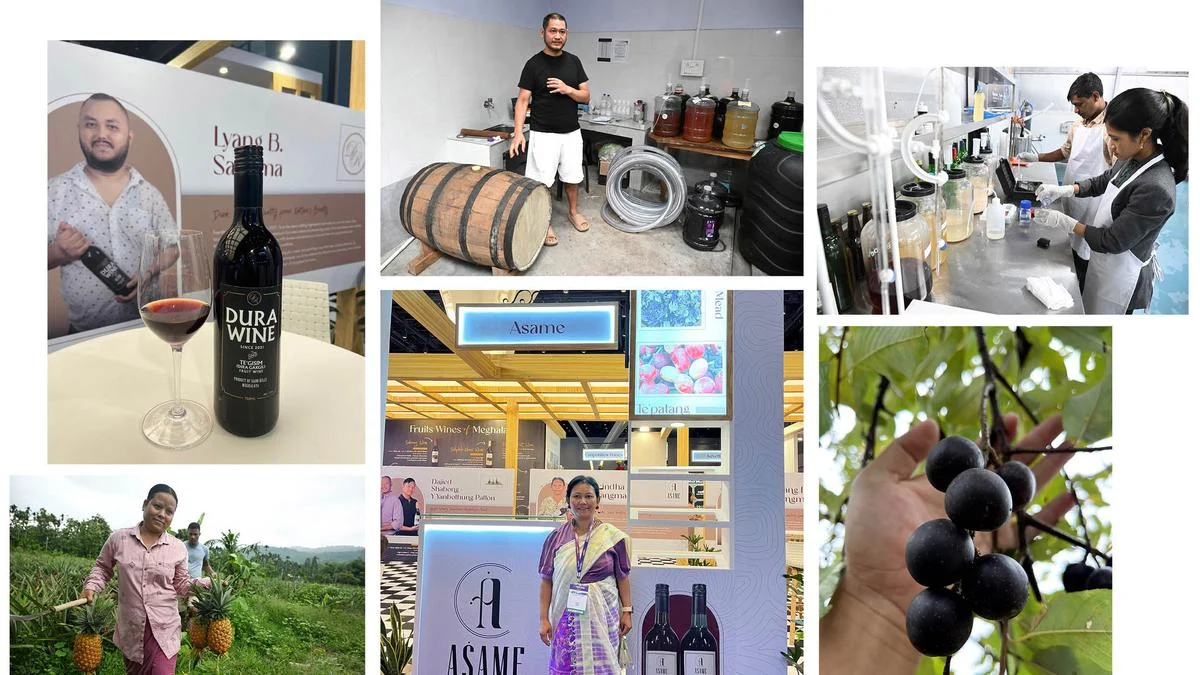
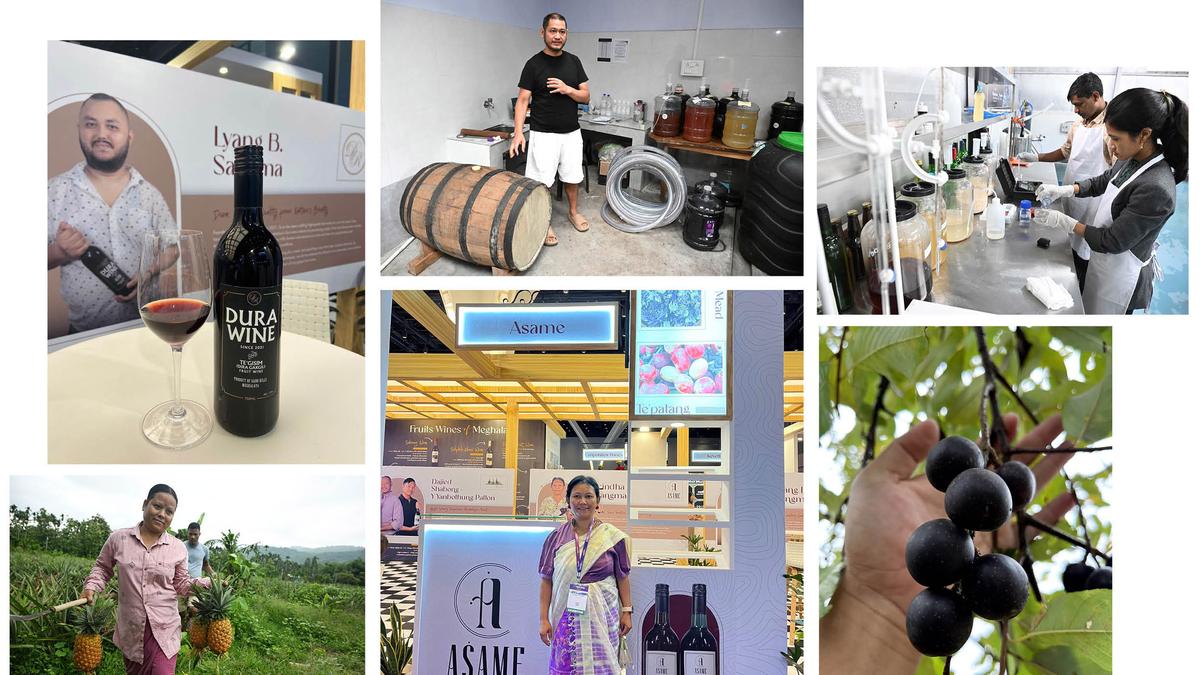
In the emerald-hued corridors of Northeast India, a quiet but potent revolution is fermenting. It is a movement defined not by the traditional grape, but by a cornucopia of exotic, indigenous fruits that have, until recently, been the well-kept secrets of the Himalayan foothills. Leading this charge is a small, vibrant fruit known as te.gism—the "fruit with a dot in its name." Formally identified by botanists as the Himalayan cherry (Prunus jenkinsii), this once-obscure jungle find has become the flagship of Meghalaya’s burgeoning fruit wine industry, capturing the palates of connoisseurs and transforming the state’s agrarian economy.
What began as a tradition of homebrewed rice beer and festive gifting has evolved into a sophisticated, scientifically-backed commercial enterprise. Today, Meghalaya stands on the precipice of becoming India’s premier fruit-wine destination, leveraging its unique biodiversity to create "elixirs" that challenge the global dominance of the grape.
The Main Facts: A Boutique Industry Takes Flight
The Meghalaya fruit wine industry is no longer a cottage craft; it is a strategic sector backed by the state government and driven by a new generation of entrepreneurs. Currently, the state boasts approximately 30 fruit winemakers, with 17 having made the leap to full-scale commercial production. These pioneers utilize modern, scientific equipment to transform seasonal harvests into bottled luxury.
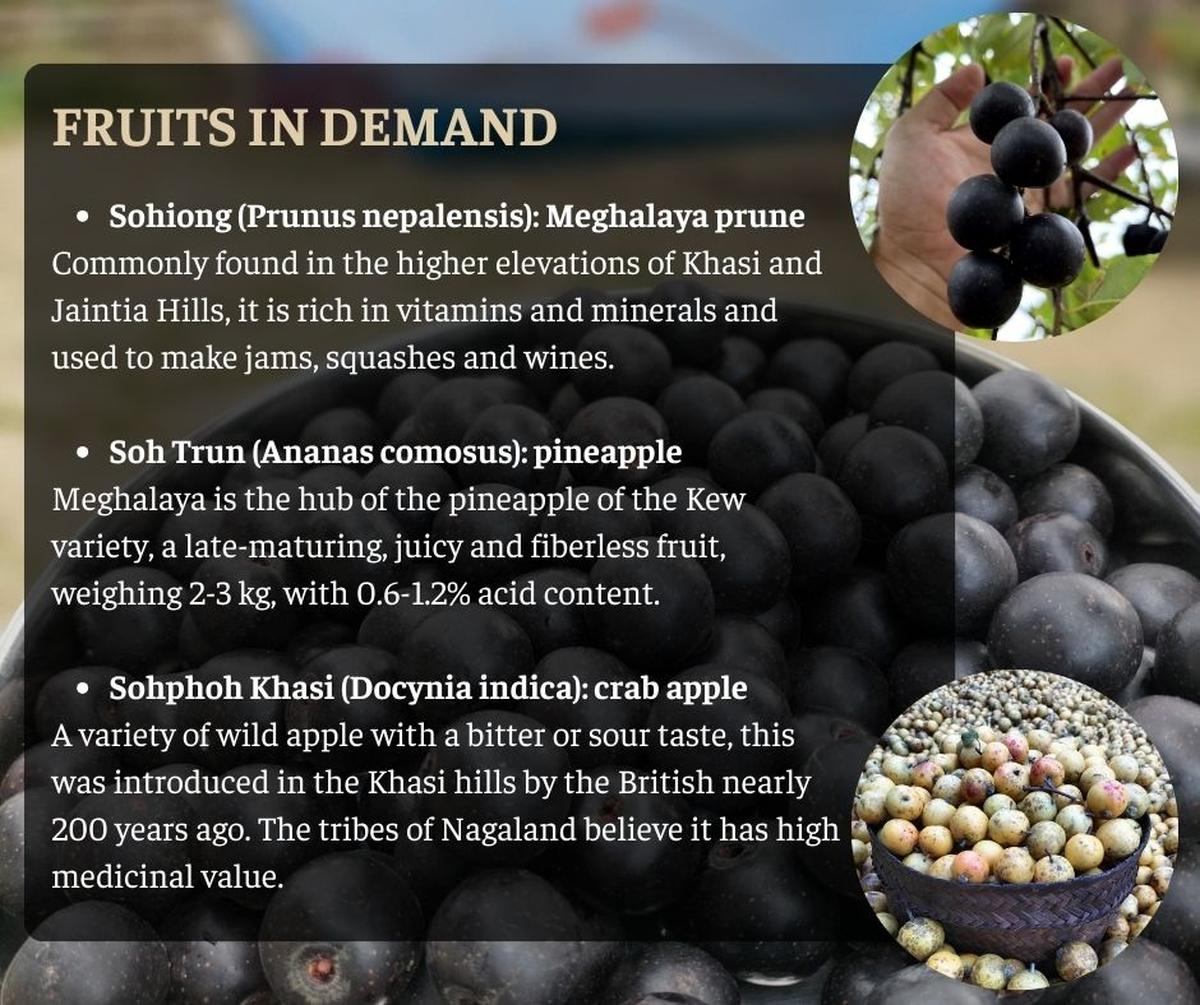
The diversity of the raw materials is staggering. Beyond the popular te.gism, winemakers are utilizing:

- Sohiong (Prunus nepalensis): Known as the Meghalaya prune, it produces a deep purple, tannin-rich wine.
- Te.patang (Haematocarpus validus): The blood fruit, which yields a striking crimson nectar with a sweet-and-sour profile.
- Sohphie (Myrica esculenta): The box myrtle or bayberry, providing a sweet, aromatic note.
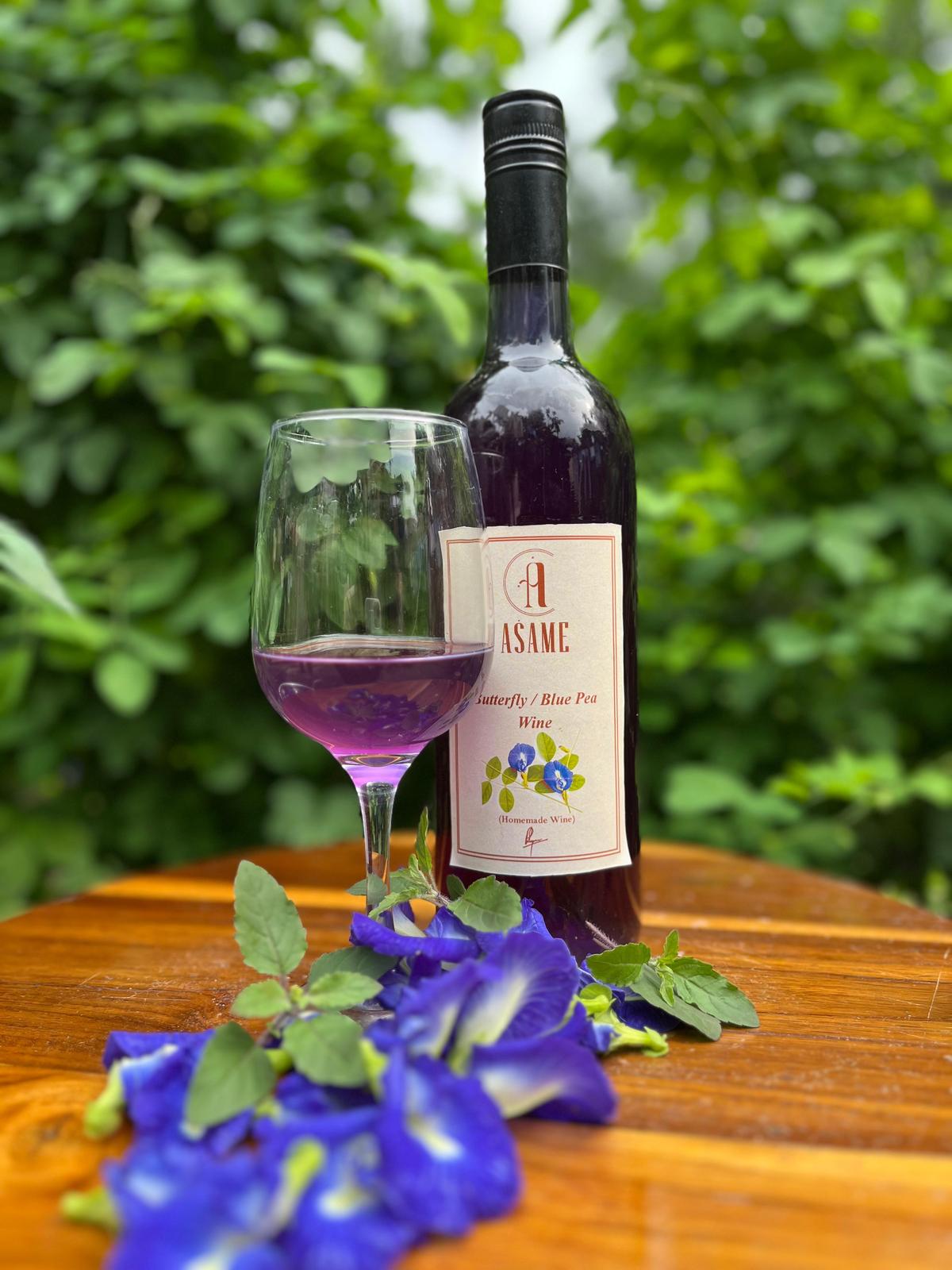
- Indigenous Wildflowers: Most notably the butterfly pea flower, which creates a mesmerizing blue wine.
These products are not merely local curiosities. In September 2024, the Meghalaya Farmers Empowerment Commission (MFEC) showcased six exotic fruit wines and meads at Vinexpo India in Mumbai. The reception from national and international experts confirmed what local winemakers had long suspected: these wines possess a complexity and "possibility" that extends far beyond the borders of the Northeast.
A Chronology of Fermentation: From Colonial Roots to Modern Policy
The history of winemaking in Meghalaya is a tapestry woven from colonial influence, indigenous tradition, and modern legislative willpower.

The Colonial Genesis (1947–1980s)
The modern lineage of the industry can be traced back to Captain Harold Douglas Hunt, a British army officer often cited as the "father of wine in Meghalaya." Settling in the village of Mawphlang—famous for its sacred groves—Hunt established India’s first fruit winery in 1947. His "Mawphlang Cherry Wine" became a household name. Hunt created a sustainable ecosystem, mobilizing villagers to forage for sohiong and other wild fruits. However, following his death in the 1980s, the winery fell silent, and the industry reverted to unorganized home production for decades.
The Festival Spark (2004)
The dormant industry received a jolt of energy in 2004 when Michael Syiem of the Forever Young Club organized Shillong’s first wine festival. This annual event served as a crucial platform for hobbyists to showcase wines made from everything from ginger to wild berries. It shifted the public perception of fruit wine, positioning it as a "cool," artisanal alternative for millennials who viewed traditional grape wines as a relic of older generations.

The Institutional Shift (2019–2020)
The most significant turning point occurred in 2019 with the establishment of the Meghalaya Farmers Empowerment Commission (MFEC). Under the leadership of Chief Minister Conrad K. Sangma, the state recognized that the "art" of winemaking needed to be treated as a "science" and a "business."
In September 2020, the Meghalaya Excise Rules were amended. This landmark legislative move legalized homemade wines and provided a clear pathway for local winemakers to obtain commercial licenses. This policy shift effectively transitioned the industry from the shadows of the "informal sector" into a regulated, taxable, and quality-controlled market.
Supporting Data: The Economics of the Bottle
The transition to commercial winemaking is a capital-intensive but high-reward endeavor. Setting up a winery with a 5,000-liter capacity typically costs around ₹50 lakh (excluding land and buildings). To support this, the state has facilitated machinery grants—such as the ₹25 lakh provided to Lyang B. Sangma’s Dura Wines by the North East Centre for Technology Application and Reach (NECTAR).
Tax Incentives and Market Growth
Meghalaya offers perhaps the most favorable tax environment for fruit winemakers in India:
- VAT: 0% (compared to 4%–53% in other Indian states).
- Levies: A nominal ad valorem fee of ₹100 per case (12 bottles) and a retailer’s lifting fee of ₹10 per case.
This fiscal support allows a 750 ml bottle of premium fruit wine to retail for an average of ₹600, making it competitive with mid-range grape wines while offering a vastly more exotic experience.
Labor and Employment
The industry currently supports approximately 400 families directly or indirectly. This includes the winemakers, specialized farm workers, and the foragers who navigate the jungles of the Garo and Khasi Hills. The scale of production is also rising; entrepreneurs like Bording Ioannis Shylla have established units with a 10,000-liter capacity, signaling a move toward mass-market availability.
Official Responses: Cultivating a Scientific Ecosystem
Government officials and industry experts emphasize that the current "renaissance" is the result of deliberate capacity building. B.K. Sohliya, Chairman of the MFEC, notes that the focus has been on moving beyond traditional methods to ensure consistency and safety.
The Incubation Centre
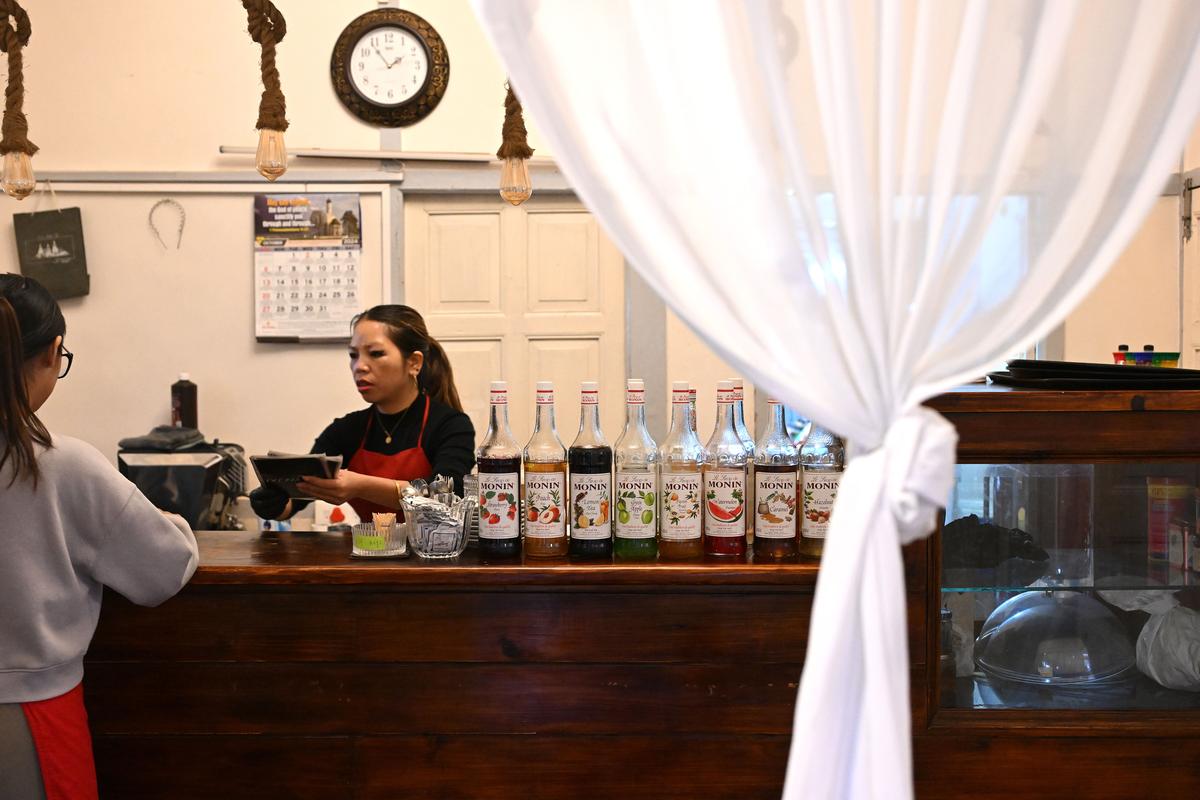
In 2023, the MFEC established the North East Fruit Wine Incubation Centre in Shillong. This facility—the first of its kind in the region—serves as a training hub where winemakers learn the "90-day cycle" from fruit pulp to bottled beverage. To date, 137 individuals have been trained in scientific fermentation, alcohol-by-volume (ABV) management, and bottling techniques.
Expert Validation
The quality of the output is being noticed by professionals. Rajesh Swarnakar, a professional wine and spirit taster, observes that Meghalaya’s wines have seen a marked improvement in texture and balance, generally hitting a 10% ABV. While he acknowledges that the state is still catching up to Himachal Pradesh—which has 22 licensed wineries and a longer history of apple-based production—the "exotic" factor of Meghalaya’s indigenous fruits gives it a unique market edge.
Implications: Environmental Stewardship and Rural Prosperity
The rise of the fruit wine industry carries profound implications for Meghalaya’s ecology and its rural poor.

Reducing Farm Waste
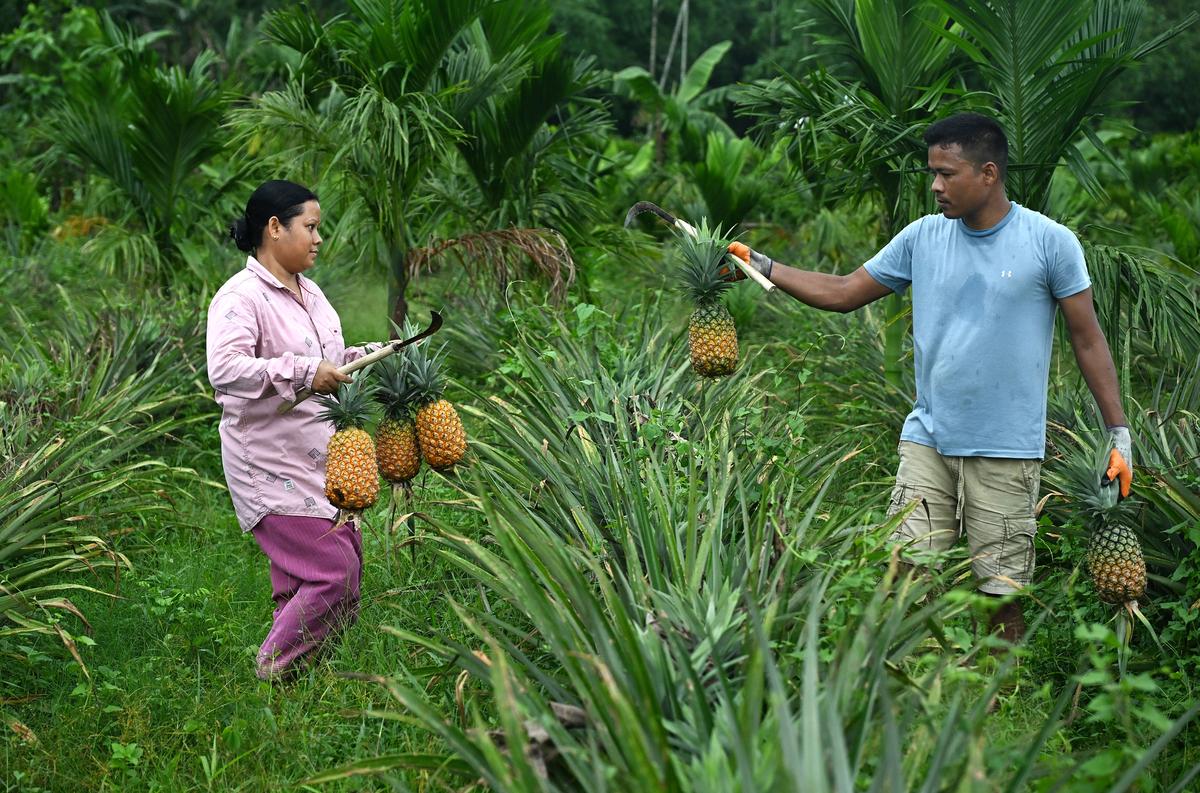
One of the primary drivers behind the government’s push was the staggering rate of agricultural wastage. Due to the state’s difficult terrain and lack of cold-chain infrastructure, nearly 40% of fruits and vegetables harvested in Meghalaya typically rot before reaching the market.
Winemaking has turned this "waste" into "wealth." A single ton of fruit is required to produce 200 liters of wine. By booking entire orchards or specific trees a year in advance, winemakers provide farmers with a guaranteed, high-value income stream.
Socio-Economic Transformation
The financial impact on farmers is transformative:
- Sohiong Trees: A farmer who previously earned ₹3,000 per tree now earns up to ₹15,000.
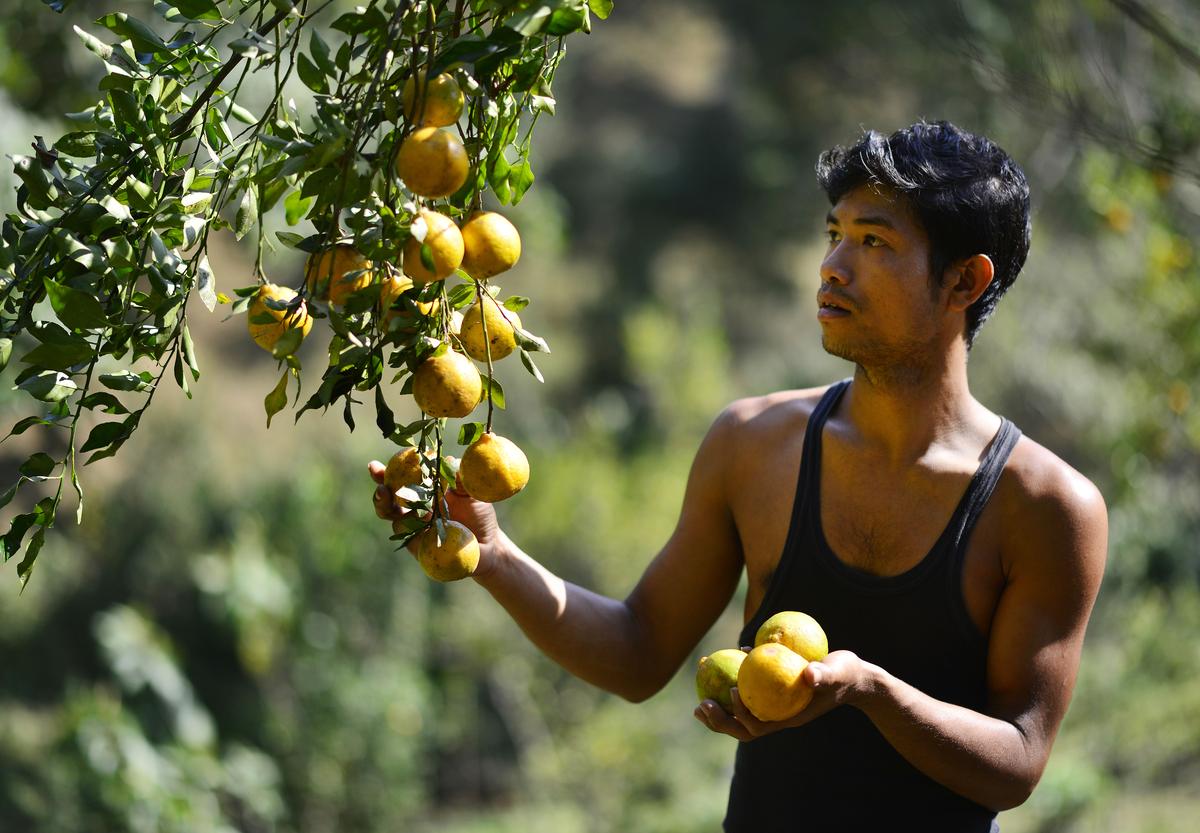
- High-Value Crops: Farmers of kiwi, plum, and orange have seen seasonal incomes jump from ₹30,000 to over ₹3 lakh.
- Foraging to Farming: There is a noticeable shift as villagers begin to cultivate wild species like te.gism and te.patang rather than merely gathering them from the jungle, leading to better land management and conservation of indigenous species.
Cultural Identity and Tourism
Beyond the economics, the industry is a point of cultural pride. For entrepreneurs like Andrew Nongdhar, who is reviving his grandfather Captain Hunt’s legacy, this is about "justice to the man who started it all" and reclaiming a piece of Meghalaya’s history. For the state, it is a tool for "experiential tourism." As travelers increasingly seek "authentic" and "local" experiences, Meghalaya’s wine trails and tasting rooms in Shillong and Tura are becoming essential stops on the Northeast Indian circuit.
Conclusion
Meghalaya’s fruit wine industry is a rare example of a successful marriage between traditional indigenous knowledge and modern commercial policy. By legalizing the "spirit" of the hills and backing it with scientific rigor and tax incentives, the state has created a sustainable model that protects biodiversity, empowers farmers, and delights the modern consumer. As brands like Dura, Asame, and Kynjai begin to appear on shelves across the Northeast and beyond, the message is clear: the future of Indian wine is not just purple or white—it is blue, crimson, and flavored with the wild heart of the Himalayas.
