


The reverberations of India’s monumental victory in the Women’s World Cup final on November 2nd are still echoing across the nation. Beyond the exhilarating triumph over a formidable South African side, captained by Harmanpreet Kaur, this historic win has unequivocally marked a seismic shift in the landscape of women’s cricket in India. The narrative of women in sports, once a quiet whisper, has now erupted into a resounding roar, fueled by unprecedented engagement and a burgeoning infrastructure that promises a sustainable future.
The Unmistakable Surge: Numbers That Speak Volumes
The assertion that something fundamentally changed in India on that November day is not hyperbole, but a stark reality reflected in irrefutable data. The DY Patil Stadium in Navi Mumbai, a vibrant cauldron of cricketing passion, played host to an estimated 40,000 fervent supporters. However, the true testament to the sport’s burgeoning popularity was witnessed on digital platforms. JioHotstar, the streaming giant, recorded a staggering 185 million viewers tuning in for the final match. This astronomical figure dwarfs previous records and signifies a profound cultural embrace of women’s cricket.
Sharadha Sridharan, a BCCI-accredited cricket coach based in Chennai, witnessed this transformation firsthand. She recounts a significant increase in inquiries from male coaches and avid fans alike, all eager to dissect team strategies and identify the optimal playing XI for the final. "An interest like this has never been shown before," Sridharan stated, underscoring the novelty and depth of this newfound fascination.
This sentiment is echoed by Prithi Ashwin, who spearheads the Gen-Next Cricket Institute in Chennai. Her phone has been abuzz with calls throughout the World Cup, a testament to the heightened public interest. "At least six to seven calls since the win this morning," she shared, articulating the overwhelming response. The victory has not only inspired aspiring cricketers but also ignited a passion among those who previously may have overlooked the women’s game.
The Seeds of Change: A Chronology of Growing Momentum
While the World Cup victory serves as a powerful catalyst, the seeds of this nation-wide resurgence were sown earlier. Stakeholders across the cricketing fraternity point to 2017 as a pivotal year. The Indian women’s team’s spirited performance, reaching the final against England at the iconic Lord’s Cricket Ground, captivated the Indian public. Despite a narrow nine-run defeat, their tenacious display resonated deeply, finally garnering the widespread acknowledgment of women participating in professional cricket.
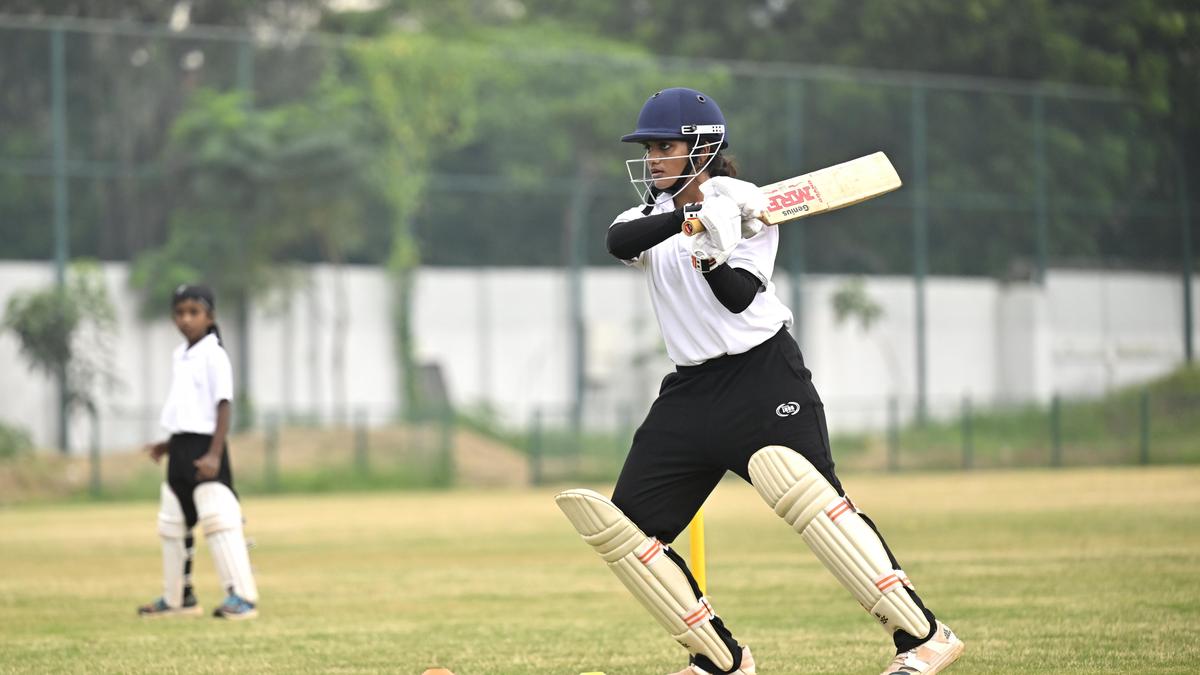
"The following summer, in 2018, we noticed a clear uptick," Prithi Ashwin recalls. "Our summer camp that year had more girls registering than ever before. It felt like a movement was quietly taking shape." Although the COVID-19 pandemic temporarily paused this momentum, the period from 2021 onwards has witnessed a steady and accelerated growth.
Crucially, the interest is no longer confined to older teenagers aspiring for national representation. "We’re seeing younger age groups, even eight-year-old girls walking in with their parents," Prithi observed. "That’s where the future of women’s cricket truly lies." This intergenerational engagement signifies a deep-rooted shift, where cricket is transitioning from a niche pursuit to a widely accepted and encouraged career path for young girls.
The subsequent launch of the Women’s Premier League (WPL) in 2023 further cemented this burgeoning movement. Despite facing some initial trolling during its inaugural edition, the WPL has provided a crucial platform for domestic talent, offering a glimpse into the professional ecosystem and attracting significant media attention. This league has been instrumental in transforming cricket from a dream into a tangible aspiration for countless young women.
Supporting Data: Quantifying the Rise in Tamil Nadu
The state of Tamil Nadu offers a compelling microcosm of this national trend, with a demonstrable surge in women’s participation in cricket. According to data from the Tamil Nadu Cricket Association (TNCA), there has been a significant increase in the number of women appearing for selections. From the 2022-2023 season, which saw 472 participants across districts, the numbers climbed to 770 for the 2025-2026 season. While a slight dip was observed in the 2024-2025 numbers (from 725 to 700), the upward trajectory has since been re-established.
This growth is intricately linked to the proactive initiatives undertaken by the Board of Control for Cricket in India (BCCI) and the TNCA. The establishment of dedicated academies and the sponsorship of players and their coaching have transformed cricket into a viable career option for many aspiring women aiming to don the coveted Indian jersey.

Official Responses and Infrastructural Development
The administrative bodies are not merely observing this transformation; they are actively fueling it. Bhagwandas Rao, the newly appointed secretary of the TNCA, highlighted the association’s commitment to developing robust and high-quality infrastructure. This includes satellite campuses in Tiruppur, Madurai, Theni, and Tiruchi, complemented by residential facilities in Natham and Salem. These developments run parallel to the existing infrastructure in Chennai, including a state-of-the-art gymnasium.
"The aim is to also amp up the experts including physiotherapists so that more people are available both during and off season," Rao stated. The TNCA has been instrumental in hosting special camps for women across various age categories, offering them a daily dearness allowance for their participation. Prior to selection for these camps, aspiring cricketers have access to all the grounds and nets at the aforementioned locations, ensuring a structured and supportive training environment.
Furthermore, the TNCA is aligning its efforts with the National Cricket Association to ensure the delivery of high-quality training and opportunities to players from all socio-economic strata. Safety and inclusivity remain paramount in these developmental initiatives.
The District Advantage: Unearthing Hidden Talent
Aarti Sankaran, who has coached teams across multiple age categories, including U15, U19, and U23, expressed her excitement regarding the sport’s proliferation in the districts. She emphasized that a significant portion of the talent pool originates from these regions. Teams from districts like Coimbatore, Tiruppur, Madurai, and Salem have consistently showcased extraordinary talent in TNCA inter-district tournaments, which often serve as crucial talent scouting platforms. The current state girls’ team is a testament to this, with a majority of its members hailing from these districts.
Even in remote and newly formed districts that might occasionally face challenges in assembling full teams, the "pure grit and a need to prove themselves" among the players is remarkable. Aarti notes the unique resilience of district players who often overcome a lack of readily available conveniences, demonstrating an unwavering dedication to the sport.

The Viability of a Profession: Cricket as a Career
The growing appeal of women’s cricket is intrinsically linked to its evolving viability as a profession. Niranjana Nagarajan, a former Indian cricketer and a mentor to young cricketers, pointed out that cricket is "finally a viable profession." The financial incentives offered by the WPL, coupled with potential absorption by central and state governments for successful players, have made cricket an attractive career choice.
Sudha Shah, a former Indian captain and a selector, corroborated this shift. She recalled a time when the nation was largely unaware of the team’s journey to the 2005 World Cup final in South Africa. Today, the scenario is vastly different. The selection pool has expanded significantly, and quality players from across Tamil Nadu are being actively scouted. "The competition is tough. It is no longer a simple team to put together," Shah remarked, highlighting the enhanced quality and depth of talent.
Addressing Resource Crunch and Future Outlook
While significant strides have been made, challenges remain. Prithi Ashwin highlighted the disparity in the financial structure of men’s and women’s cricket. "A boy playing even fourth or fifth division cricket can earn a match fee. A man playing first division cricket can get full-time employment. For girls, that pathway barely exists right now," she stated. This underscores the need for a more robust and financially structured ecosystem for women’s cricket.
To address this, Prithi suggests structural changes, including an increase in tournaments and avenues for women to play, which would not only enhance their skills but also their income potential. The World Cup win, she believes, is crucial in inspiring not just players, but also parents, academies, and administrators to collaboratively build a pipeline and create equal opportunities.
The TNCA’s vision, as articulated by Bhagwandas Rao, is to further increase momentum, leading to greater representation of Tamil Nadu players in Zonal and National teams. He urged parents to enroll their children in neighborhood cricket academies at a young age to foster early development.

Both Sudha Shah and Aarti Sankaran advocate for the integration of coaching at the school level and the provision of special exceptions for girls aspiring to pursue cricket as a career. Furthermore, supporting promising players from diverse socio-economic backgrounds is crucial to ensure that the sport, often perceived as expensive, remains accessible to all talented individuals.
The current roster of promising players, including G Kamalini, S Anusha, and Akshara Srinivasan, exemplifies the bright future ahead. As India continues to build on the momentum generated by its World Cup triumph, the journey towards creating an equitable and thriving ecosystem for women’s cricket is well underway, promising a future where talent, not circumstance, dictates success on the field.
