

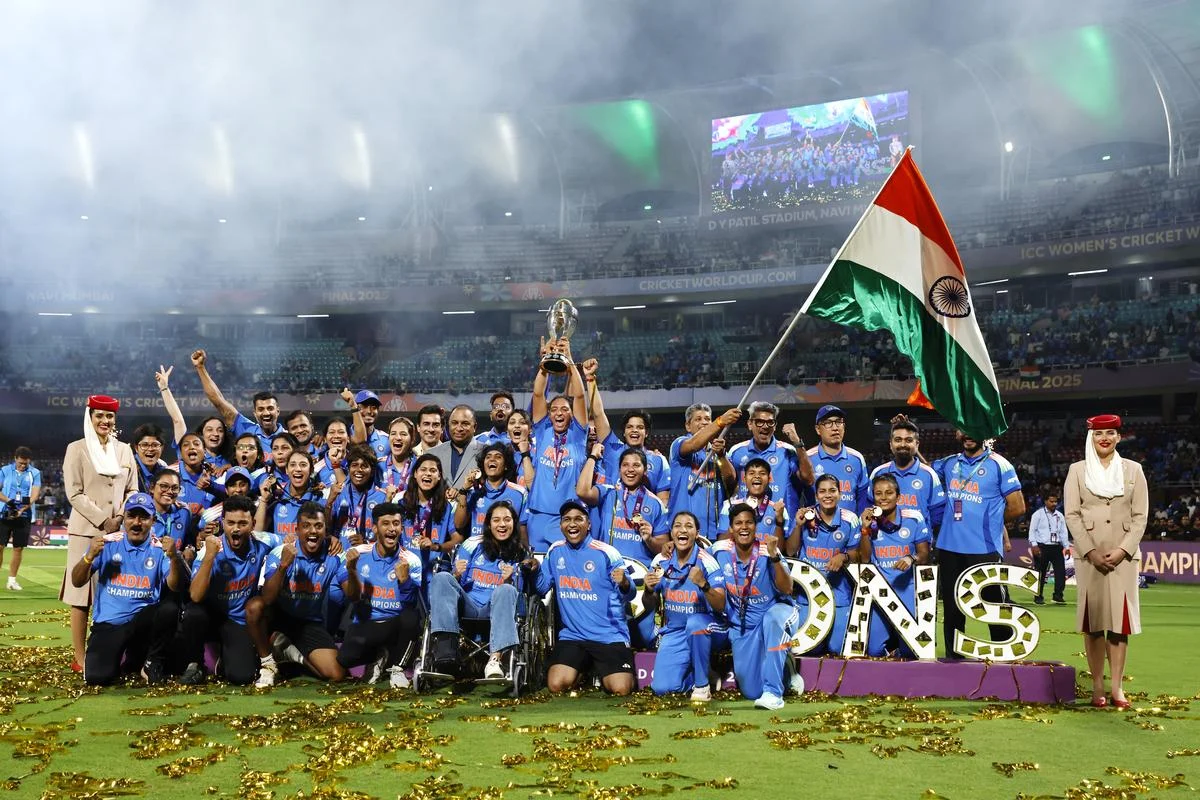
The roar of the crowd, the confetti raining down, and the sheer, unadulterated joy of victory – these are the moments that etch themselves into the annals of sporting history. For the Indian Women’s Cricket team, November 2, 2025, marked such a pinnacle, as they clinched the ICC Women’s World Cup in a nail-biting final against South Africa. Yet, behind the on-field heroics and the jubilant celebrations lies a meticulously crafted edifice of support, a crucial element often unseen but undeniably vital: the medical team. At the forefront of this dedicated unit is Dr. Harini Priyadharshini Muralidharan, the team doctor whose journey from a hesitant medical student to a key player in a World Cup-winning campaign is as compelling as the victory itself.
The dramatic culmination of the Women’s World Cup final unfolded with breathtaking intensity. With South Africa precariously placed at 53 runs shy of a historic title, a pivotal moment arrived when Nadine de Klerk, at the crease, tossed back a delivery from India’s Deepti Sharma. A collective breath was held across the stadium, a palpable tension that hung in the air. Then, like a bolt of lightning, Harmanpreet Kaur swooped in, completing a sensational catch that not only sealed the match but also cemented what many are calling one of cricket’s most cinematic moments in Indian sporting history.
For Dr. Harini, a 33-year-old Chennai resident and the team doctor, this was more than just a sporting spectacle; it was the culmination of immense effort, dedication, and a shared dream. Witnessing and, in her capacity, partaking in this monumental victory was an experience that transcended professional duty.
The Electric Atmosphere of Victory: A Doctor’s Perspective
"The dugout was a cauldron of tension," Dr. Harini recalls, her voice still tinged with the exhilaration of that unforgettable night. "Every single person there was praying. By the time we reached the ninth wicket, a quiet understanding began to dawn – we were going to win. It’s that peculiar kind of excitement where it’s almost too early to erupt in celebration. But when the moment finally arrived, all we wanted was to embrace each other, to cry tears of joy. And that’s precisely what we did. The rush onto the field was instinctive, a release of all the pent-up emotion."
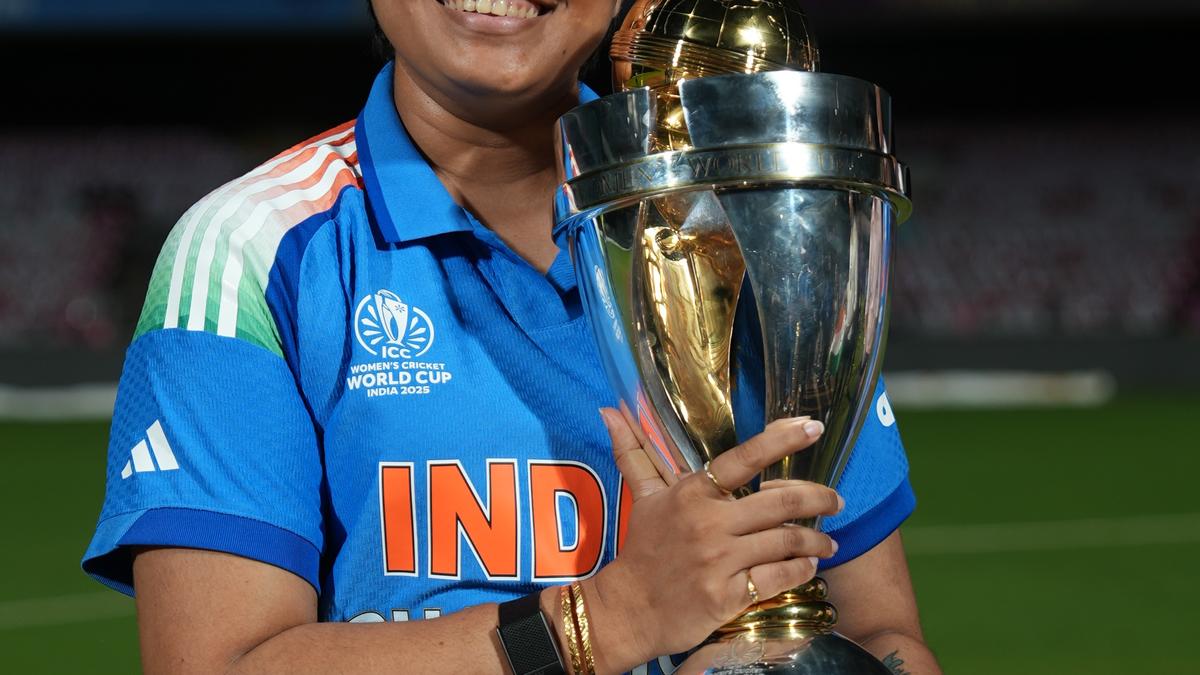
Though her tenure with the national team has been a relatively recent one, spanning just a year, Dr. Harini speaks of the touring experience with profound enthusiasm. She highlights the deep camaraderie that has developed within the team, a bond that extends beyond the professional realm to a genuine sense of family. This World Cup triumph, she believes, is a powerful testament to the adage, "the right place at the right time," a sentiment that resonates deeply with her personal journey.
A Serendipitous Path to Sports Medicine
Dr. Harini’s path to the pinnacle of sports medicine was not a straight line. Hailing from a family with a strong medical lineage, she initially found herself at a crossroads, unsure of her specialization. It was her father who planted the seed of an idea that would ultimately blossom into her passion: Sports Medicine. This field, a departure from traditional medical practices, offered a unique blend of science, athleticism, and human performance.
"I reached out to Basu Shanker, a renowned Indian performance coach," Dr. Harini explains. "He advised me that to truly enter this field, I needed hands-on experience. This led me to begin an internship with him." This initial foray proved transformative. After a year under Shanker’s tutelage, Dr. Harini recognized her calling, her innate aptitude for the intricacies of sports science and athlete well-being.
Navigating the Challenges: From COVID’s Shadow to the National Team
Her commitment to mastering her craft propelled her to London, where she pursued a Master’s in Exercise Medicine at Queen Mary University. Her return to India coincided with the initial, chaotic wave of the COVID-19 pandemic. "It was utter chaos," she recounts, painting a vivid picture of the uncertainty and disruption that defined those early months. The subsequent years, though quieter, were filled with a relentless pursuit of opportunities, marked by a deluge of job applications. "I must have sent out at least 100 CVs," she admits, underscoring the competitive nature of the field and her unwavering determination.
Her persistence eventually paid off. Basu Shanker, then associated with the Royal Challengers Bengaluru, facilitated her connection with senior members of the team. Following a rigorous interview process and a series of insightful conversations, Dr. Harini was recruited. The experience of working with both the men’s and women’s teams was invaluable, but her ultimate aspiration remained steadfast: to serve the national team. When that call finally came, the decision was instantaneous. "When that call came, I didn’t even think twice about saying ‘no’," she states emphatically.
The Unseen Grind: Injury Management and Athlete Well-being
During the intense World Cup campaign, Dr. Harini’s days were demanding, often involving four to five hours spent in the treatment room. Her primary focus, she explains, lies in injury management, a critical aspect of sports medicine. The team benefits from the expertise of highly skilled physiotherapists and masseuses, each playing a specific role in player rehabilitation.

"I come into the picture when dealing with a significant injury," Dr. Harini elaborates. "Everyone operates within their defined roles. However, sometimes, during physiotherapy sessions, a player might downplay a minor issue that could potentially escalate. In such instances, I ensure I conduct a thorough assessment." She also commends the long-standing dedication of the support staff, acknowledging their years of invaluable work with the players, which has laid a robust foundation for the team’s success.
Beyond the Roar: The Personal Sacrifices and Societal Impact
When asked about specific incidents from the tournament that stand out, Dr. Harini reflects with a gentle smile. "I’m sure there were many memorable moments, but most have been overshadowed by the sheer magnitude of the victory," she admits. The sacrifices, however, are deeply felt. "I do miss my son, though," she adds, a poignant reminder of the personal cost of such demanding professional commitments.
Dr. Harini offers a profound perspective on the often-overlooked aspects of athletic achievement. "People often fail to recognize the immense effort that goes into creating a champion," she observes. "It’s not solely physical; it’s deeply mental as well." She finds her work grounding, a constant reminder of the dedication and resilience required at the highest levels of sport.
The resounding triumph of the Indian Women’s Cricket team, she believes, has created a seismic shift, a societal awakening that allows these athletes the space and recognition they deserve. "This win has made such a loud noise that I think society is finally willing to pause and acknowledge these girls, to let them pursue their dreams wholeheartedly. That is the true, lasting impact of sports," she concludes, her words resonating with the profound significance of the victory and the vital role of those who support it from behind the scenes. The World Cup trophy is not just a symbol of athletic prowess, but also a testament to the power of collective effort, scientific backing, and unwavering belief, embodied by individuals like Dr. Harini Priyadharshini Muralidharan.
