

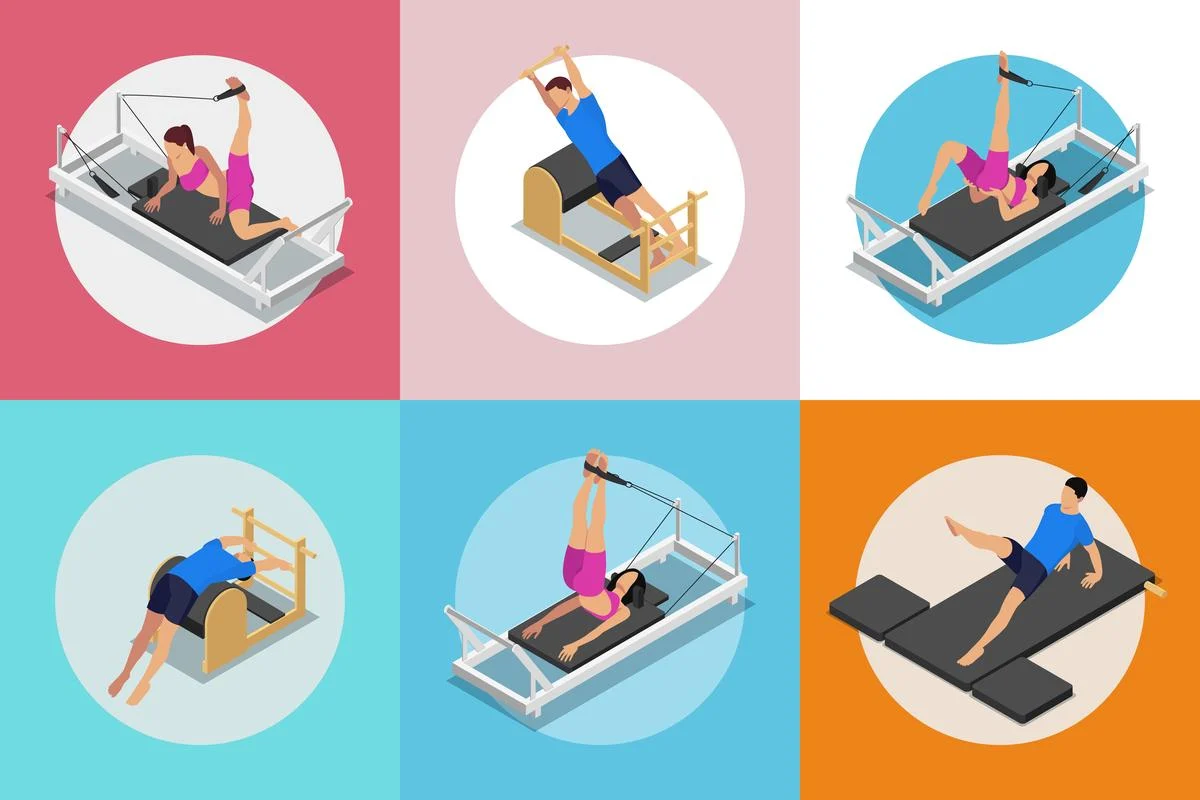
In an era increasingly focused on holistic health and integrated wellness, Pilates has emerged from its niche origins to become a global phenomenon. More than just a trend, this 20th-century discipline, developed by Joseph Pilates, offers a profound approach to strengthening the body, enhancing mental clarity, and fostering a deeper connection between mind and movement. Its enduring popularity is not merely a product of fleeting fads or social media hype, but is firmly rooted in its scientifically validated effectiveness and its adaptable nature, which allows it to seamlessly integrate with diverse fitness philosophies.
The Genesis of Contrology: A Vision for Total Well-being
The story of Pilates begins in the early 20th century with Joseph Pilates, a German physical trainer whose own childhood frailties ignited a lifelong quest for physical perfection. Born in 1883, Pilates suffered from asthma, rickets, and rheumatic fever. Driven by a desire to overcome these challenges, he dedicated himself to studying anatomy and developing a unique system of exercises. His formative influences were diverse, drawing inspiration from gymnastics, boxing, yoga, and Zen meditation, weaving together principles of controlled movement, breath awareness, and mental focus.
Pilates’ early work, which he originally termed "Contrology," was deeply philosophical. He believed that modern life, with its sedentary habits and physical imbalances, was the root of many ailments. His system was designed not merely to build muscle, but to cultivate a robust and resilient physique from the core outwards. In 1926, he brought his revolutionary approach to New York City, establishing a studio in close proximity to the New York City Ballet. This strategic location allowed him to work with dancers, athletes, and individuals seeking rehabilitation, solidifying his reputation as a transformative trainer. His early disciples were instrumental in preserving and propagating his original teachings.
The Pillars of Pilates: Core Strength, Body Awareness, and Mental Focus
At its heart, Pilates is a comprehensive mind-body exercise that emphasizes the integration of the entire body. Unlike many conventional workouts that might isolate muscle groups, Pilates focuses on developing intrinsic core strength – the muscles of the abdomen, back, and pelvis that stabilize the spine and pelvis. This foundational strength is crucial for efficient movement, injury prevention, and overall physical well-being.
Beyond physical prowess, Pilates cultivates profound body awareness. Through precise movements and a deep understanding of anatomical alignment, practitioners learn to identify and correct postural imbalances, improve their proprioception (the body’s awareness of its position in space), and develop a more harmonious relationship with their physical form. This heightened awareness extends to breathing patterns, which are intricately linked to movement and core engagement in Pilates. Proper breathing not only enhances the effectiveness of the exercises but also promotes relaxation and stress reduction.
The mental component of Pilates is equally vital. The discipline demands concentration and mindful execution of each movement, fostering a meditative state that can quiet the mind and improve focus. This mental engagement, coupled with the physical exertion, creates a powerful synergy that transcends mere physical fitness, contributing to an overall sense of well-being and resilience.
Evolution and Diversification: From Contrology to Contemporary Adaptations
While Joseph Pilates was meticulously specific about his original method, the discipline has naturally evolved and diversified over the decades. This evolution has led to several distinct, yet interconnected, branches of Pilates practice:
-
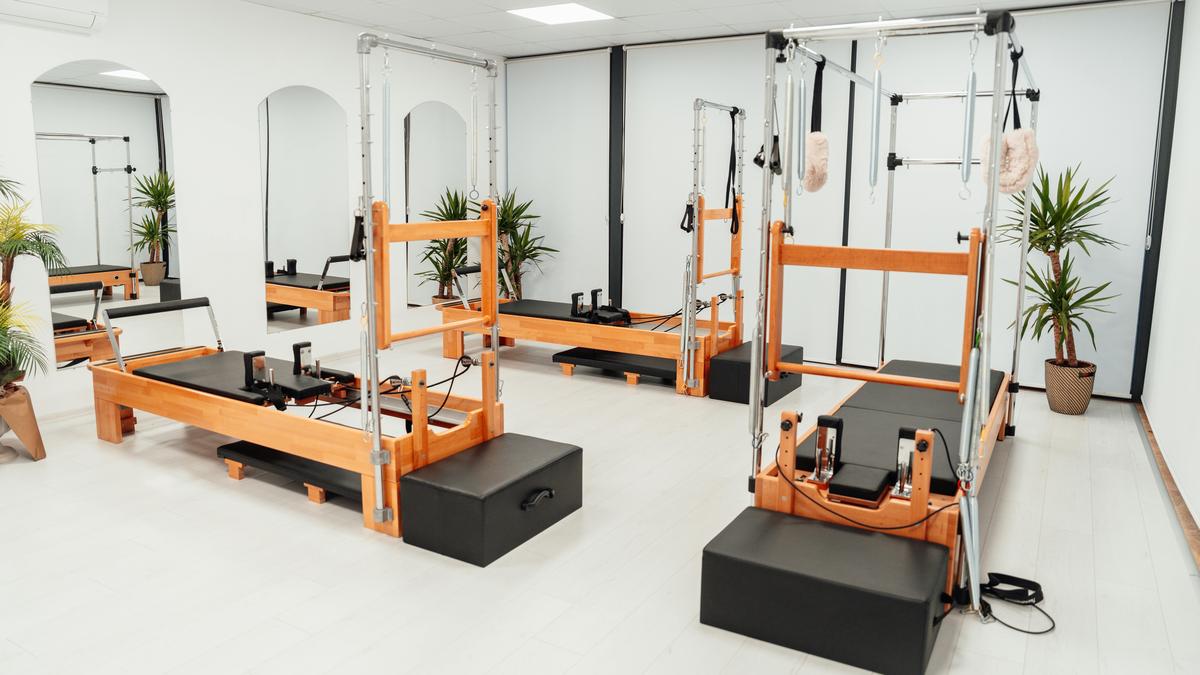
Contrology: This refers to the original, pure method developed by Joseph Pilates. It involves a specific set of exercises, many of which require specialized apparatuses designed by Pilates himself, such as the Reformer, Cadillac, Chair, and Barrel. Contrology emphasizes a systematic and precise execution of movements in a predetermined order. Joseph Pilates was famously resistant to modifications, believing that deviation from his prescribed method meant one was no longer practicing "Contrology."
-
Classical Pilates: Developed by Joseph Pilates’s direct disciples, Classical Pilates adheres closely to the original repertoire and principles of Contrology. While it maintains the integrity of the original work, it may incorporate minor adaptations or a slightly broader understanding of movement. It is often considered the bridge between the original method and later interpretations, with practitioners aiming to replicate the essence of Joseph Pilates’s teachings.
-
Contemporary Pilates: This is the most evolved and widely practiced form of Pilates today. Contemporary Pilates acknowledges the foundational principles of Contrology but incorporates modern biomechanical and physiological understanding. It often includes more modifications to exercises to suit a wider range of abilities and physical conditions, introduces new equipment and exercises, and allows for greater flexibility in the order and combination of movements. This adaptability has made Pilates accessible to a broader demographic and has facilitated its integration with other fitness modalities.
The adaptability of Contemporary Pilates has given rise to a fascinating array of hybrid disciplines. Yogilates, a seamless fusion of Pilates and yoga, combines the core-strengthening and alignment principles of Pilates with the flexibility and meditative aspects of yoga. Cardiopilates integrates cardiovascular elements into Pilates routines, offering a more dynamic and calorie-burning workout. Piloxing creatively blends Pilates, boxing, and dance, delivering an energetic and empowering fitness experience. Beyond these, Aquapilates utilizes the buoyancy and resistance of water for a low-impact, joint-friendly workout, while Aeropilates incorporates trampolines and resistance cords to enhance the challenge and protect joints.
The Scientific Validation: Why Pilates is More Than Just a Trend
In recent years, Pilates has garnered significant attention not only from fitness enthusiasts but also from the scientific community. Numerous studies have underscored the profound physical and mental benefits of regular Pilates practice, solidifying its status as a scientifically validated exercise method.

Research published in reputable journals such as the Journal of Orthopaedic & Sports Physical Therapy and by the American Council on Exercise has consistently highlighted Pilates’ effectiveness in:
- Enhancing Spinal Stability and Posture: Pilates exercises are meticulously designed to strengthen the deep stabilizing muscles of the core, leading to improved spinal alignment, reduced back pain, and better posture. This focus on the spine’s natural curves is a cornerstone of the discipline, making it an invaluable tool for rehabilitation and injury prevention.
- Reducing Risk of Injury: By building a strong and balanced musculoskeletal system, Pilates significantly reduces the risk of acute and chronic injuries. The controlled nature of the movements and the emphasis on proper form minimize strain on joints and ligaments.
- Improving Balance and Flexibility: Pilates movements often require a high degree of balance and control, leading to enhanced proprioception and stability. Simultaneously, the lengthening and stretching components of the exercises contribute to increased flexibility and range of motion.
- Alleviating Chronic Pain: Studies have shown Pilates to be effective in managing chronic pain conditions, particularly lower back pain, by strengthening the supporting muscles and improving spinal mobility without exacerbating discomfort.
- Boosting Mental Health and Reducing Anxiety: The mindful engagement required in Pilates practice acts as a form of movement meditation. This focused attention on the body and breath can significantly reduce stress, anxiety, and symptoms of depression, promoting a greater sense of mental clarity and calm.
- Maintaining Bone Density: While not a weight-bearing exercise in the traditional sense, the controlled resistance and muscle engagement in Pilates can contribute to maintaining bone density, potentially playing a role in preventing conditions like osteoporosis.
The growing body of scientific evidence provides a robust foundation for the widespread adoption of Pilates. It moves beyond anecdotal testimonials to offer concrete proof of its efficacy as a comprehensive approach to health and wellness.
The Rise of Pilates: A Multifaceted Phenomenon
The surge in Pilates’ popularity in recent years can be attributed to a confluence of factors:
- Increased Health Consciousness: Today’s generations are more proactive about their health and well-being, seeking sustainable and effective methods for physical and mental fitness. Pilates, with its holistic approach, perfectly aligns with this evolving mindset.
- Social Media Influence and FOMO: Platforms like Instagram and TikTok have played a significant role in showcasing Pilates workouts and their transformative results. This visual exposure, coupled with the "Fear Of Missing Out" (FOMO) phenomenon, has generated considerable buzz and encouraged wider participation.
- Accessibility and Adaptability: The evolution of Contemporary Pilates and the emergence of hybrid forms have made the discipline more accessible to individuals of all ages, fitness levels, and physical conditions. Online classes and diverse studio offerings further enhance this accessibility.
- Focus on Longevity and Injury Prevention: As people live longer and more active lives, the emphasis on injury prevention and maintaining physical function throughout the lifespan has grown. Pilates, with its low-impact nature and focus on core strength and stability, is ideally suited to meet these needs.
- Mind-Body Connection in a Stressed World: In an increasingly fast-paced and often stressful world, individuals are seeking practices that promote mental well-being and stress reduction. The meditative and mindful aspects of Pilates offer a powerful antidote to the pressures of modern life.
Implications for the Future of Fitness
The enduring appeal and scientific validation of Pilates suggest its continued prominence in the fitness landscape. Its emphasis on core strength, body awareness, and mental focus offers a comprehensive approach to health that goes beyond superficial aesthetic goals. As research continues to uncover its multifaceted benefits, Pilates is poised to remain a cornerstone of holistic wellness, empowering individuals to cultivate strength, resilience, and a profound connection with their bodies and minds. For those seeking an alternative to traditional workouts or a more integrated approach to their health journey, Pilates offers a compelling and effective path forward.
