

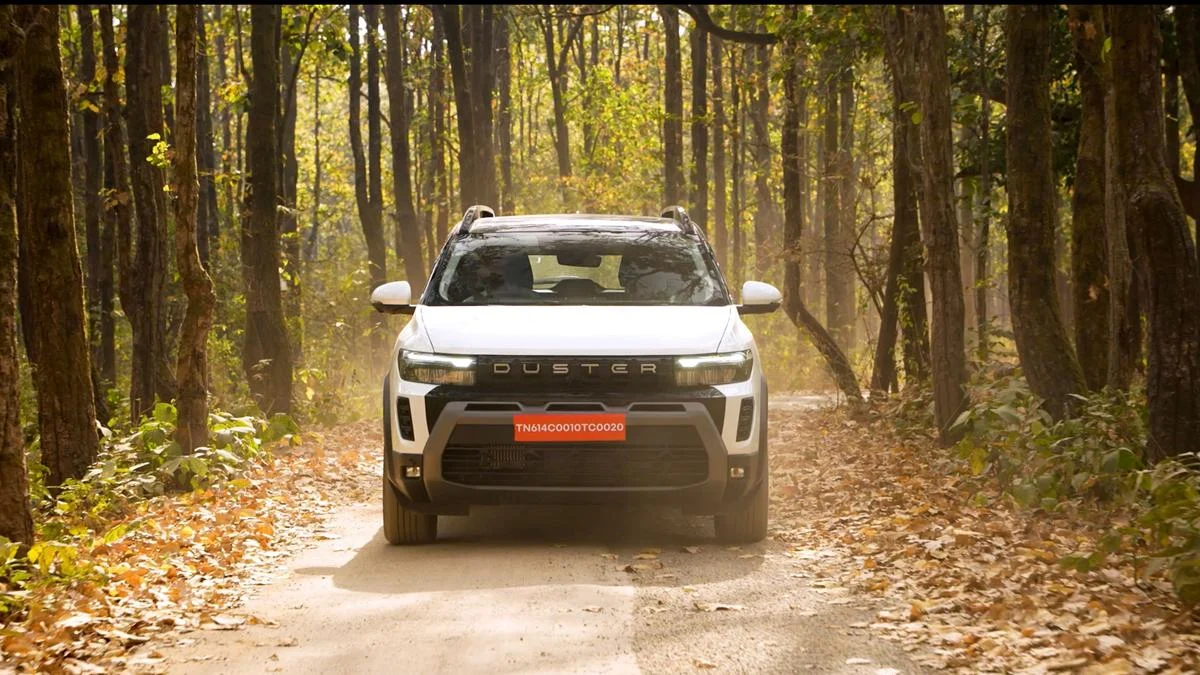
The Indian automotive landscape is one of the most volatile and competitive in the world, yet few names evoke as much nostalgia and respect as the Renault Duster. When it first debuted over a decade ago, it didn’t just enter a segment; it effectively created one. Now, after a period of absence that saw the market flooded with tech-heavy "soft-roaders," the Duster returns. It carries the heavy burden of its own legacy, tasked with proving that a rugged, mechanical soul still has a place in a world increasingly obsessed with digital gimmicks.
Main Facts: The New Duster at a Glance
The latest iteration of the Renault Duster arrives with a clear mission: to blend its legendary go-anywhere capability with the refinement expected by modern urban buyers. Positioned in the heart of the C-SUV segment, the Duster enters the fray with a competitive price bracket of INR 10.29 lakh to INR 18.49 lakh (ex-showroom).
Built on the highly versatile CMF-B platform, the new Duster is no longer the utilitarian workhorse of the past. It has been reimagined for a more demanding era. The flagship 1.3 Turbo ICONIC variant, in particular, showcases Renault’s intent to move upmarket.
Key Specifications at a Glance:
- Engine Options: 1.3L Turbo-Petrol (163hp/280Nm), 1.0L Turbo-Petrol (100hp/160Nm), and an upcoming 1.8L Strong Hybrid.
- Transmission: 6-speed Manual and 7-speed DCT (Dual-Clutch Transmission).
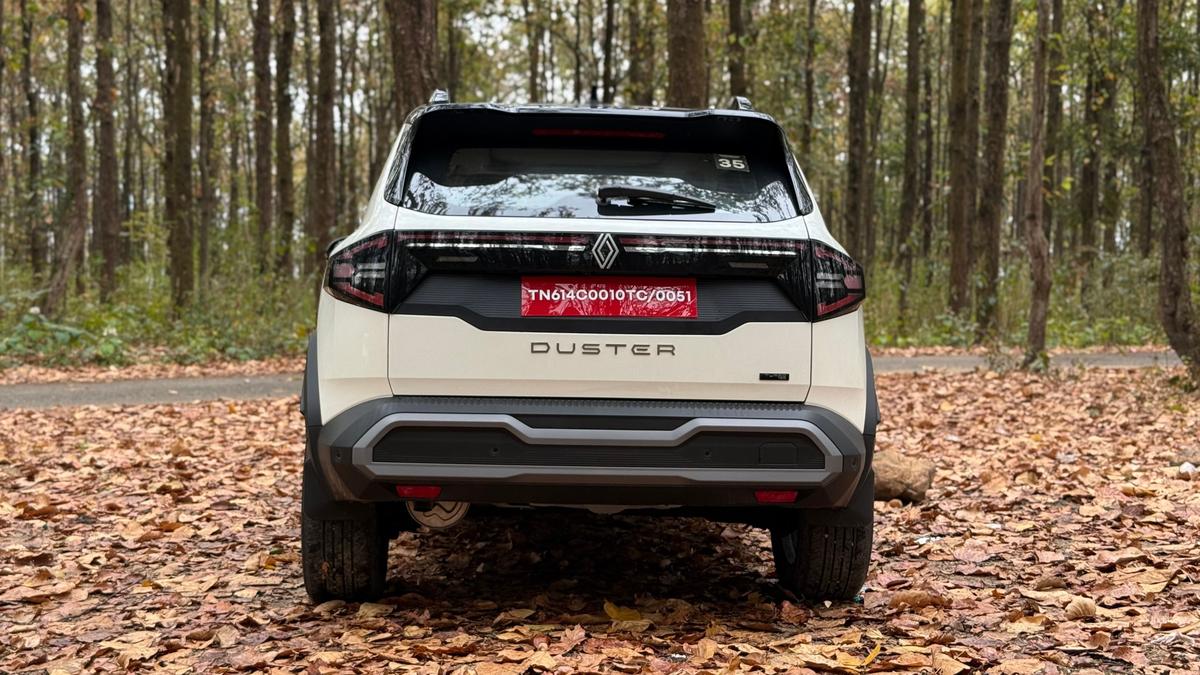
- Cargo Capacity: A class-leading 518 liters.
- Technology: 10.1-inch infotainment, 10.25-inch digital cluster, and Google-integrated services.
- Ground Clearance: Designed to maintain its reputation for handling "broken roads."
Chronology: From Segment Pioneer to Strategic Rebirth
To understand why the return of the Duster is significant, one must look at the timeline of its evolution in the Indian market.
2012–2016: The Era of Dominance
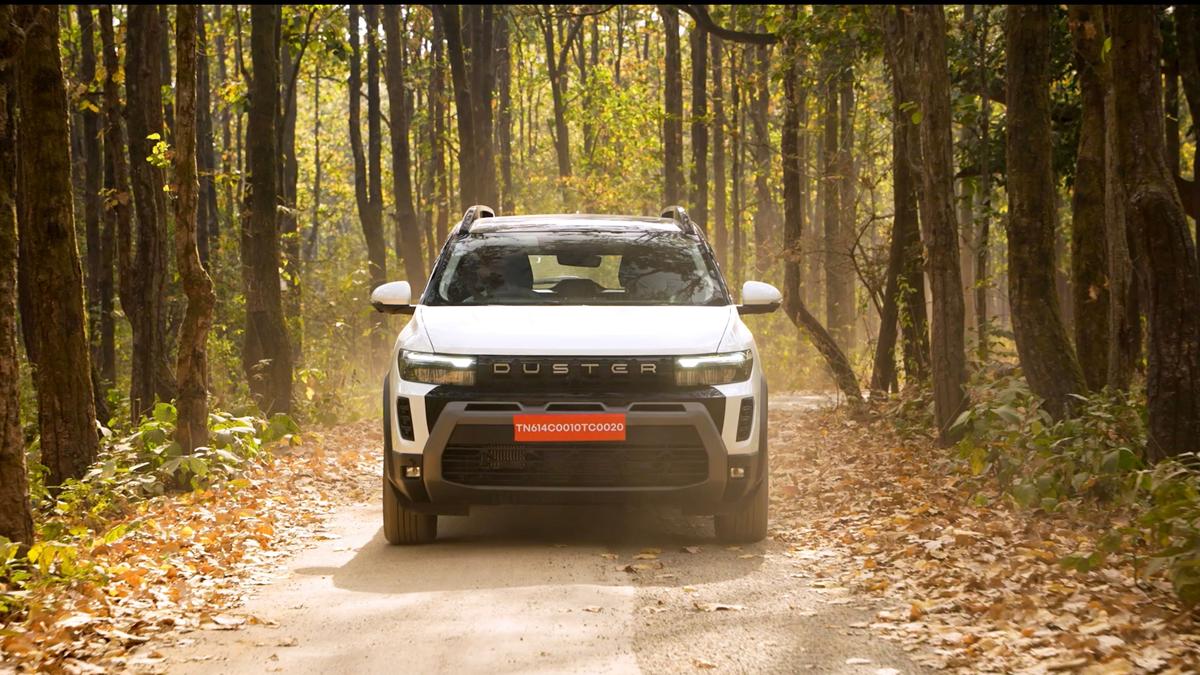
When Renault launched the Duster in 2012, the Indian SUV market was bifurcated between ladder-frame giants like the Mahindra Scorpio and small hatchbacks. The Duster introduced the "monocoque SUV" concept—a vehicle that offered the ruggedness of an SUV with the car-like handling of a sedan. It became an instant sensation, winning numerous "Car of the Year" awards and establishing Renault as a household name in India.
2017–2021: The Competitive Shift
As competitors like the Hyundai Creta and Kia Seltos entered the market, they pivoted the segment toward "feature-rich" luxury. While the Duster received updates and a powerful 1.3L turbo engine later in its life, its aging platform and utilitarian interior began to feel dated. Eventually, the first-generation Duster was phased out as Renault focused on the Triber and Kiger, leaving a void in their portfolio.
2024 and Beyond: The Global Re-entry
The new Duster is a global product, developed with a focus on sustainability and modern architecture. Its return to India is part of Renault-Nissan’s massive investment plan for the region, signifying a shift from "budget-centric" models back to "brand-defining" products.
Supporting Data: Engineering, Design, and Performance
The new Duster is a masterclass in "maturation." It retains the "Duster-ness" of the original but executes it with contemporary precision.
Exterior Design: Rugged Sophistication
The design language is defined by what Renault calls "Y-shaped" signatures. The front grille is slim, integrating seamlessly into the LED DRLs, while the hood features deep sculpting that suggests power.
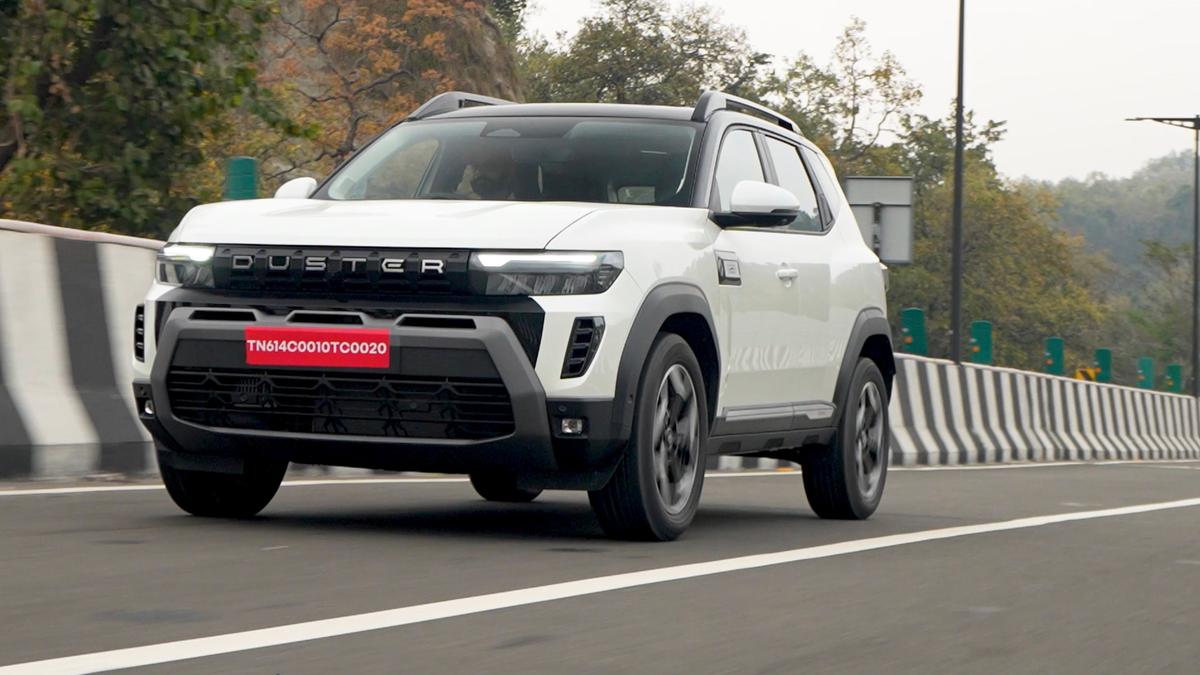
- Proportions: The SUV maintains an upright stance, reinforced by 18-inch alloy wheels and squared-off wheel arches.
- Modern Touches: The rear door handles are hidden in the C-pillar, a design choice that gives the SUV a cleaner, two-door-like aesthetic from the side.
- Functional Aesthetics: The 360-degree cladding is not just for show; it is made of recycled materials and designed to take the brunt of stones and debris on unpaved roads.
The Cabin: A Tech-Forward Transformation
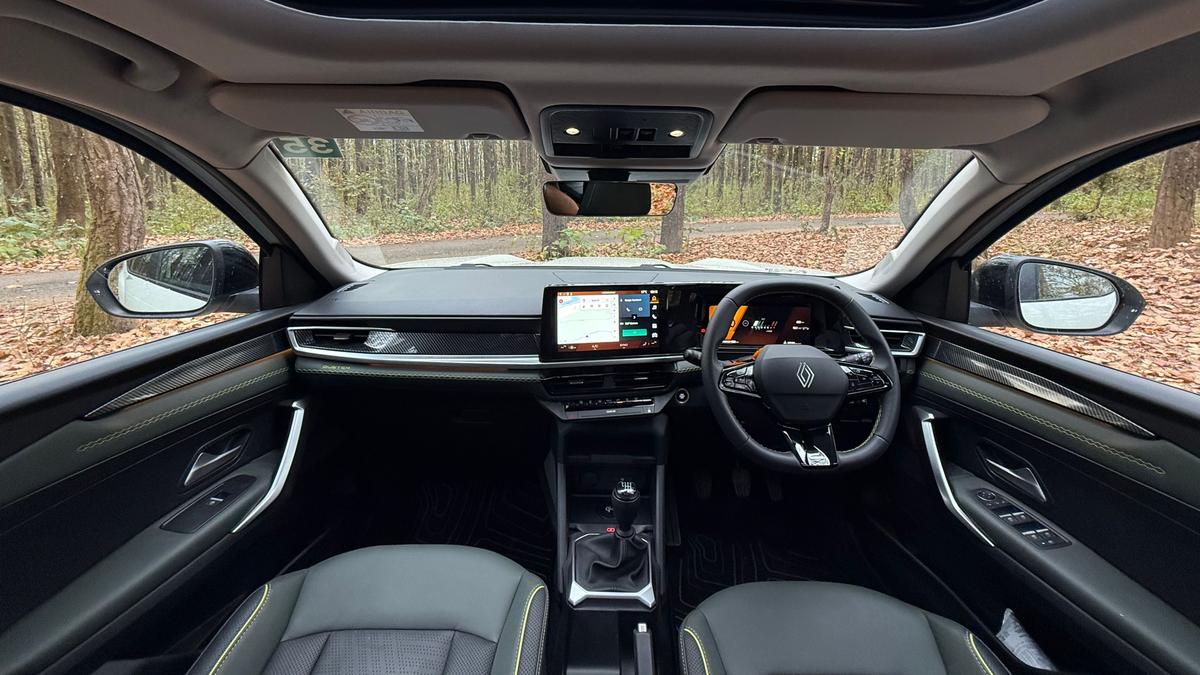
Inside, the leap from the previous generation is staggering. The 1.3 Turbo ICONIC variant features a driver-centric cockpit.
- Digital Integration: The 10.1-inch touchscreen is tilted toward the driver and runs an interface that is remarkably fluid. The inclusion of Google-based services means navigation and voice commands are as intuitive as a smartphone.
- Ergonomics: Renault has wisely retained physical buttons for the dual-zone climate control. In a segment where many are moving to distracting touch-panels, this is a nod to the "driver-first" philosophy.
- Comfort: The front seats are now ventilated and powered, addressing one of the major complaints of the previous generation.
Performance and Powertrains
The star of the show is the 1.3-litre turbo-petrol engine. Developed in collaboration with Daimler, this engine produces 163hp and 280Nm of torque.
- The Driving Experience: On the road, the 1.3L engine offers a punchy mid-range. While there is a hint of turbo-lag below 1,800 RPM, the surge of power thereafter is addictive.
- Transmission: The 6-speed manual is surprisingly precise, though the DCT is the preferred choice for those navigating urban gridlock.
- Fuel Efficiency: Despite its performance credentials, the Duster remains relatively frugal. While the ARAI figures are high, real-world testing in hilly terrain and city traffic yielded a respectable 13 kmpl.
Official Responses and Strategic Positioning
Renault’s leadership has been vocal about the Duster’s role in their "Renaulution" strategy. The company has positioned the Duster not as a "Creta-killer" in terms of features, but as a "lifestyle enabler."
The AWD Question
One of the most discussed aspects of the new Duster is the absence of an All-Wheel Drive (AWD) variant at launch. In response to enthusiast queries, Renault officials have noted that the CMF-B platform is fully AWD-capable. However, the initial rollout focuses on front-wheel drive to maximize localization and keep pricing competitive. "We are monitoring the demand for AWD closely," a company spokesperson indicated. "The Duster legacy is built on capability, and we will ensure that legacy is honored as the product lifecycle progresses."
The Hybrid Future
Renault has also confirmed that a Strong Hybrid variant is slated for a Diwali release. This 1.8-litre powertrain is a strategic move to counter the diesel-heavy portfolios of competitors, offering high torque and exceptional fuel efficiency without the regulatory hurdles of diesel engines.
Implications: What the Duster Means for the Indian Market
The return of the Duster has several far-reaching implications for the automotive industry and consumers alike.
1. Re-defining Value
For years, "value" in the SUV segment was measured by the size of the panoramic sunroof or the number of ambient lighting colors. The Duster shifts the conversation back to mechanical integrity. By prioritizing ride quality—which remains the best in class—Renault is betting that consumers are tired of the stiff, bouncy rides often found in feature-loaded competitors.
2. The Multi-Energy Strategy
By offering 1.0L Turbo, 1.3L Turbo, and a Strong Hybrid, Renault is one of the few manufacturers providing a comprehensive range of petrol-based solutions. This "multi-energy" approach allows them to target everyone from the budget-conscious family to the performance enthusiast and the eco-conscious commuter.
3. Strengthening the Brand Image
The Duster is more than a sales volume driver; it is a brand halo. Its success will likely spill over to Renault’s smaller models, providing the brand with the "rugged" credentials it needs to stand out against the onslaught of new Chinese and domestic players.
4. Consumer Choice
For the consumer, the Duster represents a "third way." It sits between the ultra-refined, tech-heavy Korean SUVs and the rugged, ladder-frame Indian SUVs. It offers a middle ground: an SUV that is refined enough for the office commute but robust enough to handle a weekend trip into the Himalayas without breaking a sweat.
Conclusion: A Ready Contender
The Renault Duster’s return is not merely a nostalgic exercise. It is a calculated, well-engineered response to a market that has become somewhat homogenized. With its class-leading boot space, a powerhouse of an engine in the 1.3 Turbo, and a ride quality that continues to set benchmarks, the Duster doesn’t just feel relevant—it feels necessary.
While the lack of an immediate AWD option may disappoint a small segment of purists, the overall package is so cohesive that it is hard to ignore. Renault hasn’t just brought back a nameplate; they have brought back a philosophy. In the battle for SUV supremacy, the Duster has returned not just to participate, but to lead.
Price: INR 10.29 – 18.49 lakh (depending on the variant)
Motorscribes, in association with The Hindu, brings you the latest in cars and bikes. Follow them on Instagram on @motorscribes
