

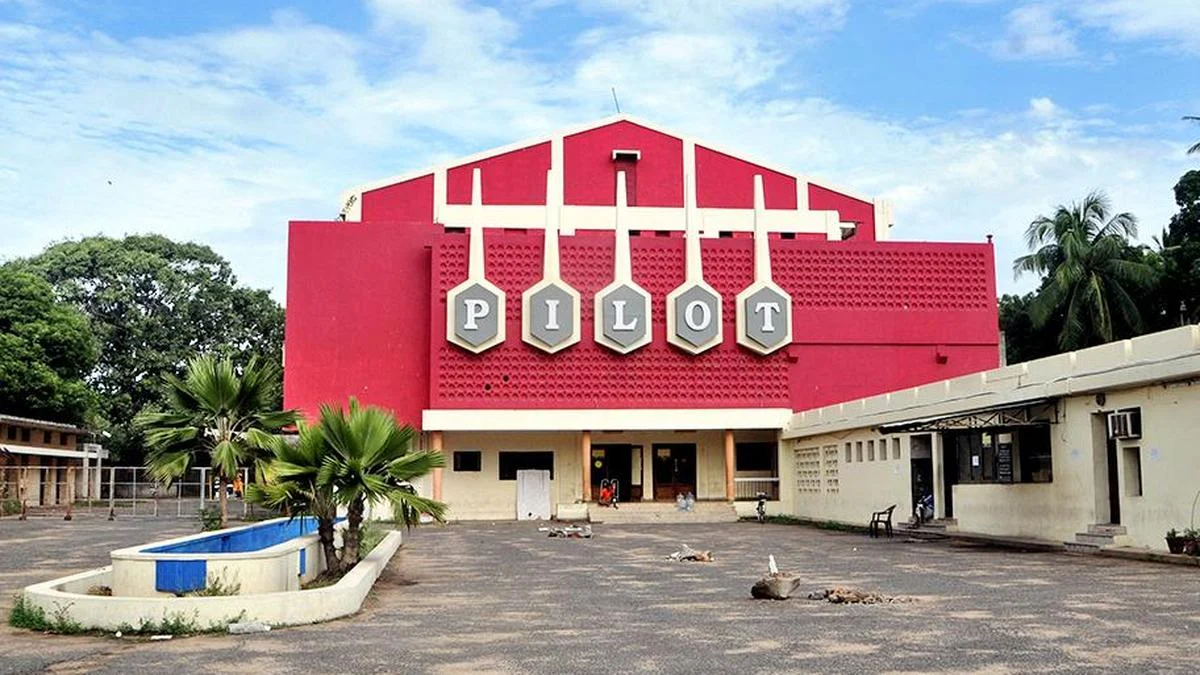
Chennai, India – August 24, 2026 – For generations of Chennai residents, particularly those in the bustling neighborhoods of Royapettah, Triplicane, Mylapore, and T. Nagar, the name "Pilot Theatre" evokes a rich tapestry of memories. Once a beacon of cinematic modernity and a vibrant social hub, this iconic establishment, which opened its doors in November 1968, has now succumbed to the inexorable march of time, leaving behind a void in the city’s cultural landscape. Its story is not just about a building; it’s a poignant reflection of evolving entertainment habits, urban development, and the enduring power of shared experiences.
The Pilot Theatre was more than just a venue for screening films; it was a destination. In its heyday, it stood as a testament to ambitious architectural and technological vision. Conceived by P.A. Sanjivi, the visionary founder of Pilot Pens in India, the theatre was designed with Cinerama in mind, a format that promised an immersive cinematic experience far beyond the capabilities of conventional cinemas of the era. Although initial technical hurdles meant it opened with 70mm projection rather than the planned Cinerama, this still placed it at the forefront of audio-visual technology in Madras, as the city was then known.
A Grand Opening and a Golden Era
The grand opening of the Pilot Theatre in November 1968 was a significant event. Boasting a seating capacity of 900, it was heralded as one of Madras’s most modern cinema halls. The architectural design itself was a statement. The theatre featured plush, cushioned, tilt-back seats that offered unparalleled comfort and generous legroom, a stark contrast to the often cramped seating arrangements found elsewhere. The screen, a colossal 53 feet by 24.5 feet, was designed to maximize the impact of the projected images. Complementing this visual spectacle was an advanced RCA sound system, which, coupled with the imported projection equipment, delivered an auditory experience that captivated audiences.
A particularly noteworthy feature, often cited as the country’s first of its kind, was its air-conditioned projection booth. This innovation ensured optimal operating conditions for the sensitive projection equipment, contributing to the consistently high quality of the screenings. The theatre’s broad-fronted building was not just aesthetically pleasing but also functional, offering ample parking space, a beautifully landscaped compound complete with an underwater-lit lily pond, and multiple entrances – four main ones and two side gates – facilitating smooth ingress and egress for patrons. The initial advertisements proudly proclaimed its Cinerama capability and 70mm projection, setting high expectations for the cinematic journeys it would offer.
More Than Just a Movie: A Social Epicenter
For residents of Royapettah and its surrounding areas, the Pilot Theatre quickly became an integral part of their social fabric. The late 1970s and early 1980s marked a golden period for the theatre, as recalled by many who frequented it. T.P. Gopal, a retired bank employee who lived in Triplicane during that era, paints a vivid picture of the neighborhood as a "bachelor’s paradise." He reminisces about the affordability of messes for dining, the proximity to the soothing seashore, and the convenient cluster of cinemas within a short radius.
"We were residents of Triplicane in those days, and it was considered a bachelor’s paradise, with affordable messes for food, the seashore nearby and several theatres within two to three km," Gopal shared, his voice tinged with nostalgia. "Pilot was often our post-work, post-dinner destination. The sheer convenience and the thrill of watching a new release made it a regular haunt."
Gopal also fondly recalls a humorous anecdote that highlights the casual, almost familial atmosphere within the theatre and among its patrons. "On one occasion, expecting a Tamil film, we sat through an English film thinking it was a trailer," he chuckled. "We only realised our mistake when ‘INTERMISSION’ appeared on the screen. It was a shared moment of amusement with my friends; we just decided to stay for the second half as well!"

This anecdote underscores a key aspect of the Pilot Theatre’s appeal: it wasn’t just about the film; it was about the shared experience, the camaraderie, and the spontaneous joy that such outings fostered. Film historian and actor Mohan V. Raman, who lived just a few houses away from the theatre, further attested to its magnetic pull. In a 2017 interview with The Hindu, he recounted watching "hundreds of films" at Pilot, even describing the audacious feat of returning home during the interval and making it back for the second half, a testament to the theatre’s proximity and the patrons’ dedication.
A Venue for Grand Events and Shifting Tides
The Pilot Theatre wasn’t confined to screening commercial releases; it also played host to significant cultural events. Notably, it served as a venue for the prestigious Chennai International Film Festival in 2003 and again in 2008. These festivals brought international cinema and filmmakers to the city, further cementing Pilot’s status as a culturally significant space. The theatre’s grand architecture and impressive technical capabilities made it an ideal choice for showcasing diverse cinematic expressions to a discerning audience.
However, the landscape of entertainment was undergoing a profound transformation. The rise of multiplexes, with their diverse offerings, personalized viewing experiences, and modern amenities, began to challenge the dominance of single-screen theatres like Pilot. Coupled with changing urban dynamics and potentially evolving property values in a prime location like Royapettah, these factors contributed to the theatre’s gradual decline.
The Inevitable Demise: A Notice of Closure
By mid-2014, the once-vibrant Pilot Theatre had ceased its operations, casting a pall over the neighborhood that had grown accustomed to its presence. A notice, stark and definitive, announced the impending demolition of the beloved landmark. The theatre, which had been a source of joy and entertainment for nearly five decades, was slated for demolition. The image of this notice, captured by K. Pichumani, serves as a somber visual testament to the end of an era.
The demolition, a painful yet inevitable consequence of its closure, was completed by February 2017, reportedly under court orders. The structure that had once symbolized modernity and cinematic grandeur was reduced to rubble, leaving behind only memories and the faint echoes of laughter and applause.
A Legacy in the Sands of Time
The story of the Pilot Theatre is a poignant reminder of a bygone era when the theatre itself was a significant part of the attraction. It speaks to a time when evenings out were a more communal affair, often beginning with dinner with friends, followed by an impromptu decision to catch a second show at a nearby cinema. This was a period when the physical space of the theatre, its grandeur, its technology, and its atmosphere, played a crucial role in shaping the overall movie-going experience.
The demolition of Pilot Theatre, while marking the end of a physical edifice, does not erase its cultural significance. It serves as a valuable case study in urban development, the evolution of the entertainment industry, and the sentimental value attached to public spaces that have witnessed generations of human connection and shared experiences. The memories of the Pilot Theatre will continue to live on in the hearts of those who experienced its magic, a testament to its enduring legacy in the cinematic history of Chennai. Its closure and subsequent demolition underscore a broader trend affecting many single-screen cinemas across India, prompting reflection on how to preserve such cultural anchors in an ever-changing world. The space once occupied by Pilot Theatre now stands as a silent witness to the passage of time, a stark reminder of the impermanence of even the most beloved urban landmarks.
