

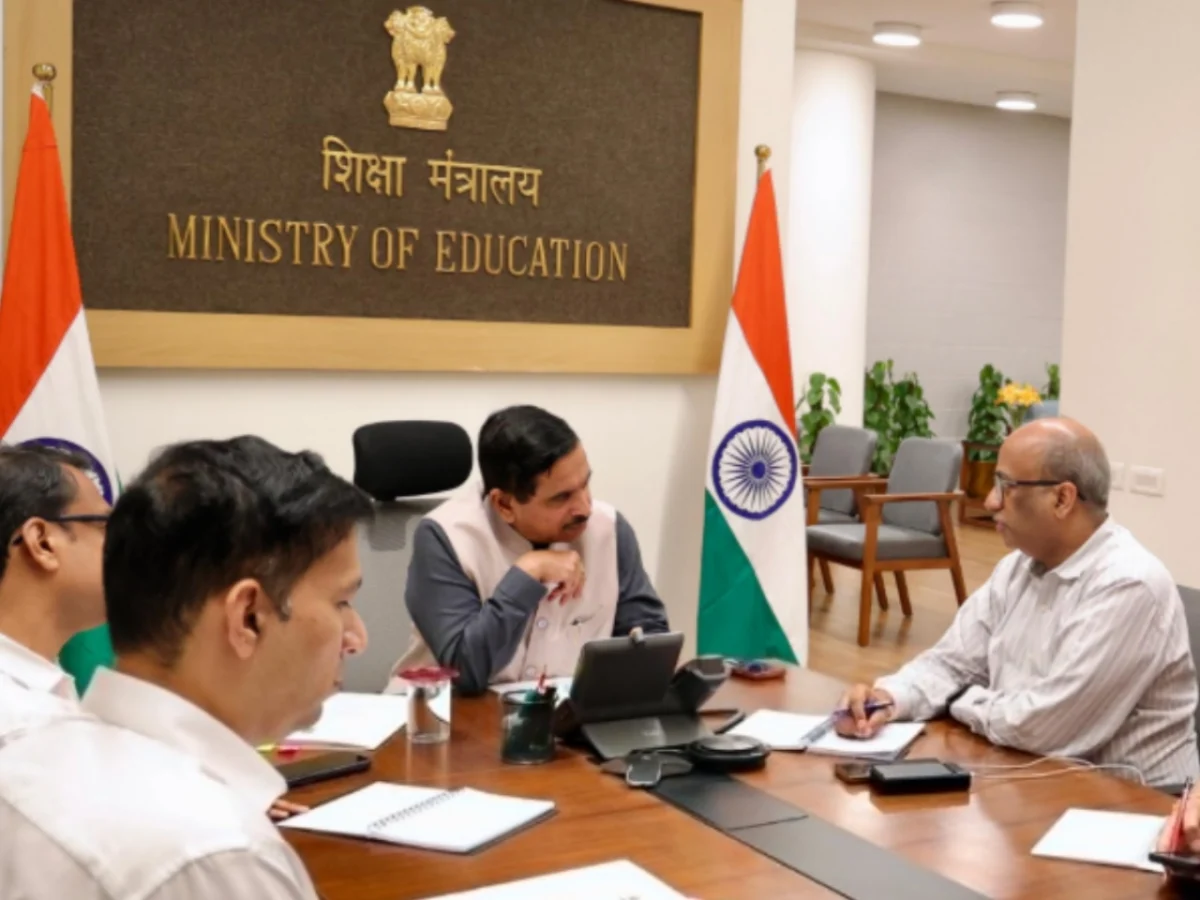
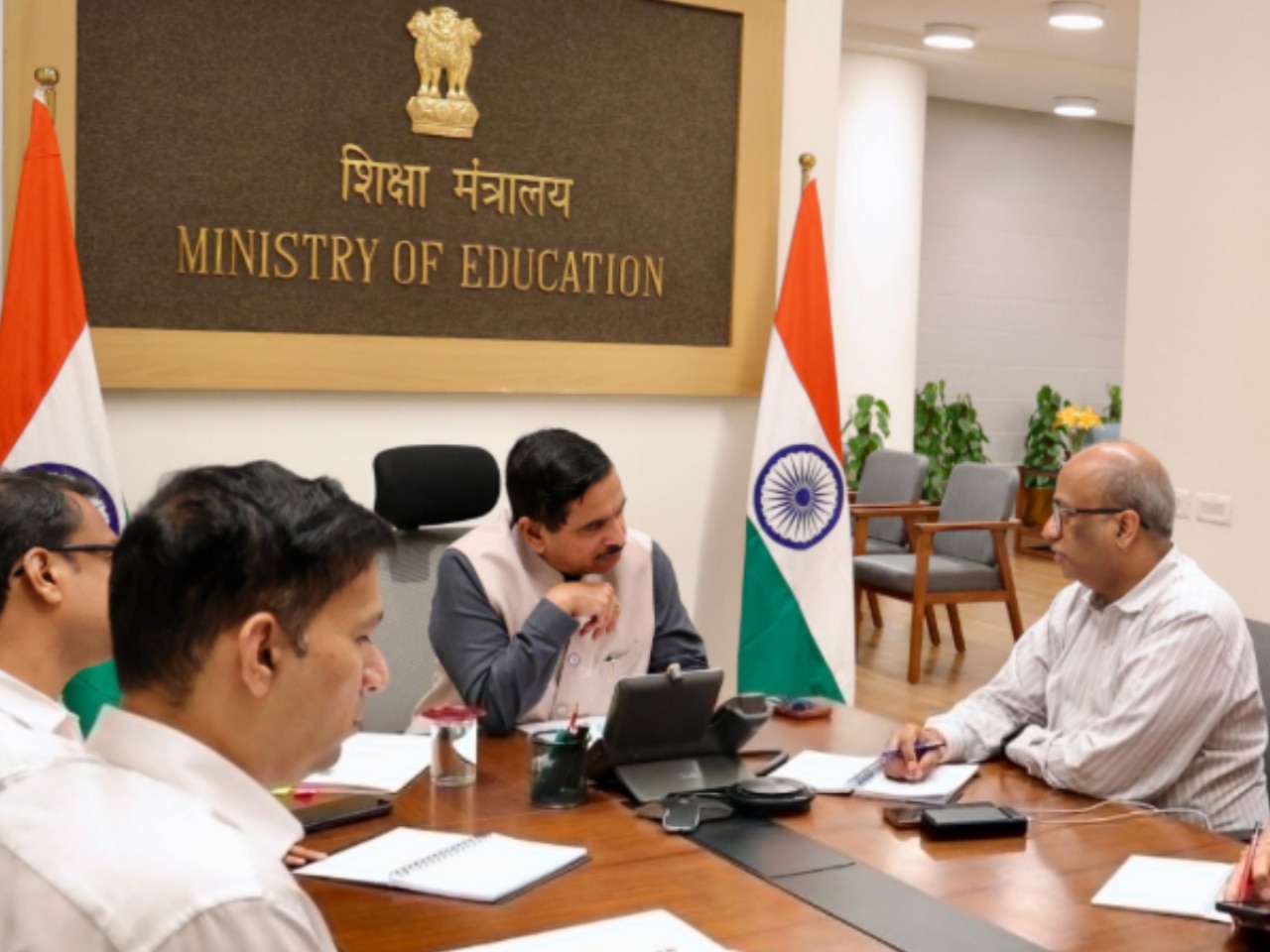
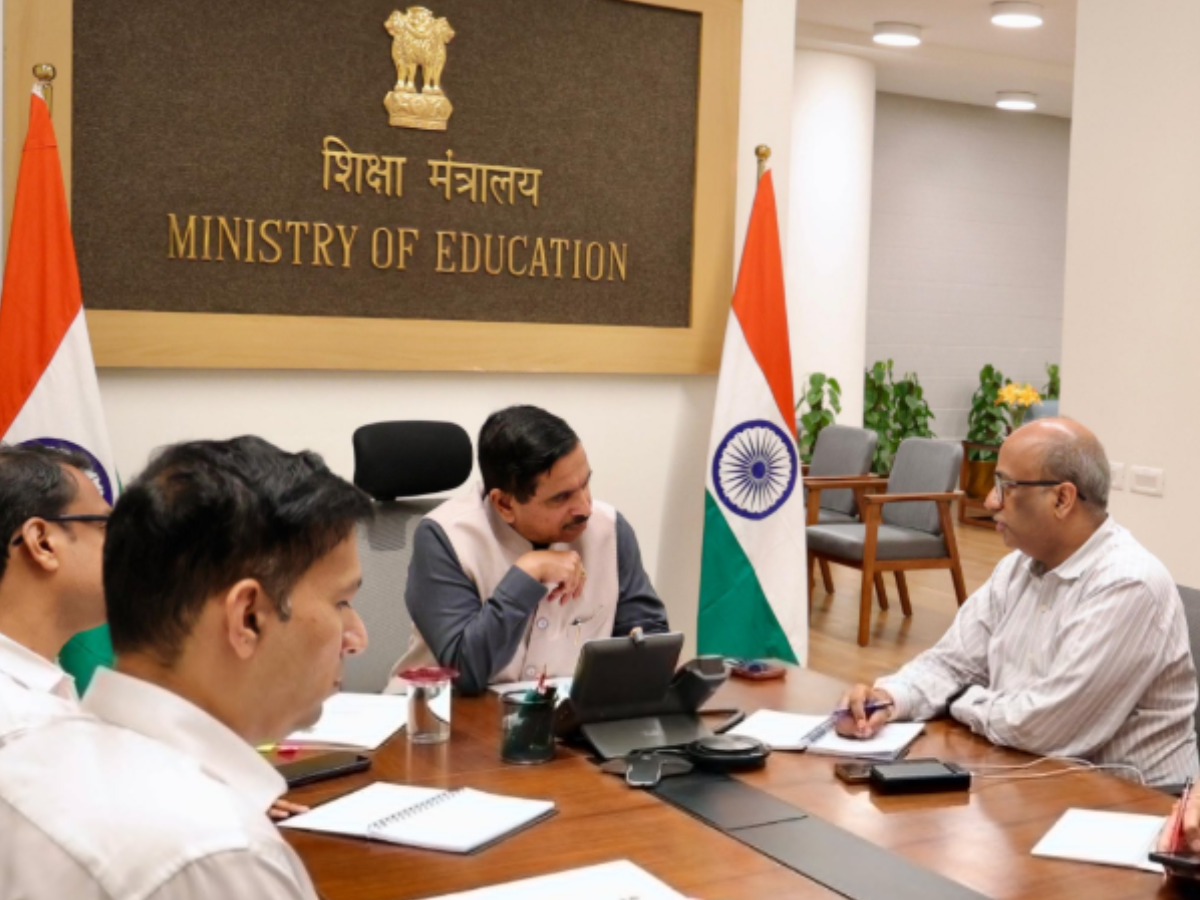
New Delhi, August 18, 2026 – In a decisive move to bolster the credibility and security of its examination processes, the National Testing Agency (NTA) is implementing a comprehensive overhaul of its operations. This significant reform initiative, spearheaded by the Ministry of Education, introduces a rigorous four-tier question paper checking system and a substantial restructuring of its expert panel, aiming to eliminate errors and fortify against potential malpractices. The directives follow a high-level review meeting with Union Education Minister Pralhad Joshi, signaling a commitment to restoring public trust in the integrity of national-level entrance and recruitment examinations.
The NTA, which conducts a multitude of high-stakes examinations including the National Eligibility cum Entrance Test (NEET) for medical admissions and the Joint Entrance Examination (JEE) for engineering, has been under intense scrutiny in recent times. Allegations of paper leaks and procedural lapses have cast a shadow over the agency’s efficiency, prompting urgent calls for reform from students, educators, and political stakeholders. The current measures are a direct response to these concerns, with a clear mandate to ensure the smooth, secure, and error-free conduct of all future examinations.
)
The Pillars of Reform: A Multi-Faceted Approach to Examination Security
The cornerstone of the NTA’s new strategy is the introduction of a four-tier question paper checking system. This meticulous process is designed to scrutinize every aspect of the examination paper, from content accuracy and question formulation to the prevention of any unintended disclosures. Each tier of this system will involve distinct checks and validations by specialized teams, significantly reducing the probability of errors or leaks. This systematic approach is expected to not only catch factual inaccuracies or ambiguities but also to identify any potential vulnerabilities that could be exploited.

Beyond the procedural enhancements, the NTA is also undertaking a significant revamp of its expert pool. In a move that underscores the seriousness with which the agency is addressing past shortcomings, approximately 600 existing experts have been removed from their roles. This substantial pruning is part of a broader strategy to onboard fresh talent and ensure that the agency is working with individuals who meet the highest standards of integrity and expertise. The NTA has stated its intention to induct 20-25 new officials over the coming two to three weeks, indicating a deliberate and strategic approach to strengthening its human resources. The recruitment and induction plan was a key agenda item in the recent review meeting, emphasizing the agency’s focus on building a robust and trustworthy team.
)
Furthermore, the NTA is preparing for a strategic relocation of its offices. This move is being executed on a "war footing," signifying the urgency and priority attached to establishing a more secure and efficient operational base. The new premises will be equipped with enhanced security infrastructure, including the deployment of Central Industrial Security Force (CISF) teams. This measure is intended to create a fortified environment, safeguarding sensitive examination materials and processes from unauthorized access.
)
A Timeline of Transformation: Responding to Crisis and Building Resilience
The recent overhaul at the NTA is not an isolated event but a culmination of escalating concerns and a strategic response to systemic challenges. The catalyst for these sweeping reforms can be traced back to persistent issues that have plagued the agency, most notably the widespread protests and public outcry following alleged paper leaks in the NEET-UG examination.
)
- Early 2026: Reports of irregularities and alleged paper leaks in various NTA-conducted examinations begin to surface, leading to growing public disquiet.
- Mid-2026: The NEET-UG examination becomes the focal point of intense public criticism and student protests. The alleged paper leak in this crucial medical entrance exam triggers widespread anger and demands for accountability.
- Late July/Early August 2026: Following the intense pressure and the gravity of the situation, Union Education Minister Dharmendra Pradhan resigns from his post. Pralhad Joshi takes charge as the new Union Education Minister.
- August 15, 2026: Minister Pralhad Joshi reiterates the government’s commitment to ensuring the integrity of examinations. He directs the NTA to conduct a thorough audit of all exam processes and submit a report on corrective actions.
- August 16, 2026: Minister Joshi emphasizes the need for a complete overhaul of the Confidential Operations (CONOPS) architecture. He directs the implementation of measures such as secluded rooms, air-gapped systems, and strict device-deposit protocols "on a war footing."
- August 18, 2026: A pivotal review meeting takes place with the Secretary in the Department of Higher Education, the NTA Director General, and other senior officials. Following this meeting, the NTA announces the introduction of a four-tier question paper checking system and the removal of approximately 600 experts. Plans for inducting new talent and relocating offices with enhanced security are also detailed.
This chronological progression highlights a responsive and determined effort by the Ministry of Education to address the deeply ingrained issues within the NTA and to proactively implement measures that will prevent future recurrence of such incidents.
)
Supporting Data and Rationale: The Imperative for Rigorous Scrutiny
The decision to implement a four-tier question paper checking system is grounded in a statistical and procedural imperative. In complex examinations involving millions of candidates, the margin for error is exceedingly small, yet the consequences of even minor lapses can be catastrophic for the academic and career trajectories of students.
)
- Error Reduction: Traditional single or double-checking mechanisms, while adequate for simpler tasks, often fall short when dealing with the sheer volume and complexity of national-level examinations. A four-tier system ensures that different sets of eyes, with varied expertise and perspectives, scrutinize the paper. This can help catch:
- Content Errors: Factual inaccuracies, miscalculations, or outdated information.
- Ambiguities in Language: Questions that can be interpreted in multiple ways, leading to confusion among students.
- Typographical Errors: Simple mistakes that can alter the meaning of a question or an answer option.
- Bias: Unintended bias in questions or scenarios presented.
- Security Enhancement: The multi-layered checking process also serves as a significant security deterrent. Each tier can incorporate specific security protocols, such as:
- Digital Signatures and Encryption: Ensuring the integrity of digital copies at each stage.
- Access Control: Limiting access to specific question sets or sections to designated personnel at each tier.
- Auditable Trails: Maintaining detailed records of who accessed, reviewed, and approved each part of the paper, allowing for easy traceability in case of any suspicion.
- Expertise Diversity: The removal of 600 experts and the subsequent onboarding of new talent is based on the principle of bringing in contemporary expertise and ensuring a fresh perspective. The NTA aims to onboard individuals with proven track records in educational assessment, subject matter expertise, and a deep understanding of modern examination security protocols. The agency’s plan to induct 20-25 officials over the next few weeks suggests a targeted recruitment strategy to fill specific skill gaps.
The move to a more robust CONOPS architecture, including secluded rooms, air-gapped systems, and device-deposit protocols, is a direct response to the vulnerabilities that have been exploited in the past. Air-gapped systems, for instance, are designed to be physically isolated from external networks, making them immune to remote hacking attempts. Strict device-deposit protocols ensure that no unauthorized electronic devices can be brought into sensitive areas where examination papers are handled.
)
Official Responses and Ministerial Directives: A Firm Stance on Accountability
The pronouncements from the Ministry of Education and the NTA leadership underscore a firm commitment to rectifying past mistakes and establishing a new paradigm for examination conduct.
)
Union Education Minister Pralhad Joshi has been unequivocal in his directives. In a post on X (formerly Twitter), the Ministry of Education stated: "As a follow up meeting on NTA, Union Education Minister Shri @JoshiPralhad directed that all necessary security and related infrastructural facilities should be put in place for the smooth conduct of examinations." This statement highlights the minister’s proactive engagement and his insistence on comprehensive security measures.
)
The Director General of the NTA, in his briefing to the minister, confirmed the agency’s proactive stance. "The agency has undertaken a revamp of its examination team," he stated, outlining the removal of 600 experts and the ongoing process of onboarding new talent. This demonstrates a willingness to take decisive action to strengthen the NTA’s human capital.
)
Furthermore, the minister’s earlier directive regarding the "Complete overhaul of Confidential Operations (CONOPS) architecture" and the implementation of "secluded rooms, air-gapped systems, and device-deposit protocols on a war footing" signifies a top-down commitment to addressing the structural weaknesses in the system. The instruction for the NTA to "conduct a thorough audit of all exam processes and submit a report on corrective action taken" underscores a demand for transparency and accountability.
)
These official responses collectively convey a message of unwavering determination to ensure that the NTA operates with the highest levels of integrity, security, and efficiency. The emphasis on "war footing" and "necessary security and related infrastructural facilities" indicates that these reforms are not merely cosmetic but are being pursued with a sense of urgency and strategic importance.
)
Implications for the Future: Rebuilding Trust and Ensuring Fair Play
The far-reaching reforms being undertaken by the NTA carry significant implications for the future of examinations in India and for the aspirations of millions of students.
)
- Restored Public Trust: The most crucial implication is the potential to restore public trust in the NTA and the examinations it conducts. By demonstrating a tangible commitment to security and integrity, the agency can begin to assuage the fears and anxieties of students and their families.
- Reduced Discrepancies and Disruptions: The four-tier checking system and improved CONOPS are expected to significantly reduce the incidence of errors and malpractices. This will lead to smoother examination processes, minimizing disruptions that have often plagued candidates in the past.
- Enhanced Credibility of Results: With a more robust and secure examination system, the credibility of the results declared by the NTA will be significantly enhanced. This is vital for ensuring that deserving candidates are recognized and that the merit-based selection process remains intact.
- Attracting Top Talent: A secure and fair examination system is essential for attracting the best talent into higher education and prestigious professions. The reforms aim to create a level playing field where every student has an equal opportunity to showcase their knowledge and abilities.
- Setting a Precedent: The comprehensive nature of these reforms could set a precedent for other examination bodies in India, encouraging them to adopt similar stringent measures to safeguard the integrity of their processes.
- Long-Term Sustainability: While the immediate focus is on addressing current issues, these reforms are designed to create a sustainable framework for examination conduct. The continuous onboarding of new experts and the strategic relocation of offices suggest a forward-looking approach that prioritizes long-term resilience and adaptability.
In conclusion, the National Testing Agency’s ambitious reform agenda, marked by a rigorous four-tier question paper scrutiny and a significant overhaul of its expert panel, represents a pivotal moment in its operational history. These measures, driven by a clear mandate from the Ministry of Education, are not just about rectifying past lapses but about fundamentally reshaping the landscape of national examinations to ensure fairness, security, and credibility for generations of students to come. The successful implementation of these reforms will be closely watched, as it holds the key to rebuilding trust and upholding the sanctity of the academic and professional aspirations of India’s youth.
