

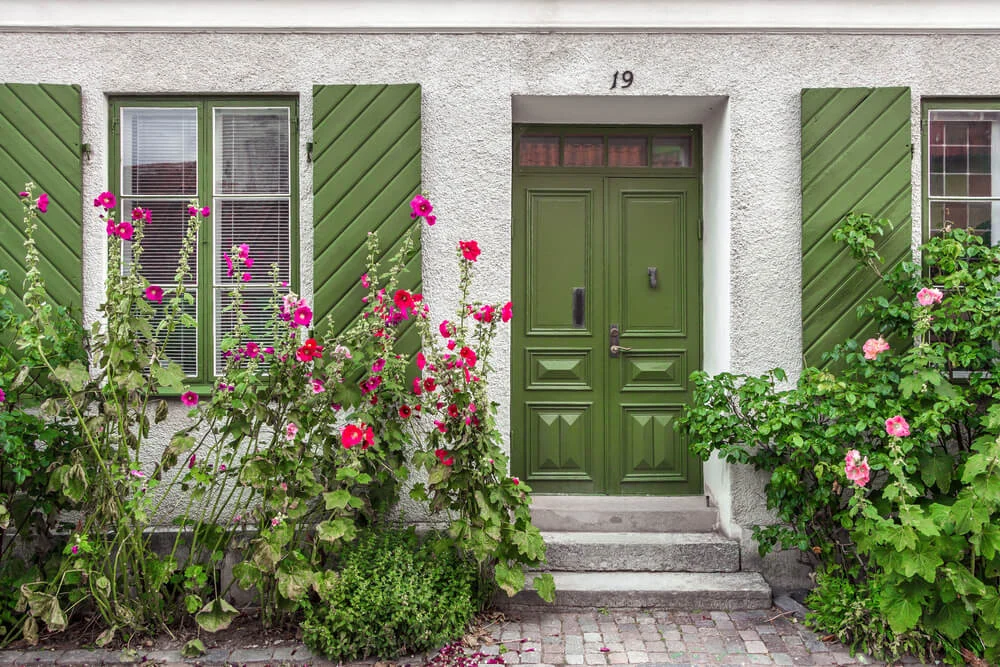
In the contemporary real estate market, the search for the perfect home is no longer dictated solely by square footage, price-per-square-foot, or proximity to transit hubs. For a significant demographic of homebuyers, a hidden metric carries equal weight: Vastu Shastra. A common anecdote among real estate agents involves buyers who spend weeks vetting a property’s legalities and amenities, only to walk away at the final hour because a relative mentioned the "entrance faces the wrong way."
This guide serves as a definitive resource for understanding Vastu Shastra within the constraints of modern apartment living, moving beyond superstition to explore the spatial logic and psychological benefits of this ancient Indian architectural science.
1. Main Facts: Understanding Vastu in the Context of Apartment Living
Vastu Shastra, translated literally as the "science of architecture," is a traditional Indian system of design based on directional alignments. It posits that the layout, design, and spatial geometry of a building can influence the flow of Prana (energy), thereby affecting the health, prosperity, and happiness of its inhabitants.
While Vastu was originally conceptualized for independent structures where the owner had control over the plot, soil, and entire building envelope, the rise of urbanization has necessitated a paradigm shift. In a multi-storey flat, you are confined within four walls designed by a developer. Consequently, Vastu for flats is less about structural overhaul and more about "spatial optimization."
The Core Pillars of Flat Vastu:
- Directional Alignment: The orientation of the main entrance and the placement of rooms relative to the cardinal points (North, South, East, West).
- The Five Elements (Pancha Bhootas): Balancing Earth, Water, Fire, Air, and Space within the home.
- Functional Zoning: Assigning specific activities (cooking, sleeping, praying) to zones that correspond with the sun’s path and magnetic fields.
2. Chronology: From Temple Architecture to the 21st-Century High-Rise
To understand why Vastu remains relevant, one must look at its historical evolution.
- Ancient Origins (c. 3000 BCE – 6th Century CE): Vastu Shastra emerged from the Vedic period, documented in texts like the Mayamata and Mansara. It was used primarily for temple construction and town planning, ensuring that sacred spaces were aligned with cosmic rhythms.
- The Era of Independent Dwellings (Pre-1990s): For centuries, Vastu was applied to the Vastu Purusha Mandala—a metaphysical planning grid. Homeowners built on their own land, allowing for strict adherence to "Brahmasthans" (open central courtyards) and specific well placements.
- The Urban Shift (1990s – 2010s): As India’s urban population exploded, the "flat culture" took over. Vastu faced a crisis of relevance. Skeptics dismissed it as incompatible with high-rise living, while traditionalists struggled to apply old rules to shared walls and common plumbing stacks.
- The Modern Synthesis (2010s – Present): Today, Vastu has undergone a "practical reformation." Modern practitioners focus on "remedial Vastu"—using colors, mirrors, and furniture placement to correct structural "doshas" (defects) without requiring demolition. It is now a multi-billion dollar influence on the Indian real estate industry.
3. Supporting Data: The Directional Breakdown and Spatial Logic
Data from Vastu practitioners and environmental psychologists suggest that directional preferences are often rooted in the movement of the sun and the impact of light on human circadian rhythms.
The Hierarchy of Directions
- North-East (Ishan): Widely regarded as the most auspicious zone. In the northern hemisphere, this corner receives the first, mild rays of the morning sun, which are rich in UV light and have disinfectant properties. It is the ideal location for a pooja (prayer) room.
- North: Ruled by Kuber (the deity of wealth), this direction is associated with financial growth. Architecturally, North-facing windows provide consistent, indirect light throughout the day, making it a "stable" energy zone.
- East: Associated with the rising sun, East-facing flats are highly coveted for their ability to flood the home with early morning light, which boosts serotonin and sets a positive tone for the day.
- South-West (Nairutya): Traditionally the "heavy" corner. It is the recommended spot for the master bedroom. By placing the heaviest furniture here, one creates a sense of stability.
- South-East (Agni): The fire quadrant. This is the scientifically logical place for a kitchen, as the morning sun helps in keeping the cooking area dry and hygienic.
The Vastu Compliance Checklist
In a journalistic survey of "Vastu-compliant" properties, the following five criteria are most frequently used to determine a flat’s "health":
- The Entrance: Ideally in the North, East, or North-East.
- The Kitchen: Situated in the South-East; the cook should face East.
- The Master Bedroom: Located in the South-West to ensure "groundedness."
- The North-East Corner: Must be kept light, clean, and ideally free of toilets or heavy storage.
- The Center (Brahmasthan): Should be as open as possible to allow energy to circulate.
4. Official Responses: The Architectural and Expert Perspective
The real estate industry has had to adapt to the demand for Vastu. Leading architects and developers now often consult Vastu experts during the design phase of a project.
The Developer’s View:
Many tier-1 developers in India now advertise "Vastu-compliant" layouts as a premium feature. According to industry insiders, a flat that is 100% Vastu-compliant can command a 5-10% price premium and sells significantly faster than those with "defects," such as a South-West facing entrance.
The Architect’s Reconciliation:
Modern architects often view Vastu through the lens of "Biophilic Design." "Vastu is essentially an ancient form of sustainable design," says a Mumbai-based architect. "When we talk about avoiding a kitchen in the North-East, we are talking about preventing heat and smoke from interfering with the coolest, most serene part of the house. It’s practical environmental management."
The Vastu Consultant’s Stance:
Experts emphasize that 100% compliance is nearly impossible in a modern apartment. "We look for the ‘Golden 80%’," says a senior Vastu consultant. "If the entrance and the kitchen are correctly placed, most other issues can be mitigated with symbolic remedies like sea salt, specific lighting, or color therapy."
5. Implications: Why Vastu Matters in the Modern Market
The implications of Vastu Shastra extend beyond personal belief into the realms of economics and mental well-being.
Economic Implications
For many, a home is the largest investment of their life. Buyers are wary of purchasing a flat with major Vastu defects because it may affect the resale value. A property that is perceived as "unlucky" or "misaligned" faces a smaller pool of potential buyers in the future, making it a riskier asset.
Psychological and "Placebo" Effects
There is a significant psychological component to Vastu. Living in a space that one believes is harmonized with the universe provides a sense of security and "ontological comfort." Conversely, living in a space perceived as "wrong" can lead to low-level chronic stress. Vastu provides a framework for order in an often chaotic urban environment.
The Rise of Remedial Vastu
Since structural changes are impossible in flats, a new industry of "Vastu Remediation" has flourished. This includes:
- Color Therapy: Using lemon yellow in the North-East to mimic sunlight or green in the North to represent growth.
- Mirror Placement: Using mirrors to "expand" a missing corner or reflect energy away from a bathroom.
- Elemental Balancing: Placing a small indoor fountain in the North-East to introduce the water element or using heavy crystals in the South-West to simulate the earth element.
6. Practical Room-by-Room Breakdown for Flat Owners
For those currently living in or looking to buy an apartment, here is the granular application of Vastu principles:
The Main Entrance: The "Mouth" of the Home
In a flat, the entrance is where the energy of the corridor meets the energy of the private residence.
- Do: Keep the area well-lit. Use a wooden nameplate and a threshold to "filter" energy.
- Avoid: Placing a shoe rack directly in front of the door or having a mirror face the entrance (as it reflects the entering energy back out).
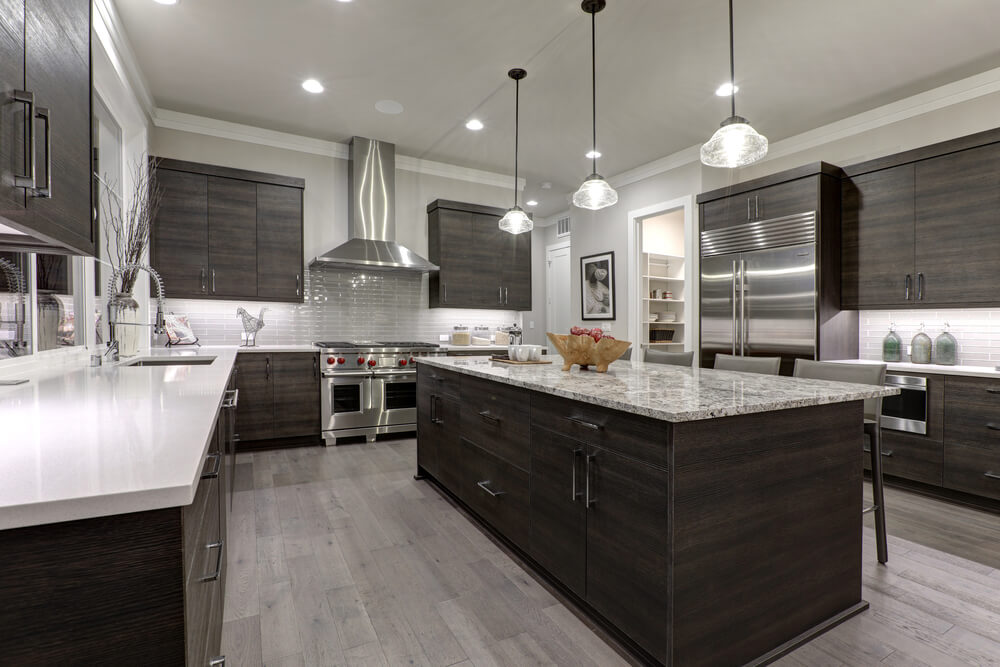
The Kitchen: The Fire Zone
The kitchen is the heart of the home’s health.
- Placement: South-East is best. If the kitchen is in the North-West, ensure the cook still faces East.
- Logic: Facing East while cooking allows the person to receive the beneficial morning sun rays, improving mood and food hygiene.
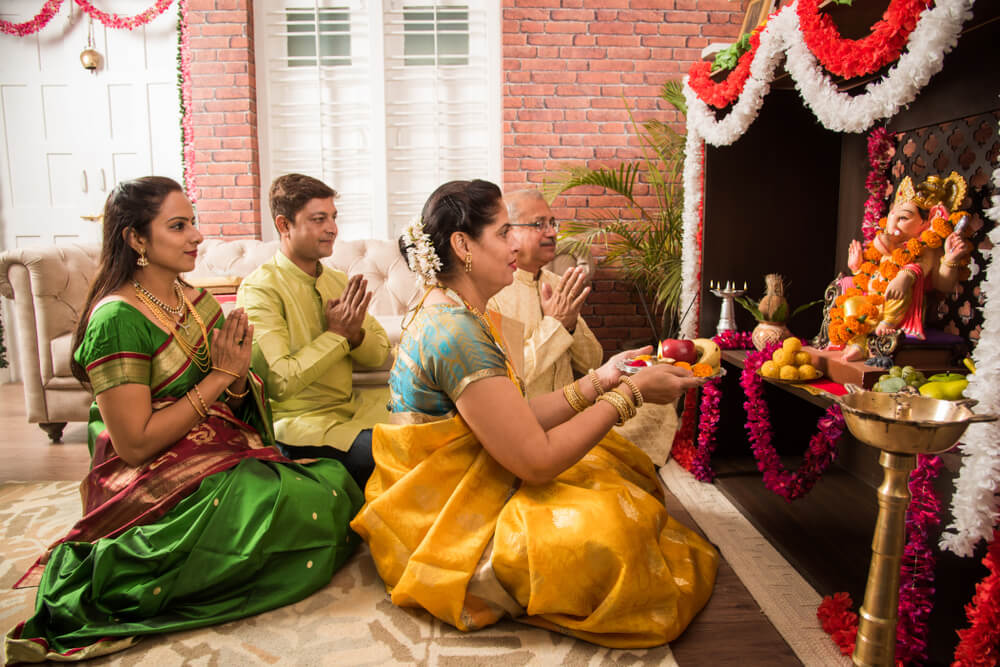
The Pooja Room: The Spiritual Anchor
Even in a small 1BHK, a dedicated space for meditation or prayer is recommended.
- Placement: The North-East corner.
- Guidance: Do not place the pooja room against a bathroom wall or under a staircase (or a heavy beam).
The Bedroom: The Restorative Zone
- Placement: South-West for the head of the family; North-West for guests or children.
- Rule: Never sleep with your head pointing North, as the Earth’s magnetic pull can interfere with blood circulation and sleep quality.
7. Conclusion: Balancing Tradition with Reality
Vastu Shastra for flats is not a rigid set of dogmatic rules, but a flexible system of spatial harmony. In the high-density living conditions of the 21st century, it offers a way to reconnect with natural rhythms that are often lost in concrete jungles.
The professional journalistic consensus is that while Vastu should not be a source of anxiety or a reason to reject an otherwise perfect home, it serves as an excellent secondary checklist. By focusing on the "big wins"—entrance orientation, kitchen placement, and clutter-free zones—modern flat owners can create a living environment that feels balanced, intentional, and peaceful.
As the real estate market continues to evolve, the integration of Vastu with modern architecture is likely to deepen, moving toward a future where "smart homes" are not just technologically advanced, but also energetically aligned.
Frequently Asked Questions (Summary)
- Is Vastu relevant for high-rises? Yes, though it focuses more on internal placement and remedies than structural orientation.
- Can defects be fixed without renovation? Most "flat-level" defects can be mitigated using mirrors, colors, and strategic furniture placement.
- What is the "worst" direction? There is no "worst" direction, but South-West entrances generally require the most corrective measures to ensure stability and peace.
