

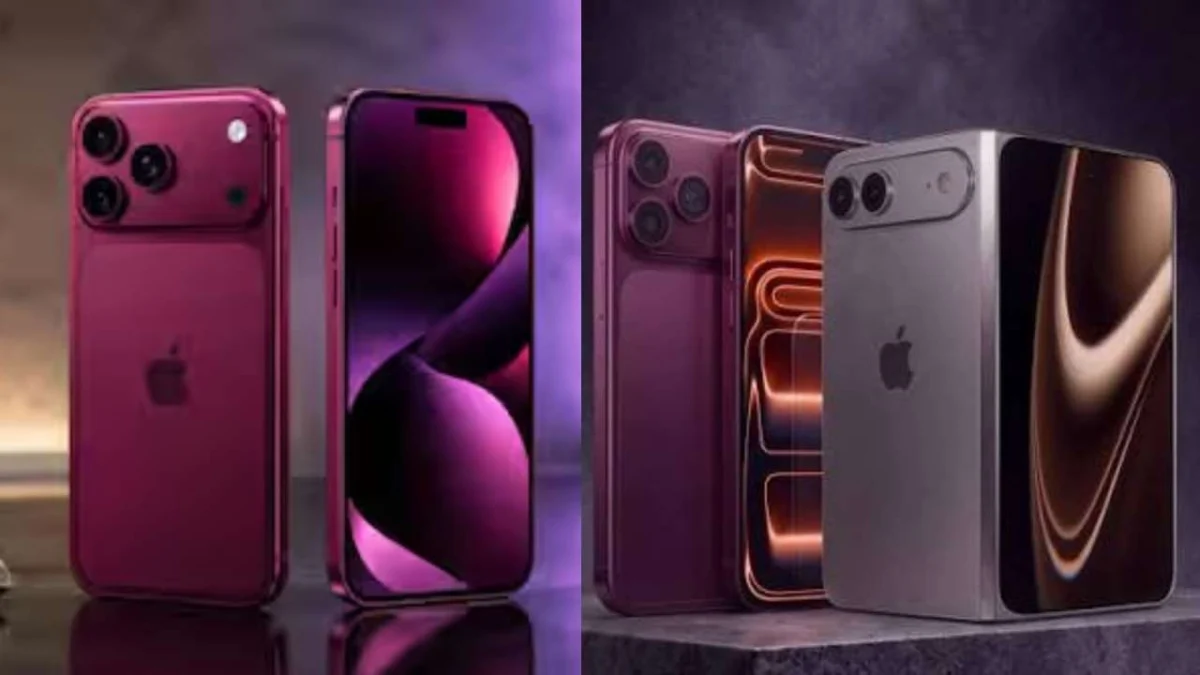
Cupertino, California – August 18, 2026 – The technology world is abuzz with anticipation as Apple Inc. is reportedly gearing up for one of its most significant product launches in recent memory. Industry sources and prominent leakers suggest that the Cupertino giant will unveil its next generation of flagship smartphones, the iPhone 18 Pro and iPhone 18 Pro Max, on September 9, 2026. More notably, the event is expected to mark Apple’s long-awaited foray into the foldable smartphone market with the introduction of its first flexible device, potentially dubbed the "iPhone Ultra."
Pre-orders for these groundbreaking devices are projected to commence just two days later, on Friday, September 11, 2026, aligning with Apple’s established retail cadence. This launch event, if reports hold true, signifies a pivotal moment for Apple, potentially reshaping the premium smartphone landscape and ushering in a new era of innovation for the iPhone lineup. While the standard iPhone 18 and iPhone 18 Plus models are anticipated to follow later in the year, all eyes will undoubtedly be on the Pro series and the revolutionary foldable entrant.
Main Facts: A Glimpse into Apple’s Ambitious Future
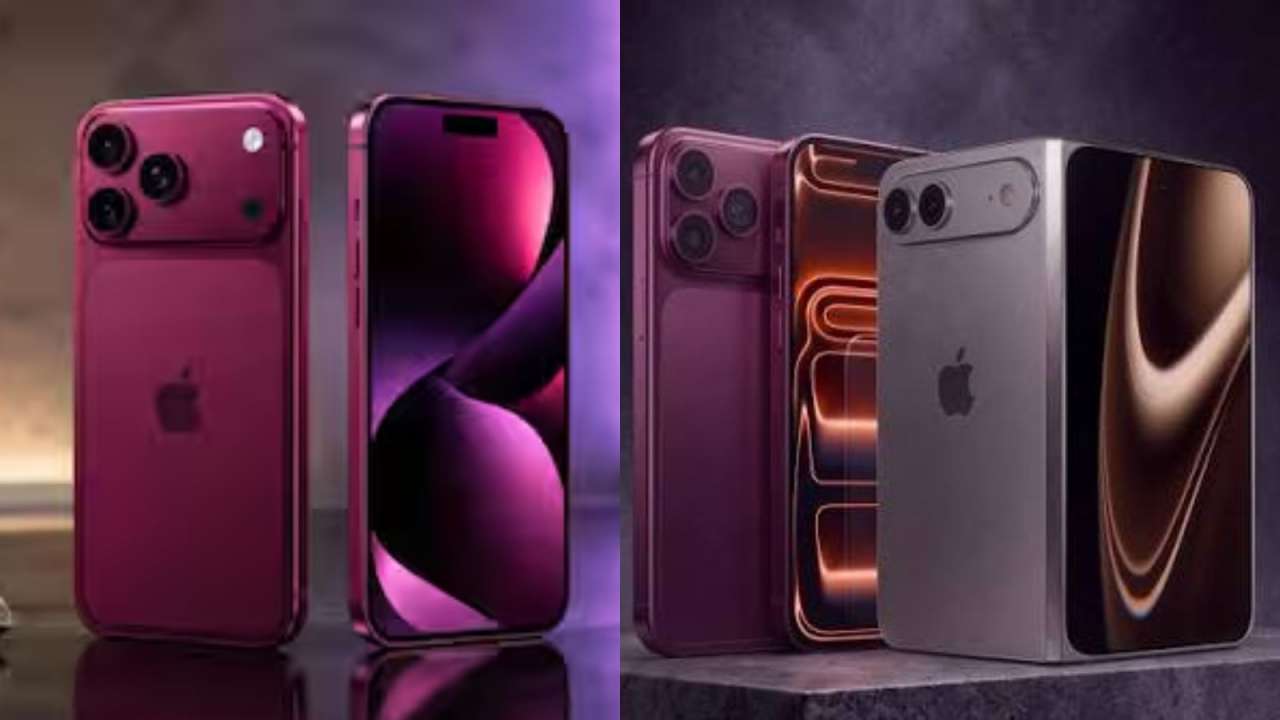
The core of the unfolding narrative revolves around a meticulously planned event in early September 2026, where Apple is expected to deliver a keynote that will resonate throughout the global technology sector. At its heart are three primary product introductions:
- iPhone 18 Pro: The latest iteration of Apple’s high-performance flagship, packed with advanced processing power, camera capabilities, and display technology.
- iPhone 18 Pro Max: The larger, top-tier variant of the Pro series, offering an expansive screen and potentially enhanced battery life and photographic prowess.
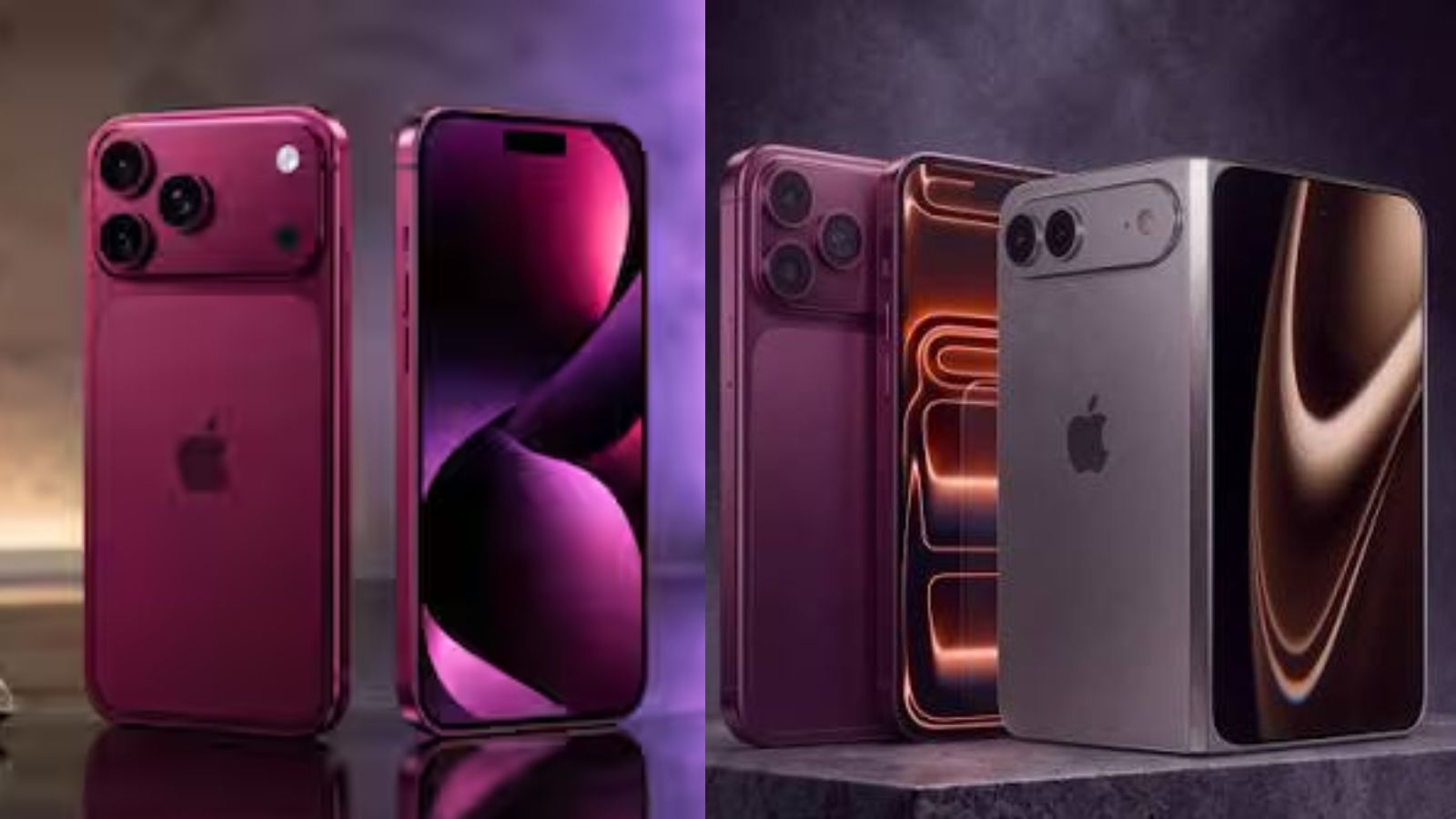
- First Foldable iPhone (Expected "iPhone Ultra"): This device represents Apple’s long-rumored and highly anticipated entry into the foldable smartphone segment. Its launch would be a monumental step, pitting Apple directly against established players like Samsung and Google in this cutting-edge category. The "Ultra" moniker suggests a premium, boundary-pushing device, perhaps mirroring the Apple Watch Ultra’s position as a top-tier, rugged offering.
The confirmed launch date, widely reported as September 9, 2026, has been corroborated by reputable sources, including Bloomberg’s Mark Gurman, known for his accurate predictions regarding Apple’s future plans. Following the presentation, consumers are expected to be able to pre-order the new Pro models and the foldable device on September 11, 2026, with initial shipments and in-store availability likely commencing a week later.
)
Powering these new devices will be iOS 27, the latest iteration of Apple’s mobile operating system, which was previewed at WWDC 2026. This software release is crucial, as it is expected to bring significant enhancements, particularly optimized for the unique form factor of the foldable iPhone, alongside general improvements in AI integration, user interface, and performance across the entire iPhone 18 lineup. The combination of cutting-edge hardware and a tailored software experience underscores Apple’s strategic approach to maintaining its leadership in the premium smartphone market while venturing into new territories.
Chronology of Anticipation: The Road to September 2026
The lead-up to any Apple product launch is characterized by a unique blend of speculation, leaks, and controlled information dissemination, and the September 2026 event is no exception. This particular cycle, however, carries additional weight due to the potential debut of a foldable iPhone, a product that has been the subject of rumors for nearly half a decade.

The Build-up to September 2026
Apple’s annual product cycle typically involves a major software reveal at the Worldwide Developers Conference (WWDC) in June, followed by hardware announcements in September. For years, analysts and enthusiasts have tracked patents and supply chain whispers hinting at Apple’s exploration of flexible display technologies. The concept of an "iPhone Fold" or "iPhone Flip" has been a recurring theme, often dismissed as too distant or too complex for Apple’s perfectionist ethos. However, as the foldable market matured with devices from Samsung, Huawei, and Google demonstrating increasing viability and consumer acceptance, the question shifted from "if" to "when" Apple would enter.
The specific mention of September 9, 2026, as the event date is a culmination of various leaks, often originating from supply chain partners, case manufacturers, and internal sources close to Apple’s development pipeline. These whispers gain credibility when corroborated by established Apple journalists like Mark Gurman, whose track record lends significant weight to such reports. The timing fits Apple’s historical pattern of Tuesday or Wednesday events in the second week of September, post-Labor Day in the U.S.
)
The September 9th Event: A Deep Dive
If the September 9th date holds, it will be a meticulously choreographed event, likely held at the Steve Jobs Theater at Apple Park, or potentially a virtual event streamed globally, depending on the prevailing circumstances. Apple’s keynotes are renowned for their polish, design-centric presentations, and carefully crafted narratives. CEO Tim Cook, alongside senior vice presidents, will undoubtedly showcase the design philosophy, engineering marvels, and software innovations behind the new devices.
For the iPhone 18 Pro and Pro Max, the focus will be on iterative yet significant improvements—advancements in the A20 Bionic chip’s neural engine, camera sensor technology, and perhaps display enhancements like even higher refresh rates or under-display components. However, the true showstopper will be the foldable iPhone. The presentation will need to address not only its innovative form factor but also its durability, software optimizations for multitasking, and how it seamlessly integrates into the broader Apple ecosystem. Expect compelling demonstrations of its unique capabilities, perhaps a new class of applications, and a strong emphasis on its premium positioning.
)
Pre-Order Dynamics: The Friday Rush
Apple’s strategy of opening pre-orders just two days after the announcement has become a highly anticipated ritual. For September 9, 2026, this translates to Friday, September 11, 2026. This immediate availability allows Apple to capitalize on the initial hype generated by the keynote. Consumers, particularly those eager to be early adopters of the foldable iPhone or secure the latest Pro models, will likely flood online stores and carrier websites.
The pre-order phase is crucial for gauging initial demand and managing inventory. For the foldable iPhone, which is expected to command a significantly higher price point and potentially have more complex manufacturing, the pre-order window will offer insights into market readiness for such a premium device from Apple. The "Friday rush" often sees websites strain under demand, underscoring the fervent loyalty of Apple’s customer base.
)
The Subsequent Rollout
While the Pro models and the foldable device take center stage in September, the article notes that the standard iPhone 18 and iPhone 18 Plus are "anticipated for release later this year." This staggered release strategy is not new for Apple; it allows the company to focus marketing efforts on its high-margin premium devices first, catering to enthusiasts and professional users, before broadening its appeal to a wider consumer base with more accessible models.
Following the initial pre-order and launch in key markets, Apple will systematically roll out the new iPhones globally. Pricing, storage configurations, and specific availability dates for regions like India, Europe, and Asia will be detailed during the event. The global distribution network, a logistical marvel, will ensure that millions of devices reach customers worldwide within weeks of the initial launch.
)
Supporting Data and Industry Context: The Innovation Landscape
Apple’s reported 2026 lineup isn’t merely an incremental update; it’s a strategic move within a dynamic and competitive technology landscape. The decision to introduce a foldable iPhone, in particular, speaks volumes about market trends and Apple’s long-term vision.
The Foldable Frontier: Apple’s Late Entry, Definitive Impact
Apple’s entry into the foldable market, while seemingly late, is characteristic of its strategy: observe, refine, then redefine. Companies like Samsung have been iterating on foldable technology since 2019, with devices like the Galaxy Fold and Z Flip series, while Google has introduced its Pixel Fold. Huawei, Xiaomi, and Motorola have also contributed to this evolving segment. Apple’s delay likely stems from its commitment to delivering a polished, durable, and user-friendly experience from day one, rather than rushing a product to market.
)
Speculation around the "iPhone Ultra" points to several potential features. The form factor remains a hot topic: will it be a clamshell design akin to the Galaxy Z Flip, prioritizing pocketability, or a book-style design like the Galaxy Z Fold, offering a tablet-like experience when unfolded? Patents filed by Apple suggest both hinge mechanisms and display technologies are being explored. Key areas of focus for Apple would undoubtedly be the hinge’s durability and seamlessness, the crease visibility on the flexible display, and the overall industrial design. Apple’s prowess in custom silicon (A-series chips) and software optimization (iOS 27) will be critical in making the foldable experience intuitive and powerful, potentially setting new benchmarks for the category. Its launch will not only legitimize the foldable segment further but also intensify competition, pushing rivals to innovate even faster.
The Pro Models: Iterative Refinements and Performance Leaps
While the foldable iPhone grabs headlines, the iPhone 18 Pro and Pro Max will continue Apple’s tradition of pushing the boundaries of conventional smartphone technology. These models are expected to house the new A20 Bionic chip, promising significant leaps in CPU, GPU, and Neural Engine performance. This will translate to faster app launches, smoother gaming, and more powerful on-device AI capabilities, crucial for the advanced features anticipated in iOS 27.
)
Camera systems will undoubtedly see major upgrades. Expect larger sensors, improved low-light performance, and potentially a next-generation periscope lens for enhanced optical zoom, previously seen in Android flagships. Computational photography, a strong suit for Apple, will likely be further refined with new algorithms for image processing, video stabilization, and perhaps novel photographic modes.
Display technology, already a strong point for Apple, could see improvements in brightness, color accuracy, and efficiency. ProMotion (adaptive refresh rates) will be standard, and rumors persist about Apple’s progress towards under-display Face ID and potentially even an under-display front camera, which would eliminate the Dynamic Island or notch, offering a truly edge-to-edge viewing experience. Battery life, a perennial concern, will likely see improvements through more efficient components and software optimizations. Material science could also play a role, with continued use of aerospace-grade titanium or new finishes to enhance durability and aesthetics.
)
iOS 27: The Software Foundation for a New Era
The operating system, iOS 27, will be the backbone of the new iPhone experience. Unveiled at WWDC 2026, it is expected to be a major release, particularly in its adaptability to new form factors. For the foldable iPhone, iOS 27 will introduce specialized multitasking features, optimized app layouts for both folded and unfolded states, and perhaps unique gesture controls. Apple’s ecosystem integration, a key strength, will be leveraged to ensure seamless continuity across iPhone, iPad, Mac, and Apple Watch, even with the new foldable form factor.
Beyond foldables, iOS 27 will likely deepen Apple’s commitment to artificial intelligence and machine learning. Expect more intelligent Siri capabilities, personalized user experiences, enhanced privacy features, and potential advancements in augmented reality. The public beta for iOS 27, released post-WWDC, allows developers and enthusiasts to test new features, though Apple always cautions against installing beta software on primary devices due to potential stability issues. The final, stable version will be pre-installed on the iPhone 18 Pro devices and released to existing compatible iPhones shortly after the September event.
)
Market Trends and Consumer Expectations
The smartphone market in 2026 is characterized by maturity and increasing saturation. Consumers are holding onto their devices longer, and innovation fatigue can sometimes set in. In this environment, Apple’s strategy is to offer compelling reasons to upgrade. The foldable iPhone is precisely that – a radical new form factor that promises genuine innovation and a differentiated user experience. It targets the high-end market segment willing to pay a premium for cutting-edge technology.
The iPhone 18 Pro models, while more conventional, will cater to a massive installed base of users seeking performance upgrades, camera enhancements, and the latest software. Apple’s consistent brand loyalty, robust ecosystem, and premium positioning allow it to command strong sales even in a challenging market. The success of this launch will depend on Apple’s ability to clearly articulate the value proposition of both the Pro models and, crucially, the "iPhone Ultra" foldable, convincing consumers that the innovation justifies the likely significant investment.
)
Official Responses and Speculative Insights: The Apple Mystique
Apple’s communication strategy is famously tight-lipped, especially concerning unreleased products. This deliberate silence, however, only amplifies the weight of reputable leaks and analyst insights.
Apple’s Customary Silence
True to form, Apple has not, and will not, comment on these reports. This customary silence is a cornerstone of Apple’s marketing strategy. It allows the company to control the narrative entirely during its official keynote, maximizing impact and preventing premature disclosures from diluting the excitement. The absence of official confirmation also serves to build suspense, fueling endless speculation and keeping Apple at the forefront of tech discussions globally. The formal invitations, typically sent out about two weeks before the event, will be the first official confirmation of the date and, implicitly, the highly anticipated product launches.
)
Analyst Projections and Supply Chain Whispers
The precision of the September 9th date and the details about the foldable iPhone largely stem from the work of prominent analysts and journalists with deep connections within Apple’s vast supply chain. Mark Gurman of Bloomberg is frequently cited for his accuracy, often leveraging sources within Apple’s internal operations and manufacturing partners. Other financial analysts closely monitor component orders, production ramp-ups, and shipping manifests, which often provide early indicators of Apple’s product plans.
The complexity of manufacturing a foldable device means that components, from flexible displays to specialized hinges, must be ordered and produced months, if not a year, in advance. These intricate supply chain movements inevitably lead to leaks. The "iPhone Ultra" name, while not officially confirmed, is a logical progression given Apple’s use of "Ultra" for its top-tier Apple Watch and its most powerful Mac processors, signifying a premium, performance-oriented product. These insights, while speculative until the official announcement, collectively paint a compelling picture of what’s to come.
)
Implications and Future Outlook: Reshaping the Landscape
The launch of the iPhone 18 Pro, Pro Max, and especially the first foldable iPhone, carries profound implications for Apple, its competitors, and the broader technology industry.
Impact on Apple’s Ecosystem
The introduction of a foldable iPhone could inject significant new energy into Apple’s already robust ecosystem. It offers a fresh incentive for upgrades, potentially attracting new users who have been holding out for an Apple-branded foldable. The unique form factor could also spur a new wave of app development, as developers explore innovative ways to utilize the larger, flexible screen real estate and dual-screen capabilities. This could lead to richer productivity tools, more immersive gaming experiences, and entirely new categories of applications, further cementing the value of the App Store. The foldable iPhone would also strengthen Apple’s market leadership in the ultra-premium segment, offering a halo product that showcases its engineering prowess and design innovation. Seamless integration with other Apple devices – iPads, Macs, and Apple Watches – would remain a core tenet, ensuring a cohesive and powerful user experience across all form factors.
)
Competitive Landscape Reshaped
Apple’s entry into the foldable market will undoubtedly send ripples through the competitive landscape. As the world’s most valuable technology company and a trendsetter, Apple’s endorsement of the foldable form factor will legitimize and accelerate its adoption across the industry. This will place immense pressure on rivals like Samsung, Google, and others to innovate even further in their foldable offerings, perhaps focusing on lower price points, more diverse form factors, or even more advanced display technologies to maintain their competitive edge. The "iPhone Ultra" will immediately become the benchmark against which all other foldables are measured, in terms of design, performance, software optimization, and durability. This increased competition is ultimately beneficial for consumers, driving down prices and accelerating technological advancements in the foldable space.
Economic Ramifications
The financial implications of such a launch are substantial. Apple’s stock price typically sees a bump around major product announcements, driven by investor confidence in future sales. The high average selling price (ASP) of the Pro models and the expected ultra-premium pricing of the foldable iPhone could significantly boost Apple’s quarterly earnings and revenue, particularly in the holiday quarter following the September launch. The launch will also have a massive impact on Apple’s vast global supply chain, from component manufacturers to assembly partners like Foxconn, generating billions in economic activity. The global availability strategy, including carrier partnerships and retail distribution, will also be critical in maximizing sales across diverse markets.
)
The Road Ahead: Beyond 2026
The 2026 iPhone launch is not merely a single event; it’s a foundational step for Apple’s future. The foldable iPhone, in particular, represents a new product category that will likely evolve rapidly in subsequent iterations. We can anticipate future foldables with different form factors, improved display technologies, and even more advanced software integrations. The standard iPhone lineup will continue its iterative advancements, pushing the boundaries of mobile photography, processing power, and battery efficiency. Beyond smartphones, this launch underscores Apple’s broader vision for hardware innovation and its increasing integration of artificial intelligence across all its devices, hinting at a future where personal technology is even more intelligent, intuitive, and seamlessly woven into our daily lives. As September 9, 2026, approaches, the world waits to witness Apple’s next monumental leap forward.
