

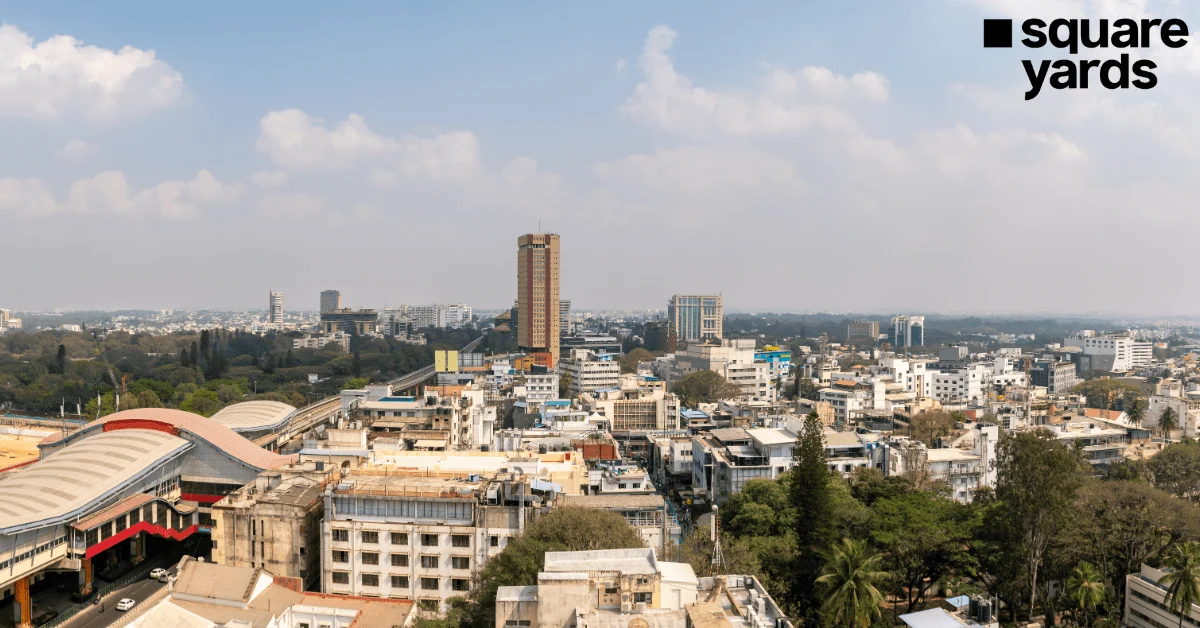
BENGALURU – Koramangala, often hailed as the "cradle of India’s startup ecosystem," has long grappled with a singular irony: despite being a premier residential and commercial hub, it lacks a dedicated metro station within its immediate geographical boundaries. However, as Bengaluru’s Namma Metro network undergoes a massive Phase 2 expansion, this connectivity gap is rapidly closing. The strategic integration of the upcoming Yellow Line and the existing Green Line is set to redefine urban mobility for one of the city’s most iconic neighborhoods.
This report provides an in-depth analysis of the metro stations serving Koramangala, the logistics of last-mile connectivity, and the profound implications for the local real estate market as the city moves toward a more transit-oriented development model.
1. Main Facts: The Multi-Pronged Metro Strategy
Koramangala’s connectivity strategy does not rely on a single station but rather a "constellation" of nearby transit hubs. While the neighborhood’s interior remains preserved from the heavy construction of metro tracks, its periphery is being fortified by five key stations across two major lines.
The Yellow Line (RV Road to Bommasandra) is the primary catalyst for change. Once operational, it will provide direct access to the IT corridors of Electronic City and the industrial belts of Bommasandra. Meanwhile, the Green Line continues to serve as the gateway to North and Central Bengaluru.
Key Stations at a Glance
| Metro Station | Metro Line | Distance from Koramangala | Status | Primary Utility |
|---|---|---|---|---|
| Jayanagar | Green Line | 4-6 km | Operational | Access to Majestic, Yeshwanthpur, North Bengaluru |
| Silk Board | Yellow Line | 2-4 km | Upcoming | Interchange hub; access to Electronic City |
| Agara | Yellow Line | 3-5 km | Upcoming | Connectivity to HSR Layout and ORR |
| BTM Layout | Yellow Line | 3-5 km | Upcoming | Access for residents of 5th, 6th, & 7th Blocks |
| Bommanahalli | Yellow Line | 5-7 km | Upcoming | Commuters using the Hosur Road corridor |
2. Chronology: From Road Dependency to Rail Integration
The evolution of Koramangala’s transit landscape can be divided into three distinct phases:
- The Pre-Metro Era (Post-2000s): As Koramangala transitioned from a quiet residential suburb to a startup hub, road traffic surged. The Silk Board Junction became synonymous with Bengaluru’s congestion woes. Residents were entirely dependent on BMTC buses and private vehicles.
- The Green Line Milestone (2017): The completion of the Green Line (Phase 1) provided the first real alternative. Although Jayanagar Metro Station was 5 km away, it offered a reliable escape from traffic for those heading toward the CBD (Central Business District) and the railway station.
- The Yellow Line Expansion (Present-2025/26): The ongoing construction of the Yellow Line represents the most significant shift. This phase focuses on connecting the southern "knowledge and industrial" arc. The Silk Board interchange, featuring a unique road-cum-rail flyover, is the centerpiece of this development.
3. Supporting Data: Detailed Route Analysis
To understand the impact of these stations, one must examine the specific logistics of reaching them from Koramangala’s various blocks.
The Silk Board Nexus
Silk Board Metro Station is arguably the most critical for Koramangala. Located between 2 to 4 km from the neighborhood, it serves as the "Southeastern Gateway."
- Route: Primarily via Hosur Road.
- Travel Time: 10–15 minutes (potentially reduced once the road-cum-rail flyover eases surface traffic).
- Significance: It will function as a massive interchange, eventually linking the Yellow Line with the upcoming Blue Line (ORR-Airport Line), making it one of the busiest transit points in Asia.
The Jayanagar Connection
Until the Yellow Line is commissioned, Jayanagar remains the workhorse for Koramangala residents.
- Route: Via 100 Feet Road or 11th Main Road.
- Travel Time: 15–20 minutes.
- Significance: It provides a direct, uninterrupted rail link to Majestic (KSR Bengaluru Railway Station), which is essential for long-distance travelers and those working in the traditional business districts of Rajajinagar and Yeshwanthpur.
BTM Layout and Agara: The Local Alternatives
For those residing in the southern blocks (Koramangala 1st, 4th, and 5th Blocks), BTM Layout and Agara stations offer closer proximity.
- BTM Layout Station: Best for those near the Madiwala side of Koramangala.
- Agara Station: Strategically located for those moving between Koramangala and HSR Layout, two of the city’s most affluent residential-cum-startup hubs.
4. Last-Mile Connectivity: The Final Frontier
A metro system is only as good as its last-mile connectivity. For Koramangala, this remains a work in progress, relying on a mix of traditional and modern modes.
- BMTC Feeder Services: The Bangalore Metropolitan Transport Corporation (BMTC) is expected to increase the frequency of "Metro Feeder" buses (MF routes) once the Yellow Line opens. Currently, buses from Jayanagar 4th Block to Koramangala are frequent but subject to traffic.
- The Auto-Rickshaw Economy: Auto-rickshaws remain the most popular last-mile choice. Fares typically range from ₹50 to ₹150. However, the emergence of "Metro Mitra" and other app-based metered services is expected to standardize these costs.
- E-Scooters and Bike Taxis: While bike taxis face periodic regulatory hurdles in Karnataka, they remain a vital "quick-fix" for young professionals commuting from stations like Agara or Silk Board to their coworking spaces in Koramangala.
5. Official Responses and Urban Planning Perspectives
While direct quotes from BMRCL (Bangalore Metro Rail Corporation Limited) officials emphasize the technical progress of the Yellow Line, urban planners highlight a broader vision.
BMRCL’s Strategic Outlook:
Sources within BMRCL indicate that the Yellow Line is designed to decongest the IT corridors. By providing stations like Silk Board and Bommanahalli, the goal is to shift at least 30% of the current private vehicle commuters to the rail network. The "double-decker" flyover at Silk Board is a testament to the engineering efforts to solve the "Silk Board bottleneck."
Urban Analyst Viewpoint:
Real estate analysts suggest that Koramangala’s lack of an internal station is actually a "blessing in disguise" for property values. "If a metro line ran through the heart of Koramangala’s residential blocks, it might have diminished the neighborhood’s premium, quiet character," says a senior consultant at a leading property firm. "By having stations on the periphery, Koramangala gains all the connectivity benefits without the noise and congestion of a high-density transit station at its doorstep."
6. Implications: Real Estate and Economic Impact
The "Metro Effect" on Koramangala’s real estate is multifaceted, affecting rental yields, capital appreciation, and commercial demand.
A. Premium Property Demand
The Yellow Line is expected to drive a 15-20% appreciation in property values in the blocks closest to the stations (specifically 1st and 8th Blocks). Investors are increasingly looking at "flats near Koramangala metro" as high-yield assets.
B. The Startup Ecosystem
Koramangala’s status as a startup hub is reinforced by better connectivity. Startups often struggle with employee retention due to Bengaluru’s commute times. Direct metro access to Electronic City and North Bengaluru makes Koramangala a more viable office location for a geographically diverse workforce.
C. Rental Market Dynamics
The rental market remains robust. With the metro making it easier for young professionals to live in Koramangala while working in Electronic City or Whitefield, demand for 1BHK and 2BHK apartments has surged. Rental yields in this corridor are currently among the highest in South Bengaluru.
D. Comparison with Indiranagar
Historically, Indiranagar had the edge over Koramangala due to the Purple Line passing directly through it. However, with the Yellow Line and the future Blue Line, Koramangala is set to achieve "transit parity," offering a more diverse range of housing options than the increasingly saturated Indiranagar market.
7. Conclusion: A New Era of Mobility
Koramangala is at the threshold of a mobility revolution. The transition from being a road-locked neighborhood to a metro-accessible hub will likely cement its position as Bengaluru’s most desirable locality for the next decade. While challenges in last-mile connectivity and peak-hour traffic at junctions like Silk Board persist, the infrastructure currently being laid underground and overhead promises a more breathable, accessible, and economically vibrant future for the residents of Koramangala.
Frequently Asked Questions (FAQs)
1. Which is the nearest metro station to Koramangala currently?
Jayanagar Metro Station (Green Line) is the closest operational station, located approximately 4-6 km away.
2. When will the Yellow Line metro stations near Koramangala open?
While construction is in advanced stages, the Yellow Line is expected to become operational in phases starting late 2024 to 2025, pending final inspections and rolling stock availability.
3. How will the Silk Board Metro Station benefit Koramangala?
It will act as a major interchange hub, connecting Koramangala to Electronic City (Yellow Line) and eventually to the Airport via the Outer Ring Road (Blue Line).
4. What is the expected auto fare from Koramangala to the nearest metro?
Fares generally range from ₹50 to ₹150, depending on the specific block in Koramangala and the time of day.
5. Is Koramangala a good place for real estate investment in 2026?
Yes. The combination of established social infrastructure and the massive upgrade in metro connectivity makes it a prime candidate for both rental income and capital growth.
6. How do I reach Whitefield from Koramangala using the metro?
Currently, you can take an auto to Jayanagar (Green Line), travel to Majestic, and interchange to the Purple Line toward Whitefield (Kadugodi). In the future, the Silk Board interchange will offer more direct routes.
7. Will the metro help reduce traffic in Koramangala?
By providing a viable alternative for commuters heading to IT hubs like Electronic City, the metro is expected to significantly reduce the volume of private cars on Hosur Road and the Inner Ring Road.
