

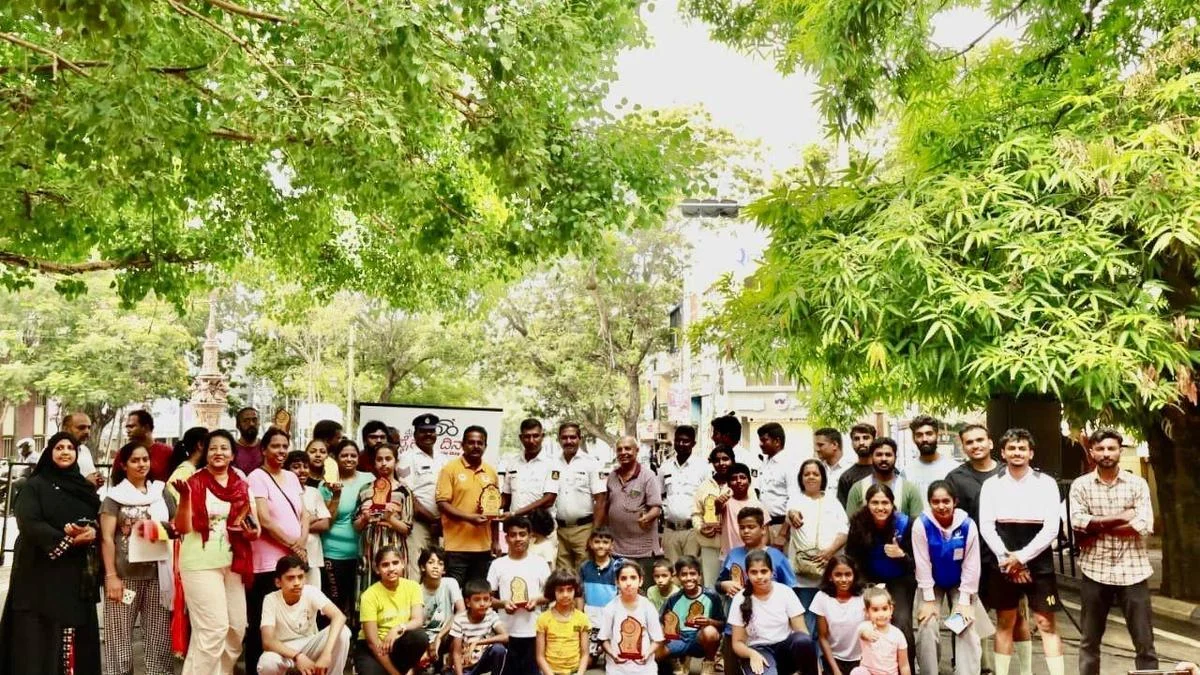
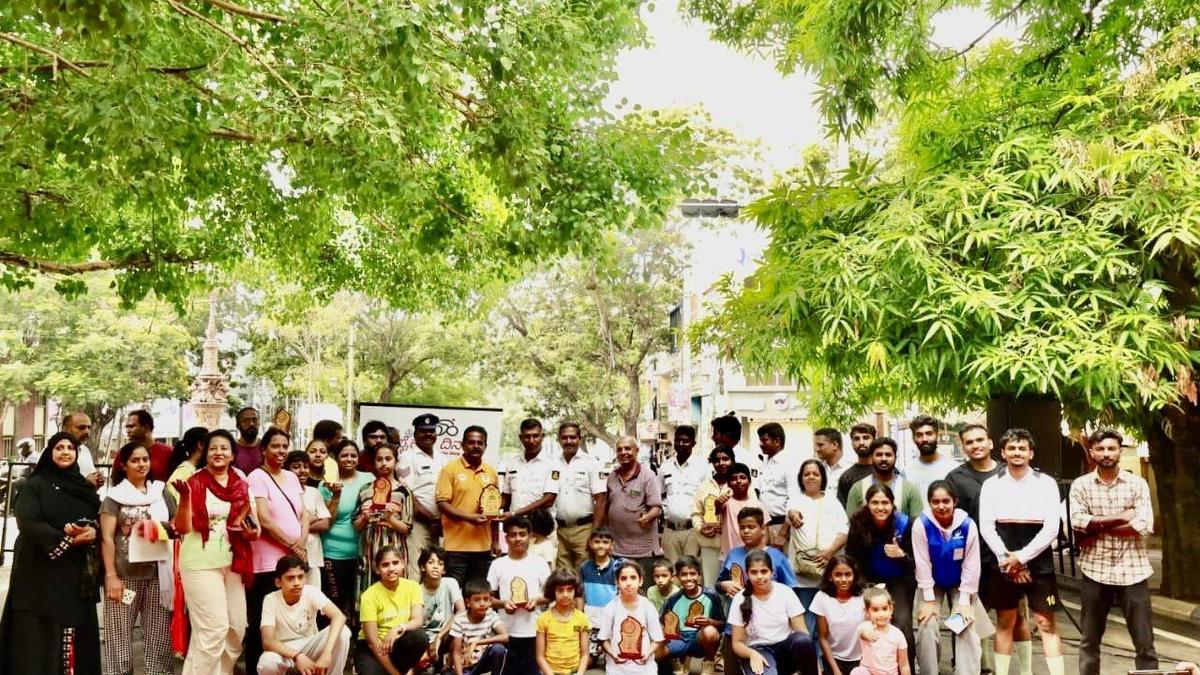
Mysuru, India – May 11, 2026 – The vibrant city of Mysuru further solidified its commitment to a greener and healthier future on Monday with the resounding success of its fourth annual "Mysuru Cycle Day." Organized by the Mysuru City Corporation (MCC) in collaboration with prominent international and local organizations, the event saw an outpouring of enthusiasm from citizens, underscoring a growing appetite for sustainable urban mobility and a cleaner environment. The day’s festivities, centered in the Saraswathipuram area, transformed ordinary streets into dynamic public spaces, fostering community engagement and celebrating the multifaceted benefits of cycling.
The initiative, a cornerstone of the "Sustainable Urban Mobility-Air Quality" project, is a testament to Mysuru’s forward-thinking approach to urban development. By championing cycling, the city aims to not only mitigate air pollution but also to promote public health and cultivate a more people-centric urban landscape. The event’s success serves as a powerful indicator that the message of environmental responsibility and active living is resonating deeply within the Mysuru community.
A Day Dedicated to Wheels and Well-being
The centerpiece of Mysuru Cycle Day was an invigorating five-kilometer cycle rally that snaked through the city. Hundreds of participants, ranging from seasoned cycling enthusiasts and enthusiastic students to families and concerned residents, pedaled with a shared purpose. The sight of a diverse crowd united by their commitment to a common cause painted a powerful picture of collective action towards a healthier planet.
Beyond the exhilarating rally, the event embraced the concept of "Open Streets," temporarily reclaiming public thoroughfares from the dominance of vehicular traffic. This innovative approach transformed a significant stretch into a vibrant hub of activity. Traditional games were revived, laughter filled the air, and a palpable sense of community spirit emerged. This transformation powerfully reinforced the idea that city roads can transcend their primary function as conduits for cars and trucks, evolving into inclusive, people-friendly spaces that foster social interaction and recreation.
The successful execution of Mysuru Cycle Day was a collaborative triumph, drawing on the robust support of various stakeholders. The Mysuru city police and traffic police played a crucial role in ensuring the safety and smooth flow of the event, facilitating the seamless integration of the rally and open street activities. NCC cadets provided valuable logistical assistance, while numerous educational institutions and government departments lent their organizational prowess and manpower. This multi-sectoral partnership exemplifies the integrated approach required to tackle complex urban challenges like pollution and public health.
From a Seed of an Idea to a Thriving Movement
The genesis of Mysuru Cycle Day can be traced back to a growing awareness of the detrimental effects of vehicular emissions on air quality and the increasing sedentary lifestyles prevalent in urban settings. Recognizing the potential of cycling as a powerful antidote, the Mysuru City Corporation, in partnership with organizations like GIZ (Deutsche Gesellschaft für Internationale Zusammenarbeit) and ESAF (Environmental Social Audit Foundation), conceptualized an event that would not only promote cycling but also serve as a broad platform for raising awareness about critical environmental and public health issues.
Chronology of the Mysuru Cycle Day Initiative:
- Inaugural Event (Approx. 2023): The first Mysuru Cycle Day was launched with modest participation but with a clear vision to establish a recurring event that would gradually build momentum and public engagement. Initial efforts focused on creating awareness and encouraging a basic participation in cycling.
- Second Edition (Approx. 2024): Building on the success of the first year, the second edition saw increased participation and a more structured approach. Partnerships with local cycling clubs and community groups were strengthened, and the event began to incorporate more elements of public engagement.
- Third Edition (Approx. 2025): The third iteration marked a significant expansion, with the integration of "Open Streets" concepts and a more pronounced emphasis on the health and environmental benefits. Collaboration with international organizations like GIZ began to yield greater impact, bringing in expertise in sustainable urban mobility.
- Fourth Edition (May 11, 2026): The current event represents the culmination of these efforts, demonstrating a significant leap in scale, participation, and impact. The successful implementation of a five-kilometer rally and extensive "Open Street" activities, coupled with strong community backing, solidified Mysuru Cycle Day as a flagship initiative for the city.
The organizers expressed their profound gratitude to the numerous volunteers whose tireless efforts were instrumental in the event’s smooth execution. Their dedication, from planning and logistics to on-ground coordination, was a critical factor in transforming the vision into a tangible reality. The contributions of partner organizations, both international and local, were also acknowledged, highlighting the power of synergistic collaboration. Ultimately, the enthusiastic participation of the Mysuru public was lauded as the most significant driver of the event’s success, reflecting a growing civic consciousness and a genuine desire for positive change.
Supporting Data and the Environmental Imperative
The timing of Mysuru Cycle Day is particularly pertinent given the increasing global and national focus on combating air pollution and promoting sustainable development. Cities worldwide are grappling with the adverse health impacts of poor air quality, which include respiratory illnesses, cardiovascular diseases, and even premature mortality. Mysuru, like many burgeoning urban centers, faces its own set of environmental challenges, making initiatives like Cycle Day crucial for fostering long-term well-being.
While specific, up-to-the-minute air quality data for Mysuru was not immediately available in the context of this event report, general trends underscore the urgency. According to reports from the Central Pollution Control Board (CPCB) in India, vehicular emissions are a significant contributor to particulate matter (PM2.5 and PM10) and other harmful pollutants in urban environments. These microscopic particles can penetrate deep into the lungs and bloodstream, leading to severe health consequences.
The adoption of cycling as a primary mode of transport offers a tangible solution. Each bicycle on the road represents one less vehicle emitting pollutants. Beyond direct emission reduction, cycling contributes to:
- Improved Respiratory Health: Regular cycling strengthens lung capacity and improves cardiovascular function, making individuals more resilient to airborne pollutants.
- Reduced Noise Pollution: Bicycles operate silently, contributing to a more peaceful and less stressful urban environment.
- Lower Carbon Footprint: Cycling is a zero-emission activity, directly contributing to climate change mitigation efforts.
- Economic Benefits: Reduced reliance on fossil fuels can lead to significant cost savings for individuals and the nation.
The "Sustainable Urban Mobility-Air Quality" initiative, under which Mysuru Cycle Day is organized, likely draws upon data and research highlighting these benefits. Such initiatives often involve:
- Air Quality Monitoring: Establishing baseline air quality data and tracking improvements over time.
- Public Health Surveys: Assessing the prevalence of respiratory and cardiovascular issues and their correlation with environmental factors.
- Traffic Flow Analysis: Understanding traffic patterns and identifying opportunities for promoting non-motorized transport.
- Behavioral Studies: Gauging public attitudes towards cycling and identifying barriers to adoption.
The sustained engagement in Mysuru Cycle Day suggests that the city is actively working towards integrating these data-driven insights into its urban planning and policy-making.
Official Responses and Future Aspirations
The Mysuru City Corporation (MCC) has consistently voiced its commitment to fostering a sustainable urban ecosystem. The enthusiastic response to Mysuru Cycle Day has undoubtedly reinforced the corporation’s resolve. Officials from the MCC have expressed their delight at the widespread public participation, viewing it as a clear mandate for continued investment in eco-friendly urban development.
"Mysuru Cycle Day is steadily emerging as an important platform to promote clean mobility and a healthy lifestyle among citizens," stated a representative from the MCC. This statement reflects a strategic understanding of the event’s dual role: promoting individual well-being and contributing to the collective goal of environmental stewardship. The MCC’s acknowledgment of the support from volunteers, partner organizations, and the public highlights a governance model that values collaboration and community ownership.
The success of this fourth edition is likely to fuel further ambition. Future iterations of Mysuru Cycle Day could potentially incorporate:
- Expanded "Open Streets" Zones: Gradually increasing the duration and geographical coverage of car-free zones to encourage more widespread adoption of pedestrian and cycling activities.
- Cycling Infrastructure Development: Leveraging the public’s enthusiasm to advocate for and implement enhanced cycling infrastructure, such as dedicated bike lanes, secure parking facilities, and cycling repair stations.
- Educational Campaigns: Integrating more robust educational components into the event, focusing on the health benefits of cycling, road safety for cyclists, and the environmental impact of transportation choices.
- Integration with Public Transport: Exploring synergies between cycling and Mysuru’s public transportation network, making it easier for residents to combine cycling with bus or other transit options for longer commutes.
- Partnerships with Businesses: Encouraging local businesses to adopt pro-cycling policies, such as providing bicycle parking or incentivizing employees who cycle to work.
The collaboration with GIZ and ESAF, under the "Sustainable Urban Mobility-Air Quality" initiative, suggests a long-term vision. These partnerships often involve knowledge transfer, technical assistance, and the implementation of best practices from global urban mobility initiatives. The sustained engagement from these organizations indicates a commitment to embedding sustainable practices into the very fabric of Mysuru’s urban planning.
Implications for Urban India and Beyond
The Mysuru Cycle Day initiative holds significant implications not only for the city itself but also for other urban centers across India and even globally. It serves as a compelling case study demonstrating how a relatively simple, yet well-executed, event can catalyze a broader shift towards sustainable urban living.
The key takeaways from Mysuru’s success include:
- The Power of Community Engagement: The event’s success is a testament to the fact that citizens are increasingly aware of and concerned about environmental issues and are willing to participate in solutions.
- The Efficacy of Multi-Stakeholder Partnerships: The seamless coordination between government bodies, NGOs, educational institutions, and the public highlights the indispensable role of collaboration in tackling complex urban challenges.
- The Transformative Potential of "Open Streets": Temporarily reclaiming streets for people demonstrates a powerful way to foster community interaction, promote active lifestyles, and reimagine urban public spaces.
- The Tangible Benefits of Sustainable Mobility: By actively promoting cycling, Mysuru is directly addressing air pollution, improving public health, and creating a more livable urban environment.
As India continues its rapid urbanization, the lessons learned from Mysuru Cycle Day offer a valuable roadmap. The focus on creating people-centric, environmentally responsible cities is no longer a niche concern but a critical imperative for sustainable development and the well-being of its citizens. The growing momentum behind initiatives like Mysuru Cycle Day signals a promising shift, where cities are actively choosing to pedal towards a healthier, cleaner, and more vibrant future. The ripple effect of such successful endeavors can inspire countless other communities to embrace the simple yet profound act of cycling, leading to a collective stride towards a more sustainable planet.
