The Sweet Taste of Deception and the Enduring Power of Unconditional Love: A Childhood Confession and a Life-Altering Lesson
London, UK – The innocent landscape of childhood is often a fertile ground for first encounters with transgression, where curiosity and impulse can lead to unexpected lessons. For one individual, a childhood summer spent at their aunt’s (Phuphee’s) rural home became the stage for a formative experience involving petty theft, a cryptic encounter with a wise elder, and the profound realization of unconditional love. This personal narrative, shared by Kashmiri expatriate Saba Mahjoor, transcends a simple anecdote to explore themes of guilt, forgiveness, and the enduring strength derived from being loved wholly, flaws and all.
The Genesis of a "Criminal Mastermind"
Mahjoor recounts a sweltering summer day from her youth, a time when her "frontal lobe had not had a chance to peak," suggesting a youthful impulsivity and a less developed sense of consequence. The setting was her aunt’s property, where long, hot days were spent seeking refuge from the sun in the shade of orchard trees. It was during one of these languid, heat-induced explorations that the seeds of a "criminal mastermind" were sown.
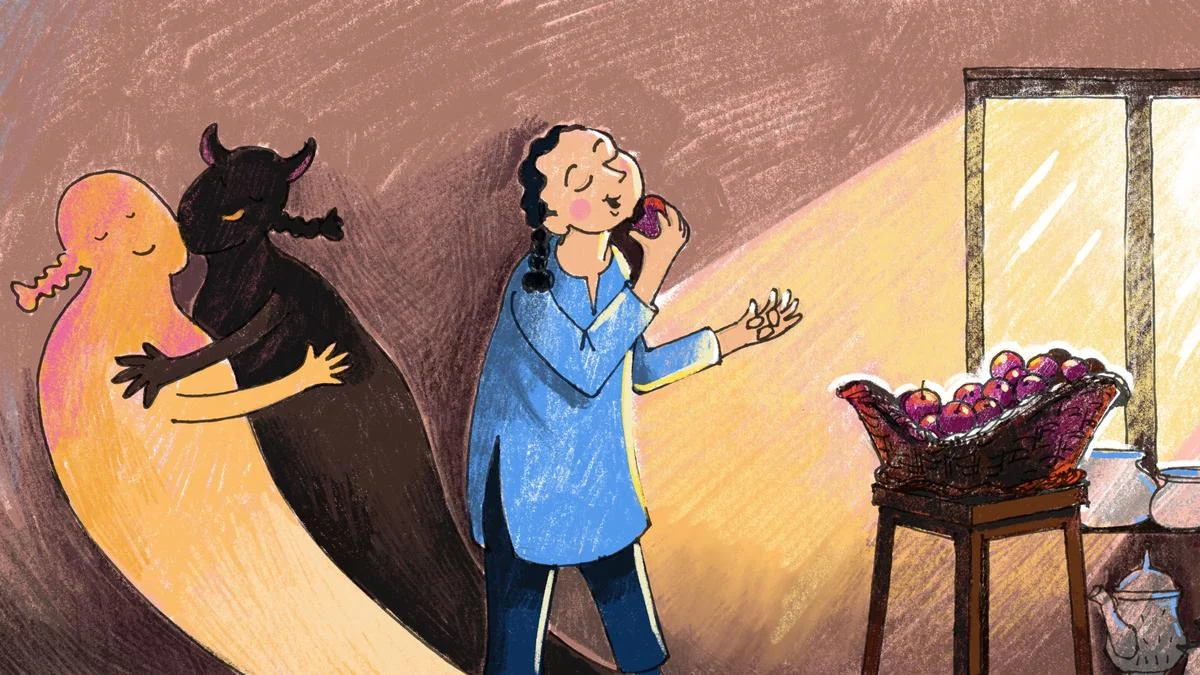
Driven by a thirst that was perhaps exacerbated by dehydration and a general listlessness, the young Mahjoor embarked on a quest to find her cousins, who were engaged in a game of hide-and-seek. Her search led her to the pantry, where a “kraenjul,” a traditional Kashmiri wicker basket, sat invitingly by the window. Within it lay a bounty of "juicy crimson red plums." The absence of any immediate adult supervision, coupled with the allure of the ripe fruit, proved an irresistible temptation.

With a "sweaty little hand," the child reached out, plucked a plum, and devoured it. The experience was vivid and sensory: "blood red juices running down my chin and frock." The initial transgression, fueled by the sweetness of the stolen fruit, soon escalated. Unable to curb her appetite, Mahjoor consumed another, and then another, dropping the pits carelessly onto the floor. Before her nascent conscience could fully register the act, she had consumed half a dozen plums, her stomach eventually rebelling against the overindulgence.
The "Perfect Crime" and a Cryptic Encounter
The sound of activity from the kitchen jolted the young Mahjoor from her fruity reverie. In a panic, she hastily gathered the discarded pits, attempting to conceal her misdeeds by burying them in the ground. She believed, with the simple logic of a child, that she had successfully executed a "perfect crime."
Emerging from the pantry, Mahjoor ventured towards the front of the house. There, she encountered two significant figures: her aunt, referred to affectionately as Phuphee, who appeared to be asleep, and Maetonji, identified as Phuphee’s friend and a nun who ran the local hospital. Maetonji was engrossed in reading from a book, seemingly to the sleeping Phuphee. This scene presented Mahjoor with a peculiar paradox: her aunt, whom she knew to be asleep, was the recipient of Maetonji’s reading, and Phuphee, in Mahjoor’s understanding, did not understand English.
Mahjoor, with the directness of a child, questioned the efficacy of reading to someone who was asleep and unable to comprehend the words. Maetonji’s response, however, introduced a layer of mystique and profound wisdom. "Oh, child, don’t you know Ta-hee-ra never sleeps," Maetonji replied, referring to Phuphee by a name that suggested a revered, perhaps almost divine, status.

Intrigued and unsettled, Mahjoor waited for an explanation. Maetonji, sensing the child’s confusion, closed her book and drew Mahjoor closer. She then dampened a handkerchief and gently wiped the tell-tale plum juice from Mahjoor’s lips and chin. With a knowing wink, Maetonji explained: "That’s better, child! Now you don’t look like Count Dracula so much! Ta-hee-era never sleeps, she closes her eyes, but she can still see and hear everything. It’s part of being a great and powerful peerni."
The term “peerni,” often associated with a spiritual leader or a woman of considerable spiritual influence in certain South Asian traditions, added an aura of profound insight and omniscience to Mahjoor’s aunt. This revelation struck Mahjoor with the force of a thunderclap. The fear of being discovered as a thief, a “petty thief who stole plums,” washed over her. These were not just any plums; they were the very plums Phuphee had intended to use for “aer tchetin,” a sweet-and-sour plum chutney, a dish meant for the evening meal. The realization that her actions had deprived others, and potentially ruined a shared culinary experience, brought a flush of shame to her cheeks. Her nascent criminal career, she believed, had been swiftly and decisively ended.
A Gentle Revelation and a Path to Redemption
Just as Mahjoor was grappling with her perceived downfall, Phuphee stirred, yawning and stretching. Her voice, though laced with amusement, carried an undercurrent of knowing. "Oh Gub-ree-la [Sister Gabriella], what new yarns are you weaving in her head now?" she inquired, addressing Maetonji by her given name.
Maetonji, with a characteristic blend of piety and subtle wit, responded, "Goodness Ta-hee-ra, I am a woman of God. I am sure I don’t know anything about weaving yarns. And speaking of God, I need to get back, Lord’s work needs doing." She then exchanged another wink with Mahjoor before departing, leaving the book on the verandah.

Phuphee, now fully awake, turned her attention to Mahjoor, observing her flushed demeanor. "Are you alright, myoan toath [my loved one]. You look a bit flushed," she asked. The weight of her transgression bore down on Mahjoor. Lacking the courage to confess her crime and the profound regret she felt, she found solace in her aunt’s embrace. Nestled against her aunt’s chest, inhaling the comforting aroma of cardamoms and cloves, Mahjoor finally wept.
Later that evening, at dinner, a cousin’s innocent question about the whereabouts of the aer tchetin sent a fresh wave of anxiety through Mahjoor. She braced herself for an imminent exposure. However, Phuphee’s response was not one of accusation but of gentle deflection. She met Mahjoor’s gaze for a fleeting moment before replying, "They weren’t ripe enough. Maybe in a day or two we can have them," and continued her meal as if nothing had happened. This act of quiet protection was a testament to her understanding and grace.
The true healing, however, came that night. As Mahjoor lay beside her aunt, her body nestled in the familiar space between Phuphee’s chest and arms, she felt the gentle rhythm of her aunt’s breathing and the soothing touch of her hand stroking her hair. In the quiet intimacy of the moment, Phuphee whispered words that would forever echo in Mahjoor’s heart: "You can always tell me anything, myoan shoosh [my lungs]. You will never get into trouble for telling me the truth, no matter how bad it is. Tomorrow, we will go together and pick more plums for the tchetin." These words of unconditional acceptance and a promise of shared redemption brought Mahjoor a profound sense of peace, allowing her to drift into a "dreamless sleep."
The Enduring Legacy of Unconditional Love
The childhood incident of the stolen plums, and the subsequent compassionate response from her aunt and Maetonji, became a defining moment in Saba Mahjoor’s life. She explains that in moments when her "darkness emerged," her aunt’s "unfaltering love became my saving grace." This experience taught her the crucial lesson of being "loved wholly," recognizing that the first step towards personal redemption often lies in the acceptance of one’s own "dark side."

The power of such love, Mahjoor articulates, lies in its ability to embrace both the light and the darkness within an individual. When one’s flaws are accepted with the same grace as one’s virtues, it fosters an inner strength that prevents succumbing to despair or self-recrimination. Phuphee’s wisdom, as interpreted by Mahjoor, was not merely about accepting the duality of human nature but about understanding that "light often exists in the same place as darkness." She learned to "revere the light" while also being in "mild awe of the darkness," acknowledging its presence and power without letting it define her.
Saba Mahjoor, a Kashmiri residing in England, continues to reflect on life’s complexities in her limited free time. Her narrative serves as a poignant reminder that even the smallest transgressions can lead to profound personal growth, especially when met with empathy, understanding, and the unwavering foundation of unconditional love. The story of the stolen plums is not just a tale of childhood mischief but a testament to the transformative power of forgiveness and the enduring strength found in being truly seen and accepted.