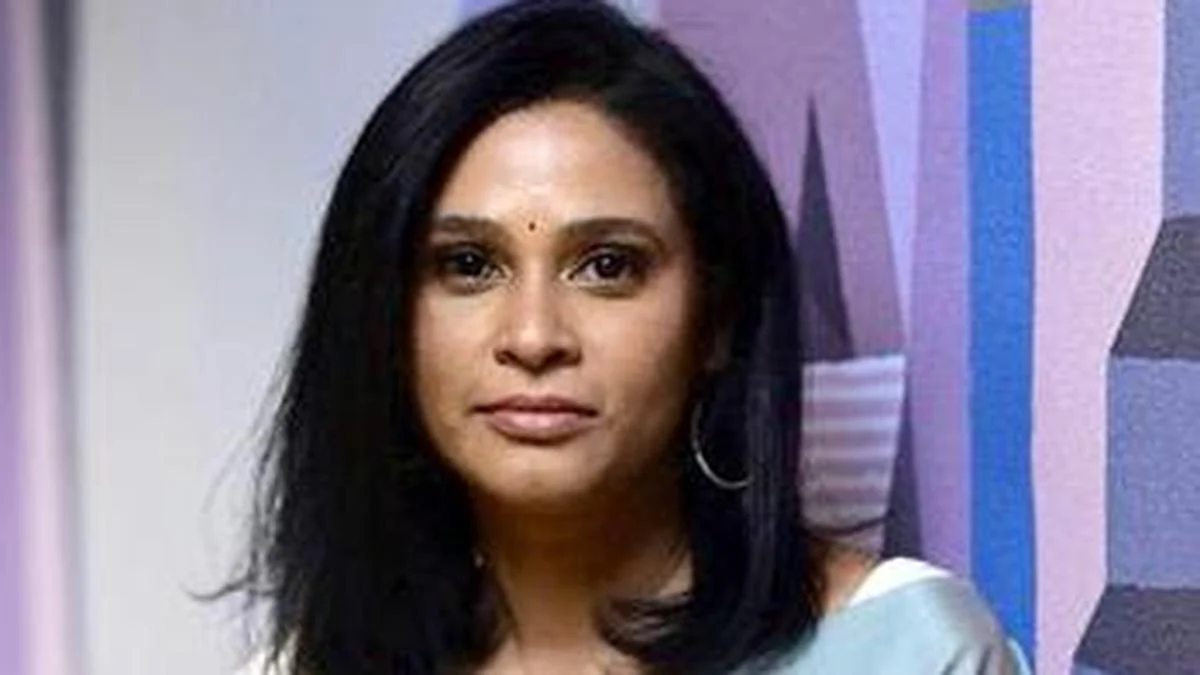
Singapore, [Date] – In a significant executive transition reverberating across the global technology landscape, Sandhya Devanathan, a seasoned leader who served as Meta’s Vice President and Head for India and Southeast Asia for over a decade, is set to embark on a new chapter. Devanathan is poised to join OpenAI, the trailblazing artificial intelligence research and deployment company, as its Vice President for Southeast Asia and Australia, a newly established and strategically critical role.
This high-profile move underscores the intense talent war within the burgeoning AI sector and signals OpenAI’s aggressive expansion into key international markets. Devanathan’s departure from Meta, a company she helped shape across diverse and rapidly evolving regions, marks the end of a remarkable tenure and the beginning of a pivotal challenge at the forefront of AI innovation.
A Strategic Leap into the AI Frontier
Devanathan’s appointment at OpenAI places her at the helm of the company’s ambitious growth initiatives across Southeast Asia and Australia. Based in Singapore, she will report directly to Kiran Mani, OpenAI’s Managing Director for Asia Pacific. Her mandate is expansive, encompassing responsibility for driving consumer adoption of OpenAI’s groundbreaking tools, fostering enterprise engagement, forging strategic partnerships, navigating complex regulatory landscapes, and overseeing operational excellence within the region. This multifaceted role highlights OpenAI’s comprehensive approach to establishing a robust and sustainable presence in one of the world’s most dynamic digital economies.
The announcement, initially hinted at by Devanathan herself in an emotional LinkedIn post signaling her departure from Meta, was subsequently confirmed by OpenAI. While her exact joining date remains to be ascertained, the strategic intent behind this recruitment is crystal clear: to leverage top-tier leadership to accelerate OpenAI’s global footprint and solidify its position in the competitive AI arena.
OpenAI’s Ambitious APAC Expansion
Devanathan’s arrival aligns perfectly with OpenAI’s broader strategy of deepening its roots in the Asia-Pacific region. Over the past two years, the ChatGPT-maker has aggressively expanded its physical presence, opening local offices in key hubs such as Singapore, Tokyo, Seoul, Sydney, and Delhi. This geographical expansion has been complemented by a concerted effort to build out a formidable regional leadership team, exemplified by the recent appointment of Kiran Mani as Managing Director for APAC and Prabhjeet Singh as Managing Director for India earlier this year. These strategic hires and office openings underscore the region’s increasing importance to OpenAI’s long-term vision, recognizing its immense potential for AI adoption among consumers, enterprises, and developers alike.
A Decade of Leadership: Devanathan’s Legacy at Meta
Sandhya Devanathan’s departure from Meta concludes a distinguished career spanning more than ten years, during which she played an instrumental role in shaping the social media giant’s presence and impact across Asia Pacific. Her journey at Meta began in 2016, and over the ensuing decade, she rose through the ranks, demonstrating exceptional leadership across various critical functions and geographies.
Navigating a Transformative Era
When Devanathan joined Meta (then Facebook) in 2016, the digital landscape was in a state of rapid transformation. As she eloquently recounted in her LinkedIn farewell post, "the landscape looked so different… everyone talking about digital transformation." She quickly became a key architect in Meta’s efforts to capitalize on this transformation, leading its Asia Pacific gaming business, a burgeoning sector with immense revenue potential. Her strategic acumen was also pivotal in expanding the company’s physical and operational presence in crucial markets like Singapore and Vietnam, laying foundational groundwork for Meta’s regional success.
Her tenure saw her hold several leadership roles across the region, culminating in her most recent position as Vice President and Head for India and Southeast Asia. In this capacity, Devanathan was responsible for overseeing Meta’s entire operations in these high-growth markets, a role that demanded not only deep market understanding but also the ability to navigate complex cultural, regulatory, and competitive dynamics. Under her guidance, Meta strengthened its engagement with governments, businesses, and the burgeoning creator economy, cementing its platforms as indispensable tools for communication, commerce, and community building.
Fostering Ecosystem Growth Across Asia
Devanathan’s leadership was particularly impactful in Meta’s efforts to empower local ecosystems. She often highlighted Meta’s work with businesses, startups, and creators as a source of immense pride. For instance, her teams were instrumental in developing and scaling government citizen services on WhatsApp in India, a groundbreaking initiative that leveraged the platform’s ubiquity to facilitate public service delivery. This project demonstrated the profound societal impact that technology, when thoughtfully applied, can achieve, transforming how millions of citizens interact with their government.
Similarly, under her leadership, Meta played a crucial role in helping millions of small businesses in Vietnam, Indonesia, and Thailand establish digital storefronts on its suite of apps, including Facebook and Instagram. These initiatives were not merely about increasing Meta’s user base or revenue; they were about fostering economic growth, enabling entrepreneurship, and providing vital digital tools to a segment of the economy that often lacks access to traditional infrastructure. "Helping startups become unicorns in Singapore, Malaysia and Philippines…the stories are many," she noted, reflecting on the tangible impact her teams had. This focus on local empowerment and economic upliftment became a hallmark of her leadership.
The Bittersweet Farewell
Devanathan’s decision to leave Meta after more than a decade was, by her own admission, "bittersweet." In an emotional LinkedIn post, she reflected on her journey, expressing profound gratitude and pride in the collective achievements of her teams. "I joined Meta when we had just about 300 employees in Singapore," she recounted, highlighting the immense growth and evolution she witnessed and contributed to. She spoke of being "incredibly proud" of what her teams had built, thanking colleagues, businesses, ecosystem partners, non-profits, and creators for their collaboration.
Her post conveyed a deep personal connection to her work and the people she worked with: "Over the years, I’ve had the privilege of working across sectors like ecommerce and gaming in APAC, and leading talented teams across India and Southeast Asia. Throughout this journey, I’ve been fueled by the belief that our work brings meaningful connections to people and businesses worldwide." She described the day of her announcement as "emotional," acknowledging that the teams she worked with were "nothing short of exceptional and made this an incredible ride." The post, while initially coy about her next destination, clearly indicated her readiness for a "next exciting chapter" after a short break, setting the stage for the subsequent announcement of her move to OpenAI.

Charting a New Course: Devanathan’s Vision for OpenAI in SEA & Australia
Sandhya Devanathan’s transition to OpenAI marks a significant pivot from the established social media landscape to the cutting-edge frontier of artificial intelligence. Her new role as Vice President for Southeast Asia and Australia is not merely an executive appointment; it’s a strategic move by OpenAI to embed experienced, regionally astute leadership into its global expansion efforts.
Defining a Critical New Role
The position of Vice President for Southeast Asia and Australia is a newly created one, underscoring its strategic importance to OpenAI. Devanathan’s responsibilities will be vast and critical to OpenAI’s success in these diverse and rapidly growing markets.
- Consumer Growth: This involves making OpenAI’s products, such as ChatGPT and DALL-E, accessible and appealing to a broad user base, understanding regional nuances in digital consumption, and driving widespread adoption. This isn’t just about sign-ups; it’s about integrating AI tools meaningfully into daily life and work for millions.
- Enterprise Adoption: A key focus will be on engaging businesses, from startups to large corporations, to integrate OpenAI’s models and APIs into their operations, products, and services. This requires understanding industry-specific needs, demonstrating tangible ROI, and building a robust B2B pipeline.
- Partnerships: Forging strategic alliances with local technology companies, educational institutions, government bodies, and developers will be crucial. These partnerships can accelerate research, co-create solutions, and expand OpenAI’s reach and influence.
- Regulatory Engagement: Navigating the complex and evolving regulatory landscape surrounding AI is paramount. Devanathan will be responsible for engaging with policymakers across various countries to advocate for responsible AI development, ensure compliance, and shape favorable policy environments that foster innovation while addressing ethical concerns.
- Operations: Overseeing the operational efficiency and infrastructure required to support OpenAI’s growth in the region, including talent acquisition, local office management, and ensuring seamless service delivery.
Based in Singapore, a regional tech hub, Devanathan will be strategically positioned to lead these efforts. Her reporting line to Kiran Mani, Managing Director for Asia Pacific, indicates a clear hierarchical structure designed to ensure cohesive regional strategy and execution.
Synergies of Experience: Bridging Tech and AI
Devanathan brings more than 25 years of experience across the technology and financial services sectors, a background that is exceptionally well-suited for her new role at OpenAI. Her long tenure at Meta, where she managed diverse markets and spearheaded growth initiatives, provides her with invaluable insights into consumer behavior, digital ecosystem development, and regulatory engagement in Asia.
Her experience in scaling businesses in complex markets, cultivating strategic partnerships, and understanding the digital needs of both consumers and enterprises at Meta will be directly transferable to OpenAI. The challenges of introducing cutting-edge AI technology to diverse cultures, addressing data privacy concerns, and demonstrating practical applications for businesses in SEA and Australia are significant. Devanathan’s proven track record in these areas positions her as a formidable leader capable of translating OpenAI’s global vision into localized success. Her understanding of how technology can drive economic empowerment and enhance public services, as demonstrated through her work on WhatsApp in India, will be particularly valuable in articulating the broader societal benefits of AI.
OpenAI’s Aggressive Play in the Asia-Pacific Arena
OpenAI’s recruitment of Sandhya Devanathan is not an isolated event but a clear signal of its heightened strategic focus on the Asia-Pacific region. This move is part of a broader, aggressive campaign to capitalize on the region’s burgeoning digital economy and its rapid embrace of artificial intelligence.
Expanding Footprint and Leadership Bench
The past two years have seen OpenAI make significant strides in establishing a physical and leadership presence across APAC.
- Office Openings: The company has strategically opened offices in major innovation hubs including Singapore, Tokyo, Seoul, Sydney, and Delhi. These local outposts serve as nerve centers for regional operations, enabling closer engagement with local talent, businesses, and governments. They also provide critical infrastructure for localized product development and support.
- Key Leadership Appointments: Beyond Devanathan, OpenAI has been meticulously building out its regional leadership team. The appointment of Kiran Mani as Managing Director for APAC earlier this year was a significant step, providing overarching strategic direction for the entire region. Mani, with his extensive background in technology and product leadership, is tasked with harmonizing OpenAI’s efforts across diverse markets. Furthermore, the appointment of Prabhjeet Singh as Managing Director for India in June underscored the company’s commitment to individual high-priority markets. Singh’s role focuses on scaling OpenAI’s operations and partnerships in India, a market known for its massive developer base and digital appetite.
These concerted efforts reflect a recognition that AI adoption is not a one-size-fits-all phenomenon. Localized leadership and physical presence are essential for understanding specific market needs, cultural nuances, and regulatory frameworks, which are all critical for successful AI deployment.
India: A Priority Market for AI Innovation
Among its top-priority markets, India stands out for OpenAI. The Sam Altman-led company has repeatedly articulated its vision for India as a key player in the global AI landscape. Altman himself has praised India’s "rapid AI uptake and commitment to investing across the tech stack." This endorsement is backed by tangible actions:
- Accelerated India Strategy: OpenAI has been moving its India strategy into "top gear," focusing on robust partnerships with enterprises and developers. This involves collaborating with Indian businesses to integrate AI into their solutions, fostering a vibrant developer community to build on OpenAI’s platforms, and investing in local talent.
- Policy Engagement: Strengthening engagement with policymakers is a critical component of OpenAI’s strategy in India. This includes discussions around AI governance, ethical guidelines, data privacy, and fostering an environment conducive to responsible AI innovation. The company opened its first office in New Delhi in November 2025 (note: likely a typo in original article, assuming 2023 or 2024 based on context), further solidifying its commitment to direct engagement.
- Ecosystem Development: OpenAI aims to contribute to India’s burgeoning AI ecosystem, supporting startups, researchers, and educational institutions. This not only expands the adoption of its tools but also cultivates a skilled workforce capable of driving future AI advancements.
India’s vast population, tech-savvy youth, and government’s push for digital transformation make it an irresistible market for AI companies looking to scale globally.
The Global Race for AI Dominance
OpenAI’s aggressive APAC strategy, epitomized by Devanathan’s recruitment, is set against the backdrop of an intense global race for AI dominance. Major tech players, including Meta, Google, Microsoft (a significant investor in OpenAI), and Amazon, are all heavily investing in AI research, development, and market penetration. Capturing market share in high-growth regions like APAC is crucial for long-term competitive advantage.
The region offers a unique blend of diverse economies, large addressable markets, and varying stages of digital maturity, presenting both opportunities and challenges. OpenAI’s move to secure top regional talent like Devanathan signals its intent to lead this charge, not just with technological innovation but also with strategic market execution.

Official Confirmations and Industry Reactions
The news of Sandhya Devanathan’s transition has been met with official confirmations from both Meta and OpenAI, alongside keen observation and analysis from industry pundits.
Confirmations from Both Giants
OpenAI officially confirmed Devanathan’s appointment, specifying her role as Vice President for Southeast Asia and Australia, her Singapore base, and her reporting structure to Kiran Mani. This swift confirmation underscores the strategic importance of the role and the company’s eagerness to publicize its acquisition of such a high-caliber executive.
While Meta did not issue a separate public statement regarding Devanathan’s departure, her own LinkedIn post served as the primary official announcement from her side, acknowledged widely by the company’s employees and the broader industry. The nature of her departure, described as "bittersweet" after a decade of service, suggests an amicable separation, typical for long-serving executives seeking new challenges.
What Industry Pundits Are Saying
Industry analysts view Devanathan’s move as a significant coup for OpenAI and a strategic loss for Meta in the APAC region.
- OpenAI’s Talent Magnetism: Experts highlight that attracting a leader of Devanathan’s stature, with deep regional expertise and a proven track record at a global tech giant, demonstrates OpenAI’s growing appeal as a destination for top talent. It signals the company’s maturation beyond a research lab into a formidable global enterprise.
- Strategic Regional Focus: Analysts believe this appointment reinforces OpenAI’s commitment to localizing its global strategy. "Having someone who intimately understands the regulatory nuances, cultural specificities, and market dynamics of Southeast Asia and Australia is invaluable for a company like OpenAI that needs to navigate a fragmented but high-potential landscape," noted one tech industry commentator.
- Impact on Meta: While Meta has a deep bench of talent, Devanathan’s departure leaves a significant leadership void in a critical growth region. It will likely necessitate an internal reshuffle or external search for a successor capable of maintaining Meta’s momentum in India and Southeast Asia amidst increasing competition and evolving regulatory scrutiny. Her intimate knowledge of Meta’s operations and competitive strategies in the region could also be seen as an advantage for OpenAI, though ethical walls are typically in place.
- Validation of AI Sector Growth: The move further validates the unprecedented growth and perceived long-term potential of the AI sector. Executives are increasingly drawn to AI companies, viewing them as the next frontier for technological innovation and impact.
Implications for the Tech Landscape
The executive shuffle involving Sandhya Devanathan carries significant implications for both Meta and OpenAI, as well as for the broader technology and artificial intelligence landscapes.
Meta’s Leadership Reshuffle and Future Strategy
Devanathan’s departure leaves a substantial leadership gap within Meta’s crucial India and Southeast Asia operations. This region is not only home to a massive user base for Meta’s platforms (Facebook, Instagram, WhatsApp) but also represents significant growth potential for its advertising revenue and emerging initiatives like the metaverse.
- Succession Challenges: Meta will need to move swiftly to appoint a successor capable of navigating the complex geopolitical, economic, and regulatory environment of these markets. The new leader will inherit the challenge of sustaining Meta’s growth trajectory amid increasing competition from local players and evolving data privacy regulations.
- Focus on Core vs. AI: While Meta is also heavily investing in AI, Devanathan’s move to a pure-play AI company might prompt internal reflections at Meta regarding its ability to retain top talent specifically focused on AI-first roles. Meta’s broader strategic pivot towards the metaverse and AI needs to ensure it does not lose sight of its core business growth in key regions.
- Strengthening Local Teams: This transition could also lead Meta to empower its existing local teams further, fostering a more distributed leadership model in the region. The company’s continued emphasis on local partnerships and ecosystem development, which Devanathan championed, will likely remain a priority.
OpenAI’s Enhanced Regional Clout
For OpenAI, Devanathan’s appointment is a clear win, significantly enhancing its regional clout and accelerating its strategic objectives.
- Accelerated Market Penetration: Her deep understanding of the APAC markets, cultivated over a decade at Meta, will provide OpenAI with an immediate competitive advantage in localizing its products, developing relevant use cases, and forging strategic alliances. This could lead to faster adoption rates for ChatGPT and other OpenAI technologies across diverse segments.
- Navigating Regulatory Hurdles: The regulatory landscape for AI is nascent and complex, particularly in Asia. Devanathan’s experience in engaging with governments and shaping policy environments will be invaluable in ensuring OpenAI operates responsibly and sustainably, avoiding potential pitfalls that could hinder growth.
- Building a Local Ecosystem: With her expertise in fostering developer communities and supporting small businesses, Devanathan is well-positioned to build a robust local ecosystem around OpenAI’s APIs and models, encouraging innovation and custom solutions tailored to regional needs.
- Competitive Edge: This move could also intensify the competition with other AI players and traditional tech giants. OpenAI, by attracting such high-profile talent, signals its serious intent to dominate not just in technology but also in global market execution.
The Evolving Talent War in AI
The move of a high-ranking executive from a social media giant to a cutting-edge AI firm underscores a broader trend: the intense talent war within the artificial intelligence sector.
- AI as the New Frontier: Top executives and engineers are increasingly drawn to AI companies, perceiving them as the leading edge of technological innovation and the source of the next generation of transformative products and services. The opportunity to shape the future of AI is a powerful draw.
- Demand for Hybrid Skills: The demand for leaders who possess both deep technological understanding and extensive experience in market development, regulatory affairs, and strategic partnerships is soaring. Devanathan embodies this hybrid skill set, making her a prime target for AI companies looking to scale globally.
- Reshaping Executive Career Paths: This trend suggests a reshaping of traditional executive career paths, with more leaders moving between established tech giants and rapidly growing AI startups, driven by the allure of impact and innovation. It also highlights the increasing interconnectedness between different segments of the tech industry, where expertise in one domain can be highly transferable and valuable in another.
Conclusion: A New Chapter in the AI Revolution
Sandhya Devanathan’s transition from Meta to OpenAI marks a pivotal moment in the ongoing evolution of the global technology landscape. It signifies not just a personal career milestone but also a broader narrative about the shifting epicenters of innovation and power within the tech industry. Her decade of experience in navigating the complex, high-growth markets of Asia Pacific, coupled with her strategic vision and proven leadership, will be an invaluable asset to OpenAI as it seeks to embed artificial intelligence more deeply into the fabric of these dynamic economies.
Paving the Way for Future Growth
For OpenAI, Devanathan’s appointment is a strategic masterstroke, providing the company with seasoned leadership to spearhead its ambitious expansion across Southeast Asia and Australia. Her role will be crucial in translating OpenAI’s groundbreaking research into tangible products and services that resonate with diverse consumers and enterprises, while also responsibly navigating the regulatory and ethical complexities inherent in AI deployment.
For Meta, this departure, while a loss of a valuable leader, presents an opportunity to reassess its regional strategies and continue fostering new talent. The "bittersweet" nature of Devanathan’s farewell underscores the profound impact she had during her tenure, leaving behind a strong foundation for her successors.
Ultimately, this executive move is a testament to the transformative power of artificial intelligence and the magnetic pull it exerts on top-tier talent. As Sandhya Devanathan embarks on her "next exciting chapter" at OpenAI, she is poised to play a significant role in shaping the future of AI in one of the world’s most critical regions, further accelerating the AI revolution that is already reshaping industries, economies, and societies worldwide. Her journey is a compelling illustration of how seasoned leadership is now converging at the very frontiers of technological innovation, ready to define the next era of digital transformation.