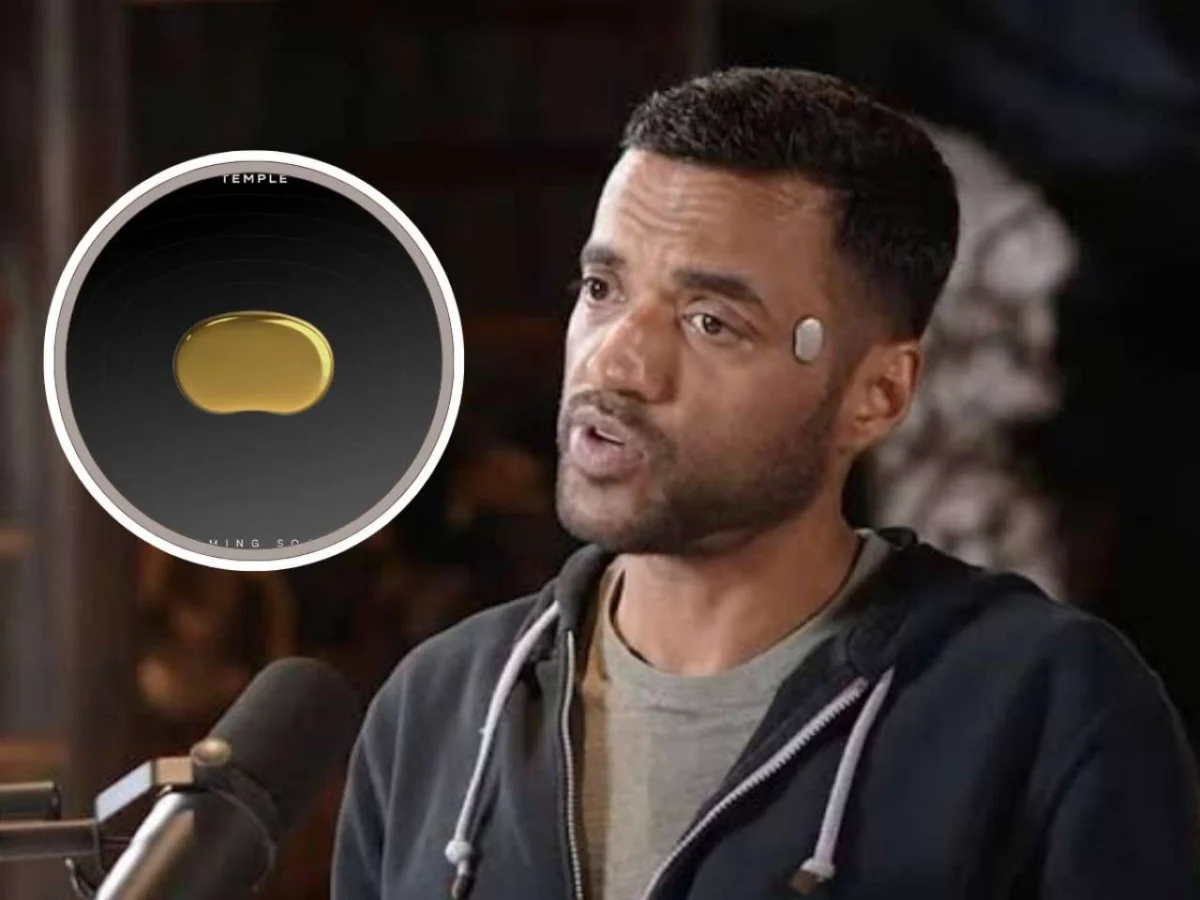
Goyal’s Ambitious Health Tech Venture Targets Premium Market with Novel Biomarker, Projecting 6-12 Month Launch
[Main Facts]
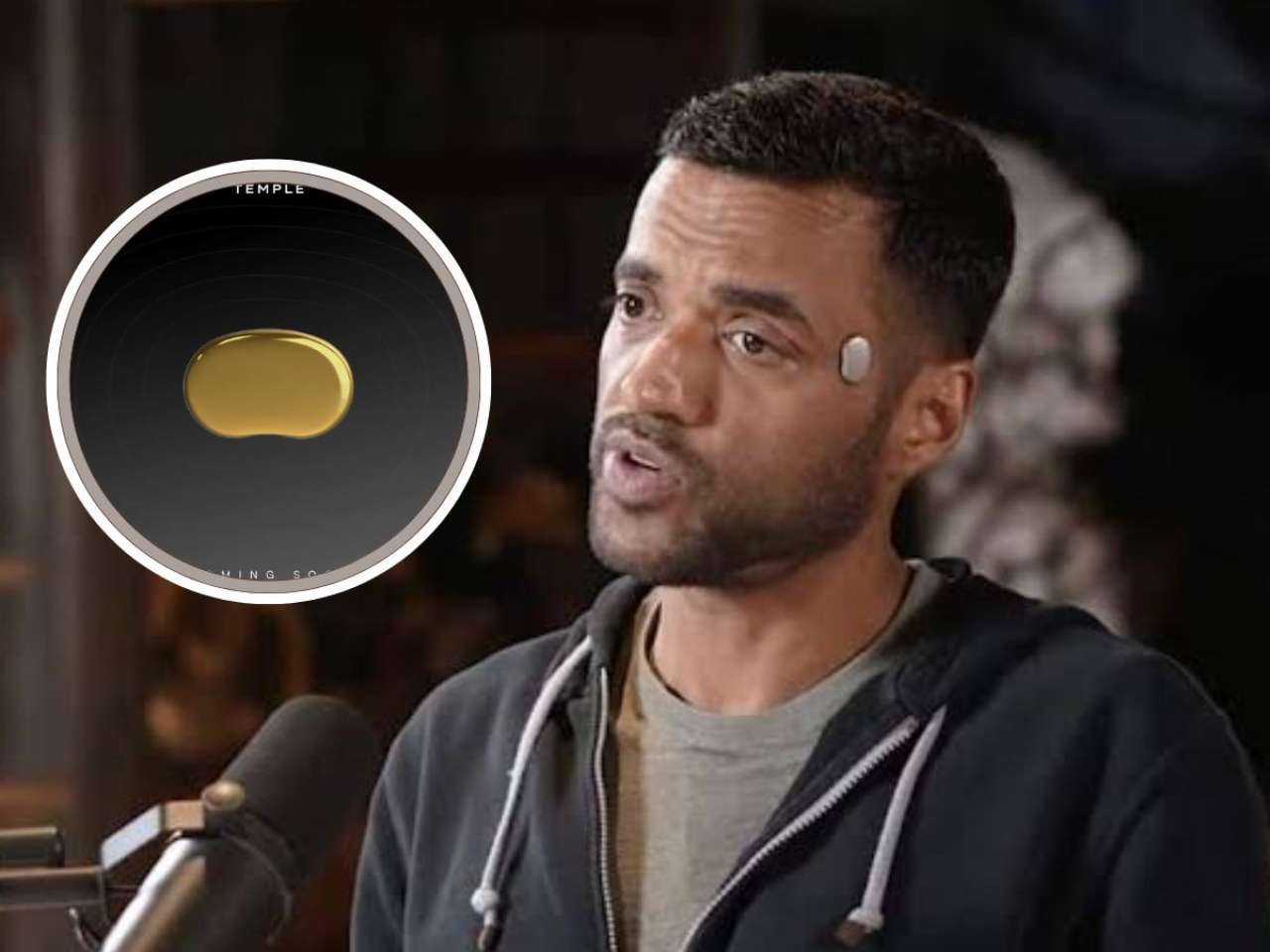
NEW DELHI – Deepinder Goyal, the visionary co-founder and CEO of food delivery giant Zomato, is once again poised to disrupt an industry, this time setting his sights on the burgeoning health technology sector. Goyal’s latest venture, a sophisticated wearable device dubbed "Temple," promises to redefine personal health monitoring by tracking a novel biomarker he refers to as ‘entropy’. With an ambitious launch window of 6 to 12 months and an anticipated price tag of USD 1,000 (approximately ₹1 lakh), Temple is set to debut as a premium wellness device, backed by a commitment to publish peer-reviewed scientific studies to validate its claims.
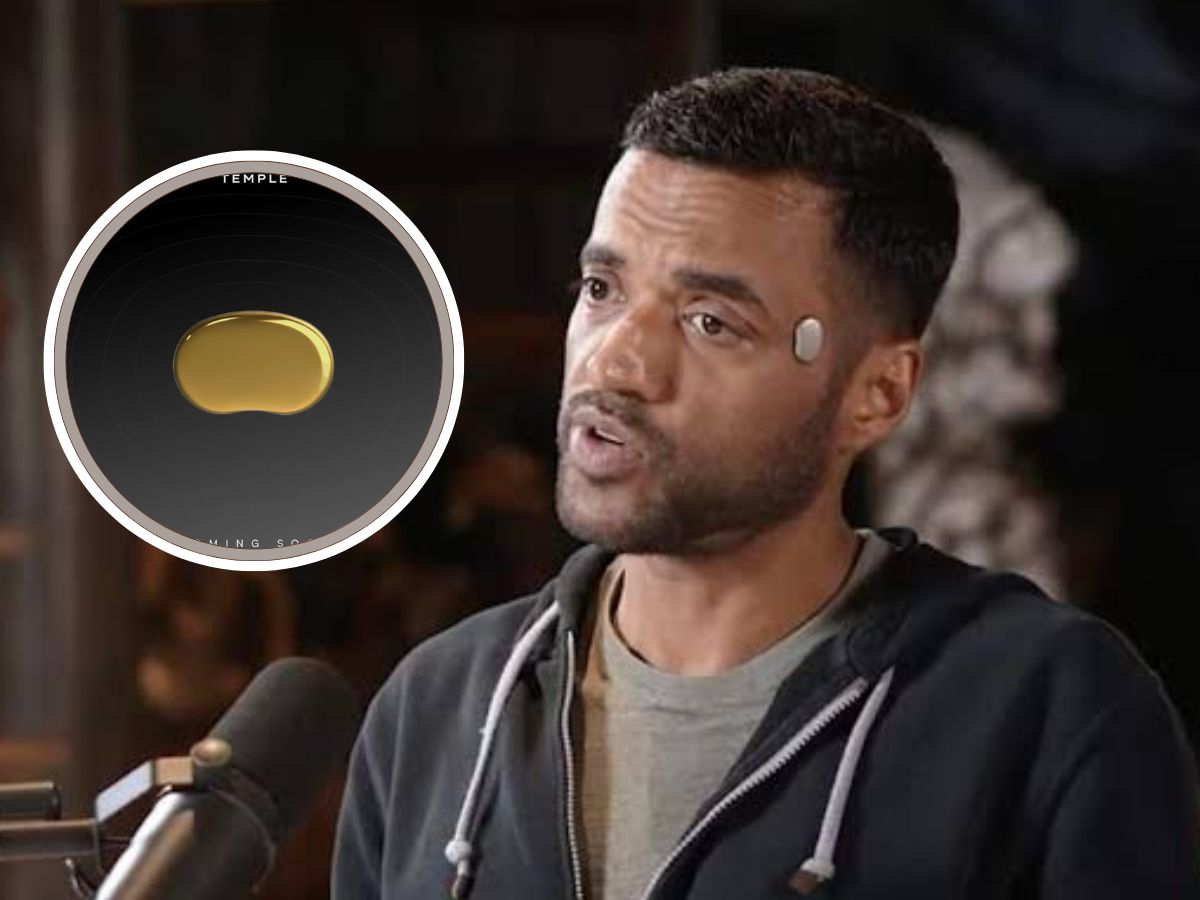
This foray into health tech marks a significant pivot for Goyal, whose entrepreneurial journey has largely been associated with transforming the food service landscape. Temple is not merely another fitness tracker; it aims to offer profound insights into an individual’s metabolic state in real-time, moving beyond conventional metrics like heart rate to provide a more holistic understanding of well-being. The device, described as bean-shaped and designed to be worn on the side of the forehead, represents a bold step into preventative and personalized health.
)
The core innovation lies in its ability to detect ‘entropy,’ a biomarker that Goyal’s team asserts is directly correlated with metabolic rate. This measurement, they claim, can unlock crucial information regarding an individual’s stress levels, meditation efficacy, recovery processes, sleep quality, and exercise impact. While the concept of entropy is well-established in physics and information theory, its application as a direct, actionable biomarker in human physiology, particularly through a consumer wearable, introduces a potentially groundbreaking, yet still unvalidated, dimension to health monitoring.
Initially, Temple will be positioned as a wellness device, a strategic choice that allows the company to bypass the stringent and time-consuming regulatory approvals required for medical devices. However, Goyal has openly articulated his long-term vision: to evolve Temple into a full-fledged medical device, complete with functionalities that would necessitate comprehensive regulatory clearances. This dual-phase approach underscores both the immediate ambition to enter the market and the profound scientific and medical aspirations underpinning the project. The journey from a conceptual idea to a market-ready product has not been without its challenges, with Goyal himself acknowledging past delays, yet the fervent interest in early access – with over 100,000 applicants vying for the first 100 units – speaks volumes about the anticipation surrounding this innovative device.

[Chronology: The Genesis and Evolution of Temple]
Deepinder Goyal’s venture into health tech is not an entirely sudden development, but rather the culmination of a long-standing interest and previous engagements in the sector. While Zomato cemented his reputation as a food tech pioneer, his involvement with health-focused initiatives has been noted over the years. The specific genesis of Temple can be traced back to his role as the former CEO of Eternal, a health-tech startup that aimed to help people live longer and healthier lives. Though details about Eternal’s specific product offerings under Goyal’s direct leadership are less publicized, it clearly laid the groundwork for his deeper dive into human longevity and health optimization.
)
Goyal’s personal journey and philosophical approach to entrepreneurship appear to be deeply intertwined with Temple’s creation. He famously stated, "I am constructing it solely for myself. Business is a side effect of what we’re doing for ourselves." This sentiment suggests that the device originated from a personal quest for improved health and understanding, rather than purely market-driven motives. This individual pursuit, however, has blossomed into a product with significant commercial potential, attracting widespread attention even in its pre-launch phase.
Public whispers and sightings of the mysterious device began to surface well before formal announcements. Goyal himself has been a prominent user, often seen sporting the bean-shaped wearable on his forehead. A notable public appearance occurred in April 2026, during the Uber Cup, where badminton sensation PV Sindhu was also observed wearing Temple. Such high-profile endorsements, even if informal, served to generate significant buzz and curiosity, hinting at the device’s potential application in high-performance environments. These early public exposures likely fueled the immense demand for early access, underscoring the device’s intriguing promise.
)
The timeline for Temple’s launch has, by Goyal’s own admission, experienced shifts. His candid remark, "I’ve been repeating it for the past eighteen months. Thus, I’m not sure," reflects the inherent complexities and unforeseen hurdles in developing cutting-edge technology, especially one venturing into uncharted scientific territory. Despite these acknowledged delays, the current projection of a 6-12 month launch window signifies a renewed confidence in the project’s advancement and nearing completion. The fact that over 100,000 individuals have already applied for early access to the initial 100 units is a powerful testament to the anticipation and belief in Goyal’s ability to deliver innovative solutions, regardless of the domain. This chronological progression, from personal endeavor to public speculation and now to a defined launch roadmap, paints a picture of a meticulously developed product on the cusp of market introduction.
[Supporting Data: The Science, Market, and Strategic Positioning]
)
The most compelling, and simultaneously challenging, aspect of Temple lies in its reliance on ‘entropy’ as a novel biomarker. In the realm of physics, entropy is a measure of disorder or randomness in a system. In biology, it can broadly relate to the degree of disorder within biological systems, often linked to metabolic processes and cellular states. Goyal’s team asserts that their proprietary measurement of entropy is "correlated with metabolic rate," offering unprecedented insights into various physiological states. They claim it can directly detect changes in the body, providing actionable data on stress, meditation, recuperation, sleep, and exercise.
Unpacking the ‘Entropy’ Biomarker
To understand the significance of Temple’s approach, it’s crucial to differentiate it from existing wearables. Most fitness trackers and smartwatches primarily focus on metrics like heart rate variability (HRV), skin temperature, sleep stages inferred from movement, and activity levels. While valuable, these are often indirect indicators of overall metabolic health. Temple’s purported ability to monitor the body’s metabolic condition in real-time through entropy could represent a significant leap forward. For instance, understanding how diet, exercise, and environmental factors directly influence one’s metabolic rate in real-time could revolutionize personalized nutrition and training protocols. However, the scientific community awaits the peer-reviewed studies promised by Goyal’s team. The lack of independent validation for this specific application of ‘entropy’ as a biomarker for metabolic health remains a critical point that the company must address to build widespread credibility. Rigorous, transparent scientific inquiry will be paramount to proving the efficacy and reliability of this novel measurement.
)
The Booming Wearable Tech Market
Temple enters a highly competitive, yet rapidly expanding, global wearable technology market. Valued at billions of dollars, this market is dominated by tech giants like Apple, Samsung, and Google (Fitbit), alongside specialized players such as Oura (smart rings) and Whoop (performance straps). The market is characterized by continuous innovation, with a growing emphasis on advanced health monitoring features, personalized insights, and the integration of AI for predictive analytics.
- Market Trends: Consumers are increasingly looking for devices that offer more than just step counting. There’s a strong demand for tools that provide insights into sleep quality, stress management, recovery, and even early detection of health issues.
- Competitive Landscape: Temple will compete with devices that have established ecosystems and brand loyalty. Its premium price point places it in direct competition with high-end smartwatches and specialized health trackers that cater to athletes and health enthusiasts.
- The ‘Wellness’ vs. ‘Medical’ Device Distinction: This is a pivotal aspect of Temple’s launch strategy. Launching as a "wellness device" allows for quicker market entry. Wellness devices typically do not require extensive clinical trials or regulatory clearances from bodies like the FDA in the United States or the CE mark in Europe. They are marketed for general health maintenance rather than diagnosing, treating, or preventing specific diseases. This strategy is common among innovative health tech startups, enabling them to gather user data, refine their technology, and build a user base before pursuing the more arduous path of medical device certification for advanced functionalities.
Pricing and Target Audience Strategy
The USD 1,000 price point firmly places Temple in the premium segment of the wearable market. This strategy is consistent with Goyal’s stated intention of initially targeting "high-performance athletes" and individuals who are deeply invested in optimizing their health.
)
- Premium Positioning: A high price can signify advanced technology, superior build quality, and exclusive features. It also helps in attracting a discerning user base willing to invest significantly in their health.
- Niche Market Entry: Focusing on high-performance athletes is a smart move. This demographic often seeks cutting-edge tools for marginal gains, is willing to pay a premium for validated benefits, and can serve as influential early adopters. Their demanding usage patterns can also provide valuable data for refining the device.
- Future Scalability: While starting with a niche, the ultimate goal for a device like Temple would likely be broader market appeal, potentially through different tiers or reduced costs as technology matures and production scales.
The success of Temple will hinge not just on its technological prowess but also on its ability to navigate the complex interplay of scientific validation, market positioning, and regulatory pathways. The promised peer-reviewed studies are crucial for establishing scientific credibility and fostering trust among consumers and medical professionals alike.
[Official Responses and Stakeholder Perspectives]
)
Deepinder Goyal’s public statements offer the most direct insight into the vision and philosophy behind Temple. His personal connection to the project, encapsulated in his assertion of building it "solely for myself," speaks to a profound belief in the device’s utility and a commitment to personal optimization that he hopes to share. This personal conviction, combined with his entrepreneurial track record, lends a unique authenticity to the venture, suggesting it is driven by more than just profit motives.
Deepinder Goyal’s Vision and Ambition
Goyal has consistently highlighted the innovative nature of the ‘entropy’ biomarker, positioning it as a key differentiator. His team’s "novel biomarker" discovery is presented as the cornerstone of Temple’s ability to provide unparalleled insights into metabolic health. While acknowledging past delays, his persistence in pursuing this project for "eighteen months" underscores his dedication and the intricate challenges involved in developing such a sophisticated device. His clear articulation of a two-phase strategy – launching as a wellness device first, with an eye towards future medical device functionalities requiring regulatory approval – demonstrates a pragmatic understanding of the market and regulatory landscape. This approach allows for iterative development and market feedback while preparing for the more rigorous demands of medical certification.
)
Expert and Industry Perspectives (Hypothetical)
In the absence of direct external commentary in the provided article, we can infer how various stakeholders might react to such an announcement, based on general industry trends and scientific principles:
- Medical and Scientific Community: Experts in physiology, biostatistics, and clinical research would likely express a combination of intrigue and caution. The concept of a novel biomarker like ‘entropy’ is exciting, but the scientific community operates on evidence. Their primary demand would be for the rigorous, independent, and transparent peer-reviewed studies that Goyal has promised. They would scrutinize the methodology, the statistical significance of the findings, and the reproducibility of results. Until then, they would likely advise a degree of skepticism regarding specific health claims, emphasizing that "correlation" does not always imply "causation" or direct clinical utility without robust validation.
- Health Tech Analysts: Analysts would view Temple as a potentially disruptive innovation, given Goyal’s track record. They would assess its market potential based on its differentiation, the addressable market (especially for the high-performance niche), and the company’s ability to scale. Questions would revolve around the long-term viability of a premium-priced device, the competitive response from established players, and the ability to convert initial hype into sustained market adoption. The transition from wellness to medical device would also be a key point of analysis, considering the significant investment and time required for regulatory clearances.
- Regulatory Bodies (e.g., FDA, EMA): While not directly commenting on Temple specifically, regulatory bodies would closely monitor its claims. If Temple were to make medical claims (e.g., "diagnoses condition X," "treats symptom Y"), it would immediately fall under their purview, necessitating adherence to strict guidelines for safety and efficacy. Their stance would be one of vigilance, ensuring that consumer protection is paramount and that devices are appropriately classified and regulated based on their intended use. Goyal’s acknowledgment of needing "regulatory approvals" for future medical features indicates an awareness of this crucial aspect.
- Potential Investors: Investors would likely be excited by Goyal’s involvement and the potential for a breakthrough technology. However, they would conduct thorough due diligence on the underlying science, the intellectual property, the market opportunity, and the regulatory risks. The ability to secure patents for the ‘entropy’ measurement and its application would be a critical factor in valuing the venture.
The Role of Early Adopters
The overwhelming response to early access applications (100,000 applicants for 100 units) serves as an unofficial "response" from potential consumers. It signifies a strong market appetite for innovative health solutions and a high level of trust in Deepinder Goyal’s ability to deliver. This initial enthusiasm is invaluable, providing both validation of interest and a pool of highly engaged users who can offer critical feedback during the pre-launch and early post-launch phases.
)
[Implications and Future Outlook]
The launch of Deepinder Goyal’s Temple wearable carries significant implications, not only for the health technology sector but also for the broader understanding of personal wellness and preventative health. Should the underlying science of ‘entropy’ be rigorously validated and its utility proven, Temple has the potential to become a truly transformative device.
)
Impact on Health Tech and Personalized Medicine
- Paradigm Shift in Monitoring: If Temple can indeed provide real-time, actionable insights into metabolic rate through entropy, it could represent a significant leap beyond current fitness trackers. This deeper level of physiological understanding could empower individuals to make more informed decisions about their diet, exercise, stress management, and sleep, moving closer to a truly personalized approach to health.
- Advancing Preventative Health: By offering early indicators of metabolic shifts, Temple could contribute substantially to preventative health strategies. Early detection of stress, poor recovery, or suboptimal metabolic states might enable users to intervene proactively, potentially averting more serious health issues down the line.
- New Research Avenues: The very concept of ‘entropy’ as a direct biomarker could open up entirely new avenues for scientific research in human physiology, metabolic diseases, and the impact of lifestyle on health. The data collected by Temple, if robust and anonymized, could be invaluable for large-scale studies.
Deepinder Goyal’s Enduring Legacy
Temple represents a bold expansion of Deepinder Goyal’s entrepreneurial legacy. From revolutionizing food delivery with Zomato, he is now challenging the status quo in personal health. This move reinforces his reputation as a visionary founder unafraid to venture into complex and high-stakes industries. His personal investment and "build for self" philosophy could resonate deeply with consumers seeking authentic, purpose-driven innovation. This venture could solidify his position as one of India’s most dynamic and impactful entrepreneurs, capable of disrupting multiple sectors.
Challenges and Hurdles Ahead
Despite the immense potential, Temple faces formidable challenges:
)
- Scientific Validation: This is arguably the biggest hurdle. The promised peer-reviewed studies must be compelling, transparent, and reproducible to gain trust from the scientific community, medical professionals, and ultimately, a broader consumer base. Without strong scientific backing, ‘entropy’ risks being perceived as a proprietary, unproven metric.
- Regulatory Approvals: While starting as a wellness device is strategic, transitioning to a medical device for advanced features is a long, expensive, and complex process. It requires extensive clinical trials, adherence to strict manufacturing standards (e.g., ISO 13485), and navigating diverse regulatory frameworks across different countries.
- Market Adoption and Competition: The USD 1,000 price point limits its initial market to a premium niche. Scaling beyond this niche will require demonstrating clear, tangible value that justifies the cost over less expensive alternatives. Competition from established tech giants with vast R&D resources and extensive ecosystems remains a constant threat.
- Data Privacy and Security: Handling sensitive health data necessitates robust privacy protocols and cybersecurity measures, which will be crucial for building and maintaining user trust.
- Manufacturing and Supply Chain: Producing a sophisticated device at scale, maintaining quality control, and managing a global supply chain can be complex, especially for a new entrant.
Potential Success Factors
Several factors could contribute to Temple’s success:
- Strong Scientific Foundation: If the ‘entropy’ biomarker is definitively validated, it could provide an unparalleled competitive advantage.
- Goyal’s Brand and Vision: His entrepreneurial acumen and ability to build successful companies could attract talent, investment, and early adopters.
- Clear Value Proposition: Articulating how Temple’s unique insights translate into tangible health benefits for its target audience will be key.
- User Experience: A seamless and intuitive user experience, coupled with actionable data presentation, will be vital for user engagement and retention.
In conclusion, Deepinder Goyal’s Temple is more than just a wearable device; it represents a bold exploration into the frontier of personalized health. It embodies the ambition of a seasoned disruptor seeking to unravel the mysteries of the human body through cutting-edge technology. While the path ahead is fraught with scientific, regulatory, and market challenges, the promise of a device that can truly decode our metabolic selves is undeniably compelling, positioning Temple as a project to watch closely in the evolving landscape of health innovation.