

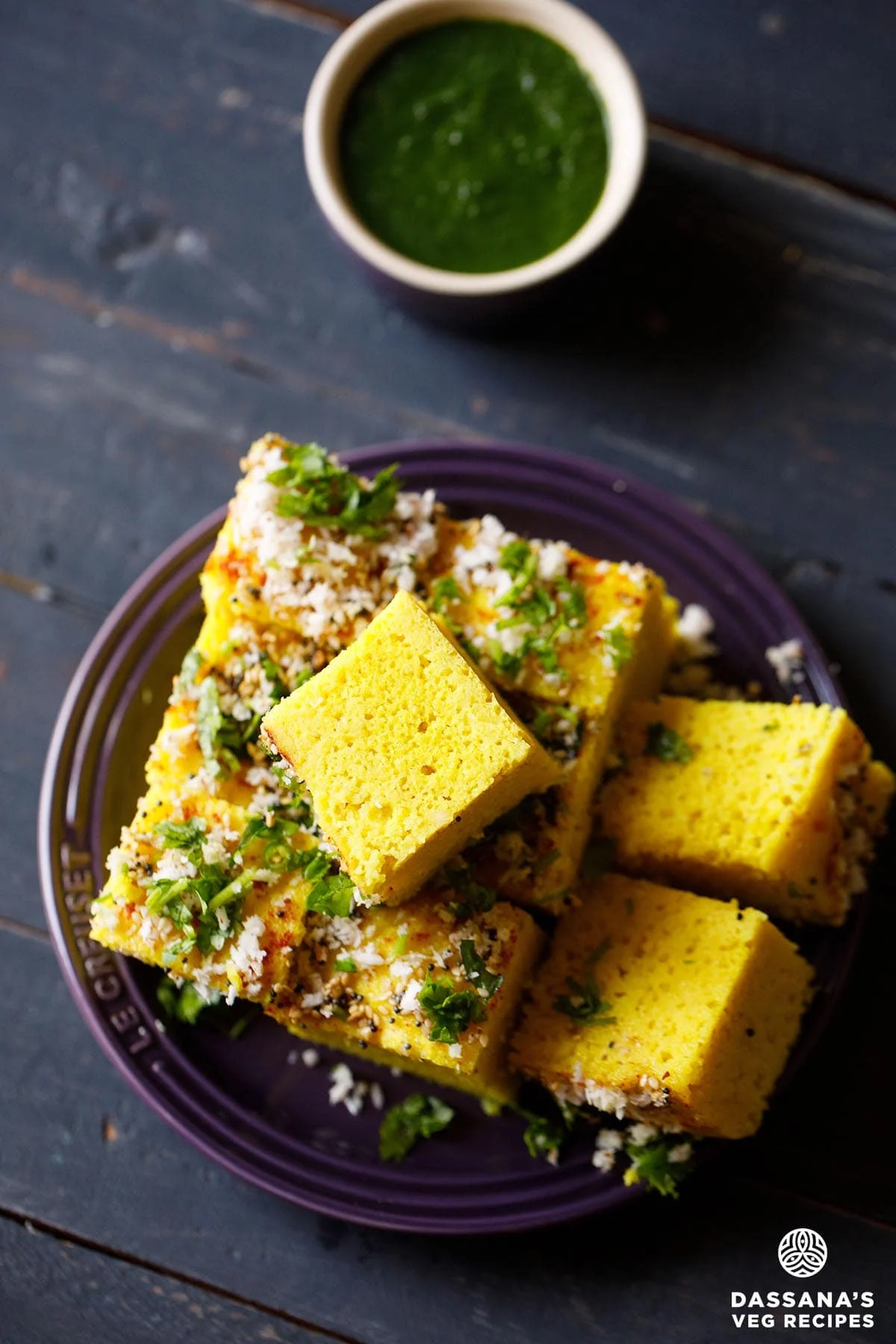
SURAT, GUJARAT — In the sprawling landscape of Indian regional cuisine, few states boast a snack culture as sophisticated and diverse as Gujarat. At the heart of this culinary tradition lies "Farsan"—a collective term for savory snacks that are as much a staple of daily life as they are of festive celebrations. Among the pantheon of steamed delicacies, Vati Dal Khaman, often referred to as Surati Khaman or Chana Dal Dhokla, stands as a testament to the region’s commitment to slow-food principles, fermentation science, and balanced nutrition.

While the modern era has seen a proliferation of "instant" mixes and quick-fix snacks, the traditional Vati Dal Khaman remains a labor-intensive masterpiece. Unlike its cousin, the common Khaman Dhokla—which is typically made from gram flour (besan) and leavened instantly—Vati Dal Khaman relies on the ancient alchemy of soaking, grinding, and overnight fermentation. This process not only imparts a signature tangy profile but also enhances the dish’s nutritional bioavailability, making it a subject of interest for both culinary historians and modern nutritionists.

Main Facts: Defining the Surati Staple
Vati Dal Khaman is distinguished by its primary ingredient: chana dal (split Bengal gram). The name "Vati" literally translates to "ground," signifying the core process of grinding soaked lentils into a coarse paste. This differs fundamentally from the smoother, lighter texture of besan-based dhokla.

The traditional recipe incorporates a small but vital proportion of rice, which provides structural integrity and a softer crumb. The addition of curd (yogurt) acts as the primary fermenting agent, working in tandem with the natural microflora present in the lentils and the environment. The result is a dense yet spongy cake, characterized by a vibrant yellow hue (from turmeric) and a complex flavor profile that balances the earthiness of the lentils with the acidity of fermentation and the sharp heat of green chilies.

The final dish is defined by its "tempering" or tadka—a hot oil infusion of mustard seeds, sesame seeds, and curry leaves, often finished with a splash of sweetened water. This step is not merely for flavor; it provides the essential moisture required to ensure the steamed cake does not feel dry on the palate.

Chronology: The Multi-Stage Evolution of a Recipe
The preparation of Vati Dal Khaman is a chronological exercise in patience, requiring a minimum of 14 to 16 hours from inception to plate.

Phase I: The Hydration Period (Hours 1–5)
The process begins with the meticulous selection of legumes. High-quality chana dal is combined with a 25% ratio of rice. Culinary experts often suggest the addition of a few fenugreek (methi) seeds during this stage. While optional, these seeds are known to aid in the fermentation process and provide a subtle aromatic undertone. The mixture undergoes a thorough rinsing before being submerged in water for a period of four to five hours. This hydration is critical; it softens the cellular structure of the dal, ensuring a consistent grind in the subsequent phase.

Phase II: Mechanical Transformation and Inoculation (Hours 6–15)
Once hydrated, the water is drained, and the solids are moved to a grinder. Here, the objective is "fine rava" consistency—a texture akin to semolina. Unlike many Indian batters that aim for total silkiness, Vati Dal Khaman requires a granular mouthfeel.

During this stage, aromatics such as ginger, green chilies, and cumin seeds are introduced. The resulting thick paste is then transferred to a deep vessel, where it is inoculated with curd and seasoned with turmeric, salt, and asafoetida (hing). The batter is then left to ferment in a warm, undisturbed environment for eight to nine hours. In colder climates, this duration may extend to 12 hours, while in the sweltering heat of a Gujarati summer, the process may conclude in as little as six.

Phase III: The Thermal Finish (Hours 15–16)
The final stage involves the introduction of leavening agents—typically baking soda or fruit salt (Eno)—reacted with lemon juice and a small amount of oil. This creates a rapid release of carbon dioxide, aerating the fermented batter just before it hits the steamer. The batter is steamed for 20 to 25 minutes over medium heat. Once cooled, the cake is tempered with a boiling mixture of oil, spices, sugar, and water, then garnished with fresh coriander and grated coconut.

Supporting Data: The Nutritional and Chemical Profile
From a dietetic perspective, Vati Dal Khaman offers a robust nutritional profile that challenges the "empty calorie" stigma often associated with snacks. According to standardized nutritional analysis, a typical serving (approximately 5 servings per recipe) contains:

- Calories: 271 kcal
- Protein: 9g (A significant source of plant-based protein)
- Fiber: 12g (Aiding in digestive health and satiety)
- Carbohydrates: 41g
- Fat: 9g (Primarily monounsaturated and polyunsaturated fats from peanut or sunflower oil)
- Micronutrients: Notable levels of Iron (3mg), Calcium (124mg), and Vitamin B9/Folate (170µg).
The chemical process of fermentation is the dish’s greatest health asset. During the 8-to-9-hour rest period, complex carbohydrates and proteins are partially broken down by lactobacilli. This "pre-digestion" increases the bioavailability of minerals like zinc and iron and reduces anti-nutritional factors such as phytic acid. Furthermore, the inclusion of turmeric and ginger provides anti-inflammatory properties, while asafoetida serves as a carminative, mitigating the gas-producing nature of the chana dal.

Official Responses: The Voice of Tradition and Expertise
While there is no single "official" governing body for Gujarati snacks, the consensus among culinary authorities and regional chefs emphasizes the cultural importance of preserving the "Surati" method.

"In the bustling markets of Mumbai and Surat, the Vati Dal Khaman vendor is a figure of local reverence," notes one culinary historian specializing in Western Indian diets. "The popularity of these vendors, who often sell out within hours of opening, speaks to a collective nostalgia. People recognize the difference between a batter that has been aged overnight and one that has been puffed up instantly with chemicals. One is a product of time; the other is a product of convenience."

Chefs often point to the "Vati" method as a hallmark of the "Slow Food" movement within the Indian context. They argue that the tanginess derived from natural fermentation is impossible to replicate with citric acid or lemon juice alone. The "expert" advice for home cooks remains consistent: the quality of the fermentation is dictated by the ambient temperature and the quality of the curd used.

Implications: The Modern Culinary Context
The enduring relevance of Vati Dal Khaman carries several implications for the future of regional Indian cuisine and the global health-food market.

1. The Resurgence of Fermentation: As the global West discovers the benefits of sourdough, kombucha, and kimchi, traditional Indian dishes like Khaman are being re-evaluated through a scientific lens. Vati Dal Khaman represents an indigenous probiotic-rich food that fits perfectly into the modern "gut health" trend.

2. Preservation of Artisanal Techniques: The rise of instant mixes (Gota/Dhokla flour) threatened to make the soaking-and-grinding method obsolete. However, a growing "back-to-basics" movement among younger urban Indians has seen a revival of these traditional techniques. The willingness to invest 16 hours into a snack indicates a shift in consumer values toward quality and authenticity over speed.

3. Economic and Street Food Vitality: Vati Dal Khaman remains a vital part of the micro-economy in Gujarat and Maharashtra. Small-scale vendors and "home-chefs" provide a crucial service, keeping regional variations alive. The "Surati" style, specifically, acts as a geographical indicator of quality, much like Champagne or Parmigiano-Reggiano, though without the formal legal protections.

4. Nutritional Security: In a country where protein deficiency is a concern, especially among vegetarian populations, the promotion of lentil-based, fermented snacks like Vati Dal Khaman offers a delicious and culturally acceptable pathway to improved nutrition.

In conclusion, Vati Dal Khaman is more than a savory cake; it is a complex intersection of history, chemistry, and community. Whether served with a spicy coriander chutney for breakfast or enjoyed as a light evening snack, it remains a vibrant, steaming symbol of Gujarat’s rich gastronomic legacy—a legacy that continues to ferment and flourish in the modern age.
