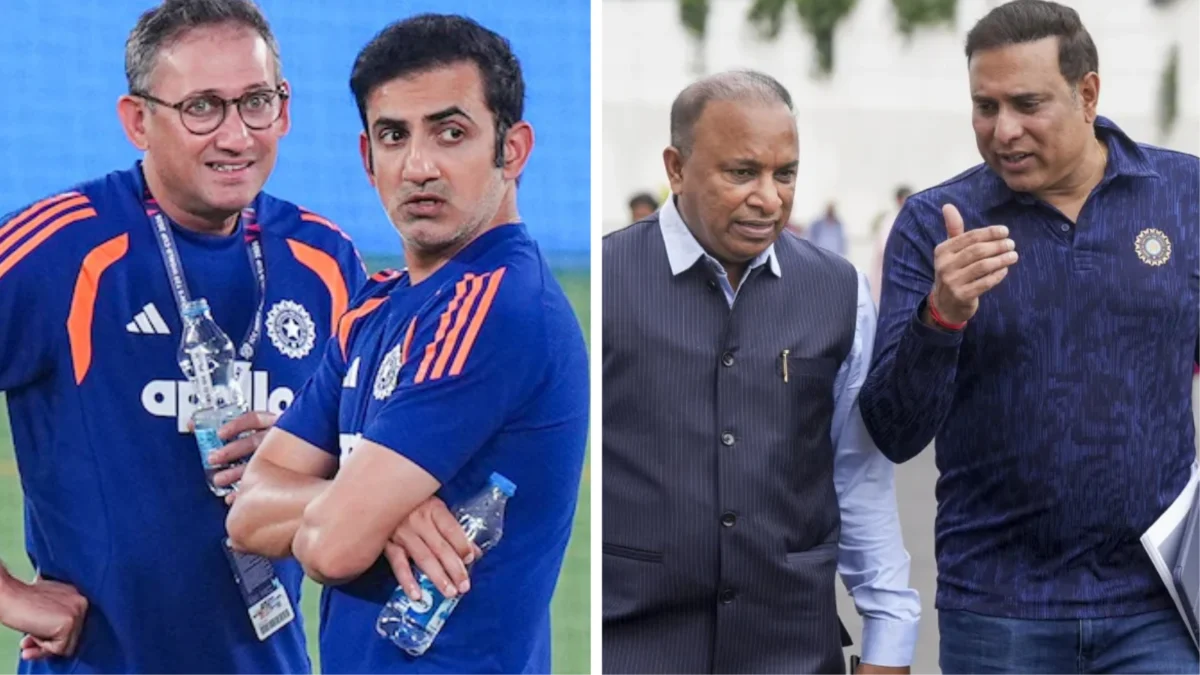
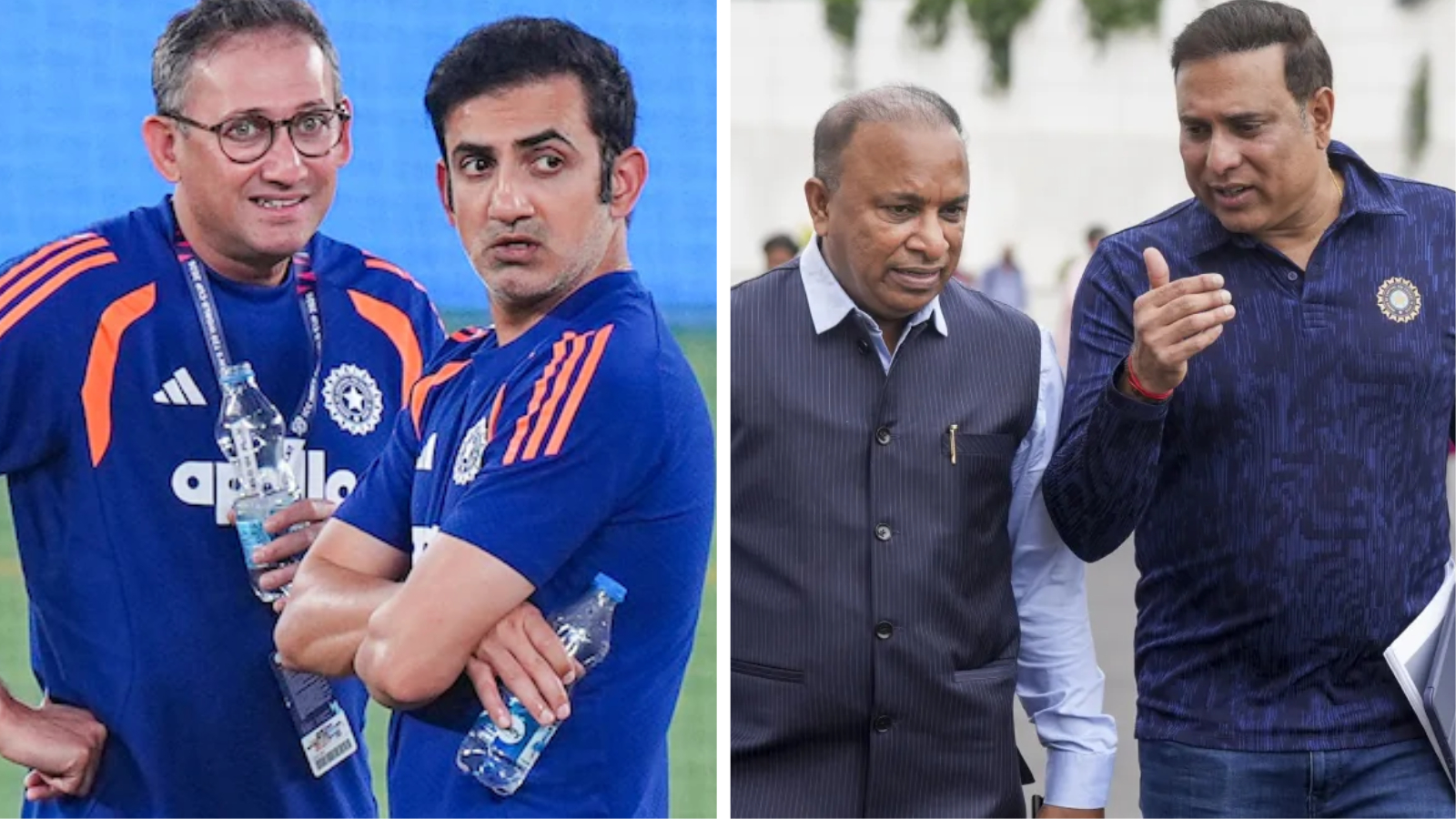
Mumbai, India – September 2, 2026 – The Board of Control for Cricket in India (BCCI), the apex governing body for cricket in the country, has summoned a critical meeting at its Mumbai headquarters on Thursday, September 4, 2026. This urgent summit will bring together key figures in Indian cricket: Head Coach Gautam Gambhir, Chief Selector Ajit Agarkar, and Head of the National Cricket Academy (NCA), VVS Laxman. The agenda is multifaceted and pressing, aiming to dissect India’s recent dismal performances on overseas tours, strategize for the forthcoming international assignments, and, crucially, address the escalating crisis surrounding player injury management and communication breakdowns within the national setup.
The meeting, long-anticipated following a series of disappointing results, comes at a pivotal juncture for Indian cricket. With the 2027 ICC World Cup looming on the horizon, the board is determined to ensure all stakeholders are aligned on a robust roadmap for the future. The discussions are expected to be candid, focusing on both immediate tactical adjustments and systemic reforms necessary to restore India’s formidable reputation on the global stage.
Main Facts: A Confluence of Crisis and Strategy
The upcoming BCCI meeting is a direct response to a concerning decline in the Indian team’s performance and a growing list of critical operational challenges. Scheduled for Thursday, September 4, 2026, at the BCCI’s Mumbai headquarters, the gathering will be a pivotal moment for Indian cricket.
At its core, the meeting seeks to achieve several key objectives:
- Performance Review: A comprehensive post-mortem of India’s recent overseas tours, specifically the T20I series loss in Ireland and the T20I and ODI series defeats in England. These results have sent shockwaves through the cricketing fraternity, prompting the board to seek immediate answers.
- Strategic Blueprint for the Future: Develop a coherent long-term strategy for Indian cricket, with a particular emphasis on preparations for the 2027 ICC World Cup. This includes discussions on player development, talent identification, and tactical approaches across formats.
- Player Injury Management Overhaul: Address the pervasive issue of player injuries, which has plagued the national team in recent times. The board aims to scrutinize the current injury management protocols at the National Cricket Academy (NCA), identify the root causes of frequent breakdowns, and establish a more effective system to ensure player fitness and availability.
- Bridging Communication Gaps: Tackle the reported communication chasm between players, the NCA (formerly Centre of Excellence or CoE), and the senior selection committee. Instances where the selection committee was allegedly not fully apprised of player fitness status have highlighted a systemic flaw that needs urgent rectification.
- IPL Workload Assessment: Evaluate the impact of the demanding Indian Premier League (IPL) schedule on player fitness and national team availability. Discussions will revolve around finding a sustainable balance that allows players to participate in the lucrative league while prioritizing national commitments and long-term well-being.
BCCI Secretary Devajit Saikia had previously indicated the board’s intention to review India’s away form after the losses, but the meeting faced an unexplained delay. This delay has only amplified the urgency and significance of Thursday’s discussions, as the cricketing world watches intently for decisive action. The collective expertise of Coach Gambhir, Selector Agarkar, and NCA Head Laxman will be crucial in navigating these complex issues and charting a robust course for Indian cricket.
A Season of Discontent: Chronology of Recent Setbacks
The catalyst for this high-level intervention by the BCCI is a string of disheartening performances by the Indian national team on their recent overseas assignments. What began as a minor blip has rapidly escalated into a pattern of defeat, raising serious questions about the team’s preparedness, tactical acumen, and resilience in challenging conditions.
The slide began in June 2026 with the two-match T20 International series against Ireland. India, the reigning T20 World Cup champions and a team boasting an impressive 16-series unbeaten streak stretching nearly three years, suffered a stunning 2-0 whitewash. This defeat was not merely a loss but a significant psychological blow, shattering a remarkable run of dominance in the shortest format and exposing vulnerabilities that many believed had been ironed out. The nature of the defeats, particularly against a lower-ranked side, underscored a worrying lack of intensity and execution.
Following the Irish debacle, the team travelled to England for what was anticipated to be a sterner test. The tour, however, turned into an even more painful ordeal. The five-match T20I series was a complete capitulation, with India succumbing to a humiliating 4-0 defeat. Among the low points was a crushing 125-run loss in Nottingham, a margin of defeat that is rare for a team of India’s calibre and a stark indicator of the chasm that existed between the two sides on the day. The batting faltered repeatedly, the bowling lacked incision, and the fielding often appeared lethargic, painting a grim picture of a team struggling to adapt and compete.
While the T20I performances were disastrous, India managed to salvage a modicum of pride in the subsequent One Day International (ODI) series. They clinched the opener in Birmingham, showcasing glimpses of their potential and offering a glimmer of hope. However, this momentary resurgence was short-lived, as England quickly regrouped to win the remaining matches, sealing the ODI series 2-1. The overall impression from the England tour was one of inconsistency and an inability to convert promising starts into sustained dominance, particularly in crunch situations.
These results, coming in quick succession, have not only dented India’s formidable reputation but have also brought into sharp focus underlying issues that extend beyond mere on-field execution. The delay in convening this crucial review meeting, despite BCCI Secretary Devajit Saikia’s earlier commitment to scrutinizing India’s away form, has only added to the sense of unease. While the reasons for the delay remain officially unclear, it has allowed the negative narrative to fester, placing immense pressure on the current leadership to provide concrete solutions and a clear path forward. The cumulative weight of these defeats forms the immediate and most critical backdrop to Thursday’s high-stakes discussions.
Supporting Data: The Deep Dive into India’s Challenges
Beyond the raw numbers of wins and losses, a closer examination reveals systemic issues that have contributed significantly to India’s recent struggles. The BCCI meeting will delve into these underlying problems, which span player fitness, workload management, and communication within the cricketing ecosystem.
The Alarming Injury Epidemic
Perhaps the most pressing concern facing Indian cricket is the recurring spate of player injuries. The frequency and timing of these breakdowns, often ahead of crucial tours or major tournaments, have drawn widespread criticism towards both the BCCI and the National Cricket Academy (NCA). There is a palpable sense that the current injury management protocols are failing, leading to a significant loss of talent and continuity for the national team.
Reports suggest a growing lack of confidence among players in the NCA’s rehabilitation and fitness programmes. This sentiment, if widespread, undermines the very institution designed to safeguard their physical well-being. The implications are profound: players may seek alternative, private solutions, or worse, play through minor niggles, exacerbating injuries.
Concrete examples underscore the severity of the problem:
- Jasprit Bumrah: The pace spearhead, critical to India’s success across formats, was ruled out of the crucial Sri Lanka tour due to an aggravation of his left knee injury. More alarmingly, it was reported that the selection committee was not adequately informed about his fitness status, highlighting a severe communication breakdown that allowed a key player to be selected when not fully fit. Such oversight is not just an administrative lapse but a strategic blunder with direct on-field consequences.
- Washington Sundar: Another promising all-rounder, Sundar, also found himself sidelined due to injury, missing important assignments.
- Sai Sudharsan: A young talent, Sudharsan’s recovery from injury reportedly took significantly longer than anticipated, further raising questions about the efficacy of rehabilitation processes.
The immediate consequences of this epidemic are evident in the upcoming series against Afghanistan. Four players – Jasprit Bumrah, Washington Sundar, Nitish Reddy, and Harshit Rana – have their participation pending fitness tests scheduled for September 9. This uncertainty, so close to a major international fixture, disrupts team planning and forces last-minute adjustments, reflecting a reactive rather than proactive approach to player health. The BCCI meeting must address how to drastically reduce the injury rate, particularly among its precious pool of fast bowlers, who are often the most susceptible to wear and tear.
The IPL Workload Conundrum
The phenomenal success of the Indian Premier League (IPL) has undeniably transformed Indian cricket, but it also presents a significant challenge in managing player workload. The grueling schedule of the IPL, combined with the demands of international cricket, often pushes players to their physical limits. Team management has repeatedly voiced concerns to the BCCI about not having players available at full strength for national duties, a direct consequence of the intensive IPL season.
The dilemma is complex: the IPL provides invaluable experience and financial security for players, but its intensity can leave them fatigued or nursing injuries just as the national team requires their peak performance. The BCCI needs to explore mechanisms for better coordination with IPL franchises, perhaps involving shared medical data, staggered player availability, or specific rest periods for key national players, to mitigate the impact of the league’s workload.
Hardik Pandya’s Pivotal Role and Fitness Concerns
All-rounder Hardik Pandya represents a unique and critical case study within the injury crisis. His ability to contribute with both bat and ball makes him indispensable, particularly with the 2027 World Cup in mind. The selection committee views his availability as paramount for India’s aspirations. However, his current fitness status is a major concern: he reportedly cannot bowl more than five or six overs in a One Day International match.
This limitation severely impacts team balance and strategic options, especially in the longer formats. The meeting must devise a dedicated, long-term fitness and recovery plan for Pandya, focusing not just on his immediate availability but on ensuring he can sustain the rigours of all-round cricket consistently through to the World Cup. This might involve carefully managed workloads, specific rehabilitation programmes, and perhaps even selective participation in certain formats to preserve his capabilities.
Communication Breakdown: A Systemic Flaw?
The incident involving Jasprit Bumrah, where the selection committee was reportedly unaware of his unfitness for a tour, points to a deeper systemic flaw: a significant communication gap. This breakdown appears to exist between the players, the NCA, and the selection committee. Effective communication is the bedrock of any high-performing sports organization, and its absence can lead to misinformed decisions, player frustration, and ultimately, compromised team performance.
Such gaps can result in:
- Players feeling unheard or undervalued regarding their physical state.
- The NCA’s assessments not being fully integrated into selection decisions.
- The selection committee making calls based on incomplete or outdated information.
The meeting must address this urgently by establishing clear, standardized, and mandatory communication protocols. This could involve regular, multi-stakeholder meetings, centralized medical databases accessible to all relevant parties, and a culture of transparency where player fitness updates are promptly and thoroughly shared across the entire national setup. Rectifying this fundamental flaw is essential for building trust and ensuring that India’s cricketing machinery operates as a cohesive unit.
Official Responses and Board’s Stance
The BCCI, through its Secretary Devajit Saikia, had previously acknowledged the need for a thorough review of India’s away form following the disappointing tours of Ireland and England. This public commitment signaled the board’s awareness of the team’s struggles and the necessity for corrective action. However, the subsequent, unexplained delay in convening this crucial meeting has raised eyebrows and fueled speculation about internal dynamics or the sheer complexity of the issues at hand.
Despite the delay, the board’s current stance, as communicated through official channels, emphasizes a critical objective: to ensure "all stakeholders are aligned." This alignment is not just for the immediate challenges, such as the upcoming tour of New Zealand, but critically, for the overarching goal of the 2027 ICC World Cup. The language suggests a desire for unity and a unified vision across the coaching staff, selectors, and the medical and support teams.
The presence of Head Coach Gautam Gambhir, Chief Selector Ajit Agarkar, and NCA Head VVS Laxman at the meeting underscores the BCCI’s intention to hold key figures accountable while also seeking their collective wisdom. There is an implicit pressure on these individuals, whose roles are central to player performance, selection, and fitness, to present viable solutions and a clear strategic direction.
While no specific official statements detailing the board’s proposed solutions have been released prior to the meeting, the focus areas – performance review, injury management, communication, and workload – clearly indicate the BCCI’s recognition of systemic problems. The board is expected to convey a strong message that the current trajectory is unacceptable and that decisive measures are required to regain India’s competitive edge. The lack of clarity around the delay, however, might also suggest internal debates or the difficulty in coordinating schedules among such high-profile individuals, highlighting the logistical challenges inherent in managing a vast cricketing ecosystem like India’s. Nevertheless, the board’s public commitment to addressing these issues firmly positions it as a proactive entity seeking to steer Indian cricket back to its dominant position.
Implications: Charting the Course for Indian Cricket’s Future
The outcomes of Thursday’s BCCI meeting will have far-reaching implications, shaping not only the immediate future of the national team but also the long-term strategic direction of Indian cricket. The decisions made here could mark a turning point, ushering in an era of reform or, if inadequately addressed, deepening the current malaise.
Strategic Overhaul and Long-Term Vision
The primary implication of this meeting is the potential for a significant strategic overhaul. With the 2027 World Cup as a clear target, the discussions will likely revolve around developing a cohesive long-term vision. This could include:
- Selection Policy Refinement: A renewed focus on fitness as a non-negotiable criterion for selection, potentially leading to more stringent fitness tests and benchmarks. The selection committee might be empowered with clearer guidelines on managing player availability and injury risks.
- Coaching Methodologies: An evaluation of current coaching strategies, particularly concerning player adaptability to diverse international conditions. Gambhir and his team might be tasked with developing more robust plans for overseas tours, emphasizing preparation for specific challenges.
- Talent Pipeline: Re-evaluating the development pathways from junior cricket to the national team. This might involve closer collaboration between the NCA, state associations, and India A teams to ensure a consistent flow of match-ready talent, especially in areas like fast bowling and all-round capabilities.
Reforming Player Management and Medical Protocols
The injury crisis demands immediate and comprehensive reform. The implications here are critical for player welfare and national team performance:
- Enhanced Medical Infrastructure: The NCA’s medical and rehabilitation facilities could see a significant upgrade, with increased investment in sports science, physiotherapy, and mental conditioning expertise.
- Stricter Fitness Protocols: Implementation of more rigorous and standardized fitness tests that are consistently applied across all national contract players. These protocols should be designed to prevent injuries rather than merely react to them.
- Integrated Health Records: A centralized, accessible digital health record system for all national and aspiring national players, ensuring that medical history, injury reports, and rehabilitation progress are transparently shared between the NCA, national team management, and the selection committee.
- Building Player Confidence: Initiatives to rebuild player trust and confidence in the NCA, possibly through regular feedback mechanisms, improved communication from medical staff, and demonstrable success in injury management.
Navigating the IPL-National Duty Dynamic
Finding a sustainable equilibrium between the IPL and national duty is paramount. The meeting could lead to:
- Workload Management Policies: Formulation of clear policies on player workload during the IPL, possibly involving mandated rest periods for key national players, or even discussions with franchises about managing specific players’ overs or match participation.
- Collaborative Monitoring: Establishing a joint monitoring system involving the BCCI, NCA, and IPL franchises to track player fitness and fatigue levels throughout the season, allowing for proactive interventions.
- Prioritization Framework: A clear framework that prioritizes national duty and long-term player health, even if it means occasional adjustments to IPL commitments. This requires careful negotiation and cooperation with all stakeholders.
The Road Ahead: New Zealand Tour and Beyond
The immediate implication of this meeting will be its impact on the upcoming tour of New Zealand later this year. The decisions made on Thursday will directly influence team selection, preparation strategies, and player availability for this crucial assignment. A strong performance in New Zealand is essential to regain momentum and confidence ahead of the 2027 World Cup cycle.
More broadly, the meeting’s outcomes will determine India’s standing as a cricketing powerhouse. A failure to address these systemic issues effectively could see India continue to falter on the international stage, ceding its dominant position. Conversely, decisive action and a clear, unified strategy could reinvigorate the team, foster a culture of accountability and excellence, and set India back on course for sustained success in global cricket. The stakes could not be higher for the future trajectory of the sport in a nation where cricket is more than just a game – it’s an enduring passion.