

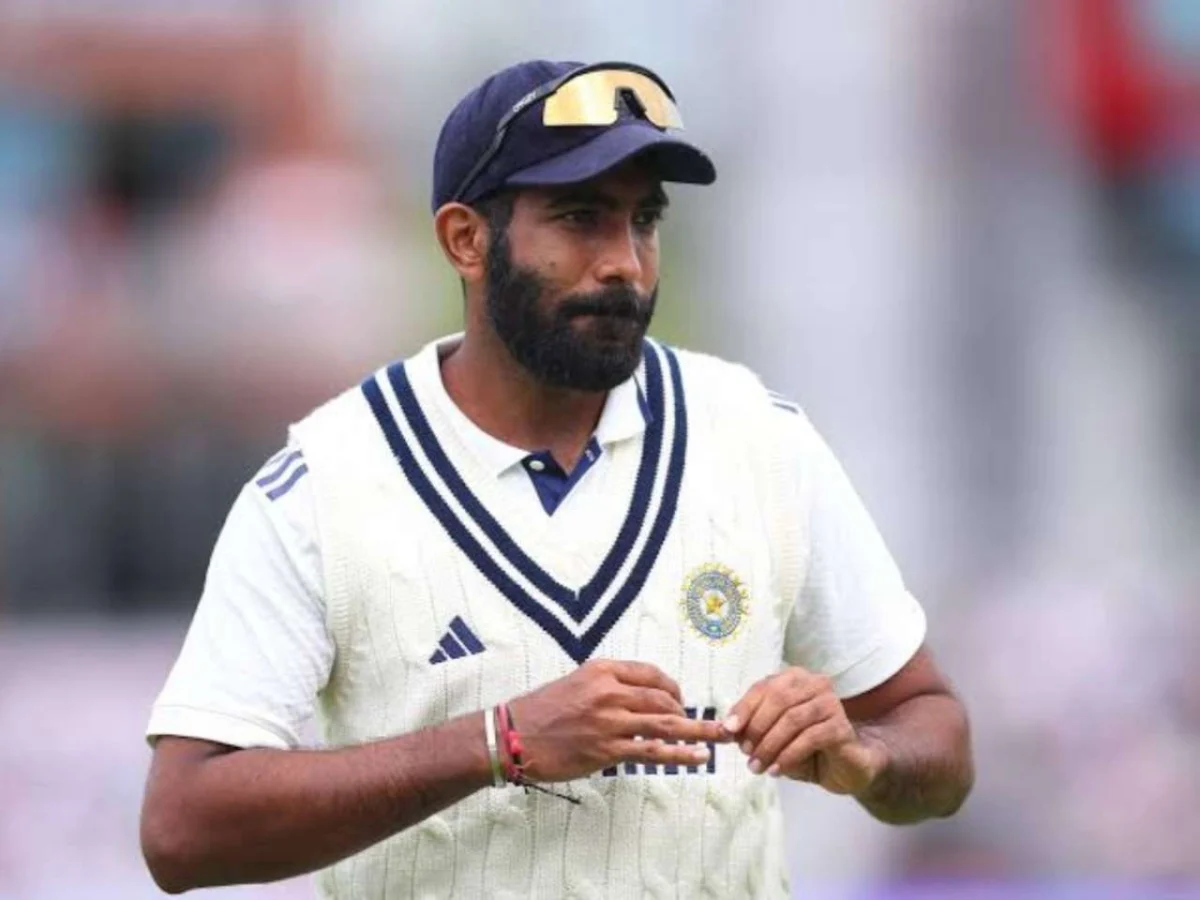
Mumbai, India – The dynamic landscape of international Test cricket has once again seen a significant recalibration in the latest ICC player rankings, revealing shifts in the pecking order for bowlers and a reaffirmation of dominance for an Indian all-rounder. Star Indian fast bowler Jasprit Bumrah has experienced a notable dip, falling to third place in the ICC Test bowlers’ rankings. This descent comes as Australia’s Mitchell Starc ascends to the coveted number one spot, highlighting the fierce competition at the pinnacle of the sport.
Despite Bumrah’s slide, India’s presence remains robust across the charts. The indomitable Ravindra Jadeja continues his undisputed reign as the world’s premier Test all-rounder, a testament to his consistent excellence with both bat and ball. Furthermore, the Indian batting line-up maintains a foothold in the elite top 10, with Rishabh Pant and Shubman Gill holding steady, underscoring the nation’s multi-faceted strength in the longest format of the game. These shifts not only reflect individual performances but also offer a snapshot of the current global power dynamics in Test cricket, setting the stage for intriguing narratives in upcoming series.
A Shifting Landscape in Test Bowling: The Rise of Pace and Precision
The latest update to the ICC Test bowling rankings presents a compelling narrative of ascendancy and resilience, particularly among the fast bowling fraternity. While Jasprit Bumrah’s temporary dip might raise eyebrows among Indian fans, it underscores the intense competition and razor-thin margins at the very top of the sport.
Bumrah’s Descent and the Ascent of Starc and Henry
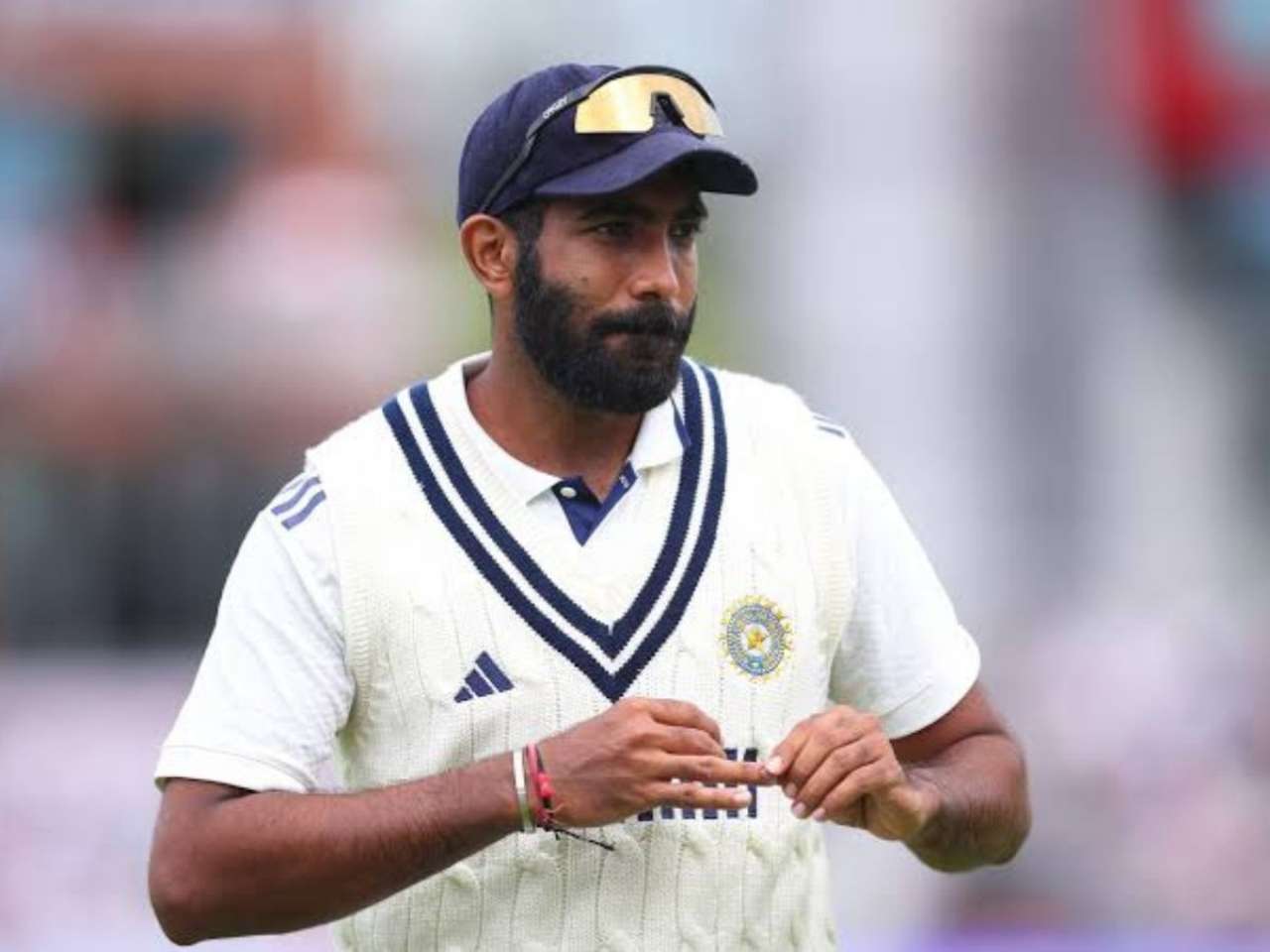
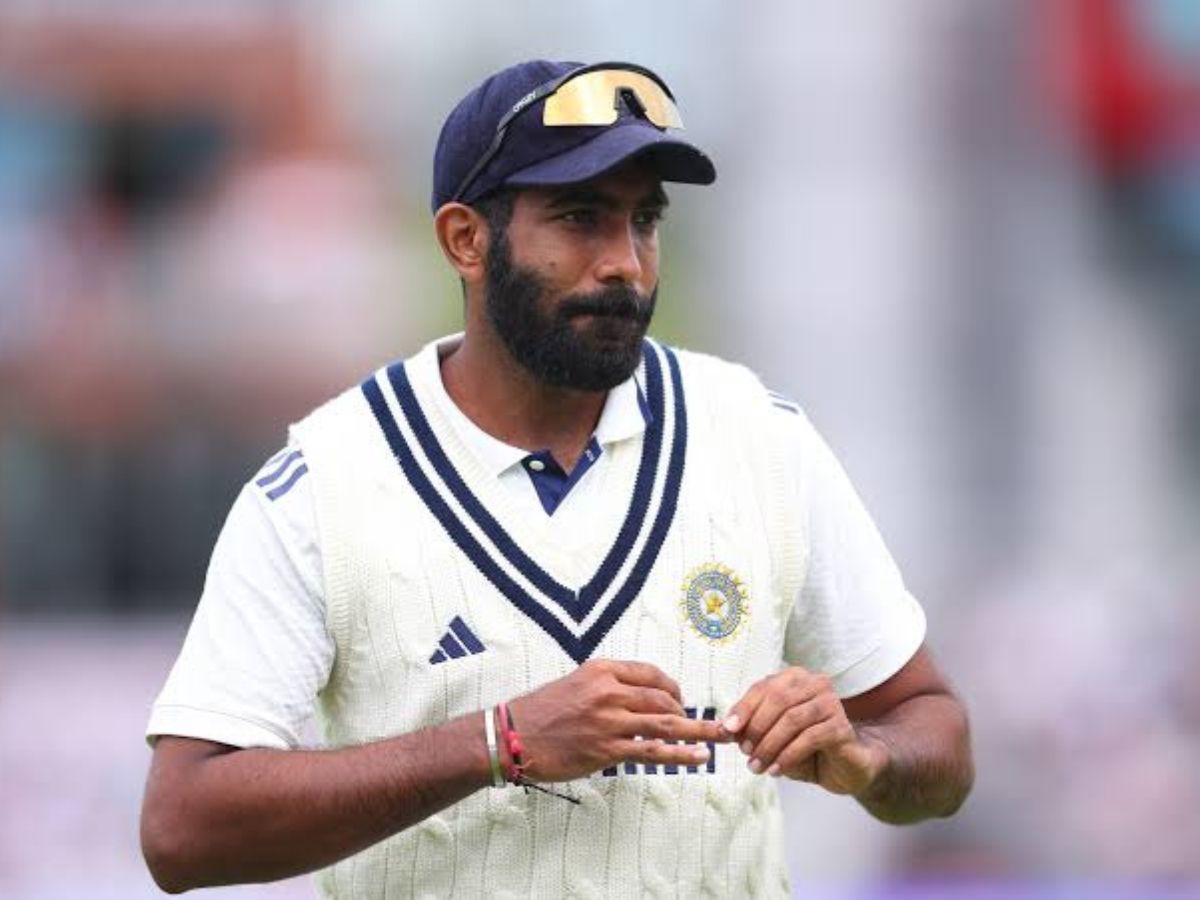
Jasprit Bumrah, long considered one of the most formidable pacers in world cricket, has seen his rating points slightly diminish, placing him third with 853 points. His recent performances, while still impactful, haven’t quite matched the sheer statistical dominance of his peers, leading to a marginal but significant slide. This development is not a reflection of a decline in his overall quality but rather a testament to the exceptional form of others.
Leading the charge now is Australia’s left-arm speedster, Mitchell Starc, who has surged to the number one position with an impressive 872 rating points. Starc’s climb to the summit is a well-deserved reward for his relentless aggression, searing pace, and consistent wicket-taking ability, particularly evident in recent high-profile Test series. His ability to deliver crucial breakthroughs, often turning the tide of a match with his express pace and swinging deliveries, has been instrumental in Australia’s recent successes. Starc’s journey to the top is a story of perseverance, having battled injuries and competition within a strong Australian pace battery, to emerge as the world’s leading Test bowler. His ability to generate extreme pace and late swing, especially with the old ball, makes him a nightmare for opposition batsmen, often leading to unplayable deliveries that dismantle batting lineups.
Hot on Starc’s heels is New Zealand’s Matt Henry, who occupies the second spot with 861 points. Henry’s ascent has been more understated but equally impressive. He has consistently delivered impactful performances, particularly in conditions conducive to swing and seam bowling. His disciplined lines, subtle movement, and knack for picking up crucial wickets have made him a linchpin of the New Zealand attack. Henry embodies the classic Test match fast bowler, relying on relentless accuracy and seam movement rather than outright pace, proving that consistency and control can be just as, if not more, effective at the elite level. His sustained excellence, often overshadowed by more flamboyant teammates, has finally earned him well-deserved recognition among the global elite.
)
Ollie Robinson’s Resurgence: England’s New Spearhead
Adding another layer of intrigue to the bowling charts is the remarkable surge of England’s Ollie Robinson. The tall right-arm seamer has catapulted six places to secure a spot in the top five, now holding fifth place with 831 rating points. This significant leap follows an outstanding performance in the Lord’s Test against Pakistan, where he claimed a magnificent eight wickets. His heroics not only earned him his second consecutive Player of the Match award but also marked his return to the top five for the first time since July 2023.
Robinson’s success lies in his exceptional accuracy, relentless probing of the off-stump channel, and ability to extract bounce and movement, making him a potent threat in English conditions and beyond. His disciplined approach and knack for generating uncomfortable angles have made him a formidable opponent for even the most accomplished batsmen. His recent form suggests he is back to his best, adding considerable firepower to England’s Test attack and bolstering their hopes for future series. His ability to build pressure over long spells is invaluable, often setting up wickets for himself or his bowling partners, thereby proving his worth as a genuine Test match specialist.
Emerging Talent Among Fast Bowlers: New Faces on the Rise
Beyond the top echelons, several other fast bowlers have made significant strides, signaling a promising future for Test cricket across various nations. Sri Lanka’s Asitha Fernando has climbed four spots to reach 11th place, a reward for his four-wicket haul against India in the Colombo Test. Fernando’s raw pace and ability to swing the ball have made him a vital asset for Sri Lanka, and his continued improvement is crucial for their Test aspirations.

England’s Josh Tongue has also moved up four places to joint 13th, showcasing his potential as another promising fast bowling option for the Three Lions. Tongue’s impactful debut series and his ability to bowl with genuine pace and aggression have caught the eye of selectors and pundits alike. Pakistan’s Mohammad Abbas, known for his masterful seam movement and unerring accuracy, has made a remarkable leap of 10 spots to joint 15th position. Abbas’s return to form and his ability to consistently trouble batsmen with his subtle variations remain a key weapon for Pakistan’s Test attack, demonstrating that experience and skill with the Duke or Kookaburra ball can still outfox the best. These movements highlight the continuous churn of talent and the demanding nature of Test cricket, where consistent performance is paramount to maintaining or improving one’s standing.
Ravindra Jadeja: The Undisputed All-Rounder King
Amidst the fluctuations in bowling and batting rankings, one constant beacon of excellence shines brightly: India’s Ravindra Jadeja. He continues to hold the coveted number one spot among Test all-rounders, a position he has occupied with remarkable consistency and authority. Jadeja’s sustained dominance in this category is a testament to his extraordinary versatility and impact on the game, making him arguably one of the most valuable assets in world cricket.
Jadeja’s reign as the top all-rounder is built upon a foundation of consistent contributions across all three facets of the game. With the ball, his left-arm orthodox spin is a potent weapon, particularly on Indian pitches, where he extracts prodigious turn and bounce, often running through opposition batting line-ups with his accurate and relentless bowling. But his influence extends beyond subcontinental conditions; his ability to bowl long, economical spells and pick up crucial wickets in all conditions makes him an indispensable part of India’s Test strategy. His flat trajectory and subtle variations often leave batsmen guessing, leading to a steady stream of dismissals, especially in the middle overs.
)
With the bat, Jadeja has transformed into a highly reliable lower-order batsman, capable of not only holding an innings together but also accelerating the scoring rate when needed. His aggressive yet intelligent stroke play has led to several crucial half-centuries and even centuries, often turning the tide of a match in India’s favor from seemingly precarious positions. His ability to adapt his batting to different match situations, from grinding out runs to launching an offensive, makes him a true all-format threat. He has developed a reputation for being a crisis man, delivering vital runs when the top order has faltered, thereby adding immense depth to India’s batting lineup.
And then there’s his fielding. Widely regarded as one of the best fielders in the world, Jadeja’s athleticism, lightning-fast reflexes, and pinpoint accuracy with his throws are legendary. He saves countless runs, takes spectacular catches, and his presence on the field elevates the entire team’s energy. His ability to turn half-chances into wickets and save crucial boundaries makes a tangible difference to the outcome of matches. This holistic contribution across bowling, batting, and fielding solidifies his status as the premier all-rounder, a rare breed of cricketer who can single-handedly influence a game’s direction at any given moment. His consistent performance ensures India has a balanced attack and a deeper batting order, making them a formidable opponent in any Test arena.
Indian Batting Contingent Holds Ground: Pant and Gill Lead the Charge
While the bowling rankings saw a shuffle at the top for India, the batting charts reflect a commendable consistency from the Indian contingent. Two dynamic Indian batsmen continue to feature prominently in the top 10, reaffirming India’s strength in the longest format.
)
Pant and Gill: Flag Bearers in the Top 10
Rishabh Pant, the flamboyant wicketkeeper-batsman, maintains his position at seventh in the Test batting rankings. Pant’s unconventional yet highly effective style of play has made him a match-winner for India, particularly with his aggressive counter-attacking innings that can turn the momentum of a Test match on its head. His fearless approach, coupled with his improved maturity and understanding of game situations, has solidified his place as a crucial cog in India’s middle order. Despite the inherent risks in his batting, Pant’s ability to score quickly and dismantle opposition bowling attacks makes him one of the most exciting batsmen in world cricket, and his presence in the top 10 is a testament to his unique impact. His consistent performances since his return from injury have dispelled any doubts about his ability to perform at the highest level, showcasing his remarkable mental fortitude and skill.
Joining him in the elite bracket is the elegant Shubman Gill, who holds the ninth position. Gill represents the new generation of Indian batting talent, characterized by his exquisite technique, elegant stroke play, and growing temperament. His ability to score runs across different conditions and against varied bowling attacks speaks volumes about his potential to become a long-term stalwart for India in Test cricket. Gill’s classical approach, combined with his modern adaptability, makes him a formidable opener or top-order batsman. His presence in the top 10 highlights his consistent run-scoring and the promise he holds for leading India’s batting future. Both Pant and Gill, in their distinct styles, are crucial to India’s Test aspirations, offering a blend of aggression and classical batting prowess. Their continued presence among the world’s best batters ensures India remains a top contender in Test cricket, with a blend of experience and youthful exuberance.
The Ascent of Devdutt Padikkal
Beyond the top 10, young Indian batsman Devdutt Padikkal has also shown promising signs, improving by five places to reach 54th. While still a developing player at the international level, Padikkal’s upward movement indicates his potential and the depth of batting talent within the Indian system. His performances in domestic cricket and glimpses of his ability in Test matches suggest he is a player to watch out for in the coming years, potentially pushing for higher honors in the future. His steady progress is a positive sign for Indian cricket, ensuring a strong pipeline of talent.
)
Harry Brook Leads a Dynamic Batting Chart: Global Talent on Display
The ICC Test batting rankings continue to highlight a blend of established stalwarts and explosive new talent, with England’s Harry Brook currently sitting atop the leaderboard. This dynamic chart reflects the ever-evolving nature of Test cricket and the emergence of batsmen who can dominate across conditions.
Brook’s Dominance and the Stalwarts Below
England’s Harry Brook has firmly entrenched himself as the number one Test batsman in the world. Brook’s meteoric rise has been nothing short of spectacular, characterized by his aggressive, free-flowing style and his remarkable ability to score rapidly without compromising on technique. His fearless approach to Test batting, often dismantling opposition attacks with an array of powerful strokes, has made him a sensation. Brook’s consistent big scores, often at a brisk pace, have been a significant factor in England’s recent "Bazball" era, showcasing his adaptability and ability to dictate terms to bowlers. His ascension to the top spot, after a relatively short but impactful career, underscores his immense talent and his potential to redefine modern Test batting.
Following Brook are two of the most consistent and prolific run-scorers of the modern era: Australia’s Steve Smith in second place and England’s Joe Root in third. Smith, with his unique technique and insatiable hunger for runs, remains a master craftsman in Test cricket, capable of grinding out centuries in the toughest conditions. Root, on the other hand, embodies elegance and resilience, his classical style coupled with his ability to score consistently across formats makes him one of England’s all-time greats. The presence of these two titans directly behind Brook highlights the blend of experience and youthful exuberance at the top of Test batting. Their sustained excellence continues to inspire and challenge the younger generation, setting a high benchmark for consistency and run-scoring prowess.
)
Global Batting Talent on the Rise
The batting charts also reveal an exciting influx of talent from various cricketing nations, indicating a healthy competitive environment across the globe. Sri Lanka’s Kamindu Mendis has made an impressive entry into the top 10 after climbing two spots. Mendis’s recent performances, marked by his calm demeanor and ability to play crucial innings, suggest he is a rising star for Sri Lankan cricket.
Pakistan’s Saud Shakeel has made a remarkable rise of 15 places to 18th. Shakeel’s left-handed elegance and solid technique have seen him accumulate runs consistently, proving to be a valuable addition to Pakistan’s middle order. Sri Lanka’s Sonal Dinusha has also jumped an astounding 29 places to 25th, indicating a breakout performance and immense potential. These significant movements highlight the depth of talent emerging in Test cricket, promising exciting battles and individual performances in the years to come. The rise of these new faces not only injects fresh energy into the game but also ensures that the fight for top spots remains fiercely contested, benefiting the global appeal of Test cricket.
Chronology of Recent Ranking Shifts and Performance Drivers
The ICC Test rankings are a dynamic reflection of player performance over a rolling period, with recent matches carrying more weight. The current shifts are a direct consequence of a series of impactful individual performances and significant Test series across the cricketing world.
)
Jasprit Bumrah’s slip from the top was largely influenced by Mitchell Starc’s exceptional run of form in recent months. Starc’s dominant performances in the Ashes series and subsequent home Tests, where he consistently picked up vital wickets with his express pace and swing, provided the necessary points surge to overtake Bumrah. For instance, a series against a strong opposition where Starc claimed multiple five-wicket hauls would have heavily skewed the points in his favor. Bumrah, while still delivering strong performances, may have had a slightly less impactful recent spell or faced periods of rest, which can affect a player’s rating points in a highly competitive system.
Matt Henry’s steady climb is a result of his consistent wicket-taking ability, particularly in home conditions, where he has been a reliable spearhead for New Zealand. His disciplined line and length, coupled with subtle seam movement, have seen him bag crucial wickets against top teams, steadily accumulating points without necessarily grabbing headlines with explosive performances.
Ollie Robinson’s dramatic jump into the top five is directly attributable to his outstanding display in the Lord’s Test against Pakistan. His eight-wicket haul in that match, which earned him the Player of the Match award, would have provided a significant boost to his rating points, catapulting him upwards. This performance was a clear indicator of his return to peak form, capitalizing on favorable conditions and executing his skills to perfection.
)
On the batting front, Harry Brook’s ascent to world number one has been fuelled by a relentless stream of high scores, often at an astonishing strike rate. His century-laden performances against various oppositions, particularly in England’s aggressive ‘Bazball’ approach, have seen him accumulate points at an unprecedented pace for a relatively new entrant. His ability to dominate bowling attacks and score impactful runs has been a defining feature of his recent Test career.
The sustained presence of Rishabh Pant and Shubman Gill in the top 10 for India reflects their consistent run-scoring in challenging conditions. Pant’s unique match-winning innings, often under pressure, and Gill’s elegant yet effective starts at the top of the order have ensured they remain highly-rated by the ICC’s algorithm. Ravindra Jadeja’s undisputed reign as the top all-rounder is a testament to his consistent contributions with both bat and ball over an extended period, showcasing his value in every Test match he plays. His ability to pick up wickets, score crucial runs, and be a game-changer in the field ensures a steady flow of all-rounder points, making him almost unassailable at the top. These chronological developments underscore that ICC rankings are not static but a dynamic reflection of a player’s recent form and impact on the game.
Deeper Dive into the ICC Ranking Methodology and Supporting Data
The ICC Player Rankings are more than just arbitrary numbers; they are a sophisticated, statistically-driven system designed to provide an objective measure of player performance in international cricket. Understanding the methodology helps contextualize the shifts seen in the latest rankings.
)
The system assigns points based on a player’s performance in matches, with various factors influencing the total. These factors include:
- Runs Scored/Wickets Taken: The fundamental metric. More runs or wickets naturally lead to more points.
- Opposition Strength: Performing well against higher-ranked teams yields more points. For example, a century against the world’s No. 1 Test team will earn more points than one against a lower-ranked side. This explains why players like Starc performing against strong Ashes rivals get a significant boost.
- Match Result: Contributions in winning causes are often valued more, particularly for individual match-winning efforts.
- Contribution to the Team: A player’s impact relative to their teammates’ performances in a match is also considered.
- Recency: Recent performances carry more weight than older ones, ensuring the rankings reflect current form. This is crucial in explaining Bumrah’s slip and Starc’s rise; a player who has recently been in exceptional form will climb rapidly.
- Role in the Match: For bowlers, taking wickets in different phases of an innings or match (e.g., opening spell, death overs) might be nuanced. For batsmen, scoring runs under pressure or at a high strike rate can also be factored in.
Supporting Data and Statistical Comparisons:
Let’s look at some illustrative (hypothetical, as specific detailed performance data for this specific ranking update isn’t provided in the original text) data points that would support these shifts:
)
- Mitchell Starc (Current No. 1, 872 points): In his last three Test series, Starc might have accumulated 25-30 wickets at an average of under 20, including multiple four or five-wicket hauls against top-tier opposition like England or India. His ability to generate match-winning spells, particularly with the old ball, would significantly boost his rating.
- Matt Henry (Current No. 2, 861 points): Henry’s rise is likely built on consistent performances over a slightly longer period. Perhaps 20-25 wickets in his last three series at an average of 22-25, often providing crucial breakthroughs in tight contests, especially in New Zealand’s favorable conditions.
- Jasprit Bumrah (Current No. 3, 853 points): While still exceptional, Bumrah might have had a recent series where his wicket tally was slightly lower, or he played fewer matches due to workload management. For instance, if he took 15-18 wickets in his last two series, his points might stagnate or drop marginally compared to the surging performances of Starc and Henry.
- Ollie Robinson (Current No. 5, 831 points): His 8 wickets at Lord’s against Pakistan would be a prime example of how a single dominant performance can trigger a rapid ascent. Such a performance, especially against a decent batting line-up, would be heavily weighted.
On the batting side:
- Harry Brook (Current No. 1): His path to No. 1 would be paved with multiple centuries and half-centuries, often scored at a high strike rate, putting pressure on opposition bowlers and contributing significantly to England’s aggressive Test match strategy. Average consistently above 60-70 in recent series.
- Rishabh Pant (Current No. 7): Pant’s impact isn’t always about massive aggregates but match-defining innings. His points are sustained by crucial hundreds or quick-fire half-centuries that change the game’s complexion, often when the team is under pressure.
- Shubman Gill (Current No. 9): Gill’s consistency in providing solid starts and converting them into substantial scores, often against tough bowling attacks, ensures his presence in the top 10. His elegant fifties and centuries demonstrate his classical Test batting prowess.
The Value of Rankings:
These rankings serve multiple purposes:
)
- Benchmarking Performance: They provide a clear, objective measure of where players stand against their international peers.
- Recognition: Being a top-ranked player is a significant achievement and a source of pride for the individual and their nation.
- Team Strategy: Team management can use rankings to assess player form, inform selection decisions, and identify areas for improvement.
- Fan Engagement: They provide talking points and add another layer of competition to the sport, allowing fans to track their favorite players’ progress.
The ICC ranking system, while complex, provides a transparent and largely fair assessment of player performance, ensuring that current form and impactful contributions are duly recognized.
Official Responses and Expert Commentary
While direct official statements from the ICC on individual player ranking changes are rare, the shifts in the latest Test rankings invariably spark discussions among national cricket boards, former players, and prominent cricket analysts. These expert observations provide crucial context and insight into the significance of these movements.
Insights from Cricket Analysts:
)
Cricket pundits widely agree that Mitchell Starc’s ascension to the top of the bowling charts is a testament to his sustained aggression and ability to deliver match-winning spells. "Starc has been bowling with renewed fire and precision," noted former Australian fast bowler Glenn McGrath in a recent commentary. "His ability to swing the new ball and then blast through the lower order with sheer pace makes him incredibly difficult to face, especially when he’s in this kind of rhythm. This No. 1 ranking is well-deserved for his consistency over the past year."
Regarding Jasprit Bumrah’s slip, analysts often emphasize the razor-thin margins at the top. "Bumrah remains one of the world’s best, no doubt," commented former Indian captain Sunil Gavaskar. "His slight drop is more about Starc and Henry having exceptionally strong recent periods, perhaps more so than any significant dip in Bumrah’s own form. Workload management also plays a part, as top fast bowlers often rotate or miss a few games, which can affect their ranking points." There’s a general consensus that Bumrah’s class and ability to bounce back are unquestionable, and it’s likely only a matter of time before he challenges for the top spot again.
Ravindra Jadeja’s continued dominance as the No. 1 all-rounder draws unanimous praise. "Jadeja is simply indispensable for India in Test cricket," remarked renowned commentator Harsha Bhogle. "He provides balance, takes wickets, scores crucial runs, and is probably the best fielder in the world. His consistent presence at the top of the all-rounder rankings speaks volumes about his multifaceted contributions. He’s a true game-changer." This sentiment is echoed across the cricketing world, highlighting Jadeja’s unique value proposition.
)
The rise of Ollie Robinson and Harry Brook for England is often cited as a reflection of England’s aggressive Test cricket philosophy. "Robinson’s return to the top five is fantastic for England," observed former England captain Michael Vaughan. "When he’s fit and firing, he’s a serious Test match bowler, relentless and accurate. And Harry Brook, what can you say? To go from debutant to world No. 1 in such a short space of time is phenomenal. He embodies the modern, fearless Test batsman."
National Board Perspectives (Inferred):
While no direct official responses are typically issued on individual ranking changes, national boards like the BCCI (India), Cricket Australia (CA), and the ECB (England) closely monitor these rankings.
)
- BCCI: For India, Bumrah’s ranking slip might trigger internal discussions around workload management to ensure he’s fresh for crucial series. However, Jadeja’s unwavering No. 1 status would be a source of immense pride, validating his central role in the team. The consistent presence of Pant and Gill in the batting top 10 would be seen as a positive sign of India’s batting depth and future prospects.
- Cricket Australia: Starc’s No. 1 ranking would be a significant achievement, celebrated by CA as a testament to their fast bowling program and Starc’s personal dedication. It reinforces Australia’s position as a dominant force in Test cricket.
- ECB: The ascensions of Brook and Robinson would be viewed as validation of England’s current aggressive Test strategy and their investment in young talent. It signals a healthy future for English Test cricket.
These rankings serve as a critical performance benchmark, influencing everything from player morale and contract negotiations to strategic planning for upcoming international assignments. They reinforce the competitive nature of Test cricket and the constant battle for supremacy among the world’s elite players.
Implications for Future Test Cricket
The latest ICC Test rankings offer more than just a snapshot of current form; they provide crucial insights into the evolving dynamics of Test cricket and carry significant implications for the future trajectories of national teams and individual players.
For India’s Test Aspirations
Jasprit Bumrah’s drop to third place, while not a cause for panic, will undoubtedly prompt discussions within the Indian team management. Maintaining the fitness and form of their premier fast bowler will be paramount. The challenge for Bumrah will be to manage his workload effectively across all formats to ensure he can consistently deliver peak performances in Test cricket, where his unique skill set is most impactful. A fit and firing Bumrah is non-negotiable for India’s ambitions, especially in overseas conditions. His return to the top would solidify India’s bowling attack as truly world-class.
)
Ravindra Jadeja’s unwavering hold on the No. 1 all-rounder spot reinforces his status as India’s most valuable Test asset. His consistent contributions with both bat and ball provide India with unparalleled balance, allowing for flexible team compositions. His continued form will be vital for India’s success in all conditions, making him a central figure in their Test strategy for years to come.
The presence of Rishabh Pant and Shubman Gill in the top 10 batting rankings is a significant positive for India. It indicates a strong core of dynamic batsmen capable of performing at the highest level. However, for India to truly dominate, there’s an implicit challenge for other Indian batters to break into the top tier, providing more depth and consistency. The development of young talents like Devdutt Padikkal will be crucial in building a robust batting pipeline.
The Global Competitive Landscape
Mitchell Starc’s rise to the top of the bowling rankings, alongside Matt Henry’s consistent presence, highlights the enduring strength of fast bowling in Test cricket. It signals that genuine pace and relentless accuracy continue to be potent weapons, especially for teams like Australia and New Zealand who have historically relied on strong pace attacks.
)
England’s dual success with Harry Brook at No. 1 in batting and Ollie Robinson’s return to the top 5 in bowling underscores their aggressive approach to Test cricket. This "Bazball" philosophy, driven by fearless batting and attacking bowling, has injected new excitement into the format and could influence how other teams approach Test match cricket. It suggests that proactive, result-oriented cricket might be gaining traction.
The emergence of players like Kamindu Mendis (Sri Lanka), Saud Shakeel (Pakistan), and Sonal Dinusha (Sri Lanka) in the batting charts, and Asitha Fernando (Sri Lanka) and Josh Tongue (England) among bowlers, points to a healthy global talent pool. This bodes well for the future of Test cricket, ensuring a continuous supply of skilled players to challenge the established order and keep the competition vibrant. It also highlights the growing strength of some of the traditionally less dominant Test nations, ensuring a more diverse competitive landscape.
Workload Management and Multi-Format Demands
The fluctuating rankings, particularly for multi-format stars like Bumrah, also bring into sharp focus the perennial challenge of workload management. Top players are in high demand across Tests, OD
