

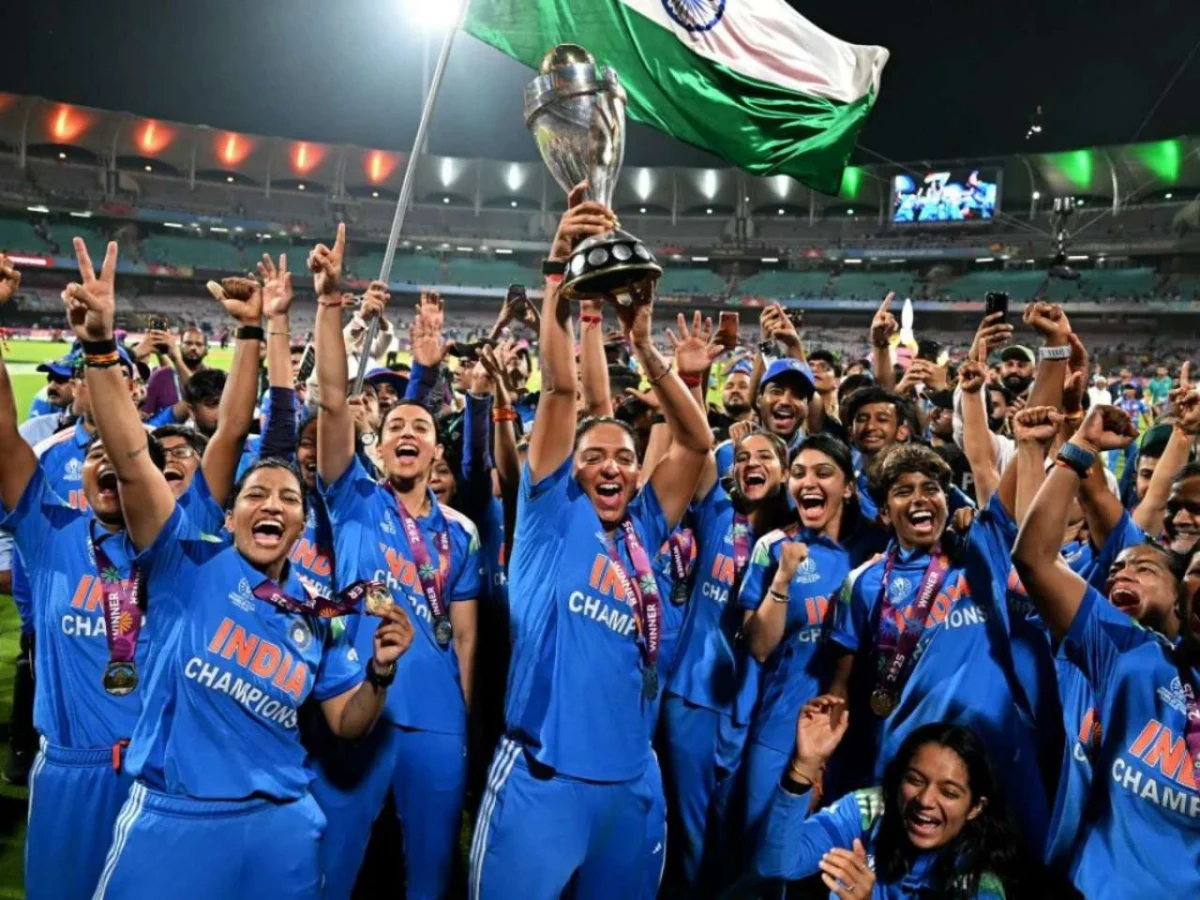
Mumbai, India – September 6, 2026 – In a landmark decision poised to significantly elevate the stature of women’s cricket worldwide, India has been officially confirmed as the host nation for the inaugural ICC Women’s Champions Trophy in 2027. The International Cricket Council (ICC) announced this momentous development on Wednesday evening, outlining the tournament’s dates, format, and confirmed venues. This six-team elite competition, featuring the pinnacle of women’s cricketing talent, is set to become a marquee event on the international calendar, promising an exhilarating showcase of skill and fierce competition.
The much-anticipated tournament is scheduled to run from February 14 to February 28, 2027. All matches for this historic first edition will be contested across two iconic cricketing hubs in India: the Cricket Club of India (CCI), home to the Brabourne Stadium in Mumbai, and the newly established Vadodara International Cricket Stadium in Vadodara. This relocation from its originally planned venue in Sri Lanka underscores India’s unparalleled capability and growing commitment to fostering women’s sport.
The Women’s Champions Trophy is designed to bring together the world’s leading cricketing nations, providing a vital platform for top-tier competition and an added incentive for teams to strive for excellence. The tournament’s T20 International format is expected to deliver fast-paced, high-octane encounters, captivating audiences globally and further cementing women’s cricket as a powerful force in the sporting landscape. This strategic move by the ICC, backed by India’s robust cricketing infrastructure and fervent fanbase, marks a pivotal moment in the ongoing evolution and expansion of the women’s game.
Main Facts: India to Host Inaugural Women’s Champions Trophy
India is gearing up to host the highly anticipated inaugural ICC Women’s Champions Trophy in 2027, a decision that has sent ripples of excitement across the global cricketing fraternity. The International Cricket Council (ICC) formally confirmed the details on Wednesday evening, unveiling a robust plan for the tournament which promises to be a significant addition to the international women’s cricket calendar.
The tournament is slated to run for two weeks, from February 14 to February 28, 2027. This compact yet intense schedule is designed to maximize competitive intensity and fan engagement. Two premier venues in India have been selected to host all matches: the historic Cricket Club of India (Brabourne Stadium) in Mumbai and the modern Vadodara International Cricket Stadium in Vadodara. Both venues boast state-of-the-art facilities and a proven track record of hosting international cricket, ensuring a world-class experience for players and spectators alike.
A key aspect of this announcement is the relocation of the tournament from its originally planned host, Sri Lanka. The shift to India was necessitated by Sri Lanka Cricket’s ongoing implementation of reforms, as discussed during the ICC’s Annual Conference in July. India was chosen following a comprehensive evaluation process that also considered Bangladesh and South Africa, ultimately winning the bid due to its superior infrastructure, organizational capabilities, and a deep-seated passion for cricket.
)
The tournament will feature six of the world’s leading women’s cricket teams: Australia, England, India, New Zealand, South Africa, and Sri Lanka. These nations represent the elite of the women’s game, promising a high-quality spectacle. The format will be T20 International (T20I), with a league stage where each team plays every other team once. The top two teams from the league stage will then battle it out in the grand final on February 28, vying for the coveted inaugural Women’s Champions Trophy title.
This new event is more than just another tournament; it represents a significant step in the ICC’s commitment to creating a consistent and compelling calendar for women’s cricket, providing regular opportunities for top-tier competition and boosting the global profile of the sport. India, as the current Women’s ODI World Cup champions, and Australia, the reigning T20 World Cup champions, will undoubtedly be among the favorites, adding an extra layer of competitive intrigue to this historic maiden edition.
Chronology: From Concept to Confirmation
The journey to the inaugural ICC Women’s Champions Trophy in 2027 has been a meticulously planned process, reflecting the ICC’s strategic vision for the sustained growth of women’s cricket. The concept of a dedicated, high-stakes T20I tournament for elite women’s teams emerged as part of the ICC’s broader plan to expand its global event portfolio and create a more robust and engaging calendar for the women’s game.

Early Discussions and Vision (2020-2022): The idea for a Women’s Champions Trophy gained traction in the wake of the highly successful ICC Women’s T20 World Cup 2020 in Australia, which shattered attendance and viewership records. Recognizing the immense potential and burgeoning popularity of women’s cricket, the ICC began exploring new tournament formats to capitalize on this momentum. The objective was clear: to establish an annual or biennial marquee event that would complement the existing ODI and T20 World Cups, providing more frequent opportunities for top-level international competition and increasing global visibility.
Initial Host Selection – Sri Lanka (Early 2026): In the early part of 2026, the ICC’s initial plans pointed towards Sri Lanka as the host nation for the inaugural Women’s Champions Trophy. Sri Lanka, with its rich cricketing heritage and passionate fanbase, was seen as a suitable candidate, offering a unique cultural experience for participating teams and fans. The decision was likely based on a combination of logistical feasibility, government support, and the desire to spread major tournaments across different cricketing regions. This initial selection was part of a long-term scheduling strategy, with the aim of diversifying host nations for ICC events.
The ICC Annual Conference and Reforms (July 2026): A critical turning point occurred during the ICC’s Annual Conference in July 2026. At this conference, the governance and operational structures of various member boards were thoroughly reviewed. Sri Lanka Cricket, in particular, was under scrutiny, and discussions centered around the implementation of necessary reforms to ensure good governance and operational efficiency. While the exact details of these reforms remain largely confidential, it became evident that the ongoing restructuring process within Sri Lanka Cricket might pose challenges to hosting a major international tournament of the Champions Trophy’s scale within the stipulated timeframe. The ICC’s priority is always to ensure the smooth and successful execution of its events, and any potential logistical hurdles needed to be addressed proactively.
)
Re-evaluation of Host Nations (July-August 2026): Following the discussions at the Annual Conference, the ICC Board initiated a re-evaluation process for the host of the Women’s Champions Trophy 2027. This was not a punitive measure but rather a pragmatic decision to safeguard the integrity and success of the inaugural event. A rigorous host evaluation criterion, developed by the ICC to assess various factors including infrastructure, financial guarantees, government support, security, and logistical capabilities, was applied to a shortlist of potential candidates.
The Contenders: Three strong cricketing nations emerged as potential alternative hosts: Bangladesh, India, and South Africa.
- Bangladesh has been actively investing in women’s cricket and has successfully hosted international events, offering a growing market for the sport.
- South Africa possesses world-class cricketing facilities and a strong track record of hosting major ICC tournaments, including men’s and women’s World Cups.
- India, with its unparalleled cricketing infrastructure, massive fan base, and experience in hosting numerous high-profile events including the recent Men’s Cricket World Cup and the Women’s Premier League (WPL), presented an extremely compelling case.
ICC Board Approval (September 1, 2026): After careful deliberation and a thorough assessment against its established criteria, the ICC Board convened on September 1, 2026. It was during this crucial meeting that the decision to award the hosting rights for the inaugural Women’s Champions Trophy 2027 to India was formally approved. The comprehensive proposal put forth by the Board of Control for Cricket in India (BCCI) and the country’s proven ability to deliver large-scale events ultimately swayed the decision.
)
Official Announcement (September 6, 2026): The official announcement was made on Wednesday evening, September 6, 2026, via a statement released by the International Cricket Council. This statement not only confirmed India as the new host but also provided critical details regarding the tournament dates, the specific venues in Mumbai and Vadodara, and the competitive format. The announcement was met with widespread enthusiasm, particularly in India, where the opportunity to host another marquee women’s event is seen as a testament to the nation’s growing influence and dedication to cricket. This chronological progression highlights the ICC’s adaptive governance and its unwavering commitment to ensuring the optimal conditions for its global tournaments, especially for a groundbreaking event like the Women’s Champions Trophy.
Supporting Data: Tournament Format, Teams, and Venues
The inaugural ICC Women’s Champions Trophy 2027 is designed to be a compact yet intensely competitive tournament, showcasing the very best of women’s T20I cricket. The details of its format, the calibre of participating teams, and the choice of venues underscore the ICC’s ambition to create a world-class event.
Tournament Format: T20I Extravaganza
The tournament will adopt the popular T20 International (T20I) format, a choice that reflects the dynamic and rapidly growing appeal of the shortest format of the game. T20I cricket is known for its fast pace, high scoring, and unpredictable outcomes, making it a favorite among global audiences and ideal for generating excitement.
)
- League Stage: The six participating teams will compete in a round-robin league format. This means each team will play one match against every other team, totaling 15 league matches. This format ensures that every team gets ample opportunity to prove its mettle and allows for multiple high-stakes encounters between rivals. It also provides a comprehensive test of consistency and adaptability for all contenders.
- Qualification for Final: Following the completion of the league stage, the top two teams in the standings will advance directly to the Grand Final. The final match, scheduled for February 28, 2027, will be the culmination of two weeks of intense competition, determining the first-ever champions of this prestigious new tournament. The T20I format ensures that matches are typically completed within three to four hours, making them highly accessible for broadcasting and live audiences.
Participating Teams: The Elite Six
The selection of the six participating nations reflects their standing as the top teams in women’s international cricket, based on a combination of ICC rankings and recent performances in major tournaments. These teams are:
- Australia: The undisputed powerhouse of women’s cricket, currently holding the title of reigning T20 World Cup champions. The Southern Stars are known for their depth, professionalism, and consistent success across formats. Their inclusion guarantees a benchmark of excellence.
- England: A formidable force and traditional rival of Australia, England consistently ranks among the top teams. Their aggressive style of play and experienced squad make them strong contenders in any global event.
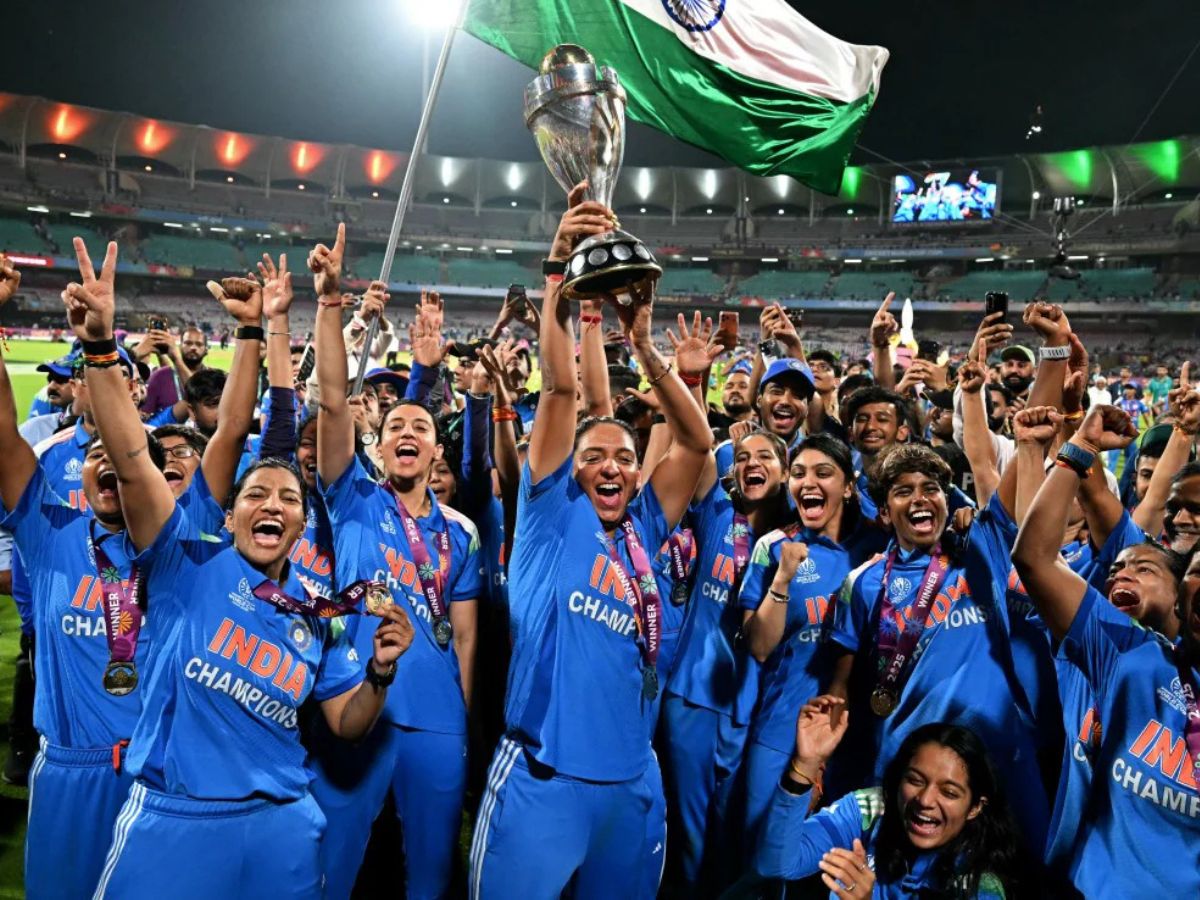
- India: As hosts and the current Women’s ODI World Cup champions (having triumphed over South Africa in the final at the DY Patil Stadium last year), India will carry the hopes of a nation. Their recent success and the emergence of several world-class players make them a significant threat, especially on home soil.
- New Zealand: The White Ferns are a consistently competitive side, known for their innovative play and a blend of experienced veterans and exciting young talent. They are always a team to watch in major tournaments.
- South Africa: A rapidly improving team that has reached the latter stages of several recent ICC events, including the final of the last ODI World Cup. Their strong bowling attack and dynamic batting make them a challenging opponent.
- Sri Lanka: Despite the initial relocation of the tournament from their country, Sri Lanka’s women’s team has secured a spot among the elite six. This is crucial for the development of cricket in the region and provides them with a high-profile platform to showcase their talent and competitive spirit.
This lineup ensures a high standard of cricket, fostering intense rivalries and compelling narratives throughout the tournament.
Venue Details: Historic Brabourne and Modern Vadodara
The choice of venues is strategic, combining the historical significance of Mumbai with the modern infrastructure of Vadodara, offering diverse experiences for teams and fans.
)
-
Cricket Club of India (CCI), Brabourne Stadium, Mumbai:
- History and Prestige: The Brabourne Stadium is one of India’s oldest and most revered cricket grounds, steeped in history. It has hosted Test matches, ODIs, and numerous domestic and international fixtures. Its classic charm and association with cricketing legends add a layer of prestige to the tournament.
- Capacity and Facilities: While not the largest in terms of capacity compared to some modern stadia, Brabourne offers excellent spectator comfort, media facilities, and a central location in Mumbai, a major metropolitan hub. It has successfully hosted matches in the Women’s Premier League (WPL) and other major women’s fixtures, proving its capability to deliver high-quality events for women’s cricket.
- Playing Conditions: The pitches at Brabourne are typically batting-friendly but offer assistance to spinners as the match progresses, providing a balanced challenge for all teams.
-
Vadodara International Cricket Stadium, Vadodara:
- Modern Infrastructure: The Vadodara International Cricket Stadium, while newer, is designed with contemporary standards in mind. It boasts modern player facilities, state-of-the-art broadcast capabilities, and excellent spectator amenities. It represents India’s ongoing investment in developing new, world-class sporting infrastructure.
- Capacity and Accessibility: The stadium offers a substantial seating capacity and is well-connected, making it accessible for fans from Gujarat and beyond. Vadodara has a passionate cricketing audience, and hosting a major international women’s tournament will further ignite local enthusiasm.
- Playing Conditions: New stadia often feature pitches that are well-maintained and offer consistent bounce, ensuring fair competition. Vadodara’s conditions are generally conducive to good cricketing contests, providing an ideal environment for the T20 format.
By utilizing these two distinct yet equally capable venues, the ICC ensures a premium experience for the inaugural Women’s Champions Trophy, leveraging India’s rich cricketing heritage and its modern capabilities to deliver a memorable event. The combination of historical grounds and modern facilities, coupled with the T20I format and elite teams, sets the stage for a truly remarkable tournament.
)
Official Responses: Endorsement and Vision
The announcement of India hosting the inaugural ICC Women’s Champions Trophy 2027 has been met with enthusiastic responses from cricketing authorities, particularly from the ICC, highlighting the strategic importance and immense potential of this new event.
ICC Chairman Jay Shah’s Vision:
ICC Chairman Jay Shah, a prominent figure in global cricket administration and a key architect of the sport’s growth, articulated the profound significance of this new tournament. His statements underscore the ICC’s long-term commitment to elevating women’s cricket to unprecedented heights.
"The ICC Women’s Champions Trophy 2027 signifies an exciting new chapter for women’s cricket," stated Mr. Shah. This declaration positions the tournament not merely as an additional event but as a pivotal moment in the sport’s trajectory. He emphasized its role in fostering elite competition: "As the first edition of this tournament, it will unite the top teams globally in a fierce, high-quality competition, while also providing a greater incentive for teams to improve their rankings and vie for a spot on the world stage." This highlights the dual benefit of the Champions Trophy: delivering thrilling cricket and driving competitive improvement among nations, pushing them to invest further in their women’s programs.
)
Furthermore, Mr. Shah elaborated on the broader strategic implications for the women’s game. "With a marquee ICC women’s event occurring annually, we have a tremendous opportunity to generate more momentum, ensure consistency, and establish a stronger rhythm for the women’s game, its athletes, and its supporters worldwide," he added. This statement reveals the ICC’s deliberate strategy to create a sustained presence for women’s cricket in the global sporting calendar, moving beyond sporadic major events to a continuous cycle of high-profile competitions. This consistency is crucial for building fan loyalty, attracting long-term sponsorship, and providing stable career pathways for female athletes.
BCCI’s Role and Commitment:
While no direct quote from a BCCI official was provided in the original text regarding the hosting decision, India’s selection as host implicitly reflects the Board of Control for Cricket in India’s (BCCI) robust capabilities and unwavering commitment to both men’s and women’s cricket. The BCCI has demonstrated its ability to organize and execute large-scale international tournaments with immense success, most recently with the Men’s Cricket World Cup and the highly popular Women’s Premier League (WPL). The WPL, in particular, has been a game-changer for women’s cricket, providing a lucrative platform for domestic and international talent and significantly boosting the sport’s profile within India.
The decision to host the Women’s Champions Trophy aligns perfectly with the BCCI’s stated objective of promoting women’s cricket and ensuring India remains at the forefront of the sport’s global development. The allocation of resources, expertise, and infrastructure required to host such an event is a clear indication of their dedication.
)
Anticipated Player and Fan Sentiment:
Though not official responses, the sentiment from players and fans is anticipated to be overwhelmingly positive. Players will welcome another elite tournament that offers high-stakes competition and global exposure. For many, it will be a chance to test their skills against the best and represent their country on a grand stage. Fans, especially in India, will undoubtedly embrace the opportunity to witness world-class women’s cricket on home soil. The success of the Women’s Premier League indicates a massive appetite for women’s cricket in India, and the Champions Trophy is expected to capitalize on this burgeoning enthusiasm, drawing large crowds and significant viewership. The prospect of seeing current ODI World Cup champions India, and T20 World Cup champions Australia, compete for a new trophy will generate considerable excitement and anticipation. The official responses, led by ICC Chairman Jay Shah, articulate a clear vision for the Women’s Champions Trophy as a catalyst for growth, consistency, and competitive excellence in women’s cricket globally.
Implications: A Catalyst for Growth and Global Stature
The announcement of India hosting the inaugural ICC Women’s Champions Trophy in 2027 carries far-reaching implications, positioning it as a pivotal moment for the sport’s trajectory, particularly for women’s cricket globally. This new tournament is not merely an addition to the calendar; it is a strategic investment poised to catalyze growth, enhance competitive standards, and significantly elevate the global stature of the women’s game.
1. Enhanced Visibility and Fan Engagement:
A marquee event like the Champions Trophy, held in a cricket-mad nation like India, guarantees unprecedented visibility. High-profile matches featuring top teams will attract massive viewership both at the stadiums and through global broadcasts. This increased exposure will introduce women’s cricket to new audiences, converting casual observers into dedicated fans. The T20I format, known for its excitement and accessibility, is perfectly suited to captivate viewers, ensuring high engagement levels throughout the tournament. For India, a nation with over a billion cricket fans, hosting such an event will undoubtedly boost local interest and participation in women’s cricket at all levels.
)
2. Increased Professionalism and Opportunities for Athletes:
The Champions Trophy provides another elite platform for female cricketers to showcase their talent on the world stage. This translates into greater professional opportunities, including potential for higher earnings, enhanced sponsorship deals, and increased recognition. The "greater incentive for teams to improve their rankings and vie for a spot on the world stage," as noted by ICC Chairman Jay Shah, will drive national boards to invest more in player development, coaching, and support staff, leading to a more professional ecosystem for women’s cricket globally. It offers a clear pathway for aspiring young girls to envision a career in international cricket.
3. Economic Impact and Investment:
Hosting an ICC event brings substantial economic benefits to the host nation and cities. Mumbai and Vadodara can expect a surge in tourism, hospitality, and local commerce due to the influx of teams, support staff, media, and international fans. The tournament will also attract significant commercial interest from sponsors and broadcasters, injecting financial resources back into the game. This economic stimulus is crucial for sustainable growth, allowing for further investment in infrastructure, grassroots programs, and player welfare across various cricketing nations.
4. Strategic Importance for India and the BCCI:
For India, hosting the Women’s Champions Trophy further solidifies its position as a global cricketing superpower and a committed proponent of women’s sport. The BCCI’s successful organization of the Women’s Premier League has already demonstrated its capacity and willingness to invest in women’s cricket. Hosting an ICC marquee event reinforces this commitment and enhances India’s reputation as a reliable and proficient host for major international tournaments. It also underscores India’s growing influence within the ICC and its pivotal role in shaping the future of the sport.
)
5. Evolution of the Global Calendar and Competitive Balance:
The inclusion of an annual "marquee ICC women’s event" is a strategic move to create a more consistent and predictable international calendar. This consistency helps in building narratives, fostering rivalries, and maintaining fan interest year-round. It also places additional pressure on teams to perform consistently, as qualification for such events might become increasingly competitive over time. This can lead to a more balanced competitive landscape as nations strive to elevate their game to secure a spot among the elite. The T20I format, while popular, also provides a different tactical challenge compared to the 50-over World Cup, encouraging diverse skill development.
6. Addressing Challenges and Future Outlook:
While the implications are overwhelmingly positive, the event will also present challenges. Logistical complexities, security arrangements, and ensuring equitable playing conditions across venues will require meticulous planning. Promoting the event to maximize fan turnout and viewership will be paramount. However, the overarching implication is one of immense opportunity. The inaugural Women’s Champions Trophy is a powerful statement of intent from the ICC and its member boards, signaling a future where women’s cricket is not just supported but celebrated as a central pillar of the global sporting landscape. It promises to be a vibrant, competitive, and inspiring spectacle, propelling women’s cricket into a new era of growth and prominence.
