

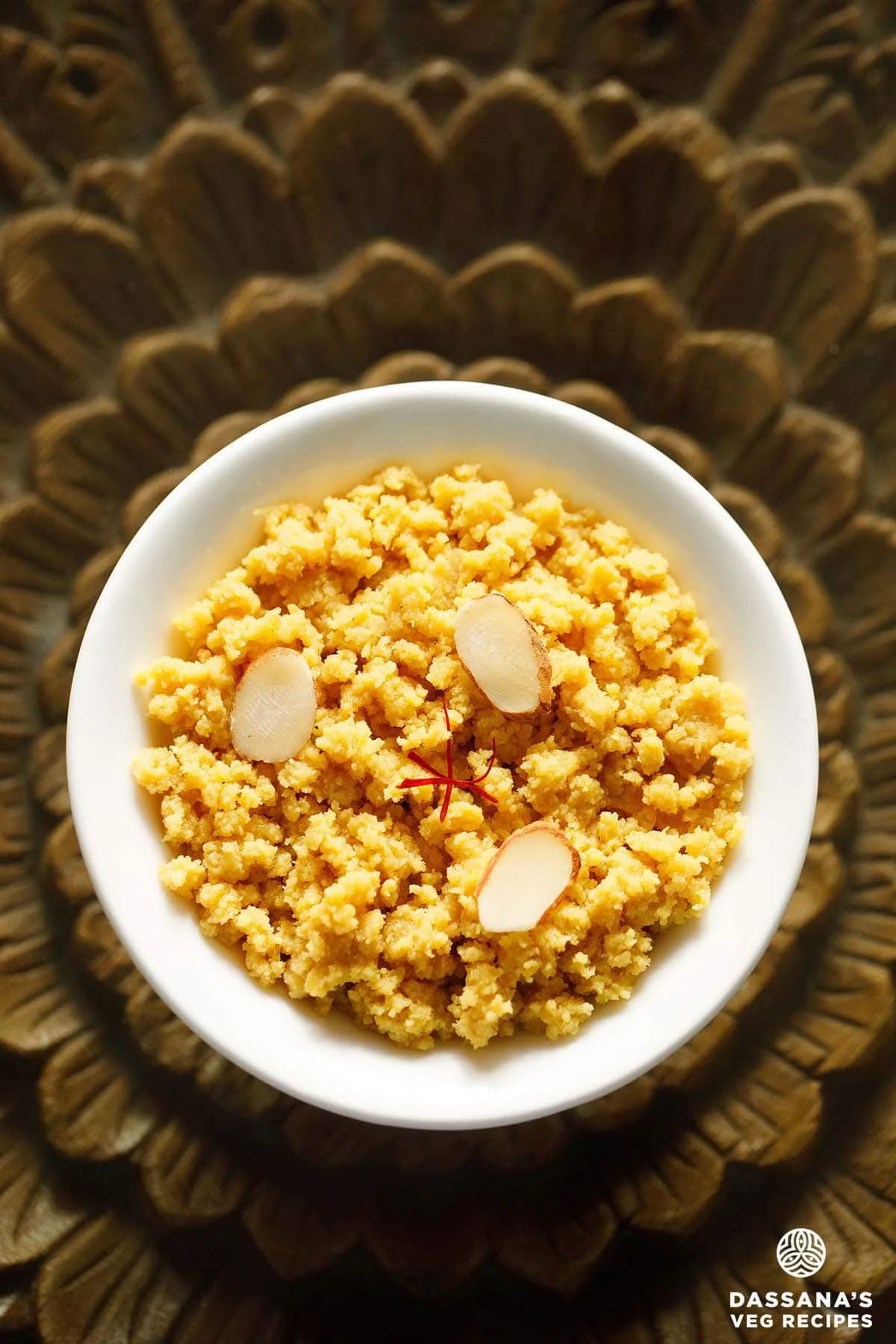
CHENNAI – In an era dominated by instant gratification and ultra-processed confectionery, the traditional South Indian sweet known as Palkova (or Therattipal) stands as a defiant testament to the virtues of patience and culinary precision. Often referred to as the "king of milk sweets," Palkova is more than just a dessert; it is a complex exercise in dairy reduction that transforms humble ingredients—milk and sugar—into a rich, granular delicacy that has defined festive celebrations in Tamil Nadu and beyond for generations.
Recent culinary trends suggest a resurgence in "slow food" practices, with Palkova at the forefront of this movement. As artisanal kitchens and home cooks alike return to traditional methods, the technical nuances of this milk-based sweet are receiving renewed appreciation from gastronomic experts and nutritional scientists.

Main Facts: The Essence of Palkova
Palkova, which literally translates to "milk fats" or "milk solids" (Paal meaning milk and Kova referring to the thickened solids), is a concentrated dairy product. Unlike many Western desserts that rely on flour or thickening agents, Palkova achieves its signature consistency through the physical process of evaporation.
The Composition
The primary ingredient is high-quality, full-fat whole milk. The process involves reducing this milk to approximately one-fourth of its original volume. While the traditional recipe requires only milk and sugar, contemporary variations often incorporate:

- Saffron: For a subtle golden hue and earthy aroma.
- Cardamom Powder: To provide a floral, spicy top note.
- Ghee (Clarified Butter): To enhance the mouthfeel and prevent excessive stickiness during the final stages of cooking.
Technical Distinction
A common point of confusion in Indian confectionery is the distinction between Khoya (Mawa) and Palkova. While both involve the slow reduction of milk, Khoya is typically an unsweetened base used as an ingredient for other sweets (such as Gulab Jamun). Palkova, by contrast, is a finished, sweetened product characterized by a specific moist, granular texture that is distinct from the often smoother or drier Khoya.
Chronology: The Lifecycle of a Batch
The production of Palkova is a time-intensive endeavor that requires nearly two hours of active participation. The following chronology outlines the transformation of liquid milk into a solid confection.

Phase I: The Boiling and Initial Reduction (0–45 Minutes)
The process begins with the selection of a heavy-bottomed vessel—traditionally a brass or cast-iron kadai. A liter of full-fat milk is brought to a boil over medium heat. During this stage, the primary objective is to initiate evaporation while preventing the milk from scorching. As the milk boils, a layer of cream (malai) forms on the surface. In the Palkova method, this cream is not discarded but is continuously stirred back into the liquid to build the eventual granular structure.
Phase II: The Concentration Stage (45–70 Minutes)
As the volume of the milk reduces by half, the viscosity increases significantly. This is the point where aromatics like saffron are introduced. The color begins to shift from a stark white to a creamy ivory. The cook must now increase the frequency of scraping the sides of the pan, as milk solids (the "Kova") begin to adhere to the walls of the vessel. These solids are the building blocks of the dessert’s texture.

Phase III: Sugar Incorporation and Granulation (70–90 Minutes)
Once the milk reaches one-fourth of its original volume, it begins to "splutter"—a critical visual and auditory cue that the moisture content is low enough for sugar addition.
- The Sugar Reaction: When sugar (either white or raw) is added, it briefly liquefies the mixture again before beginning to caramelize.
- The Granular Shift: Constant stirring is mandatory during this phase. The interaction between the milk proteins and the melting sugar creates the "granular" or "curdled" look that defines high-quality Palkova.
Phase IV: The Finishing Touches (90–110 Minutes)
In the final minutes, cardamom and a small amount of ghee are added. The ghee serves a dual purpose: it adds a luxurious sheen and acts as a release agent, allowing the thickened mass to pull away from the sides of the pan. The heat is killed while the mixture is still slightly moist, as the residual heat will continue to set the proteins during the cooling process.

Supporting Data: Nutritional and Economic Impact
The richness of Palkova is reflected in its dense nutritional profile. For a standard serving (approximately 100g or 4 servings per liter of milk), the data reveals a high-energy food source:
| Nutrient | Amount per Serving |
|---|---|
| Calories | 168 kcal |
| Protein | 8g |
| Total Fat | 10g |
| Saturated Fat | 6g |
| Calcium | 318mg |
| Carbohydrates | 13g |
| Potassium | 391mg |
The Srivilliputhur Legacy
No journalistic review of Palkova is complete without mentioning Srivilliputhur, a town in the Virudhunagar district of Tamil Nadu. Srivilliputhur Palkova was granted the Geographical Indication (GI) tag in 2019. The local industry there produces thousands of kilograms daily, utilizing the unique quality of milk from local cows and a traditional wood-fired reduction process. The GI tag serves as official recognition of the product’s cultural and economic importance, protecting the local artisans from counterfeit versions.

Official Responses: Perspectives from the Culinary Community
To better understand the significance of Palkova in the modern diet, we reached out to experts in the fields of traditional gastronomy and food science.
Dr. Aruna Raghuram, Food Historian:
"Palkova represents the ‘slow food’ ethos of ancient India. It is a dish that cannot be rushed. In Tamil culture, it is often associated with temples and domestic celebrations. The transition from Paal (liquid) to Kova (solid) is seen as a metaphor for refinement and patience. While modern versions use condensed milk to save time, they lack the complex Maillard reaction—the browning of sugar and milk proteins—that only occurs over a long, slow simmer."

Chef Vikram Sethi, Consultant for South Indian Heritage Cuisine:
"The secret to a perfect Palkova is the vessel. We always recommend heavy-bottomed cast iron or brass. If you use a thin pan, the milk sugars will burn before the moisture evaporates, resulting in a bitter, ‘smoky’ flavor that ruins the delicate sweetness. It is a test of a chef’s temperament as much as their skill."
Nandini Iyer, Clinical Nutritionist:
"While Palkova is undoubtedly high in sugar and saturated fats, it is also an incredible source of bioavailable calcium and Vitamin B12. Because it is a concentrated milk product, it provides more protein per gram than standard milk. We view it as a ‘functional treat’—something to be enjoyed in moderation for its high nutrient density, particularly for growing children and the elderly who require concentrated energy sources."

Implications: Preservation and Modern Adaptation
The survival of Palkova in its traditional form has broader implications for the preservation of South Asian culinary heritage.
The Threat of Industrialization
As the demand for convenience grows, many commercial manufacturers have turned to "instant" Palkova mixes or recipes involving heavy cream and microwave reduction. While these methods produce a sweet milk product, they often bypass the natural granulation process. Food purists argue that the loss of traditional techniques leads to a homogenization of flavor profiles, where the unique "toasted milk" taste of Palkova is replaced by simple sugary notes.

The Home-Cooking Renaissance
Conversely, the rise of food blogging and digital recipe archives has empowered a new generation to attempt labor-intensive recipes at home. By documenting the "stepwise" process—from the first boil to the final stir—digital platforms are ensuring that the knowledge of how to identify "spluttering" or "leaving the sides of the pan" is not lost.
Storage and Global Reach
Modern packaging and refrigeration have also allowed Palkova to travel further. While it remains a fresh milk sweet with a shelf life of only 3 to 4 days at room temperature, vacuum sealing and cold-chain logistics are now enabling South Indian expatriates to receive authentic Srivilliputhur Palkova across the globe. This has turned a local delicacy into a global ambassador for Tamil flavors.

Conclusion
Palkova is more than a dessert; it is a culinary artifact. It requires the cook to engage all their senses: the sight of the milk changing color, the sound of the spluttering as it thickens, and the physical effort of stirring. In a world of shortcuts, the slow, rhythmic reduction of milk into Palkova remains a powerful reminder that the best things in life—and in the kitchen—are worth the wait. Whether served warm in a traditional bowl or garnished with contemporary slivers of almond and saffron, Palkova continues to hold its place as an irreplaceable icon of the Indian sweet stall.
