

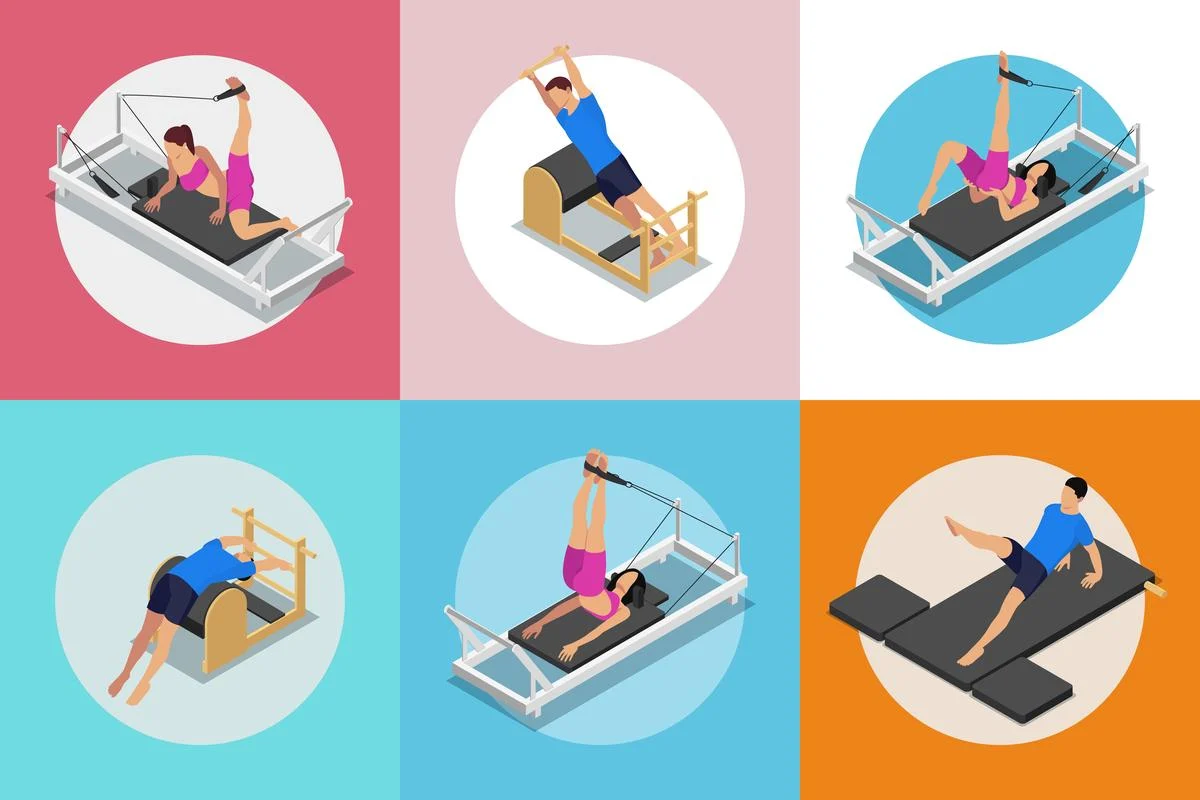
In an era increasingly defined by the pursuit of holistic health, one exercise modality has quietly but steadily risen to prominence, captivating a global audience with its promise of a stronger, more balanced, and mentally centered self. Pilates, a mind-body discipline developed in the early 20th century, is far more than a fleeting fitness trend; it is a scientifically validated method that cultivates core strength, enhances body awareness, and sharpens mental focus, offering a potent alternative to conventional workout routines.
Genesis and Evolution: From "Contrology" to a Global Phenomenon
The story of Pilates begins with its visionary creator, Joseph Pilates. Born in Germany in the late 19th century, Pilates, a frail child prone to illness, dedicated his life to understanding and improving the human body. His early experiences with physical ailments fueled a passion for exercise, drawing inspiration from a diverse range of disciplines including gymnastics, boxing, yoga, and Zen meditation. He meticulously developed a system of exercises he originally termed "Contrology," emphasizing the precise control of muscles through mindful movement.
Pilates’ journey took him to the United States in 1926, where he established a studio in New York City, strategically located near the New York City Ballet. This proximity allowed him to refine his methods with dancers, athletes, and individuals seeking rehabilitation. His approach, rooted in the principle of "mind over matter," focused on strengthening the body’s "powerhouse" – the deep abdominal muscles, pelvic floor, and lower back – to create a stable foundation for all movement.
The Core Principles and Apparatus of Pilates
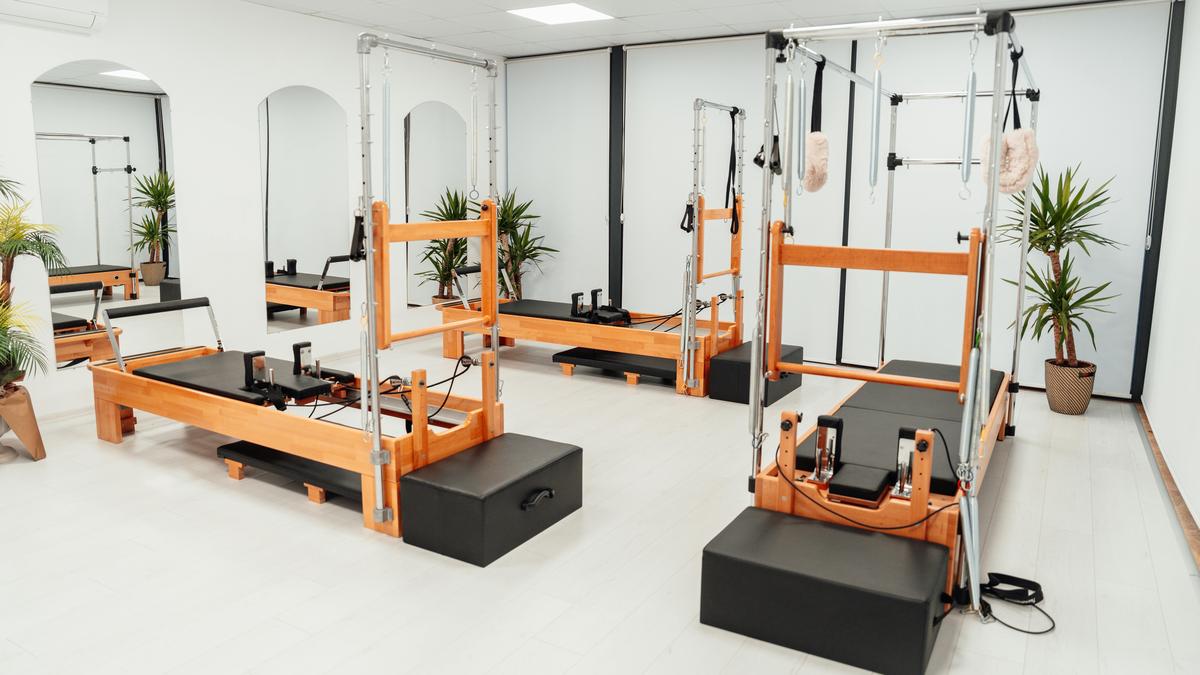
At its heart, Pilates is a comprehensive, full-body workout designed to improve breathing patterns and muscular control. While often associated with mat-based exercises, its efficacy is amplified by specialized apparatuses that provide adjustable resistance and support. The Reformer, a spring-loaded carriage that glides along a track, offers a dynamic challenge for strengthening and lengthening muscles. The Cadillac, a versatile frame adorned with bars, straps, and springs, provides a wider range of movements and therapeutic applications. These apparatuses, far from being mere props, are integral to the system, allowing for progressive resistance and targeted muscle engagement.
The benefits of Pilates are increasingly supported by scientific research. Studies published in esteemed journals such as the Journal of Orthopaedic & Sports Physical Therapy and by the American Council on Exercise have highlighted Pilates’ significant role in enhancing spinal stability and improving posture, all while minimizing the risk of injury. This evidence-based validation has propelled Pilates beyond a niche interest into a mainstream wellness practice.
A Spectrum of Styles: From Classical Purity to Contemporary Adaptation
Over the decades, Pilates has evolved, branching into several distinct, yet interconnected, styles:
Contrology: The Original Blueprint
This is the foundational method meticulously crafted by Joseph Pilates himself. Contrology is characterized by a specific sequence of exercises, many of which require the use of apparatuses with precisely calibrated resistance. Joseph Pilates was unwavering in his adherence to his original methodology, permitting modifications only if the practitioner acknowledged that the altered exercise was no longer strictly "Contrology." This purist approach emphasizes the exact execution and intention behind each movement.
Classical Pilates: Honoring the Legacy
Classical Pilates represents a direct lineage from Contrology, with minor adaptations introduced primarily by Joseph Pilates’ direct disciples. These disciples, deeply immersed in his teachings, recognized subtle differences and variations that came to define Classical Pilates. While closely aligned with the original principles, Classical Pilates sometimes incorporates additional exercises that were developed or adapted by these early practitioners, while still maintaining a strong emphasis on the original sequence and intent.
Contemporary Pilates: Embracing Innovation
Contemporary Pilates is a modern evolution, incorporating more significant modifications and expansions to the original system. This style often introduces new equipment, adapts exercises for a wider range of physical abilities, and may deviate from the strict sequencing of Classical Pilates. The focus remains on core strength, alignment, and mindful movement, but with a greater degree of flexibility and personalization to cater to contemporary fitness needs and trends.
The adaptability of Pilates has also led to fascinating hybrid forms, blending its core principles with other disciplines. Yogilates integrates the breathwork and flexibility of yoga with the core-strengthening focus of Pilates. Cardiopilates infuses cardiovascular elements into Pilates routines, offering a more dynamic workout. Piloxing, a fusion of Pilates, boxing, and dance, provides an energetic and empowering experience. Furthermore, specialized environments like Aquapilates (Pilates practiced in water) and Aeropilates (incorporating trampolines and resistance cords) offer low-impact alternatives that protect joints and enhance accessibility.
The Rise of Pilates: A Multifaceted Phenomenon
The surge in Pilates’ popularity in recent years can be attributed to a confluence of factors. A growing global consciousness around health and well-being has undoubtedly played a significant role, with younger generations actively seeking sustainable and effective fitness solutions. Social media, with its ability to amplify trends and create a sense of shared experience, has also contributed to the "FOMO" (Fear Of Missing Out) effect, drawing more individuals to explore what makes Pilates so compelling.
However, beyond the hype, the scientific underpinnings of Pilates provide a robust explanation for its effectiveness. Research consistently demonstrates its efficacy in:

- Core Strengthening: Pilates excels at building a strong and stable core, which is fundamental for overall body function and injury prevention.
- Chronic Pain Management: Many individuals find significant relief from chronic back and neck pain through consistent Pilates practice. The focus on alignment and controlled movement helps to decompress the spine and alleviate muscular tension.
- Improved Balance and Flexibility: The precise nature of Pilates exercises enhances proprioception (the body’s awareness of its position in space) and cultivates long, lean muscles, leading to better balance and increased flexibility.
- Enhanced Posture: By strengthening the deep postural muscles and promoting spinal alignment, Pilates is highly effective in correcting poor posture and preventing related issues.
- Mental Well-being: The emphasis on mindful movement and breath control fosters a meditative state, reducing stress and anxiety. This integration of mind and body contributes to a greater sense of calm and focus.
- Bone Health: While not a weight-bearing exercise in the traditional sense, the controlled resistance and muscle engagement in Pilates can contribute to maintaining bone density, potentially aiding in the prevention of osteoporosis.
Scientific Validation and Supporting Data
The robust scientific backing for Pilates is a critical driver of its enduring appeal. Numerous studies have provided empirical evidence for its therapeutic and rehabilitative benefits. For instance, research published in the Journal of Strength and Conditioning Research has explored the effects of Pilates on muscle activation, demonstrating how specific exercises engage deep core muscles that are often underutilized in other forms of exercise.
Furthermore, studies investigating the impact of Pilates on individuals with lower back pain have reported significant reductions in pain intensity and improvements in functional capacity. The American Physical Therapy Association has also recognized Pilates as a valuable tool in physical rehabilitation, particularly for conditions affecting the spine and musculoskeletal system. The controlled nature of Pilates allows practitioners to work within their limits, gradually progressing as their strength and stability improve, thereby minimizing the risk of exacerbating existing conditions.
The American Council on Exercise (ACE) has been instrumental in disseminating information about the benefits of Pilates, often featuring it in their educational materials and research summaries. Their emphasis on the "mind-body connection" inherent in Pilates resonates with a growing understanding of how mental states influence physical health.
Implications for Health and Wellness
The implications of Pilates’ growing prominence extend beyond the fitness industry. Its holistic approach offers a compelling alternative for individuals seeking a more integrated path to health. In an age where sedentary lifestyles are increasingly prevalent, Pilates provides a potent antidote, fostering movement, strength, and body awareness.
For healthcare professionals, Pilates represents a valuable complementary therapy for a wide range of conditions, from chronic pain and postural imbalances to rehabilitation after injury. Its ability to improve functional movement and reduce the risk of future injuries makes it a sustainable long-term strategy for maintaining physical well-being.
As the world continues to grapple with issues of chronic disease, mental health challenges, and the desire for a more balanced lifestyle, Pilates stands out as a beacon of effective, evidence-based movement. Its legacy, forged in the early 20th century, continues to inspire and transform lives, proving that a mindful, controlled approach to exercise can yield profound and lasting benefits for both body and mind. Whether practiced on a mat or utilizing its specialized apparatus, Pilates offers a unique and powerful pathway to a stronger, healthier, and more centered self, proving its timeless relevance in the pursuit of holistic wellness.
